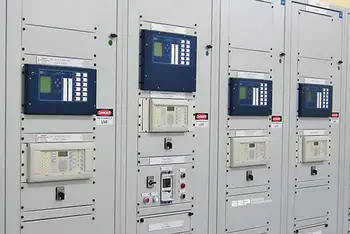
Protective Relay Training - Basic
Our customized live online or in‑person group training can be delivered to your staff at your location.
- Live Online
- 12 hours Instructor-led
- Group Training Available
Regular Price:
$699
Coupon Price:
$599
Jean Canfield Building electric heater retrofit addresses cold drafts near windows, using rooftop solar power capacity, HVAC adjustments, and energy-efficiency tuning in a Charlottetown federal office to balance occupant comfort on extreme winter days.
The Core Facts
An HVAC upgrade adding about 75 electric heaters for window comfort, partly powered by the 139 kW rooftop solar array.
- Largest single rooftop solar array in Canada: 139 kW
- About 75 electric heaters added in floor vents near windows
- Used only on the coldest winter days, per Public Works
One of PEI's most environmentally friendly buildings has had to supplement its green systems with some old-fashioned electric heaters for the comfort of the people who work there.
When the Jean Canfield Building, a five-storey federal office tower in downtown Charlottetown, where a local hotel went geothermal as well, opened two years ago it included a number of new technologies to lessen its ecological impact. On its roof sits the largest single solar power system in Canada. It can generate up to 139 kW of electricity.
But now some of that power will be used to operate about 75 new electric heaters, even as electric heat and peak demand concerns persist across the region. The heaters were installed in the existing floor vents, after employees who work next to windows complained about the cold.
Kerry Taylor, director of Public Works Canada for PEI, where Atlantic Canada's largest wind farm recently opened, said this kind of change in a new building is not unusual.
"This is something that you find when you open a big building like this," said Taylor.
"There are some things you have to add, there are maybe some things you have to take out to make it more efficient, and that's pretty common in any building, even across a province pursuing wind power self-sufficiency today, whether it's government or private sector."
Taylor says the heaters will only be used on the very coldest winter days, when wind storage in homes could also ease grid demand.
There are still some adjustments to be made with the heaters, with some workers complaining it is now too hot near the vents.
Related News
Related News
Ontario Providing Support for Industrial and Commercial Electricity Consumers During COVID-19
Ontario Global Adjustment Deferral provides COVID-19 relief to industrial and commercial electricity consumers, holding GA…
View more

Opponent of Site C dam sharing concerns with northerners
Site C Dam Controversy highlights Peace River risks, BC Hydro claims, Indigenous rights under Treaty…
View more
California Legislators Prepare Vote to Crack Down on Utility Spending
California Utility Spending Bill scrutinizes how ratepayer funds are used by utilities, targeting lobbying, advertising,…
View more

Ireland and France will connect their electricity grids - here's how
Celtic Interconnector, a subsea electricity link between Ireland and France, connects EU grids via a…
View more
"Energy war": Ukraine tries to protect electricity supply before winter
Ukraine Power Grid Resilience details preparations for winter blackouts, airstrike defense, decentralized generation, backup generators,…
View more

Survivors of deadly tornadoes may go weeks without heat, water, electricity, Kentucky officials say
Kentucky Tornado Recovery details Mayfield damage, death toll, power outages, boil-water advisories, shelter operations, and…
View more
Sign Up for Electricity Forum’s Newsletter
Stay informed with our FREE Newsletter — get the latest news, breakthrough technologies, and expert insights, delivered straight to your inbox.
Electricity Today T&D Magazine Subscribe for FREE

Stay informed with the latest T&D policies and technologies.
- Timely insights from industry experts
- Practical solutions T&D engineers
- Free access to every issue

