NFPA 70E Training
Our customized live online or in‑person group training can be delivered to your staff at your location.

- Live Online
- 6 hours Instructor-led
- Group Training Available
Regular Price:
$199
Coupon Price:
$149
The average Met-Ed residential customer in Berks County would pay $8.83 more a month if the state Public Utility Commission grants a proposed recent rate increase.
Met-Ed's parent company, FirstEnergy Corp., has asked to increase electricity rates for the 152,000 residential, commercial and industrial customers in Berks by a total of $216 million.
The rate hikes also would affect customers in other parts of Pennsylvania supplied by Met-Ed and Penelec, another First-Energy subsidiary.
Company spokesman Scott Surgeoner said the average Met-Ed home customer pays $50.10 for 500 kilowatt hours per month. Under the proposal, that household bill would increase by 17.6 percent, or $8.83.
The PUC must hold public hearings before acting on the requests. The rate increases could take effect as early as June, but PUC Press Secretary Jennifer Kocher said the process typically takes about nine months.
When the electric industry was deregulated, Met-Ed agreed in 1998 to cap electricity generation rates until 2010.
Surgeoner said that when that agreement was made, Met-Ed had expected to focus on transmitting and distributing electricity. The agreement assumed Met-Ed would generate power for only 20 percent of its customers, while 80 percent of customers would buy energy generated by other suppliers.
But Met-Ed and Penelec continue to generate power for virtually all their customers, Surgeoner said, adding that the utilities are annually collecting $300 million less than the cost of generating the power.
The agreement allows the utilities to seek an increase in generation rates if they are unsuccessful in moving 80 percent of the generation load to other suppliers, the utilities said.
Surgeoner said the rate hikes are being proposed now to protect customers from rate shock when the cap expires in 2010.
State consumer advocate Irwin "Sonny" Popowsky said Met-Ed agreed to the cap and should honor its agreement.
Popowsky agreed that raising rates now would cut the size of rate increases after 2010, but only because customers would pay more in the interim. He said rates would be just as high in 2011, no matter when customers started paying.
Related News

Seattle City Light's Initiative Helps Over 93,000 Customers Reduce Electricity Bills
Seattle City Light Energy Efficiency Programs help 93,000 residents cut bills with rebates, home energy…
View more
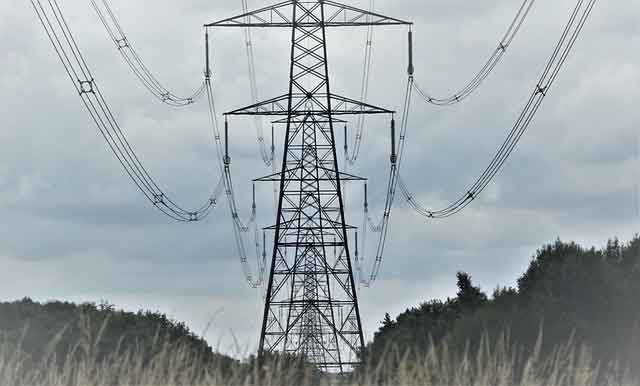
Bomb Cyclone Leaves Half a Million Without Power in Western Washington
Western Washington Bomb Cyclone unleashed gale-force winds, torrential rain, and coastal flooding, causing massive power…
View more

Electricity demand set to reduce if UK workforce self-isolates
UK Energy Networks Coronavirus Contingency outlines ESO's lockdown electricity demand forecast, reduced industrial and commercial…
View more
Swiss Earthquake Service and ETH Zurich aim to make geothermal energy safer
Advanced Traffic Light System for Geothermal Safety models fracture growth and friction with rock physics,…
View more
Are major changes coming to your electric bill?
California Income-Based Electricity Rates propose a fixed monthly fee set by income as utilities and…
View more
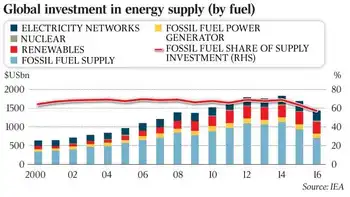
IEA warns fall in global energy investment may lead to shortages
Global Energy Investment Decline risks future oil and electricity supply, says the IEA, as spending…
View more
Sign Up for Electricity Forum’s Newsletter
Stay informed with our FREE Newsletter — get the latest news, breakthrough technologies, and expert insights, delivered straight to your inbox.
Electricity Today T&D Magazine Subscribe for FREE

Stay informed with the latest T&D policies and technologies.
- Timely insights from industry experts
- Practical solutions T&D engineers
- Free access to every issue

