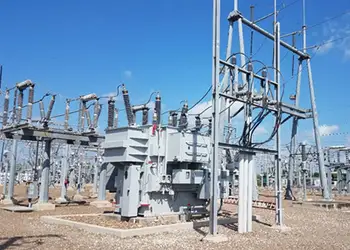
Substation Relay Protection Training
Our customized live online or in‑person group training can be delivered to your staff at your location.
- Live Online
- 12 hours Instructor-led
- Group Training Available
Regular Price:
$699
Coupon Price:
$599
Higher electricity bills aren't on anyone's radar now, especially since most of us are still getting over the shock from our gas bills this winter. But the party is almost over for residential electrical rates in Illinois, which were rolled back 20 percent in 1997 and have been frozen for the last nine years.
Starting next January, Illinois will switch to a deregulated, market-based system, and your electricity bills are almost certain to get bigger, perhaps significantly bigger.
That said, Commonwealth Edison has proposed a responsible plan for deregulation, and the Illinois Commerce Commission should approve it.
The 10-year rate freeze and the move toward deregulation were passed by the Legislature in 1997. As part of the process, ComEd sold off its generating plants and became a transmission company that must buy its power on the open market starting next year.
ComEd has proposed to do that through a state-monitored "reverse auction." During such an auction, an independent manager sets a starting price he or she knows will be enticing to power companies, and they bid on how much power they will supply at that price. If the opening bid is set correctly, the companies will propose to supply far more power than will actually be needed to meet the expected level of demand. The manager then lowers the price, which presumably will generate fewer bids, and keeps lowering it until the level of bids matches the demand.
ComEd predicts bills will jump up to 20 percent in the first year of deregulation. That includes a 6 percent increase in delivery rates, which it is also requesting. To cushion the blow, ComEd said it will restrain rate increases to 8 percent, 7 percent and 6 percent in the first three years. ComEd CEO Frank Clark convincingly argues that it is not the auction itself, but higher generating costs over the last 10 years, that is responsible.
The Illinois Commerce Commission staff has endorsed the reverse auction process. So has an administrative law judge for the ICC. The auction plan has numerous opponents, most notably Gov. Blagojevich, who once threatened to fire ICC members who voted for it. Illinois Attorney General Lisa Madigan, Cook County State's Attorney Dick Devine and the Citizens Utility Board also object to the plan.
The opponents project a much higher rate increase - as high as 37 percent - and argue that consumers aren't ready for a competitive market. They suggest a variety of options, some of which border on a return to regulation. Those include extending the rate freeze, which could force ComEd to buy power for more than it could charge to sell it. That could have disastrous consequences for ComEd and eventually consumers.
It's too late now to get cold feet about deregulation. ComEd reasonably says opponents have had 10 years to come up with a better plan than the auction, and no one has. If done correctly, it will be a transparent, efficient way to buy power.
Related News
Ontario Energy Board prohibiting electricity shutoffs during latest stay-at-home order
OEB Disconnection Ban shields Ontario residential customers under the stay-at-home order, pausing electricity distributor shutoffs…
View more
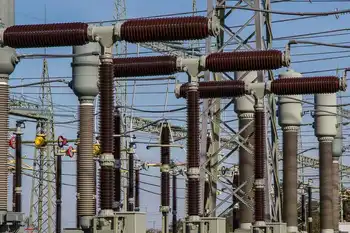
Macron: France, Germany to provide each other with gas, electricity, to weather crisis
France-Germany Energy Solidarity underscores EU energy crisis cooperation: gas supply swaps, electricity imports, price cap…
View more
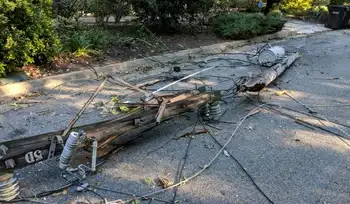
Can the Electricity Industry Seize Its Resilience Moment?
Hurricane Grid Resilience examines how utilities manage outages with renewables, microgrids, and robust transmission and…
View more
Hydro-Quebec won't ask for rate hike next year
Hydro-Quebec Rate Freeze maintains current electricity rates, aligned with Bill 34, inflation indexing, and energy…
View more
B.C. government freezes provincial electricity rates
BC Hydro Rate Freeze delivers immediate relief on electricity rates in British Columbia, reversing a…
View more

Sask. Party pledges 10% rebate on SaskPower electricity bills
SaskPower 10% Electricity Rebate promises one-year bill relief for households, farms, businesses, hospitals, schools, and…
View more
Sign Up for Electricity Forum’s Newsletter
Stay informed with our FREE Newsletter — get the latest news, breakthrough technologies, and expert insights, delivered straight to your inbox.
Electricity Today T&D Magazine Subscribe for FREE

Stay informed with the latest T&D policies and technologies.
- Timely insights from industry experts
- Practical solutions T&D engineers
- Free access to every issue
