Lack of energy: Ottawa’s electricity consumption drops 10 per cent during pandemic


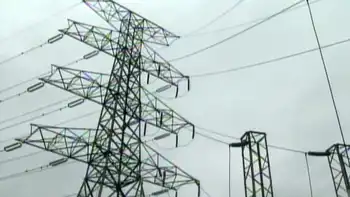
ottawa power lines

NFPA 70e Training - Arc Flash

Our customized live online or in‑person group training can be delivered to your staff at your location.

  • Live Online
  • 6 hours Instructor-led
  • Group Training Available
Regular Price:
$199
Coupon Price:
$149
Reserve Your Seat Today

Ottawa Electricity Consumption Drop reflects COVID-19 impacts, with Hydro Ottawa and IESO reporting 10-12% lower demand, delayed morning peaks, and shifted weekend peak to 4 p.m., alongside provincial time-of-use rate relief.


Key Points

A 10-12% decline in Ottawa's electricity demand during COVID-19, with later morning peaks and weekend peak at 4 p.m.

✅ Weekday demand down 11%; weekends down 10% vs April 2019.

✅ Morning peak delayed about 4 hours; 6 a.m. usage down 17%.

✅ Weekend peak moved from 7 p.m. to 4 p.m.; rate relief ongoing.


Ottawa residents may be spending more time at home, with residential electricity use up even as the city’s overall energy use has dropped during the COVID-19 pandemic.

Hydro Ottawa says there was a 10-to-11 per cent drop in electricity consumption in April, with the biggest decline in electricity usage happening early in the morning, a pattern echoed by BC Hydro findings in its province.

Statistics provided to CTV News Ottawa show average hourly energy consumption in the City of Ottawa dropped 11 per cent during weekdays, mirroring Manitoba Hydro trends reported during the pandemic, and a 10 per cent decline in electricity consumption on weekends.

The drop in energy consumption came as many businesses in Ottawa closed their doors due to the COVID-19 measures and physical distancing guidelines.

“Based on our internal analysis, when comparing April 2020 to April 2019, Hydro Ottawa observed a lower, flatter rise in energy use in the morning, with peak demand delayed by approximately four hours.” Hydro Ottawa said in a statement to CTV News Ottawa.

“Morning routines appear to have the largest difference in energy consumption, most likely as a result of a collective slower pace to start the day as people are staying home.”

Hydro Ottawa says overall, there was an 11 per cent average hourly reduction in energy use on weekdays in April 2020, compared to April 2019. The biggest difference was the 6 a.m. hour, with a 17 per cent decrease.

On weekends, the average electricity usage dropped 10 per cent in April, compared to April 2019. The biggest difference was between 7 a.m. and 8 a.m., with a 13 per cent drop in hydro usage.

Hydro Ottawa says weekday peak continues to be at 4 p.m., while on weekends the peak has shifted from 7 p.m. before the pandemic to 4 p.m. now, though Hydro One has not cut peak rates for self-isolating customers.

The Independent Electricity System Operator says across Ontario, there has been a 10 to 12 per cent drop in energy consumption during the pandemic, a trend reflected in province-wide demand data that is the equivalent to half the demand of Toronto.

The Ontario Government has provided emergency electricity rate relief during the COVID-19 pandemic. Residential and small business consumers on time-of-use pricing, and later ultra-low overnight options, will continue to pay one price no matter what time of day the electricity is consumed until the end of May.


Related News

Related News
In a record year for clean energy purchases, Southeast cities stand out

Municipal Renewable Energy Procurement surged as cities contracted 3.7 GW of solar and wind, leveraging green tariffs, community solar, and utility partnerships across the Southeast, led by Houston, RMI, and WRI data.


Key Points

The process by which cities contract solar and wind via utilities or green tariffs to meet climate goals.

✅ 3.7 GW procured in 2020, nearly 25% year-over-year growth

✅ Houston runs city ops on 500 MW solar, a record purchase

✅ Southeast cities use green tariffs and community solar


Cities around the country bought more renewable energy last year than ever before, reflecting how renewables may soon provide one-fourth of U.S. electricity across the grid, with some of the most remarkable projects in the Southeast, according to new data unveiled Thursday.

Even amid the pandemic, about eight dozen municipalities contracted to buy nearly 3.7 gigawatts of mostly solar and wind energy — enough to power more than 800,000 homes. The figure is almost a quarter higher than the year before.

Half of the cites listed as “most noteworthy” in Thursday’s release —  from research groups Rocky Mountain Institute and World Resources Institute — are in the region that stretches from Texas to Washington, D.C. 

Houston stands out for the sheer enormity of its purchase: In July, it began powering city operations entirely from nearly 500 megawatts of solar power — the largest municipal purchase of renewable energy ever in the United States, as renewable electricity surpassed coal nationwide.

The groups also feature smaller deals in North Carolina and Tennessee, achieved through a utility partnership called a green tariff.

“We wanted to recognize that Nashville and Charlotte were really blazing a new trail,” said Stephen Abbott, principal at the Rocky Mountain Institute.

And the nation’s capital shows how renewable energy can be a source of revenue: It’s leasing out its public transit station rooftops for 10 megawatts of community solar.

All of these strategies will be necessary for scores of U.S. cities to meet their ambitious climate goals, researchers believe. An interactive clean energy targets tracker shows all 95 clean energy procurements from the year in detail.


Tracker 
Even before former President Donald Trump promised to remove the United States from the Paris Climate Accord, a lack of federal action on climate left a void that some cities and counties were beginning to fill, as renewables hit a record 28% in a recent month. In 2015, the first year tracked by researchers at the Rocky Mountain Institute and the World Resources Institute, municipalities contracted to buy more than 1 gigawatt of wind, solar and other forms of clean energy. 

But when Trump officially set in motion the withdrawal from the climate agreement, the ranks of municipalities dedicated to 100% clean energy multiplied. Today there are nearly 200 of them. The growth in activity last year reflects, in part, that surge of new pledges.

“It takes a while to get city staff up to speed and understand the options, and create the roadmap and then start executing,” Abbott said. “There is a bit of a lag, but we’re starting to see the impact.”

Even in Houston — one of the earliest to begin procuring renewable energy — there has been a steep learning curve as market forces change and prices drop, including cheaper solar batteries shaping procurement strategies, said Lara Cottingham, Houston’s chief of staff and chief sustainability officer.

No matter how well resourced and educated their staff, cities have to clear a thicket of structural, political and economic challenges to procure renewable energy. Most don’t own their own sources of power. Nearly all face budget constraints. Few have enough land or government rooftops to meet their goals within city limits.

“Cities face a situation where it’s a square peg in a round hole,” Cottingham said.

The hurdles are especially steep in much of the Southeast, where only publicly regulated utilities can sell electricity to retail customers, even large ones such as major cities. That’s where a green tariff regime comes in: Cities can purchase clean energy from a third party, such as a solar company, using the utility as a go-between.

Early last year, Charlotte became the largest city to use such a program, partnering with Duke Energy and two North Carolina solar developers to build a solar farm 50 miles north in Iredell County. At first, the city will pay a premium for the energy, but in the latter half of the 20-year contract, as gas prices rise, it will save money compared to business as usual.

“Over the course of 20 years, it’s projected we would save about $2 million,” Katie Riddle, sustainability analyst with Charlotte, told the Energy News Network last year.

The growing size of projects, innovative partnerships like green tariff programs, and the improving economics all give Abbott hope that renewable energy investments from cities will only grow — even with the Trump presidency over and the country back in the Paris agreement.

And when cities meet their goals for procuring renewable energy for their own operations, they must then turn to an even bigger task: reducing the carbon footprint of every person in their jurisdiction with broader decarbonization strategies and community engagement.

“The city needs to do its part for sure,” said Houston’s Cottingham. “Then we have this challenge of how do we get everyone else to.”


Related News

View more

Russian Missiles and Drones Target Kyiv's Power Grid in Five-Hour Assault

Assault on Kyiv's Power Grid intensifies as missiles and drones strike critical energy infrastructure. Ukraine's air defenses intercept threats, yet blackouts, heating risks, and civilian systems damage mount amid escalating winter conditions.


Key Points

Missile and drone strikes on Kyiv's power grid to cripple infrastructure, cause blackouts, and pressure civilians.

✅ Targets power plants, substations, and transmission lines

✅ Air defenses intercept many missiles and drones

✅ Blackouts jeopardize heating, safety, and communications


In a troubling escalation of hostilities, Russian forces launched a relentless five-hour assault on Kyiv, employing missiles and drones to target critical infrastructure, particularly Ukraine's power grid. This attack not only highlights the ongoing conflict between Russia and Ukraine but also underscores the vulnerability of essential services, as seen in power outages in western Ukraine in recent weeks, in the face of military aggression.

The Nature of the Attack

The assault began early in the morning and continued for several hours, with air raid sirens ringing out across the capital as residents were urged to seek shelter. Eyewitnesses reported a barrage of missile strikes, along with the ominous whir of drones overhead. The Ukrainian military responded with its air defense systems, successfully intercepting a number of the incoming threats, but several strikes still managed to penetrate the defenses.

One of the most alarming aspects of this attack was its focus on Ukraine's energy infrastructure. Critical power facilities were hit, resulting in significant disruptions to electricity supply across Kyiv and surrounding regions. The attacks not only caused immediate outages but also threatened to complicate efforts to keep the lights on in the aftermath.

Impacts on Civilians and Infrastructure

The consequences of the missile and drone strikes were felt immediately by residents. Many found themselves without power, leading to disruptions in heating, lighting, and communications. With winter approaching, the implications of such outages become even more serious, as keeping the lights on this winter becomes harder while temperatures drop and the demand for heating increases.

Emergency services were quickly mobilized to assess the damage and begin repairs, but the scale of the attack posed significant challenges. In addition to the direct damage to power facilities, the strikes created a climate of fear and uncertainty among civilians, even as many explore new energy solutions to endure blackouts.

Strategic Objectives Behind the Assault

Military analysts suggest that targeting Ukraine's energy infrastructure is a calculated strategy by Russian forces. By crippling the power grid, the intention may be to sow chaos and undermine public morale, forcing the government to divert resources to emergency responses rather than frontline defenses. This tactic has been employed previously, with significant ramifications for civilian life and national stability.

Moreover, as winter approaches, the vulnerability of Ukraine’s energy systems becomes even more pronounced, with analysts warning that winter looms over the battlefront for civilians and troops alike. With many civilians relying on electric heating and other essential services, an attack on the power grid can have devastating effects on public health and safety. The psychological impact of such assaults can also contribute to a sense of hopelessness among the population, potentially influencing public sentiment regarding the war.

International Response and Solidarity

The international community has responded with concern to the recent escalation in attacks. Ukrainian officials have called for increased military support and defensive measures to protect critical infrastructure from future assaults, amid policy shifts such as the U.S. ending support for grid restoration that complicate planning. Many countries have expressed solidarity with Ukraine, reiterating their commitment to support the nation as it navigates the complexities of this ongoing conflict.

In addition to military assistance, humanitarian aid is also critical, and instances of solidarity such as Ukraine helping Spain amid blackouts demonstrate shared resilience. As the situation continues to evolve, many organizations are working to provide relief to those affected by the attacks, offering resources such as food, shelter, and medical assistance. The focus remains not only on immediate recovery efforts but also on long-term strategies to bolster Ukraine’s resilience against future attacks.


Related News

View more

Ontario Power Generation's Commitment to Small Modular Reactors

OPG Small Modular Reactors advance clean energy with advanced nuclear, baseload power, renewables integration, and grid reliability; factory built, scalable, and cost effective to support Ontario energy security and net zero goals.


Key Points

Factory built nuclear units delivering reliable, low carbon power to support Ontario's grid, renewables, climate goals.

✅ Factory built modules cut costs and shorten schedules

✅ Provides baseload power to balance wind and solar

✅ Enhances grid reliability with advanced safety and waste reduction


Ontario Power Generation (OPG) is at the forefront of Canada’s energy transformation, demonstrating a robust commitment to sustainable energy solutions. One of the most promising avenues under exploration is the development of Small Modular Reactors (SMRs), as OPG broke ground on the first SMR at Darlington to launch this next phase. These innovative technologies represent a significant leap forward in the quest for reliable, clean, and cost-effective energy generation, aligning with Ontario’s ambitious climate goals and energy security needs.

Understanding Small Modular Reactors

Small Modular Reactors are advanced nuclear power plants that are designed to be smaller in size and capacity compared to traditional nuclear reactors. Typically generating up to 300 megawatts of electricity, SMRs can be constructed in factories and transported to their installation sites, offering flexibility and scalability that larger reactors do not provide. This modular approach reduces construction time and costs, making them an appealing option for meeting energy demands.

One of the key advantages of SMRs is their ability to provide baseload power—energy that is consistently available—while simultaneously supporting intermittent renewable sources like wind and solar. As Ontario continues to increase its reliance on renewables, SMRs could play a crucial role in ensuring that the energy supply remains stable and secure.

OPG’s Initiative

In its commitment to advancing clean energy technologies, OPG has been a strong advocate for the adoption of SMRs. The province of Ontario has announced plans to develop three additional small modular reactors, part of its plans for four Darlington SMRs that would further enhance the region’s energy portfolio. This initiative aligns with both provincial and federal climate objectives, and reflects a collaborative provincial push on nuclear innovation to accelerate clean energy.

The deployment of SMRs in Ontario is particularly strategic, given the province’s existing nuclear infrastructure, including the continued operation of Pickering NGS that supports grid reliability. OPG operates a significant portion of Ontario’s nuclear fleet, and leveraging this existing expertise can facilitate the integration of SMRs into the energy mix. By building on established operational frameworks, OPG can ensure that new reactors are deployed safely and efficiently.

Economic and Environmental Benefits

The introduction of SMRs is expected to bring substantial economic benefits to Ontario. The construction and operation of these reactors will create jobs, including work associated with the Pickering B refurbishment across the province, stimulate local economies, and foster innovation in nuclear technology. Additionally, SMRs have the potential to attract investment from both domestic and international stakeholders, positioning Ontario as a leader in advanced nuclear technology.

From an environmental perspective, SMRs are designed with enhanced safety features and lower waste production compared to traditional reactors, complementing life-extension measures at Pickering that bolster system reliability. They can significantly contribute to Ontario’s goal of achieving net-zero emissions by 2050. By providing a reliable source of clean energy, SMRs will help mitigate the impacts of climate change while supporting the province's transition to a sustainable energy future.

Community Engagement and Collaboration

Recognizing the importance of community acceptance and stakeholder engagement, OPG is committed to an open dialogue with local communities and Indigenous groups. This collaboration is essential to addressing concerns and ensuring that the deployment of SMRs is aligned with the values and priorities of the residents of Ontario. By fostering a transparent process, OPG aims to build trust and support for this innovative energy solution.

Moreover, the development of SMRs will involve partnerships with various stakeholders, including government agencies, research institutions, and private industry, such as the OPG-TVA partnership to advance new nuclear technology. These collaborations will not only enhance the technical aspects of SMR deployment but also ensure that Ontario can capitalize on shared expertise and resources.

Looking Ahead

As Ontario Power Generation moves forward with plans for three additional Small Modular Reactors, the province stands at a critical juncture in its energy evolution. The integration of SMRs into Ontario’s energy landscape promises a sustainable, reliable, and economically viable solution to meet growing energy demands while addressing climate change challenges.

With the support of government initiatives, community collaboration, and continued innovation in nuclear technology, Ontario is poised to become a leader in the advancement of Small Modular Reactors. The successful implementation of these projects could serve as a model for other jurisdictions seeking to transition to cleaner energy sources, highlighting the role of nuclear power in a balanced and sustainable energy future.

In conclusion, OPG's commitment to developing Small Modular Reactors not only reinforces Ontario’s energy security but also demonstrates a proactive approach to addressing the pressing challenges of climate change and environmental sustainability. The future of energy in Ontario looks promising, driven by innovation and a commitment to clean energy solutions.


Related News

View more

Hydro One: No cut in peak hydro rates yet for self-isolating customers

Hydro One COVID-19 Rate Relief responds to time-of-use pricing, peak rates, and Ontario Energy Board rules as residents stay home, offering a Pandemic Relief Fund, flexible payments, and support for electricity bills amid off-peak adjustments.


Key Points

Hydro One's COVID-19 rate relief includes payment flexibility and hardship aid to ease time-of-use bill burdens.

✅ Advocates flexibility on time-of-use and peak rate impacts

✅ Pandemic Relief Fund offers aid and payment options

✅ OEB sets prices; utilities relay concerns and support


Hydro One says it is listening to requests by self-isolating residents for reduced kilowatt hour peak rates during the day when most people are home riding out the COVID-19 pandemic.

Peak rates of 20.8 cents per kw/h are twice as high from 7 a.m. to 7 p.m. – except weekends – than off-peak rates of 10.1 cents per kw/h and set by the Ontario Energy Board and not electricity providers such as Hydro One and Elexicon (formerly Veridian).

Frustrated electrical customers have signed their John Henry’s more than 50,000 times to a change.org petition demanding Hydro One temporarily slash rates for those already struggling with work closures and loss of income amid concerns about a potential recovery rate that could raise bills.

Alex Stewart, media relations spokesman for Hydro One, said the corporation is working toward a solution.

“While we are regulated to adhere to time-of-use pricing by the Ontario Energy Board, we’ve heard the concerns about time-of-use pricing and the idea of a fixed COVID-19 hydro rate as many of our customers will stay home to stop the spread of COVID-19,” Stewart told The Intelligencer.

“We continue to advocate for greater choice during this difficult time and are working with everyone in the electricity sector to ensure our customers are heard.”

Stewart said the electricity provider is reaching out to customers to help them during a difficult self-isolating and social distancing period in other ways to bring financial relief.

For example, new hardship measures are now in play by Hydro One to give customers some relief from ballooning electricity bills.

“This is a difficult time for everyone. Hydro One has launched a new Pandemic Relief Fund to support customers affected by the novel coronavirus COVID-19. As part of our commitment to customers, we will offer financial assistance, as well as increased payment flexibility, to customers experiencing hardship,” Stewart said.

“Hydro One is also extending its Winter Relief program to halt disconnections and reconnections to customers experiencing hardship during the coldest months of the year. This is about doing the right thing and offering flexibility to our customers so they have peace of mind and can concentrate on what matters most – keeping their loved ones safe.”

Stewart said customers having difficult times can visit the company’s website for more details at www.HydroOne.com/ReliefFund.

Elexicon Energy, meanwhile, said earlier the former Veridian company is passing along concerns to the OEB but otherwise can’t lower the rates unless directed to do so, as occurred when the province set off-peak pricing temporarily.

Chris Mace, Elexicon corporate communications spokesperson, said, “We don’t have the authority to do that.

“The Ontario Energy Board sets the energy prices. This is in the Ministry of Energy’s hands. We at Elexicon, along with other local distribution companies (LDC), have shared this feedback with the ministry and OEB to come up with some sort of solution or alternative. But this is out of our hands. We can’t shift anything.”

He suggested residents can shift the use of higher-drawing electrical appliances to early morning before 7 or in the evening after 7 p.m. when ultra-low overnight rates may apply.

Families may want to be “mindful whether it be cooking or laundry and so on and holding off on doing those until off-peak hours take effect. We are hearing customers and we have passed along those concerns to the ministry and the OEB.”

Hydro One power tips

Certain electrical uses in the home consumer more power than others, as reflected in Ontario’s electricity cost allocation approach:

62 per cent goes to space heating
19 per cent goes to water heaters
13 per cent goes to appliances
2 per cent goes to space cooling


Related News

View more

Beating Covid Is All About Electricity

Hospital Electricity Reliability underpins ICU operations, ventilators, medical devices, and diagnostics, reducing power outages risks via grid power and backup generators, while energy poverty and blackouts magnify COVID-19 mortality in vulnerable regions.


Key Points

Hospital electricity reliability is steady power that keeps ICU care, ventilators and medical devices operating.

✅ ICU loads: ventilators, monitors, infusion pumps, diagnostics

✅ Grid power plus backup generators minimize outage risk

✅ Energy poverty increases COVID-19 mortality and infection


Robert Bryce, Contributor

During her three-year career as a registered nurse, my friend, C., has cared for tuberculosis patients as well as ones with severe respiratory problems. She’s now caring for COVID-19 patients at a hospital in Ventura County, California, where debates about keeping the lights on continue amid the state’s energy transition. Is she scared about catching the virus? “No,” she replied during a phone call on Thursday. “I’m pretty unflappable.”

What would scare her? She quickly replied, “a power outage,” a threat that grows during summer blackouts when heat waves drive demand. About a year ago, while working in Oregon, the hospital she was working in lost power for about 45 minutes. “It was terrifying,” she said. 

C., who wasn’t authorized by her hospital to talk to the media, and thus asked me to only use the initial of her first name, said that COVID-19 patients are particularly reliant on electrical devices. She quickly ticked off the machines: “The bed, the IV machine, vital signs monitor, heart monitor, the sequential compression devices...” COVID-19 patients are hooked up to a minimum of five electrical devices, she said, and if the virus-stricken patient needs high-pressure oxygen or a ventilator, the number of electrical devices could be two or three times that number. “You name it, it plugs in,” she said.  

Today In: Energy

The virus has infected some 2.2 million people around the world and killed more than 150,000,including more than 32,000 people here in the U.S. While those numbers are frightening, it is apparent that the toll would be far higher without adequate supplies of reliable electricity. Modern healthcare systems depend on electricity. Hospitals are particularly big consumers. Power demand in hospitals is about 36 watts per square meter, which is about six times higher than the electricity load in a typical American home, and utilities are turning to AI to adapt to electricity demands during surges. 

Beating the coronavirus is all about electricity. Indeed, nearly every aspect of coronavirus detection, testing, and treatment requires juice. Second, it appears that the virus is more deadly in places where electricity is scarce or unreliable. Finally, if there are power outages in virus hotspots or hospitals, a real risk in a grid with more blackouts than other developed countries, the damage will be even more severe. 

As my nurse friend in Ventura County made clear, her ability to provide high-quality care for patients is wholly dependent on reliable electricity. The thermometers used to check for fever are powered by electricity. The monitors she uses to keep track of her patients, as well as her Vocera, the walkie-talkie that she uses to communicate with her colleagues, runs on batteries. Testing for the virus requires electricity. One virus-testing machine, Abbott Labs’ m2000, is a 655-pound appliance that, according to its specification sheet, runs on either 120 or 240 volts of electricity. The operating manual for a ventilator made by Hamilton Medical is chock full of instructions relating to electricity, including how to manage the machine’s batteries and alarms. 

While it may be too soon to make a direct connection between lack of electricity and the lethality of the coronavirus, the early signs from the Navajo reservation indicate that energy poverty amplifies the danger. The sprawling reservation has about 175,000 residents, but it has a higher death toll from the virus than 13 states. About 10 percent of Navajos do not have electricity in their homes and more than 30 percent lack indoor plumbing. 

The death rate from the virus on the reservation now stands at 3.4 percent, which is nearly twice the global average. In the middle of last week, the entire population of Native American tribes in the U.S. accounted for about 1,100 confirmed cases of the virus and about 44 deaths. Navajos accounted for the majority of those, with 830 confirmed cases of coronavirus and 28 deaths. 

On Saturday night, the Navajo Times reported a major increase, with 1,197 positive cases of COVID-19 on the reservation and 44 deaths. Other factors may contribute to the high infection and mortality rates on the reservation, including  high rates of diabetes, obesity, and crowded residential living situations. That said, electricity and water are essential to good hygiene and health authorities say that frequent hand washing helps cut the risk of contracting the virus. 

The devastation happening on Navajoland provides a window into what may happen in crowded, electricity-poor countries like India, Pakistan, and Bangladesh. It also shows what could happen if a tornado or hurricane were to wipe out the electric grid in virus hotspots like New Orleans, as extreme weather increasingly afflicts the grid nationwide. Sure, most American hospitals have backup generators to help assure reliable power. But those generators can fail. Further, they usually burn diesel fuel which needs to be replenished every few days. 

The essential point here is that our hospitals and critical health care machines aren’t running on solar panels and batteries. Instead, they are running on grid power that’s being provided by reliable sources — coal, natural gas, hydro, and nuclear power — which together produce about 89 percent of the electricity consumed in this country, even as Russian hacking of utilities highlights cyber risks. The pandemic — which is inflicting trillions of dollars of damage on our economy and tens of thousands of deaths — underscores the criticality of abundant and reliable electricity to our society and the tremendous damage that would occur if our health care infrastructure were to be hit by extended blackouts during the fight to stop COVID-19.

In a follow-up interview on Saturday with my friend, C., she told me that while caring for patients, she and her colleagues “are entirely dependent on electricity. We take it for granted. It’s a hidden assumption in our work,” a reminder echoed by a grid report card that warns of dangerous vulnerabilities. She quickly added she and her fellow nurses “aren’t trained or equipped to deal with circumstances that would come with shoddy power. If we lost power completely, people will die.”


Related News

View more

China power cuts: What is causing the country's blackouts?

China Energy Crisis drives electricity shortages, power cuts, and blackouts as coal prices surge, carbon-neutrality rules tighten, and manufacturing hubs ration energy, disrupting supply chains and industrial output ahead of winter demand peaks.


Key Points

A power shortfall from costly coal, price caps, and emissions targets, causing blackouts and industrial rationing.

✅ Coal prices soar while electricity tariffs are capped

✅ Factories in northeast hubs face rationing and downtime

✅ Supply chains risk delays ahead of winter demand


China is struggling with a severe shortage of electricity which has left millions of homes and businesses hit by power cuts.

Blackouts are not that unusual in the country but this year a number of factors have contributed to a perfect storm for electricity suppliers, including surging electricity demand globally.

The problem is particularly serious in China's north eastern industrial hubs as winter approaches - and is something that could have implications for the rest of the world.

Why has China been hit by power shortages?
The country has in the past struggled to balance electricity supplies with demand, which has often left many of China's provinces at risk of power outages.

During times of peak power consumption in the summer and winter the problem becomes particularly acute.

But this year a number of factors have come together to make the issue especially serious.

As the world starts to reopen after the pandemic, demand for Chinese goods is surging and the factories making them need a lot more power, highlighting China's electricity appetite in recent months.

Rules imposed by Beijing as it attempts to make the country carbon neutral by 2060 have seen coal production slow, even as the country still relies on coal for more than half of its power and as low-emissions generation is set to cover most global demand growth.

And as electricity demand has risen, the price of coal has been pushed up.

But with the government strictly controlling electricity prices, coal-fired power plants are unwilling to operate at a loss, with many drastically reducing their output instead.

Who is being affected by the blackouts?
Homes and businesses have been affected by power cuts as electricity has been rationed in several provinces and regions.

A coal-burning power plant can be seen behind a factory in China"s Inner Mongolia Autonomous Region

The state-run Global Times newspaper said there had been outages in four provinces - Guangdong in the south and Heilongjiang, Jilin and Liaoning in the north east. There are also reports of power cuts in other parts of the country.

Companies in major manufacturing areas have been called on to reduce energy usage during periods of peak demand or limit the number of days that they operate.

Energy-intensive industries such as steel-making, aluminium smelting, cement manufacturing and fertiliser production are among the businesses hardest hit by the outages.

What has the impact been on China's economy?
Official figures have shown that in September 2021, Chinese factory activity shrunk to the lowest it had been since February 2020, when power demand dropped as coronavirus lockdowns crippled the economy.

Concerns over the power cuts have contributed to global investment banks cutting their forecasts for the country's economic growth.

Goldman Sachs has estimated that as much as 44% of the country's industrial activity has been affected by power shortages. It now expects the world's second largest economy to expand by 7.8% this year, down from its previous prediction of 8.2%.

Globally, the outages could affect supply chains, including solar supply chains as the end-of-the-year shopping season approaches.

Since economies have reopened, retailers around the world have already been facing widespread disruption amid a surge in demand for imports.

China's economic planner, the National Development and Reform Commission (NDRC), has outlined a number of measures to resolve the problem, with energy supplies in the northeast of the country as its main priority this winter.

The measures include working closely with generating firms to increase output, ensuring full supplies of coal and promoting the rationing of electricity.

The China Electricity Council, which represents generating firms, has also said that coal-fired power companies were now "expanding their procurement channels at any cost" in order to guarantee winter heat and electricity supplies.

However, finding new sources of coal imports may not be straightforward.

Russia is already focused on its customers in Europe, Indonesian output has been hit by heavy rains and nearby Mongolia is facing a shortage of road haulage capacity,

Are energy shortages around the world connected?
Power cuts in China, UK petrol stations running out of fuel, energy bills jumping in Europe, near-blackouts in Japan and soaring crude oil, natural gas and coal prices on wholesale markets - it would be tempting to assume the world is suddenly in the grip of a global energy drought.

However, it is not quite as simple as that - there are some distinctly different issues around the world.

For example, in the UK petrol stations have run dry as motorists rushed to fill up their vehicles over concerns that a shortage of tanker drivers would mean fuel would soon become scarce.

Meanwhile, mainland Europe's rising energy bills and record electricity prices are due to a number of local factors, including low stockpiles of natural gas, weak output from the region's windmills and solar farms and maintenance work that has put generating operations out of action.


Related News

View more

Sign Up for Electricity Forum’s Newsletter

Stay informed with our FREE Newsletter — get the latest news, breakthrough technologies, and expert insights, delivered straight to your inbox.

Electricity Today T&D Magazine Subscribe for FREE

Stay informed with the latest T&D policies and technologies.
  • Timely insights from industry experts
  • Practical solutions T&D engineers
  • Free access to every issue

Live Online & In-person Group Training

Advantages To Instructor-Led Training – Instructor-Led Course, Customized Training, Multiple Locations, Economical, CEU Credits, Course Discounts.

Request For Quotation

Whether you would prefer Live Online or In-Person instruction, our electrical training courses can be tailored to meet your company's specific requirements and delivered to your employees in one location or at various locations.