Substation Protection Training - Protect Transformers, Buses and Lines
Our customized live online or in‑person group training can be delivered to your staff at your location.
- Live Online
- 12 hours Instructor-led
- Group Training Available
Regular Price:
$799
Coupon Price:
$699
Starting October 1, the Bonneville Power Administration will no longer pay independent power producers in its territory for providing reactive power within the "deadband", or established power factor range, the US Federal Energy Regulatory Commission said.
Generators supply reactive power to the grid to maintain acceptable voltage levels for the transmission system, but in an order issued recently, FERC said BPA is well within its rights under Order 2003 to eliminate reactive-power compensation for the IPPs because it has proposed to eliminate that compensation for its affiliates as well.
In late May, BPA proposed to cease compensation for all generators for reactive power supplied within the so-called deadband. BPA is required, however, to pay all generators for reactive power outside the deadband.
The proposal falls squarely under the commission's comparability standard, FERC said.
"The commission's policy is not new; we confirmed it in Order No. 2003 - an interconnection generator 'should not be compensated for reactive power when operating its generating facility within the established power factor range, since it is only meeting its obligation,'" FERC said.
"As we stated recently, 'the commission's policy is that where a transmission provider does not separately compensate its own or affiliated generators for reactive power service within the deadband, it need not separately compensate non-affiliated generators for reactive power service within the deadband," the commission added.
Related News
National Grid and SSE to use electrical transformers to heat homes
Grid Transformer Waste Heat Recovery turns substations into neighborhood boilers, supplying district heating via heat…
View more
Smaller, cheaper, safer: Next-gen nuclear power, explained
MARVEL microreactor debuts at Idaho National Laboratory as a 100 kW, liquid-metal-cooled, zero-emissions generator powering…
View more

Energy chief says electricity would continue uninterrupted if coal phased out within 30 years
Australia Energy Policy Debate highlights IPCC warnings, Paris Agreement goals, coal phase-out, emissions reduction, renewables,…
View more

Opinion: UK Natural Gas, Rising Prices and Electricity
European Energy Market Crisis drives record natural gas and electricity prices across the EU, as…
View more
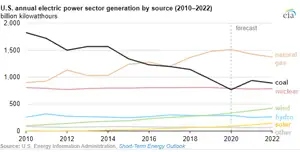
Annual U.S. coal-fired electricity generation will increase for the first time since 2014
U.S. coal-fired generation 2021 rose as higher natural gas prices, stable coal costs, and a…
View more

Canadian Manufacturers and Exporters Congratulates the Ontario Government for Taking Steps to Reduce Electricity Prices
Ontario Global Adjustment Deferral offers COVID-19 electricity bill relief to industrial and commercial consumers not…
View more
Sign Up for Electricity Forum’s Newsletter
Stay informed with our FREE Newsletter — get the latest news, breakthrough technologies, and expert insights, delivered straight to your inbox.
Electricity Today T&D Magazine Subscribe for FREE

Stay informed with the latest T&D policies and technologies.
- Timely insights from industry experts
- Practical solutions T&D engineers
- Free access to every issue
