HV Testing & Maintenance
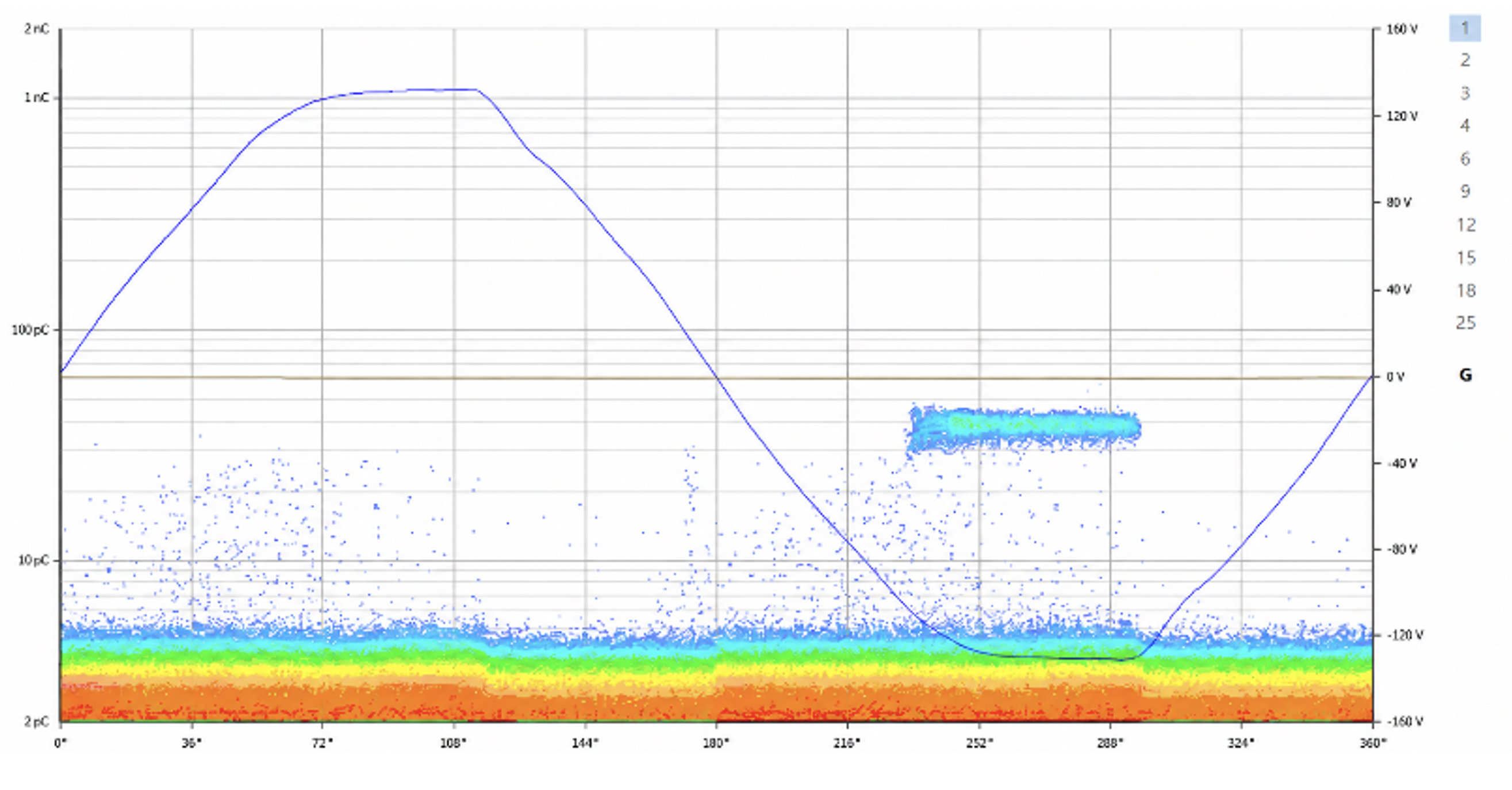
Partial Discharge Testing: Different Assets Require Different Approaches

Partial discharge (PD) can be an early indicator of insulation deterioration in electrical equipment, but PD testing isn't a single test with one standard setup. The equipment, sensors, test voltage, and measurement approach can vary significantly depending on the asset being evaluated. One of the first considerations is whether the measurement will be performed online or offline. Online PD testing is performed while equipment remains energized under normal operating conditions. This allows the insulation system to be evaluated while exposed to actual operating voltage and other service conditions. Offline testing requires removing the asset from service and energizing it with…
View more

Download Our FREE HV Testing & Maintenance Handbook
Electrical Maintenance Handbook, Vol. 10

Volume 10 of the Electrical Maintenance handbook series is an excellent source of information for proper testing techniques, maintenance tips and good work habits to ensure a safe workplace and minimize risk and liability. Such articles include the basics of impedance and return loss, line leakage testing, generator maintenance testing, tracking down random trips and problems, and understanding better how stray voltage affects multi-meter measurements.

In this edition, we delve into the latest innovations in predictive and condition-based maintenance, highlighting the role of real-time monitoring systems, smart sensors, and data analytics in enhancing maintenance programs. By focusing on proactive approaches, Volume 10 helps professionals move from reactive maintenance to more efficient, predictive strategies that minimize unplanned downtime, reduce maintenance costs, and extend the life of electrical equipment.

The handbook also covers key topics such as preventive maintenance for critical equipment (motors, transformers, switchgear, and more), fault detection, performance optimization, and energy efficiency measures. With a strong focus on practical applications, we provide step-by-step guidance for implementing effective maintenance routines, understanding emerging technologies, and addressing common challenges that arise in both industrial and commercial environments.

As electrical systems become more interconnected and sophisticated, this volume also examines the growing impact of automation, IoT, and artificial intelligence on maintenance practices. These technologies are revolutionizing the way electrical infrastructure is monitored, maintained, and optimized, providing exciting opportunities for professionals to enhance their maintenance strategies and improve overall system reliability.

Latest HV Testing & Maintenance Articles
Why Calibrate Test Equipment
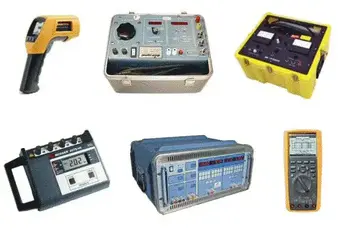
Calibrate test equipment to ensure accuracy, traceability, and compliance in electrical labs using ISO 17025 procedures, NIST standards, and metrology best practices for multimeters, oscilloscopes, power analyzers, and signal generators.   Principles of Calibrating Test Equipment You’re serious about your electrical test instruments. You buy top brands, and you expect them to be accurate. You know some people send their digital instruments to a metrology lab for calibration, and you wonder why. After all, these are all electronic — there’s no meter movement to go out of balance. What do those calibration folks do, anyhow — just change the battery?…
View more

Dielectric Voltage Withstand Test Explained
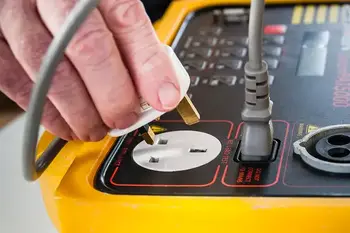
The Dielectric Voltage Withstand Test applies high voltage to verify insulation strength. It ensures transformers, wiring, and switchgear resist breakdown, helping prevent electrical hazards and confirming compliance with essential safety standards.   How the Dielectric Voltage Withstand Test Improves Electrical Safety The Dielectric Voltage Withstand Test is a critical safety procedure that every industrial electrician should be familiar with. This procedure, also known as a hipot test or high potential test, evaluates the effectiveness of electrical insulation in preventing potentially dangerous voltage breakdowns. By understanding the principles and applications of this procedure, industrial electricians can ensure the safety of electrical…
View more

Line Leakage Testing: Is It Right For Your Application
Line leakage testing evaluates unintended current paths under normal and single-fault conditions, ensuring electrical safety, touch current compliance, insulation integrity, and adherence to IEC 60990, IEC 60601, UL standards for equipment and medical devices.   The Importance of Line Leakage Testing in Electrical Safety The Line Leakage test (LLT for short) is most often specified to be performed as a type test in a design or engineering laboratory or as a routine production line test on medical devices right before they ship. Not as commonly performed as a Dielectric Withstand or Ground Bond test in a production environment, LLT can…
View more

Optimizing Distribution Reliability Through Recloser Testing
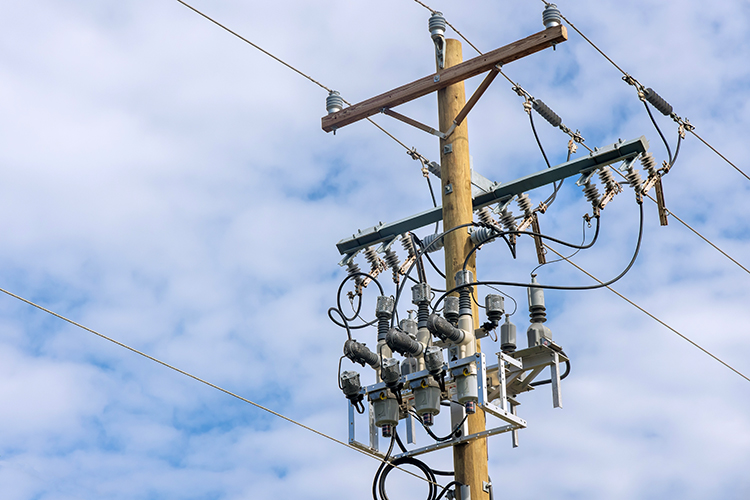
Reclosers play an important role in distribution system reliability by detecting fault conditions, interrupting current, and automatically restoring power when a fault is temporary. Modern recloser controls can include overcurrent protection, automatic reclosing, voltage and frequency protection, cold load pickup, sequence coordination, communications, and other functions. Because of these capabilities, testing a recloser involves much more than simply verifying that it opens and closes. A typical recloser system includes the interrupter or “upper,” current and voltage sensors, control cable, and controller. Testing should consider how these components work together to measure system conditions, apply the programmed protection logic, and issue…
View more

Dielectric Voltage Testing - Standard Methods
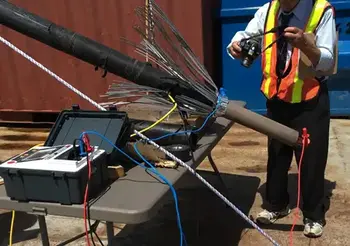
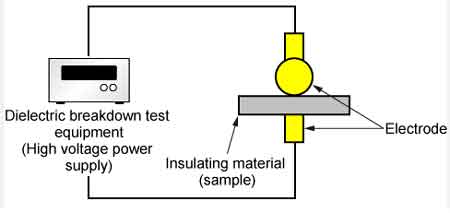
Dielectric voltage testing verifies insulation strength via hipot, withstand voltage, and leakage current limits, ensuring electrical safety, IEC/IEEE compliance, and quality assurance across power systems, switchgear, transformers, cables, and consumer electronics.   How Dielectric Voltage Testing Works There are two standard methods from ASTM International: D877, Standard Test Method for Dielectric Breakdown Voltage of Insulating Liquids Using Disk Electrodes, and D1816, Standard Test Method for Dielectric Breakdown Voltage of Insulating Oils of Petroleum Origin Using VDE Electrodes.VDE stands for Verband Deutscher Elektrotechniker—the Association for Electrical, Electronic, and Information Technologies— a German standards organization similar in function to the Institute of…
View more

Insulation Resistance Explained

Insulation resistance indicates how effectively insulation prevents current leakage, thereby supporting electrical safety and reliability. Testing measures dielectric strength, detects moisture and aging, and guides maintenance to avoid faults while extending equipment life.   Quick Reference: Insulation Resistance Explained The Insulation Resistance (IR) test, often referred to as the Megger test, is over 100 years old and is considered a straightforward test. During my 15 years of inspection and testing work in Canada, the US, and internationally, I have observed various practices for performing and interpreting IR tests. Understanding dielectric voltage testing is essential when evaluating insulation resistance because it…
View more
Read All HV Testing & Maintenance Articles

Download the 2026 Electrical Training Catalog

Explore 50+ live, expert-led electrical training courses –

  • Interactive
  • Flexible
  • CEU-cerified