NFPA 70B Training - 2026 Edition - Electrical Maintenance Program Compliance
Our customized live online or in‑person group training can be delivered to your staff at your location.

- Live Online
- 12 hours Instructor-led
- Group Training Available
Regular Price:
$699
Coupon Price:
$599
Customers in most of Pennsylvania could see their electricity bills go up slightly next year if state regulators approve
$142 million in rate increases requested by the state's electric utilities.
The companies have asked the Public Utility Commission to approve the rate increases to cover the cost of a tax surcharge the utilities will have to pay in 2002.
Allegheny Energy, formerly West Penn Power, has asked the PUC to approve a $17.8 million rate increase for its 690,000 customers in Pennsylvania. Allen Staggers, a company spokesman, said that if the rate increase is approved it would mean an increase of $1.13 a month for customers who use 1,000 kilowatts of electricity a month.
Duquesne Light Co. wants the PUC to approve a $14 million rate increase for its 500,000 customers. Duquesne spokesman John Laudenslager said the rate increase will boost the average residential customer's bill by about $1.19 a month.
However, Duquesne Light has asked that the charge not go into effect until March.
At that time, Duquesne Light will no longer collect from customers a surcharge to cover so-called stranded costs -- largely unrecoverable energy investments made prior to electricity deregulation.
The net effect of the proposed tax surcharge and the elimination of the charge for stranded costs will save the average residential customer about $11.10 a month, Laudenslager said.
As part of Pennsylvania's electric deregulation plan, the rates that electric utilities charge are capped by the PUC. The rate caps have helped spare Pennsylvanians from the soaring prices seen earlier this year in California.
However, Pennsylvania's electric deregulation law, approved in 1996, does permit utilities to pass tax increases on to consumers.
When the Legislature debated electric deregulation, some lawmakers said they were concerned that restructuring of the industry could lead to a drop in the amount of taxes the utilities pay.
They wanted to assure that this steady stream of income would remain.
The law provides that, if the taxes utilities pay drop below what they paid in fiscal year 1995, the state Department of Revenue can impose a surcharge on the utilities to make up the difference.
Related News

Wyoming wind boost for US utility
Black Hills Energy Corriedale Wind Farm Expansion earns regulatory approval in Wyoming, boosting capacity to…
View more

India's Solar Growth Slows with Surge in Coal Generation
India Solar Slowdown and Coal Surge highlights policy uncertainty, grid stability concerns, financing gaps, and…
View more
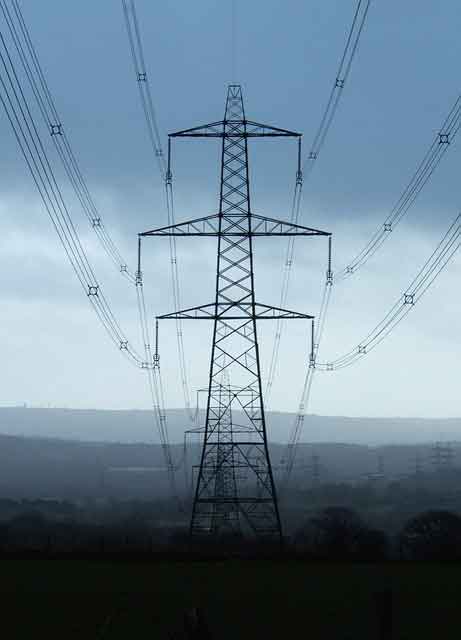
IAEA Warns of Nuclear Risks from Russian Attacks on Ukraine Power Grids
Ukraine nuclear safety risks escalate as IAEA warns of power grid attacks threatening reactor cooling,…
View more
Hydro One launches Ultra-Low Overnight Electricity Price Plan
Ultra-Low Overnight Price Plan delivers flexible electricity pricing from Hydro One and the Ontario Energy…
View more

Alberta creates fund to help communities hit by coal phase-out
Alberta Coal Community Transition Fund backs renewables, natural gas, and economic diversification, offering grants, workforce…
View more
Russian Missiles and Drones Target Kyiv's Power Grid in Five-Hour Assault
Assault on Kyiv's Power Grid intensifies as missiles and drones strike critical energy infrastructure. Ukraine's…
View more
Sign Up for Electricity Forum’s Newsletter
Stay informed with our FREE Newsletter — get the latest news, breakthrough technologies, and expert insights, delivered straight to your inbox.
Electricity Today T&D Magazine Subscribe for FREE

Stay informed with the latest T&D policies and technologies.
- Timely insights from industry experts
- Practical solutions T&D engineers
- Free access to every issue

