EPRI joins Ford-SCE analysis of plug-in hybrids on grid

By Business Wire


High Voltage Maintenance Training Online

Our customized live online or in‑person group training can be delivered to your staff at your location.

  • Live Online
  • 12 hours Instructor-led
  • Group Training Available
Regular Price:
$599
Coupon Price:
$499
Reserve Your Seat Today
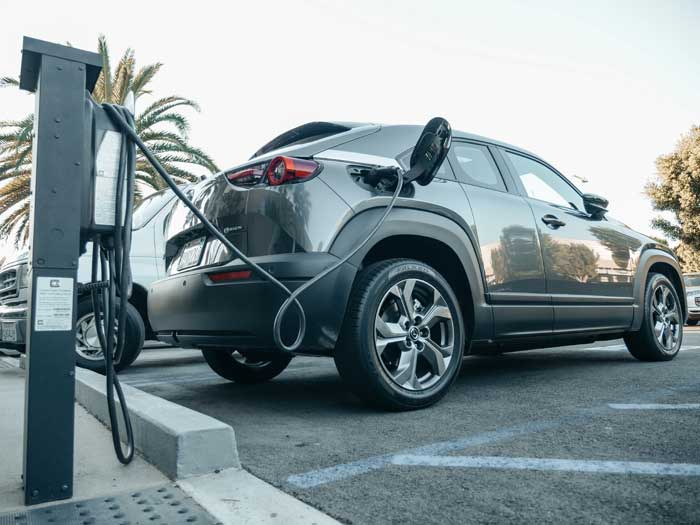
The Electric Power Research Institute (EPRI) and Ford Motor Company announced a three-year agreement to develop and evaluate technical approaches for integrating plug-in hybrid electric vehicles (PHEVs) into the nationÂ’s electric grid system, a key requirement to facilitate widespread adoption of the vehicles.

EPRI will form a collaborative of utilities in the New York-New Jersey area that will test Ford Escape PHEVs. Subsequent trials will be conducted with customers of the participating utilities.

Ford, which is also working with Southern California Edison (SCE), is the first automotive manufacturer to partner with the utility industry to facilitate advancing PHEVs. The new EPRI-Ford program will build on the ongoing Ford-SCE partnership and help determine regional differences in how the operation of PHEVs will impact the electric grid system.

“This partnership represents a concerted effort by the transportation and electric sectors to work together in advancing PHEV technology,” said Mark Duvall, EPRI’s program manager for Electric Transportation. “This effort should accelerate the pace of PHEV development while enabling the utility industry to prepare for the introduction of these vehicles.”

Ford has designed and is building 20 Escape PHEVs for testing in the Los Angeles area under the Ford-SCE partnership. With this new EPRI-Ford agreement, Ford is able to expand the evaluation and demonstration program to include other utilities.

“EPRI brings our collaborative efforts related to the potential of plug-in electric vehicle technology to a new level,” said Nancy Gioia, director of Sustainable Mobility Technologies at Ford. “PHEVs have great promise, but still face significant obstacles to commercialization, including battery costs and charging strategies. Ultimately such vehicles must provide real value to consumers.”

The evaluation and demonstration trials should provide solid technical information on PHEVs that will enable the development of common standards among utilities to accommodate the vehicles. “Expanding on the work Ford and SCE are doing can help move the automotive and utility industries closer in addressing the challenges of our transportation future,” said Ed Kjaer, director of Electric Transportation at SCE.

PHEVs are part of a family of electric-drive technologies that could play an important role in achieving national objectives of energy security and a reduction of greenhouse gas emissions. They could also lower fuel costs and lead to more cost-effective use of the nationÂ’s electricity grid, particularly during off-peak hours.

EPRI, Ford and SCEÂ’s research and analysis on the Ford PHEVs will include data from four primary areas: battery technology, vehicle systems, customer usage, and grid infrastructure. The analysis will also explore possible stationary and secondary usages for advanced batteries.

Related News
Tesla Expands Charging Network in NYC

Tesla NYC Supercharger Expansion adds rapid EV charging across Manhattan, Brooklyn, and Queens, strengthening infrastructure, easing range anxiety, and advancing New York City sustainability goals with fast chargers at strategic commercial and residential-adjacent locations.


Key Points

Tesla's plan to add rapid EV charging across NYC, boosting access, easing range anxiety, and advancing climate targets.

✅ New Superchargers in Manhattan, Brooklyn, and Queens

✅ Faster charging to cut downtime and range anxiety

✅ Partnerships with businesses to expand public access


In a significant move to enhance the EV charging infrastructure across the city, Tesla has announced plans to expand its network of charging stations throughout New York City. This investment is set to bolster the availability of charging options, making it more convenient for EV owners while encouraging more residents to consider electric vehicles as a viable alternative to traditional gasoline-powered cars.

The Growing Need for Charging Infrastructure

As the demand for electric vehicles continues to rise amid the American EV boom across the country, the need for a robust charging infrastructure has become increasingly critical. With New York City setting ambitious goals to reduce greenhouse gas emissions, the expansion of EVs is seen as a crucial component of its sustainability strategy. Currently, the city aims to have 50% of all vehicles electrified by 2030, a target that necessitates a significant increase in charging stations.

Tesla’s initiative to install more charging points in NYC aligns perfectly with these goals and reflects how charging networks are competing nationwide to expand access, drawing more drivers to consider electric vehicles. By enhancing the charging network, Tesla is not only catering to its existing customers but also appealing to potential EV buyers who may have previously hesitated due to range anxiety or limited charging options.

A Look at the Expansion Plans

The details of Tesla's expansion include adding several new Supercharger stations across key locations in Manhattan, Brooklyn, and Queens, as US automakers move to build 30,000 public chargers nationwide to boost coverage. These stations will be strategically placed to ensure maximum accessibility, especially in densely populated areas where residents may not have easy access to home charging.

Tesla’s Superchargers are known for their rapid charging capabilities, allowing EV drivers to recharge their vehicles in a fraction of the time it would take at a standard charging station. This efficiency will be particularly beneficial in a bustling urban environment like NYC, where convenience and time are of the essence.

Moreover, Tesla is also exploring partnerships with local businesses and property owners to install charging stations at commercial locations. This initiative would not only create more charging opportunities but also encourage businesses to attract EV-driving customers, further promoting electric vehicle adoption.

Impact on EV Adoption in NYC

The expansion of Tesla's charging network is expected to have a positive ripple effect on the adoption of electric vehicles in New York City. With more charging stations available, potential buyers will feel more confident in making the switch to electric. The convenience of accessible charging can significantly reduce range anxiety, a common concern among potential EV buyers.

Additionally, this expansion will likely encourage other automakers to invest in charging infrastructure, as utilities pursue a bullish course on charging to support deployment, leading to a more interconnected network of charging options across the city. As more drivers embrace electric vehicles, the demand for charging will continue to grow, a trend that will test state power grids in the coming years, further solidifying the need for a comprehensive and reliable infrastructure.

Supporting Sustainable Initiatives

Tesla's investment in NYC's charging infrastructure is also part of a broader commitment to sustainability. As cities grapple with the challenges of climate change and air pollution, transitioning to electric vehicles is seen as a vital strategy for reducing emissions. Electric vehicles produce zero tailpipe emissions, which contributes to cleaner air and a healthier urban environment.

Moreover, with the increasing push towards renewable energy sources, the integration of electric vehicles into the city’s transportation system can help reduce reliance on fossil fuels, with energy storage and mobile charging adding flexibility to support the grid. As more charging stations utilize renewable energy, the overall carbon footprint of electric vehicles will continue to decrease, aligning with New York City's climate goals.

Looking Ahead

As Tesla moves forward with its expansion plans in New York City, the implications for both the automotive industry and urban sustainability are profound. By enhancing the charging infrastructure, Tesla is not only facilitating the growth of electric vehicles but also playing a crucial role in the city’s efforts to combat climate change.


Related News

View more

'That can keep you up at night': Lessons for Canada from Europe's power crisis

Canada Net-Zero Grid Lessons highlight Europe's energy transition risks: Germany's power prices, wind and solar variability, nuclear phaseout, grid reliability, storage, market design, policy reforms, and distributed energy resources for resilient decarbonization.


Key Points

Lessons stress an all-of-the-above mix, robust market design, storage, and nuclear to ensure reliability, affordability.

✅ Diversify: nuclear, hydro, wind, solar, storage for reliability.

✅ Reform markets and grid planning for integration and flexibility.

✅ Build fast: streamline permitting, invest in transmission and DERs.


Europe is currently suffering the consequences of an uncoordinated rush to carbon-free electricity that experts warn could hit Canada as well unless urgent action is taken.

Power prices in Germany, for example, hit a record 91 euros ($135 CAD) per megawatt-hour earlier this month. That is more than triple what electricity costs in Ontario, where greening the grid could require massive investment, even during periods of peak demand.

Experts blame the price spikes in large part on a chaotic transition to a specific set of renewable electricity sources - wind and solar - at the expense of other carbon-free supplies such as nuclear power. Germany, Europe’s largest economy, plans to close its last remaining nuclear power plant next year despite warnings that renewables are not being added to the German grid quickly enough to replace that lost supply.

As Canada prepares to transition its own electricity grid to 100 per cent net-zero supplies by 2035, with provinces like Ontario planning new wind and solar procurement, experts say the European power crisis offers lessons this country must heed in order to avoid a similar fate.

'A CAUTIONARY TALE'
“Some countries have rushed their transition without thinking about what people need and when they need it,” said Chris Bentley, managing director of Ryerson University’s Legal Innovation Zone who also served as Ontario’s Minister of Energy from 2011 to 2013, in an interview. “Germany has experienced a little bit of this issue recently when the wind wasn’t blowing.”

Wind power usually provides between 20 and 30 per cent of Germany’s electricity needs, but the below-average breeze across much of continental Europe in recent months has pushed that figure down.

“There is a cautionary tale from the experience in Europe,” said Francis Bradley, chief executive officer of the Canadian Electricity Association, in an interview. “There was also a cautionary tale from what took place this past winter in Texas,” he added, referring to widespread power failures in Texas spawned by a lack of backup power supplies during an unusually cold winter that led to many deaths.

The first lesson Canada must learn from those cautionary tales, Bradley said, “is the need to pursue an all-of-the-above approach.”

“It is absolutely essential that every opportunity and every potential technology for low-carbon or no-carbon electricity needs to be pursued and needs to be pursued to the fullest,” he said.

The more important lesson for Canada, according to Binnu Jeyakumar, is about the need for a more holistic, nuanced approach to our own net-zero transition.

“It is very easy to have runaway narratives that just pinpoint the blame on one or two issues, but the lesson here isn’t really about the reliability of renewables as there are failures that occur across all sources of electricity supply,” said Jeyakumar, director of clean energy for the Pembina Institute, in an interview. 

“The takeaway for us is that we need to get better at learning how to integrate an increasingly diverse electricity grid,” she said. “It is not necessarily the technologies themselves, it is about how we do grid planning, how are our markets structured and are we adapting them to the trends that are evolving in the electricity and energy sectors.”
 

'ABSOLUTELY ENORMOUS' CHALLENGE IS 'ALMOST MIND-BENDING'
Canada already gets the vast majority of its electricity from emission-free sources. Hydro provides roughly 60 per cent of our power, nuclear contributes another 15 per cent and renewables such as wind and solar contribute roughly seven per cent more, according to federal government data.

Tempting as it might be to view the remaining 18 per cent of Canadian electricity that is supplied by oil, natural gas and coal as a small enough proportion that it should be relatively easy to replace, with some analyses warning that scrapping coal abruptly can be costly for consumers, the reality is much more difficult.

“It is the law of diminishing returns or the 80-20 rule where the first 80 per cent is easy but the last 20 per cent is hard,” Bradley explained. “We already have an electricity sector that is 80 per cent GHG-free, so getting rid of that last 20 per cent is the really difficult part because the low-hanging fruit has already been picked.”

Key to successfully decarbonizing Canada’s power grid will be the recognition that electricity demand is constantly growing, a point reinforced by a recent power challenges report that underscores the scale. That means Canada needs to build out enough emission-free power sources to replace existing fossil fuel-based supplies while also ensuring adequate supplies for future demand.


“It is one thing to say that by 2035 we are going to have a decarbonized electricity system, but the challenge really is the amount of additional electricity that we are going to need between now and 2035,” said John Gorman, chief executive officer of the Canadian Nuclear Association, which has argued that nuclear is key to climate goals in Canada, and former CEO of the Canadian Solar Industries Association, in an interview. “It is absolutely enormous, I mean, it is almost mind-bending.”

Canada will need to triple the amount of electricity produced nationwide by 2050, according to a report from SNC-Lavalin published earlier this year, and provinces such as Ontario face a shortfall over the next few years, Gorman said. Gorman said that will require adding between five and seven gigawatts of new installed capacity to Canada’s electricity grid every year from 2021 through 2050 or more than twice the amount of new power supply Canada brings online annually right now.

For perspective, consider Ontario’s Bruce Power nuclear facility. It took 27 years to bring that plant to its current 6.4 gigawatt (GW) capacity, but meeting Canada’s decarbonization goals will require adding roughly the equivalent capacity of Bruce Power every year for the next three decades.

“The task of creating enough electricity in the coming years is truly enormous and governments have not really wrapped their heads around that yet,” Gorman said. “For those of us in the energy sector, it is the type of thing that can keep you up at night.”

GOVERNMENT POLICY 'HELD HOSTAGE' BY 'DINOSAURS'
The Pembina Institute’s Jeyakumar agreed “the last mile is often the most difficult” and will require “a concerted effort both at the federal level and the provincial level.”

Governments will “need to be able to support innovation and solutions such as non-wires alternatives,” she said. “Instead of building a massive new transmission line or beefing up an old one, you could put a storage facility at the end of an existing line. Distributed energy resources provide those kinds of non-wires alternatives and they are already cost-effective and competitive with oil and gas.”

For Glen Murray, who served as Ontario’s minister of infrastructure and transportation from early 2013 to mid-2014 before assuming the environment and climate change portfolio until his resignation in mid-2017, that is a key lesson governments have yet to learn.

“We are moving away from a centralized distribution model to distributed systems where individual buildings and homes and communities will supply their own electricity needs,” said Murray, who currently works for an urban planning software company in Winnipeg, in an interview. “Yet both the federal and provincial governments are assuming that we are going to continue to have large, centralized generation of power, but that is simply not going to be the case.”

“Government policy is not focused on driving that because they are held hostage by their own hydro utilities and the big gas companies,” Murray said. “They are controlling the agenda even though they are the dinosaurs.”

Referencing the SNC-Lavalin report, Gorman noted as many as 45 small, modular nuclear reactors as well as 20 conventional nuclear power plants will be required in the coming decades, with jurisdictions like Ontario exploring new large-scale nuclear as part of that mix: “And that is in the context of also maximizing all the other emission-free electricity sources we have available as well from wind to solar to hydro and marine renewables,” Gorman said, echoing the “all-of-the-above” mindset of the Canadian Electricity Association.

There are, however, “fundamental rules of the market and the regulatory system that make it an uneven playing field for these new technologies to compete,” said Jeyakumar, agreeing with Murray’s concerns. “These are all solvable problems but we need to work on them now.”
 

'2035 IS TOMORROW'
According to Bentley, the former Ontario energy minister-turned academic, “the government's role is to match the aspiration with the means to achieve that aspiration.”

“We have spent far more time as governments talking about the goals and the high-level promises [of a net-zero electricity grid by 2035] without spending as much time as we need to in order to recognize what a massive transformation this will mean,” Bentley said. “It is easy to talk about the end-goal, but how do you get there?”

The Canadian Electricity Assocation’s Bradley agreed “there are still a lot of outstanding questions about how we are going to turn those aspirations into actual policies. The 2035 goal is going to be very difficult to achieve in the absence of seeing exactly what the policies are that are going to move us in that direction.”

“It can take a decade to go through the processes of consultations and planning and then building and getting online,” Bradley said. “Particularly when you’re talking about big electricity projects, 2035 is tomorrow.”

Jeyakumar said “we cannot afford to wait any longer” for policies to be put in place as the decisions governments make today “will then lock us in for the next 30 or 40 years into specific technologies.”

“We need to consider it like saving for retirement,” said Gorman of the Canadian Nuclear Association. “Every year that you don’t contribute to your retirement savings just pushes your retirement one more year into the future.”


Related News

View more

Power Outages to Mitigate Wildfire Risks

Colorado Wildfire Power Shutoffs reduce ignition risk through PSPS, grid safety protocols, data-driven forecasts, and emergency coordination, protecting communities, natural resources, and infrastructure during extreme fire weather fueled by drought and climate change.


Key Points

Planned PSPS outages cut power in high-risk areas to prevent ignitions, protect residents, and boost wildfire resilience.

✅ PSPS triggered by forecasts, fuel moisture, and fire danger indices.

✅ Utilities coordinate alerts, timelines, and critical facility support.

✅ Paired with forest management, education, and rapid response.


Colorado, known for its stunning landscapes and outdoor recreation, has implemented proactive measures to reduce the risk of wildfires by strategically shutting off power in high-risk areas, similar to PG&E wildfire shutoffs implemented in California during extreme conditions. This approach, while disruptive, aims to safeguard communities, protect natural resources, and mitigate the devastating impacts of wildfires that have become increasingly prevalent in the region.

The decision to initiate power outages as a preventative measure against wildfires underscores Colorado's commitment to proactive fire management and public safety, aligning with utility disaster planning practices that strengthen grid readiness. With climate change contributing to hotter and drier conditions, the state faces heightened wildfire risks, necessitating innovative strategies to minimize ignition sources and limit fire spread.

Utility companies, in collaboration with state and local authorities, identify areas at high risk of wildfire based on factors such as weather forecasts, fuel moisture levels, and historical fire data. When conditions reach critical thresholds, planned power outages, also known as Public Safety Power Shutoffs (PSPS), are implemented to reduce the likelihood of electrical equipment sparking wildfires during periods of extreme fire danger, particularly during windstorm-driven outages that elevate ignition risks.

While power outages are a necessary precautionary measure, they can pose challenges for residents, businesses, and essential services that rely on uninterrupted electricity, as seen when a North Seattle outage affected thousands last year. To mitigate disruptions, utility companies communicate outage schedules in advance, provide updates during outages, and coordinate with emergency services to ensure the safety and well-being of affected communities.

The implementation of PSPS is part of a broader strategy to enhance wildfire resilience in Colorado. In addition to reducing ignition risks from power lines, the state invests in forest management practices, wildfire prevention education, and emergency response capabilities, including continuity planning seen in the U.S. grid COVID-19 response, to prepare for and respond to wildfires effectively.

Furthermore, Colorado's approach to wildfire prevention highlights the importance of community preparedness and collaboration, and utilities across the region adopt measures like FortisAlberta precautions to sustain critical services during emergencies. Residents are encouraged to create defensible space around their properties, develop emergency evacuation plans, and stay informed about wildfire risks and response protocols. Community engagement plays a crucial role in building resilience and fostering a collective effort to protect lives, property, and natural habitats from wildfires.

The effectiveness of Colorado's proactive measures in mitigating wildfire risks relies on a balanced approach that considers both short-term safety measures and long-term fire prevention strategies. By integrating technology, data-driven decision-making, and community partnerships, the state aims to reduce the frequency and severity of wildfires while enhancing overall resilience to wildfire impacts.

Looking ahead, Colorado continues to refine its wildfire management practices in response to evolving environmental conditions and community needs, drawing on examples of localized readiness such as PG&E winter storm preparation to inform response planning. This includes ongoing investments in fire detection and monitoring systems, research into fire behavior and prevention strategies, and collaboration with neighboring states and federal agencies to coordinate wildfire response efforts.

In conclusion, Colorado's decision to implement power outages as a preventative measure against wildfires demonstrates proactive leadership in wildfire risk reduction and public safety. By prioritizing early intervention and community engagement, the state strives to safeguard vulnerable areas, minimize the impact of wildfires, and foster resilience in the face of increasing wildfire threats. As Colorado continues to innovate and adapt its wildfire management strategies, its efforts serve as a model for other regions grappling with the challenges posed by climate change and wildfire risks.


Related News

View more

Manchin Calls For Stronger U.S. Canada Energy And Mineral Partnership

U.S.-Canada Energy and Minerals Partnership strengthens energy security, critical minerals supply chains, and climate objectives with clean oil and gas, EV batteries, methane reductions, cross-border grid reliability, and allied trade, countering Russia and China dependencies.


Key Points

A North American alliance to secure energy, refine critical minerals, cut emissions, and fortify supply chains.

✅ Integrates oil, gas, and electricity trade for reliability

✅ Builds EV battery and critical minerals processing capacity

✅ Reduces methane, diversifies away from Russia and China


Today, U.S. Senator Joe Manchin (D-WV), Chairman of the Senate Energy and Natural Resources Committee, delivered the following remarks during a full committee hearing to examine ways to strengthen the energy and mineral partnership between the U.S. and Canada to address energy security and climate objectives.

The hearing also featured testimony from the Honorable Jason Kenney (Premier, Alberta, Canada), the Honorable Nathalie Camden (Associate Deputy Minister of Mines, Ministry of Energy and Natural Resource, Québec, Canada), the Honorable Jonathan Wilkinson (Minister, Natural Resources Canada) and Mr. Francis Bradley (President and CEO, Electricity Canada). Click here to read their testimony.

Chairman Manchin’s remarks can be viewed as prepared here or read below:

Today we’re welcoming our friends from the North, from Canada, to continue this committee’s very important conversation about how we pursue two critical goals – ensuring energy security and addressing climate change.

These two goals aren’t mutually exclusive, and it’s imperative that we address both.

We all agree that Putin has used Russia’s oil and gas resources as a weapon to inflict terrible pain on the Ukrainian people and on Europe.

And other energy-rich autocracies are taking note. We’d be fools to think Xi Jinping won’t consider using a similar playbook, leveraging China’s control over global critical minerals supply chains.

But Putin’s aggression is bringing the free world closer together, setting the stage for a new alliance around energy, minerals, and climate.
Building this alliance should start here in North America. And that’s why I’m excited to hear today about how we can strengthen the energy and minerals partnership between the U.S. and Canada.

I recently had the privilege of being hosted in Alberta by Premier Kenney, where I spent two days getting a better understanding of our energy, minerals, and manufacturing partnership through meetings with representatives from Alberta, Saskatchewan, the Northwest Territories, the federal government, and tribal and industry partners.

Canadians and Americans share a deep history and are natural partners, sharing the longest land border on the planet.

Our people fought side-by-side in two world wars. In fact, some of the uranium used by the Manhattan Project and broader nuclear innovation was mined in Canada’s Northwest Territories and refined in Ontario.

We have cultivated a strong manufacturing partnership, particularly in the automotive industry, with Canada today being our biggest export market for vehicles. Cars assembled in Canada contain, on average, more than 50% of U.S. value and parts.

Today we also trade over 58 terawatt hours of electricity, including green power from Canada across the border, 2.4 billion barrels of petroleum products, and 3.6 trillion cubic feet of natural gas each year.

In fact, energy alone represents $120 billion of the annual trade between our countries. Across all sectors the U.S. and Canada trade more than $2 billion per day.
There is no better symbol of our energy relationship than our interconnected power grid and evolving clean grids that are seamless and integral for the reliable and affordable electricity citizens and industries in both our countries depend on.

And we’re here for each other during times of need. Electricity workers from both the U.S. and Canada regularly cross the border after extreme weather events to help get the power back on.

Canada has ramped up oil exports to the U.S. to offset Russian crude after members of our committee led legislation to cut off the energy purchases fueling Putin’s war machine.

Canada is also a leading supplier of uranium and critical minerals to the U.S., including those used in advanced batteries—such as cobalt, graphite, and nickel.
The U.S-Canada energy partnership is strong, but also not without its challenges, including tariff threats that affect projects on both sides. I’ve not been shy in expressing my frustration that the Biden administration cancelled the Keystone XL pipeline.

In light of Putin’s war in Ukraine and the global energy price surge, I think a lot of us wish that project had moved forward.

But to be clear, I’m not holding this hearing to re-litigate the past. We are here to advance a stronger and cleaner U.S.-Canada energy partnership for the future.
Our allies and trading partners in Europe are begging for North American oil and gas to offset their reliance on Russia.

There is no reason whatsoever we shouldn’t be able to fill that void, and do it cleaner than the alternatives.

That’s because American oil and gas is cleaner than what is produced in Russia – and certainly in Iran and Venezuela. We can do better, and learn from our Canadian neighbors.

On average, Canada produces oil with 37% lower methane emissions than the U.S., and the Canadian federal government has set even more aggressive methane reduction targets.

That’s what I mean by climate and security not being mutually exclusive – replacing Russian product has the added benefit of reducing the emissions profile of the energy Europe needs today.

According to the International Energy Agency, stationary and electric vehicle batteries will account for about half of the mineral demand growth from clean energy technologies over the next twenty years.

Unfortunately, China controls 80% of the world’s battery material processing, 60% of the world’s cathode production, 80% of the world’s anode production, and 75% of the world’s lithium ion battery cell production. They’ve cornered the market.

I also strongly believe we need to be taking national energy security into account as we invest in climate solutions.

It makes no sense whatsoever for us to so heavily invest in electric vehicles as a climate solution when that means increasing our reliance on China, because right now we’re not simultaneously increasing our mining, processing, and recycling capacity at the same rate in the United States.

The Canadians are ahead of us on critical minerals refining and processing, and we have much to learn from them about how they’re able to responsibly permit these activities in timelines that blow ours out of the water.

I’m sure our Canadian friends are happy to export minerals to us, but let me be clear, the United States also needs to contribute our part to a North American minerals alliance.

So I’m interested in discussing how we can create an integrated network for raw minerals to move across our borders for processing and manufacturing in both of our countries, and how B.C. critical minerals decisions may affect that.

I believe there is much we can collaborate on with Canada to create a powerful North American critical minerals supply chain instead of increasing China’s geopolitical leverage.

During this time when the U.S., Canada, and our allies and friends are threatened both by dictators weaponizing energy and by intense politicization over climate issues, we must work together to chart a responsible path forward that will ensure security and unlock prosperity for our nations.

We are the superpower of the world, and blessed with abundant energy and minerals resources. We cannot just sit back and let other countries fill the void and find ourselves in a more dire situation in the years ahead.

We must be leaning into the responsible production of all the energy sources we’re going to need, and strengthening strategic partnerships – building a North American Energy Alliance.


Related News

View more

How Should California Wind Down Its Fossil Fuel Industry?

California Managed Decline of Fossil Fuels aligns oil phaseout with carbon neutrality, leveraging ZEV adoption, solar and wind growth, severance taxes, drilling setbacks, fracking oversight, CARB rules, and CalGEM regulation to deliver a just transition.


Key Points

California's strategy to phase out oil and gas while meeting carbon-neutral goals through policy, regulation, and equity.

✅ Severance taxes fund clean energy and workforce transition.

✅ Setbacks restrict drilling near schools, homes, and hospitals.

✅ CARB and CalGEM tighten fracking oversight and ZEV targets.


California’s energy past is on a collision course with its future. Think of major oil-producing U.S. states, and Texas, Alaska or North Dakota probably come to mind. Although its position relative to other states has been falling for 20 years, California remains the seventh-largest oil-producing state, with 162 million barrels of crude coming up in 2018, translating to tax revenue and jobs.

At the same time, California leads the nation in solar rooftops and electric vehicles on the road by a wide margin and ranking fifth in installed wind capacity. Clean energy is the state’s future, and the state is increasingly exporting its energy policies across the West, influencing regional markets. By law, California must have 100 percent carbon-free electricity by 2045, and an executive order signed by former Governor Jerry Brown calls for economywide carbon-neutrality by the same year.

So how can the state reconcile its divergent energy path? How should clean-energy-minded lawmakers wind down California’s oil and gas sector in a way that aligns with the state’s long-term climate targets while providing a just transition for the industry’s workforce?

Any efforts to reduce fossil fuel supply must run parallel to aggressive demand-reduction measures such as California’s push to have 5 million zero-emission vehicles on the road by 2030, said Ethan Elkind, director of Berkeley Law's climate program, especially amid debates over keeping the lights on without fossil fuels in the near term. After all, if oil demand in California remains strong, crude from outside the state will simply fill the void.

“If we don’t stop using it, then that supply is going to get here, even if it’s not produced in-state,” Elkind said in an interview.

Lawmakers have a number of options for policies that would draw down and eventually phase out fossil fuel production in California, according to a new report from the Center for Law, Energy and the Environment at the UC Berkeley School of Law, co-authored by Elkind and Ted Lamm.

They could impose a higher price on California's oil production through a "severance" tax or carbon-based fee, with the revenue directed to measures that wean the state from fossil fuels. (California, alone among major oil-producing states, does not have an oil severance tax.)

Lawmakers could establish a minimum drilling setback from schools, playgrounds, homes and other sensitive sites. They could push the state's oil and gas regulator, the California Geologic Energy Management Division, to prioritize environmental and climate concerns.

A major factor holding lawmakers back is, of course, politics, including debates over blackouts and climate policy that shape public perception. Given the state’s clean-energy ambitions, it might surprise non-Californians that the oil and gas industry is one of the Golden State’s most powerful special interest groups.

Overcoming a "third-rail issue" in California politics
The Western States Petroleum Association, the sector’s trade group in California's capital of Sacramento, spent $8.8 million lobbying state policymakers in 2019, more than any other interest group. Over the last five years, the group, which cultivates both Democratic and Republican lawmakers, has spent $43.3 million on lobbying, nearly double the total of the second-largest lobbying spender.

Despite former Governor Brown’s reputation as a climate champion, critics say he was unwilling to forcefully take on the oil and gas industry. However, things may take a different turn under Brown's successor, Governor Gavin Newsom.

In May 2019, when Newsom released California's midyear budget revision (PDF), the governor's office noted the need for "careful study and planning to decrease demand and supply of fossil fuels, while managing the decline in a way that is economically responsible and sustainable.”

Related reliability concerns surfaced as blackouts revealed lapses in power supply across the state.

Writing for the advocacy organization Oil Change International, David Turnbull observed, “This may mark the first time that a sitting governor in California has recognized the need to embark upon a managed decline of fossil fuel supply in the state.”

“It is significant because typically this is one of those third-rail issues, kind of a hot potato that governors don’t even want to touch at all — including Jerry Brown, to a large extent, who really focused much more on the demand side of fuel consumption in the state,” said Berkeley Law’s Elkind.

California's revised budget included $1.5 million for a Transition to a Carbon-Neutral Economy report, which is being prepared by University of California researchers for the California Environmental Protection Agency. In an email, a CalEPA spokesperson said the report is due by the end of this year.

Winding down oil and gas production
Since the release of the revised budget last May, Newsom has taken initial steps to increase oversight of the oil and gas industry. In July 2019, he fired the state’s top oil and gas regulator for issuing too many permits to hydraulically fracture, or frack, wells.

Later in the year, he appointed new leadership to oversee oil and gas regulation in the state, and he signed a package of bills that placed constraints on fossil fuel production. The next month, Newsom halted the approval of new fracking operations until pending permits could be reviewed by a panel of scientists at Lawrence Livermore National Laboratory. The California Geologic Energy Management Division (CalGEM) did not resume issuing fracking permit approvals until April of this year.

Not all steps have been in the same direction. This month Newsom dropped a proposal to add dozens of analysts, engineers and geologists at CalGEM, citing COVID-related economic pressure. The move would have increased regulatory oversight on fossil fuel producers and was opposed by the state's oil industry.

Ultimately, more durable measures to wind down fossil fuel supply and demand will require new legislation, even as regulators weigh whether the state needs more power plants to maintain reliability.

A 2019 bill by Assemblymember Al Muratsuchi (D-Torrance), AB 345, would have codified the minimum 2,500-foot setback for new oil and gas wells. However, before the final vote in the Assembly, the bill’s buffer requirement was dropped and replaced with a requirement for CalGEM “to consider a setback distance of 2,500 feet.” The bill passed the Assembly in January over "no" votes from several moderate Democrats; it now awaits action in the Senate.

A bill previously introduced by Assemblymember Phil Ting (D-San Francisco), AB 1745, didn’t even make it that far. Ting’s bill would have required that all new passenger cars registered in the state after January 1, 2040, be zero-emission vehicles (ZEV). The bill died in committee without a vote in April 2018.

But the backing of the California Air Resources Board (CARB), one of the world's most powerful air-quality regulators, could change the political conversation. In March, CARB chair Mary Nichols said she now supports consideration of California establishing a 100 percent zero-emission vehicle sales target by 2030, as policymakers also consider a revamp of electricity rates to clean the grid.

“In the past, I’ve been skeptical about whether that would do more harm than good in terms of the backlash by dealers and others against something that sounded so un-California like,” Nichols said during an online event. “But as time has gone on, I’ve become more convinced that we need to send the longer-term signal about where we’re headed.”

Another complicating factor for California’s political leaders is the lack of a willing federal partner — at least in the short term — in winding down oil and gas production, amid warnings about a looming electricity shortage that could pressure the grid.

Under the Trump administration, the Bureau of Land Management, which oversees 15 million acres of federal land in California, has pushed to open more than 1 million acres of public and private land across eight counties in Central California to fracking. In January 2020, California filed a federal lawsuit to block the move.


Related News

View more

Coalition pursues extra $7.25B for DOE nuclear cleanup, job creation

DOE Environmental Management Funding Boost seeks $7.25B to accelerate nuclear cleanup, upgrade Savannah River Site infrastructure, create jobs, and support small businesses, echoing ARRA 2009 results and expediting DOE EM waste remediation nationwide.


Key Points

A proposed $7.25B stimulus for DOE's EM to accelerate nuclear cleanup, modernize infrastructure, and create jobs.

✅ $7.25B one-time stimulus for DOE EM cleanup and infrastructure.

✅ Targets Savannah River Site; supports jobs and small businesses.

✅ Builds on ARRA 2009; accelerates nuclear waste remediation.


A bloc of local governments and nuclear industry, nuclear innovation efforts, labor and community groups are pressing Congress to provide a one-time multibillion-dollar boost to the U.S. Department of Energy Office of Environmental Management, the remediation-focused Savannah River Site landlord.

The organizations and officials -- including Citizens For Nuclear Technology Awareness Executive Director Jim Marra and Savannah River Site Community Reuse Organization President and CEO Rick McLeod -- sent a letter Friday to U.S. House and Senate leadership "strongly" supporting a $7.25 billion funding injection, even as ACORE challenges coal and nuclear subsidies in separate regulatory proceedings, arguing it "will help reignite the national economy," help revive small businesses and create thousands of new jobs despite the novel coronavirus crisis.

More than 30 million Americans have filed unemployment claims in the past two months, with additional clean energy job losses reported, too. Hundreds of thousands of claims have been filed in South Carolina since mid-March, compounding issues like unpaid utility bills in neighboring states.

The requested money could, too, speed Environmental Management's nuclear waste cleanup missions and be used to fix ailing infrastructure and strengthen energy security for rural communities nationwide -- some of which dates back to the Cold War -- at sites across the country. That's a "rare" opportunity, reads the letter, which prominently features the Energy Communities Alliance logo and its chairman's signature.

Similar funding programs, like what was done with the 2009 American Recovery and Reinvestment Act and recent clean energy funding initiatives, have been successful.

At the time, amid a staggering economic downturn nationwide, Environmental Management contractors "hired over 20,000 new workers," putting them "to work to reduce the overall cleanup complex footprint by 688 square miles while strengthening local economies," the Friday letter reads.

The Energy Department's cleanup office estimates the $6 billion investment years ago reduced its environmental liability by $13 billion, according to a 2012 report.

Such a leap forward, the coalition believes, is repeatable, a view reflected in current plans to revitalize coal communities with clean energy projects across the country.

"We are confident that DOE can successfully manage increased funding and leverage it for future economic development as it has in the past," the letter states. It continues: "We take pride in working together to support jobs and development of infrastructure and work that make our country stronger and assists us to recover from the impacts of COVID-19."

As of Monday afternoon, 8,942 cases of COVID-19, the disease caused by the novel coronavirus, have been logged in South Carolina. Aiken County is home to 155 of those cases.


Related News

View more

Sign Up for Electricity Forum’s Newsletter

Stay informed with our FREE Newsletter — get the latest news, breakthrough technologies, and expert insights, delivered straight to your inbox.

Electricity Today T&D Magazine Subscribe for FREE

Stay informed with the latest T&D policies and technologies.
  • Timely insights from industry experts
  • Practical solutions T&D engineers
  • Free access to every issue

Download the 2025 Electrical Training Catalog

Explore 50+ live, expert-led electrical training courses –

  • Interactive
  • Flexible
  • CEU-cerified