Tuas Power and the pharmaceutical giant Pfizer broke ground for the first trigeneration power plant in Singapore, which will produce electricity, steam and chilled water from a single integrated system.
The new generation power plant will cost 8 million Singapore dollars (about 5.1 million U.S. dollars), and it is due to be completed at the end of next year.
Unlike conventional systems of electricity generation, in which part of the energy not converted into electricity and lost in the form of heat, the trigeneration system can turn "waste heat" into steam and chilled water while producing electricity.
Being cost competitive and energy efficiency, trigeneration technology is an environmental-friendly option for companies like Pfizer which require substantive amounts of heat and power in their daily operations, Amy Khor Lean Suan, senior parliamentary secretary for environment and water resources, said at the groundbreaking ceremony.
It is estimated that the facility will help Pfizer save about 600,000 U.S. dollars, or about 8 percent of its utility bills a year.
The new plant will be built and run by TPGS Green Energy Pte Ltd, a joint venture between Tuas Power Ltd and Gas Supply Pte Ltd.
Related News
The nuclear power dispute driving a wedge between France and Germany
Franco-German Nuclear Power Divide shapes EU energy policy, electricity market reform, and decarbonization strategies, as…
View more
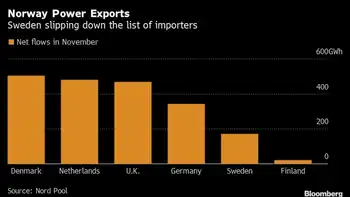
Europe's Thirst for Electricity Spurs Nordic Grid Blockade
Nordic Power Grid Dispute highlights cross-border interconnector congestion, curtailed exports and imports, hydropower priorities, winter…
View more

Wind Denmark - Danish electricity generation sets a new green record
Denmark 2019 electricity CO2 intensity shows record-low emissions as renewable energy surges, wind power dominates,…
View more
Canada expected to miss its 2035 clean electricity goals
Canada 2035 Clean Electricity Target faces a 48.4GW shortfall as renewable capacity lags; accelerating wind,…
View more
California Halts Energy Rebate Program Amid Trump Freeze
California energy rebate freeze disrupts heat pump incentives, HVAC upgrades, and climate funding, as federal…
View more
Stop the Shock campaign seeks to bring back Canadian coal power
Alberta Electricity Price Hikes spotlight grid reliability, renewable transition, coal phase-out, and energy poverty, as…
View more
Sign Up for Electricity Forum’s Newsletter
Stay informed with our FREE Newsletter — get the latest news, breakthrough technologies, and expert insights, delivered straight to your inbox.
Electricity Today T&D Magazine Subscribe for FREE
Stay informed with the latest T&D policies and technologies.
- Timely insights from industry experts
- Practical solutions T&D engineers
- Free access to every issue
