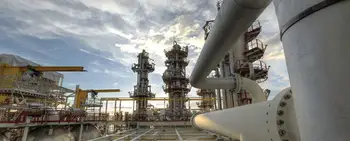
The Oil & Gas sector relies on the efficient transportation, handling, and processing of many hazardous and highly flammable chemical products. These operations generate hazardous levels of static electricity. The first line of defence for catastrophic ignition and explosions is proper grounding & static control measures.
Grounding is defined as electrical equipment connected directly to earth, or to some conducting body that serves in place of the earth, such as the steel frame of an oil drilling platform. Proper grounding is essential for safely and reliably operating electrical systems. Improper grounding methodology can lead to disastrous results from both an operational and a safety standpoint.
There are many different categories and types of grounding principles. This course covers proper grounding techniques for medium- and high-voltage systems, as well as low-voltage Instrument and Control Systems (IACS), which have been proven safe and reliable in process control facilities.
The increased use of electrical and electronic equipment introduces the risk of electromagnetic interference (EMI) problems to operations and performance.
As systems are added, they all contribute and could become susceptible to an intense electromagnetic environment (EME).
Controlling Static Hazards is the key to preventing combustible cloud explosions.
After Attending, You Will Have a Better Understanding of:
- Classification Of Various Oil & Gas Grounding Standards. Codes And Rules
- How to Comply with Oil & Gas Specifications
- How to Comply with Canadian Oil & Gas Safety and Health Administration Specifications
- Oil & Gas Emergency Power Systems
- Petrochemical Storage Tanks Grounding
- Vessels Grounding
- Data Highway grounds
- Logic Manager Grounds
- Cabinet Ground Connections
- Explosion Protection grounding
- Floating, Semi-submersible & Sea Floor Structures Grounding
- Cathodic Protection
- External & Internal Lightning Protection
- Field Transmitter Grounding
- Grounding for Static Electricity Protection