Ohio congressman seeks to lift FirstEnergy license

By Reuters


High Voltage Maintenance Training Online

Our customized live online or in‑person group training can be delivered to your staff at your location.

  • Live Online
  • 12 hours Instructor-led
  • Group Training Available
Regular Price:
$599
Coupon Price:
$499
Reserve Your Seat Today
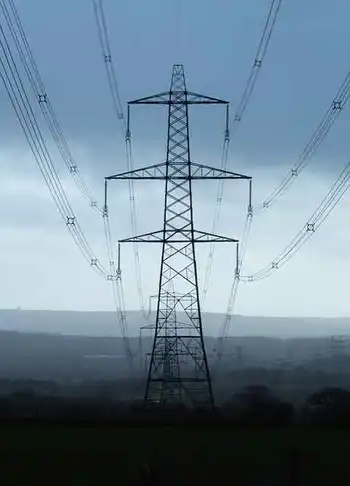
Ohio Congressman and presidential hopeful Dennis Kucinich recently asked officials in his state to revoke the operating license of FirstEnergy Corp., saying mismanagement at the utility appeared to have played a major role in last week's blackout.

"It is clear that FirstEnergy is a monopoly that has not effectively served the residents of Northeast Ohio," said Kucinich, who represents a Cleveland area district hit by the power outage.

FirstEnergy owns transmission lines that have been targeted as a possible source of last week's blackout in the Northeastern United States and Canada.

Kucinich said a "long history of mismanagement and neglect" prompted him to ask the Public Utilities Commission of Ohio to revoke the company's license to operate in northeast Ohio.

"As a result of deregulation, FirstEnergy, like many power companies, has been driven by a motivation to put profit above the public interest," he added.

"This culture has led to a lack of maintenance and deterioration of their infrastructure. These factors, not new to FirstEnergy, appear to have played a major role in last week's blackout that caused 50 million people to lose power."

Ellen Raines, a spokeswoman for the Akron, Ohio-based utility, said it was "premature to draw conclusions about the outage ... and we are focused on gathering and analyzing data of events that occurred on our system prior to and during that outage and providing that data to the U.S. Department of Energy task force."

She said the important thing now "is not casting blame but determining what exactly led to this event and what needs to be done to prevent it in the future."

Earlier in the day the utility warned that rolling blackouts might be needed in the greater Cleveland area unless customers reduced hot weather demand.

Kucinich, one of a number of Democrats seeking his party's presidential bid, is pursuing the nomination as a "progressive" promising to work for universal health care and abolition of the North American Free Trade Agreement.

Related News
Lump sum credit on electricity bills as soon as July

NL Hydro electricity credit delivers a one-time on-bill rebate from the rate stabilization fund, linked to oil prices and the Holyrood plant, via the Public Utilities Board, with payment deferrals and interest relief for customers.


Key Points

A one-time on-bill credit from the rate stabilization fund to cut power costs as oil prices remain low.

✅ One-time on-bill credit via the Public Utilities Board

✅ Funded by surplus in the rate stabilization fund

✅ Deferrals and 15 months interest assistance available


Most people who pay electricity bills will get a one-time credit as early as July.

The provincial government on Thursday outlined a new directive to the Public Utilities Board to provide a one-time credit for customers whose electricity rates are affected by the price of oil, part of an effort to shield ratepayers from Muskrat Falls overruns through recent agreements.

Electricity customers who are not a part of the Labrador interconnected system, including those using diesel on the north coast of Labrador, will receive the credit.

The credit, announced at a press conference Thursday morning, will come from the rate stabilization fund and comes as many customers have begun paying for Muskrat Falls on their bills, which has an estimated surplus of about $50 million because low oil prices mean NL Hydro has spent less on fuel for the Holyrood thermal generating station.

Normally a surplus would be paid out over a year, but customers this year will get the credit in a lump sum, as early as July, with the amount varying based on electricity usage.

"Given the difficult times many are finding themselves in, we believe an upfront, one-time on-bill credit would be much more helpful for customers than a small monthly decrease over the next 12 months," said Natural Resources Minister Siobhan Coady at the provincial government's announcement Thursday morning.

Premier Dwight Ball said with many households and businesses experiencing financial hardship, the one-time credit is meant to make life a little easier, noting that Nova Scotia's premier has urged regulators to reject a major hike elsewhere.

"We have requested that the board of commissioners of the Public Utilities Board, even as Nova Scotia's regulator approved a 14% increase recently, adopt a policy so that a credit will be dispersed immediately," Ball said.

"This is to help people when they need it the most.… We're doing what we can to support you."

The provincial government estimates someone whose power costs an average of $200 a month would get a one-time credit of about $130. Details of the plan will be left to the PUB.

Deferred payments allowed
Ball said the credit will make a "significant impact" on customers' July bills.

Both businesses and residential customers will also be able to defer payments, similar to Alberta's deferral program that shifted costs for unpaid bills, with up to $2.5 million in interest being waived on overdue accounts. Customers will be required to make agreed-upon monthly payments to their account, and there will be interest assistance for 15 months, beginning June 1.

Coady said customers can renegotiate their bills and defer payments, with the province picking up the tab for the interest.

"You can speak to a customer service agent and they will make accommodations, but you have to continue to make some version of a monthly payment," Coady

"The interest that may be accrued is going to be paid for by the provincial government, so if you're a business, a person, and you're having difficulty and you can't make what I would say is your normal payment, call your utility, make some arrangements."

Labrador's interconnected grid isn't affected by the price of oil, but those customers can take advantage of the interest relief.

Relief policies already put in place during the pandemic, like not disconnecting customers and providing options for more flexible bill payments, will continue, as utilities such as Hydro One reconnecting customers demonstrate in Ontario.

Credit not enough to support customers: PCs
While Ball said his government is doing what they can to help ratepayers, the opposition doesn't believe the announcement does enough to support those who need it.

Tony Wakeham, the Progressive Conservative MHA for Stephenville-Port au Port, said in a statement Thursday the credit simply gives people's money back to them, after the NL Consumer Advocate called an 18% rate hike unacceptable, and Newfoundland Power stands to benefit. 

"The Liberal government would like ratepayers to believe that they are getting electricity rate relief, but in reality, customers would have been entitled to receive the value of this credit anyway over a 12-month period. Furthermore, in providing a one-time credit, Newfoundland Power will also be able to collect an administrative fee, adding to their revenues," Wakeham said in the statement.

"People and businesses in this province are struggling to pay their utility bills, and the Liberal government should help them by putting extra money into their pockets, not by recycling an already existing program to the benefit of a large corporation."

Wakeham called on government to direct the PUB to lower Newfoundland Power's guaranteed rate of return to give cash refunds to customers, and for Newfoundland Power to waive its fees.


Related News

View more

The Phillipines wants nuclear power to be included in the country's energy mix as the demand for electricity is expected to rise.

Philippines Nuclear Energy Policy aims to add nuclear power to the energy mix via executive order, meeting rising electricity demand with 24/7 baseload while balancing safety, renewables, and imported fuel dependence in the Philippines.


Key Points

A government plan to include nuclear power in the energy mix to meet demand, ensure baseload, and uphold safety.

✅ Executive order proposed by Energy Secretary Alfonso Cusi

✅ Targets 24/7 baseload, rising electricity demand

✅ Balances safety, renewables, and energy security


Phillipines Presidential spokesman Salvador Panelo said Energy Secretary Alfonso Cusi made the proposal during last Monday's Cabinet meeting in Malacaaang. "Secretary Cusi likewise sought the approval of the issuance of a proposed executive order for the inclusion of nuclear power, including next-gen nuclear options in the country's energy mix as the Philippines is expected to the rapid growth in electricity and electricity demand, in which, 24/7 power is essential and necessary," Panelo said in a statement.

Panelo said Duterte would study the energy chief's proposal, as China's nuclear development underscores regional momentum. In the 1960s until the mid 80s, the late president Ferdinand Marcos adopted a nuclear energy program and built the Bataan Nuclear Plant.

The nuclear plant was mothballed after Corazon Aquino became president in 1986. There have been calls to revive the nuclear plant, saying it would help address the Philippines' energy supply issues. Some groups, however, said such move would be expensive and would endanger the lives of people living near the facility, citing Three Mile Island as a cautionary example.

Panelo said proposals to revive the Bataan Nuclear Plant were not discussed during the Cabinet meeting, even as debates like California's renewable classification continue to shape perceptions. Indigenous energy sources natural gas, hydro, coal, oil, geothermal, wind, solar, biomassand ethanol constitute more than half or 59.6%of the Philippines' energy mix.

Imported oil make up 31.7% while imported coal, reflecting the country's coal dependency, contribute about 8.7%.

Imported ethanol make up 0.1% of the energy mix, even as interest in atomic energy rises globally.

In 2018, Duterte said safety should be the priority when deciding whether to tap nuclear energy for the country's power needs, as countries like India's nuclear restart proceed with their own safeguards.


Related News

View more

Improve US national security, step away from fossil fuels

American Green Energy Independence accelerates electrification and renewable energy, leveraging solar, wind, and EVs to boost energy security, cut emissions, create jobs, and reduce reliance on volatile oil and natural gas markets influenced by geopolitics.


Key Points

American Green Energy Independence is a strategy to electrify, expand renewables, and enhance energy security.

✅ Electrifies vehicles, appliances, and infrastructure

✅ Expands solar, wind, and storage to stabilize grids

✅ Cuts oil dependence, strengthens energy security and jobs


As Putin's heavy hand uses Russia's power over oil and natural gas as a weapon against Europe, which is facing an energy nightmare across its markets, and the people of Ukraine, it's impossible not to wonder how we can mitigate the damages he's causing. Simultaneously, it's a devastating reminder of the freedom we so often take for granted and a warning to increase our energy independence as a nation. There are many ways we can, but one of the best is to follow the lead of the European Union and quicken our transition to green and renewable energies.

We've known it for a long time: our reliance on fossil fuels is a national security risk. Volatile prices coupled with our extreme demand mean that concerns over fossil fuel access have driven foreign policy decisions. We've seen it happen countless times — most notably during the wars in Iraq and Afghanistan — and it's played out again in Ukraine, which has leaned on imports to keep the lights on during the crisis. Concerned by Russia's power over the oil and natural gas market, the US and Europe were quite reluctant to impose the harshest, most recent sanctions because doing so will hurt their citizens' pocketbooks.

As homeowners, we know how much decisions like these can hurt, especially with gas prices being historically high even as an energy crisis isn't spurring a green shift for many consumers. However, the solution to this problem isn't to drill more, as some well-funded oil and gas interest groups have claimed. Doing so likely won't even provide a short-term solution to the problem as it takes six months to a year at minimum to build a new well with all its associated infrastructure.

The best long-term solution is to declare our independence from the global oil market amid a global energy war that is driving price hikes and invest in American-made clean energy. We need to electrify our vehicles, appliances, and infrastructure, and make America fully energy independent. This will save families thousands of dollars a year, make our country more self-sufficient, and provide hundreds of thousands of quality jobs here in the Midwest.

Already, over 600,000 Midwesterners are employed in clean-energy professions, and they make 25 percent more than the national median wage. Nationally, clean energy is the biggest job creator in our country's energy sector, employing almost three times as many workers as the fossil fuel industry.

As we employ our own citizens, we will defund Putin's Russia, which has long been funded by his powerful oil and gas industry. Instead of diversifying his economy during the oil boom of the 2010s, Putin doubled down on petroleum. We should exploit his weakness by leading a global movement to abandon the very resource that funds his warmongering. Doing so will further destabilize his economy and protect the citizens of Ukraine, especially as they prepare for winter amid energy challenges today.

We can start doing this as everyday consumers by seeking electric options like stoves, cars, or other appliances. Congress should help Americans afford these changes by providing tax credits for everyday Americans and innovators in electric vehicle and green energy industries. Doing so will spur innovation in the industry, further reducing the cost to consumers. We should also ensure that our semiconductors, solar panels, wind turbines, and other technology needed for a green future are manufactured and assembled in America. This will ensure that our energy industry is safe from price or supply shocks and reduce brownout risks linked to disruptions caused by an international crisis like the invasion of Ukraine.

In many ways, our next steps as a country can define world history for generations to come. Will we continue our reliance on oil and its tacit support of Putin's economy? Or will we intensify our shift to green energies and make our country more self-sufficient and secure? The global spotlight is on us once again to lead. We hope our country will honor the lives of its veterans and the soldiers fighting in Ukraine by strengthening energy security support and transitioning towards green energy.


Related News

View more

Diesel Prices Return to Pre-Ukrainian Conflict Levels

France Diesel Prices at Pre-Ukraine Levels reflect energy market stabilization as supply chains adapt and subsidies help; easing fuel costs, inflation, and logistics burdens for households, transport firms, and the wider economy.


Key Points

They mark normalization as oil supply stabilizes, easing fuel costs and logistics expenses for consumers and firms.

✅ Lower transport and logistics operating costs

✅ Softer inflation and improved household budgets

✅ Market stabilization amid adjusted oil supply chains


In a significant development for French consumers and businesses alike, diesel prices in France have recently fallen back to levels last seen before the Ukrainian conflict began, mirroring European gas prices returning to pre-war levels across the region. This drop comes as a relief to many who have been grappling with volatile energy costs and their impact on the cost of living and business operations. The return to lower diesel prices is a noteworthy shift in the energy landscape, with implications for the French economy, transportation sector, and broader European market.

Context of Rising Diesel Prices

The onset of the Ukrainian conflict in early 2022 triggered a dramatic increase in global energy prices, including diesel. The conflict's disruption of supply chains, coupled with sanctions on Russian oil and gas exports, contributed to a steep rise in fuel prices across Europe, prompting the EU to weigh emergency electricity price measures to shield consumers. For France, this meant that diesel prices soared to unprecedented levels, putting significant pressure on consumers and businesses that rely heavily on diesel for transportation and logistics.

The impact was felt across various sectors. Transportation companies faced higher operational costs, which were often passed down to consumers in the form of increased prices for goods and services. Additionally, higher fuel costs contributed to broader inflationary pressures, with EU inflation hitting lower-income households hardest, affecting household budgets and overall economic stability.

Recent Price Trends and Market Adjustments

The recent decline in diesel prices in France is a welcome reversal from the peak levels experienced during the height of the conflict. Several factors have contributed to this price reduction. Firstly, there has been a stabilization of global oil markets as geopolitical tensions have somewhat eased and supply chains have adjusted to new realities. The gradual return of Russian oil to global markets, albeit under complex sanctions and trading arrangements, has also played a role in moderating prices.

Moreover, France's strategic reserves and diversified energy sources have helped cushion the impact of global price fluctuations. The French government has also implemented measures to stabilize energy prices, including subsidies and tax adjustments, and a new electricity pricing scheme to satisfy EU concerns, which have helped alleviate some of the financial pressure on consumers.

Implications for the French Economy

The return to pre-conflict diesel price levels brings several positive implications for the French economy. For consumers, the decrease in fuel prices means lower transportation costs, which can ease inflationary pressures and improve disposable income, and, alongside the EDF electricity price deal, reduce overall utility burdens for households. This is particularly beneficial for households with long commutes or those relying on diesel-powered vehicles.

For businesses, especially those in the transportation and logistics sectors, the drop in diesel prices translates into reduced operational costs. This can help lower the cost of goods and services, potentially leading to lower prices for consumers and improved profitability for businesses. In a broader sense, stabilized fuel prices can contribute to overall economic stability and growth, as lower energy costs can support consumer spending and business investment.

Environmental and Policy Considerations

While the decrease in diesel prices is advantageous in the short term, it also raises questions about long-term energy policy and environmental impact, with the recent crisis framed as a wake-up call for Europe to accelerate the shift away from fossil fuels. Diesel, as a fossil fuel, continues to pose environmental challenges, including greenhouse gas emissions and air pollution. The drop in prices might inadvertently discourage investments in cleaner energy alternatives, such as electric and hybrid vehicles, which are crucial for achieving long-term sustainability goals.

In response, there is a growing call for continued investment in renewable energy and energy efficiency measures. France has been actively pursuing policies to reduce its reliance on fossil fuels and increase the adoption of cleaner technologies, amid ongoing EU electricity reform debates with Germany. The government’s support for green energy initiatives and incentives for low-emission vehicles will be essential in balancing short-term benefits with long-term environmental objectives.

Conclusion

The recent return of French diesel prices to pre-Ukrainian conflict levels marks a significant shift in the energy market, offering relief to both consumers and businesses. While this decline brings immediate financial benefits and supports economic stability, it also underscores the ongoing need for a strategic approach to energy policy and environmental sustainability. As France navigates the evolving energy landscape, the focus will need to remain on fostering a transition towards cleaner energy sources while managing the economic and environmental impacts of fuel price fluctuations.


Related News

View more

Washington State Ferries' Hybrid-Electric Upgrade

Washington State Hybrid-Electric Ferries advance green maritime transit with battery-diesel propulsion, lower emissions, and fleet modernization, integrating charging infrastructure and reliable operations across WSF routes to meet climate goals and reduce fuel consumption.


Key Points

New WSF vessels using diesel-battery propulsion to cut emissions, improve efficiency, and sustain reliable ferry service.

✅ Hybrid diesel-battery propulsion reduces fuel use and CO2

✅ Larger vessels with efficient batteries and charging upgrades

✅ Compatible with WSF docks, maintenance, and safety standards


Washington State is embarking on an ambitious update to its ferry fleet, introducing hybrid-electric boats that represent a significant leap toward greener and more sustainable transportation. The state’s updated plans reflect a commitment to reducing carbon emissions and enhancing environmental stewardship while maintaining the efficiency and reliability of its vital ferry services.

The Washington State Ferries (WSF) system, one of the largest in the world, has long been a critical component of the state’s transportation network, linking various islands and coastal communities with the mainland. Traditionally powered by diesel engines, the ferries are responsible for significant greenhouse gas emissions. In response to growing environmental concerns and legislative pressure, WSF is now turning to hybrid-electric technology similar to battery-electric high-speed ferries seen elsewhere to modernize its fleet and reduce its carbon footprint.

The updated plans for the hybrid-electric boats build on earlier efforts to introduce cleaner technologies into the ferry system. The new designs incorporate advanced hybrid-electric propulsion systems that combine traditional diesel engines with electric batteries. This hybrid approach allows the ferries to operate on electric power during certain segments of their routes, reducing reliance on diesel fuel and cutting emissions as electric ships on the B.C. coast have demonstrated during similar operations.

One of the key features of the updated plans is the inclusion of larger and more capable hybrid-electric ferries, echoing BC Ferries hybrid ships now entering service in the region. These vessels are designed to handle the demanding operational requirements of the Washington State Ferries system while significantly reducing environmental impact. The new boats will be equipped with state-of-the-art battery systems that can store and utilize electric power more efficiently, leading to improved fuel economy and lower overall emissions.

The transition to hybrid-electric ferries is driven by both environmental and economic considerations. On the environmental side, the move aligns with Washington State’s broader goals to combat climate change and reduce greenhouse gas emissions, including programs like electric vehicle rebate program that encourage cleaner travel across the state. The state has set ambitious targets for reducing carbon emissions across various sectors, and upgrading the ferry fleet is a crucial component of achieving these goals.

From an economic perspective, hybrid-electric ferries offer the potential for long-term cost savings. Although the initial investment in new technology can be substantial, with financing models like CIB support for B.C. electric ferries helping spur adoption and reduce barriers for agencies, the reduced fuel consumption and lower maintenance costs associated with hybrid-electric systems are expected to lead to significant savings over the lifespan of the vessels. Additionally, the introduction of greener technology aligns with public expectations for more sustainable transportation options.

The updated plans also emphasize the importance of integrating hybrid-electric technology with existing infrastructure. Washington State Ferries is working to ensure that the new vessels are compatible with current docking facilities and maintenance practices. This involves updating docking systems, as seen with Kootenay Lake electric-ready ferry preparations, to accommodate the specific needs of hybrid-electric ferries and training personnel to handle the new technology.

Public response to the hybrid-electric ferry initiative has been largely positive, with many residents and environmental advocates expressing support for the move towards greener transportation. The new boats are seen as a tangible step toward reducing the environmental impact of one of the state’s most iconic transportation services. The project also highlights Washington State’s commitment to innovation and leadership in sustainable transportation, alongside global examples like Berlin's electric flying ferry that push the envelope in maritime transit.

However, the transition to hybrid-electric ferries is not without its challenges. Implementing new technology requires careful planning and coordination, including addressing potential technical issues and ensuring that the vessels meet all safety and operational standards. Additionally, there may be logistical challenges associated with integrating the new ferries into the existing fleet and managing the transition without disrupting service.

Despite these challenges, the updated plans for hybrid-electric boats represent a significant advancement in Washington State’s efforts to modernize its transportation system. The initiative reflects a growing trend among transportation agencies to embrace sustainable technologies and address the environmental impact of traditional transportation methods.

In summary, Washington State’s updated plans for hybrid-electric ferries mark a crucial step towards a more sustainable and environmentally friendly transportation network. By incorporating advanced hybrid-electric technology, the state aims to reduce carbon emissions, improve fuel efficiency, and align with its broader climate goals. While challenges remain, the initiative demonstrates a commitment to innovation and underscores the importance of transitioning to greener technologies in the quest for a more sustainable future.


Related News

View more

Electricity Demand In The Time Of COVID-19

COVID-19 Impact on U.S. Power Demand shows falling electricity load, lower wholesale prices, and resilient utilities in competitive markets, with regional differences tied to weather, renewable energy, stay-at-home orders, and hedging strategies.


Key Points

It outlines reduced load and prices, while regulatory design and hedging support utility stability across regions.

✅ Load down in NY, New England, PJM; weather drives South up.

✅ Wholesale prices fall 8-10% in key markets.

✅ Decoupling, contracts, hedging support utility earnings.


On March 27, Bloomberg New Energy Finance (BNEF) released a report on electricity demand and wholesale market prices impact from COVID-19 fallout. The model compares expected load based largely on weather with actual observed electricity demand changes.

So far, the hardest hit power grid is New York, with load down 7 and prices off by 10 percent. That’s expected, given New York City is the current epicenter of the US health crisis.

Next is New England, with 5 percent lower demand and 8 percent reduced wholesale prices for the week from March 19-25. BNEF says the numbers could go higher following advisories and orders issued March 24 for some 70 percent of the region’s population to stay at home.

Demand on the biggest grid in the US, the PJM (Pennsylvania/Jersey/Maryland), is 4 percent lower, with prices dropping 8 percent, as recent capacity auction payouts fell sharply. BNEF believes there will be more impact as stay at home orders are ramped up in several states.

California’s power demand for March 19-25 was 5 percent below what BNEF’s model expects without COVID-19 impact. That reflects a full week of stay-at-home orders from Governor Newsom issued March 19.

Health officials in Los Angeles and elsewhere expect a spike in COVID-19 cases in coming weeks. But BNEF’s model now actually projects rising electricity load for the state, due to what it calls "freakishly mild weather a year ago."

Rounding out the report, power demand is up for a band of southern states stretching from Florida to the desert Southwest, with weather more than offsetting public response to COVID-19 so far. BNEF says the Northwest’s grid "has not yet been highly impacted," while the Southeast is "generally in line" with pre-virus expectations.

Clearly, all of this data can change quickly and radically. Only California and New York are currently in full shutdown mode. Following them are New England (70 percent), the Midwest (65 percent), Texas (50 percent), PJM (50 percent) and the Northwest (50 percent).

In contrast, only small parts of Florida, the Southeast and Southwest are restricting movement. That could mean a big future increase for shut-ins, with heightened risks of electricity shut-offs that burden households and a corresponding impact on power demand.

Also, weather will play a major role on what happens to actual electricity demand, just as it always does. A very hot summer, for example, could offset virus-related shut-ins, just as it apparently is now in states like Texas. And it should be pointed out that regions vary widely by exposure to recession-sensitive sources of demand, such as heavy industry.

Most important for investors, however, is the built in protection US utility earnings enjoy from declining power demand, even amid broader energy crisis pressures facing the sector. For one thing, US power grids in California, ERCOT (Texas), MISO (Midwest), New England, New York and PJM have wholesale power markets, where producers compete for sales and the lowest bidder sets the price.

In those states, most regulated utilities don’t produce power at all. In fact, companies’ revenue is decoupled entirely from demand in California, as well as much of New England. In the roughly three-dozen states where utilities still operate as integrated monopolies, demand does affect revenue, and in many regions flat electricity demand already persists. But the cost of electricity is passed through directly to customers, whether produced or purchased.

A number of US electric companies have invested in renewable energy facilities as part of broader electrification trends nationwide. These sell their output under long-term contracts primarily with other utilities and government entities.

This isn’t a risk free business: For the past year, generators selling electricity to bankrupt PG&E Corp (PCG) have had their cash trapped at the power plant level as surety for lenders. But even PG&E has honored its contracts. And with states continuing aggressive mandates for renewable energy adoption, growth doesn’t appear at risk to COVID-19 fallout either.

The wholesale price of power from natural gas, coal and many nuclear plants was already sliding before COVID-19, due to renewables adoption and low natural gas prices, even as coal and nuclear disruptions raise reliability concerns. But here too, big producers like Exelon Corp (EXC) and Vistra Energy (VST) have employed aggressive price hedging near term, with regulated utilities and retail businesses protecting long-term health, respectively.

Bottom line: It’s early days for the COVID-19 crisis and much can still change. But so far at least, the US power industry is absorbing the blow of reduced demand, just as it’s done in previous crises.

That means future selloffs in the ongoing bear market are buying opportunities for best in class electric utilities, not a reason to sell. For top candidates, see the Conrad’s Utility Investor Portfolios and Dream Buy List in the March issue. 


Related News

View more

Sign Up for Electricity Forum’s Newsletter

Stay informed with our FREE Newsletter — get the latest news, breakthrough technologies, and expert insights, delivered straight to your inbox.

Electricity Today T&D Magazine Subscribe for FREE

Stay informed with the latest T&D policies and technologies.
  • Timely insights from industry experts
  • Practical solutions T&D engineers
  • Free access to every issue

Live Online & In-person Group Training

Advantages To Instructor-Led Training – Instructor-Led Course, Customized Training, Multiple Locations, Economical, CEU Credits, Course Discounts.

Request For Quotation

Whether you would prefer Live Online or In-Person instruction, our electrical training courses can be tailored to meet your company's specific requirements and delivered to your employees in one location or at various locations.