By -- Source, The Seattle Times


High Voltage Maintenance Training Online

Our customized live online or in‑person group training can be delivered to your staff at your location.

  • Live Online
  • 12 hours Instructor-led
  • Group Training Available
Regular Price:
$599
Coupon Price:
$499
Reserve Your Seat Today
The Seattle City Council approved a plan yesterday to spend up to $20 million to bury utility lines in Rainier Valley as part of the proposed light-rail project, despite a growing budget crisis and questions about how the city will eventually pay for the work.

The money comes on top of a proposal the council will consider next week to spend $50 million in the community to help offset the impact of the transit line, which will run from downtown to Tukwila.

Sound Transit plans to contribute $13.5 million to bury utility lines along both sides of a 4.5-mile stretch of Martin Luther King Jr. Way South, bringing the project's total price to $33.5 million.

The council's 7-1 vote yesterday cleared the way for Mayor Greg Nickels to negotiate details of a final agreement with Sound Transit. The proposal calls for the city to pay for work along commercial areas and for Sound Transit to cover the cost for residential neighborhoods.

Council President Peter Steinbrueck said the city shouldn't pass up the chance to improve one of its busiest and most important roads while light rail is under construction. Waiting until the work is done will only make it more expensive.

"I would look back on this as a foolish mistake if we did not do this (now)," Steinbrueck said.

Several council members, however, said they struggled with their vote, wondering how the city could afford such a costly project during tough financial times.

Seattle is facing a $50 million spending gap next year, says Nickels, and City Light, the city-owned agency that usually pays to bury utility lines, is still struggling under debt it racked up when energy prices soared last year.

In the end, Councilman Nick Licata said he would support the project because Sound Transit will chip in.

"It's not a great business deal, but it's not a bad one either," Licata said.

Council members dodged the tricky question of how the city would pay for the project. That decision will be made when the bill comes due in 2005. Councilwoman Judy Nicastro cited that as reason enough to cast the lone vote against the plan.

"It is irresponsible to commit this money before we know how we will pay for it," Nicastro said. "Who knows what the budget situation will be like in 2005?"

The council also passed one of the country's toughest laws to protect the privacy rights of cable customers.

Proposed by Nickels, the measure requires companies offering television and Internet services to notify customers every time they plan to share personal information to marketers and to provide a postcard or toll-free phone number to opt out.

The measure is aimed at tightening restrictions on AT&T Broadband and Millennium Digital Media, which serve about 200,000 Seattle homes. The cable companies complained the city was overstepping its authority and that privacy matters fell under federal regulations. Councilman Jim Compton yesterday called that argument "baloney." In other action, the council made official its intent to let the proposed monorail system use city streets and rights of way to construct the line if voters approve it.

Related News

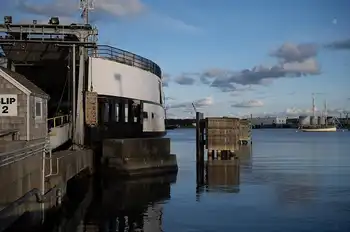
Washington State Ferries' Hybrid-Electric Upgrade

Washington State Hybrid-Electric Ferries advance green maritime transit with battery-diesel propulsion, lower emissions, and fleet modernization, integrating charging infrastructure and reliable operations across WSF routes to meet climate goals and reduce fuel consumption.


Key Points

New WSF vessels using diesel-battery propulsion to cut emissions, improve efficiency, and sustain reliable ferry service.

✅ Hybrid diesel-battery propulsion reduces fuel use and CO2

✅ Larger vessels with efficient batteries and charging upgrades

✅ Compatible with WSF docks, maintenance, and safety standards


Washington State is embarking on an ambitious update to its ferry fleet, introducing hybrid-electric boats that represent a significant leap toward greener and more sustainable transportation. The state’s updated plans reflect a commitment to reducing carbon emissions and enhancing environmental stewardship while maintaining the efficiency and reliability of its vital ferry services.

The Washington State Ferries (WSF) system, one of the largest in the world, has long been a critical component of the state’s transportation network, linking various islands and coastal communities with the mainland. Traditionally powered by diesel engines, the ferries are responsible for significant greenhouse gas emissions. In response to growing environmental concerns and legislative pressure, WSF is now turning to hybrid-electric technology similar to battery-electric high-speed ferries seen elsewhere to modernize its fleet and reduce its carbon footprint.

The updated plans for the hybrid-electric boats build on earlier efforts to introduce cleaner technologies into the ferry system. The new designs incorporate advanced hybrid-electric propulsion systems that combine traditional diesel engines with electric batteries. This hybrid approach allows the ferries to operate on electric power during certain segments of their routes, reducing reliance on diesel fuel and cutting emissions as electric ships on the B.C. coast have demonstrated during similar operations.

One of the key features of the updated plans is the inclusion of larger and more capable hybrid-electric ferries, echoing BC Ferries hybrid ships now entering service in the region. These vessels are designed to handle the demanding operational requirements of the Washington State Ferries system while significantly reducing environmental impact. The new boats will be equipped with state-of-the-art battery systems that can store and utilize electric power more efficiently, leading to improved fuel economy and lower overall emissions.

The transition to hybrid-electric ferries is driven by both environmental and economic considerations. On the environmental side, the move aligns with Washington State’s broader goals to combat climate change and reduce greenhouse gas emissions, including programs like electric vehicle rebate program that encourage cleaner travel across the state. The state has set ambitious targets for reducing carbon emissions across various sectors, and upgrading the ferry fleet is a crucial component of achieving these goals.

From an economic perspective, hybrid-electric ferries offer the potential for long-term cost savings. Although the initial investment in new technology can be substantial, with financing models like CIB support for B.C. electric ferries helping spur adoption and reduce barriers for agencies, the reduced fuel consumption and lower maintenance costs associated with hybrid-electric systems are expected to lead to significant savings over the lifespan of the vessels. Additionally, the introduction of greener technology aligns with public expectations for more sustainable transportation options.

The updated plans also emphasize the importance of integrating hybrid-electric technology with existing infrastructure. Washington State Ferries is working to ensure that the new vessels are compatible with current docking facilities and maintenance practices. This involves updating docking systems, as seen with Kootenay Lake electric-ready ferry preparations, to accommodate the specific needs of hybrid-electric ferries and training personnel to handle the new technology.

Public response to the hybrid-electric ferry initiative has been largely positive, with many residents and environmental advocates expressing support for the move towards greener transportation. The new boats are seen as a tangible step toward reducing the environmental impact of one of the state’s most iconic transportation services. The project also highlights Washington State’s commitment to innovation and leadership in sustainable transportation, alongside global examples like Berlin's electric flying ferry that push the envelope in maritime transit.

However, the transition to hybrid-electric ferries is not without its challenges. Implementing new technology requires careful planning and coordination, including addressing potential technical issues and ensuring that the vessels meet all safety and operational standards. Additionally, there may be logistical challenges associated with integrating the new ferries into the existing fleet and managing the transition without disrupting service.

Despite these challenges, the updated plans for hybrid-electric boats represent a significant advancement in Washington State’s efforts to modernize its transportation system. The initiative reflects a growing trend among transportation agencies to embrace sustainable technologies and address the environmental impact of traditional transportation methods.

In summary, Washington State’s updated plans for hybrid-electric ferries mark a crucial step towards a more sustainable and environmentally friendly transportation network. By incorporating advanced hybrid-electric technology, the state aims to reduce carbon emissions, improve fuel efficiency, and align with its broader climate goals. While challenges remain, the initiative demonstrates a commitment to innovation and underscores the importance of transitioning to greener technologies in the quest for a more sustainable future.


Related News

View more

Fish boom prompts energy conglomerate to spend $14.5M to bury subsea cables

Maritime Link Cable Burial safeguards 200-kV subsea cables in the Cabot Strait as Emera and Nova Scotia Power trench lines to mitigate bottom trawling risks from a redfish boom, ensuring Muskrat Falls hydro delivery.


Key Points

Trenching Cabot Strait subsea power cables to prevent redfish-driven bottom trawling and ensure Muskrat Falls power.

✅ $14.492M spent trenching 59 km at 400 m depth

✅ Protects 200-kV, 170-km subsea interconnects from trawls

✅ Driven by Gulf redfish boom; DFO and UARB consultations


The parent company of Nova Scotia Power disclosed this week to the Utility and Review Board, amid Site C dam watchdog attention to major hydro projects, that it spent almost $14,492,000 this summer to bury its Maritime Links cables lying on the floor of the Cabot Strait between Newfoundland and Cape Breton.

It's a fish story no one saw coming, at least not Halifax-based energy conglomerate Emera.

The parent company of Nova Scotia Power disclosed this week to the Utility and Review Board that it spent almost $14,492,000 this summer to bury its Maritime Link cables lying on the floor of the Cabot Strait between Newfoundland and Cape Breton.

The cables were protected because an unprecedented explosion in the redfish population in the Gulf of St Lawrence is about to trigger a corresponding boom in bottom trawling in the area.

Also known as ocean perch, redfish were not on anyone's radar when the $1.5-billion Maritime Link was designed and built to carry Muskrat Falls hydroelectricity from Newfoundland to Nova Scotia.

The two 200-kilovolt electrical submarine cables spanning the Cabot Strait are the longest in North America, compared with projects like the New England Clean Power Link planned further south. They are each 170 kilometres long and weigh 5,500 tonnes.

Nova Scotia Power customers are paying for the Maritime Link in return for a minimum of 20 per cent of the electricity generated by Muskrat Falls over 35 years.

The electricity is supposed to start sending first electricity through the Maritime Link in mid-2020.

First time cost disclosed
In August, the company buried 59 kilometres of subsea cables one metre below the bottom at depths of 400 metres.

"These cables had not been previously trenched due to the absence of fishing activities at those depths when the cables were originally installed," spokesperson Jeff Myrick wrote in an email to CBC News in October.

Ratepayers will get the bill next year, as utilities also face risks like copper theft that can drive costs in the region. Until now, the company had declined to release costs relating to protecting the Maritime Link.

The bill will be presented to regulators, a process that has affected projects such as a Manitoba Hydro line to Minnesota, when the company applies to recover Maritime Link costs from Nova Scotia Power ratepayers in 2020.

Myrick said the company was acting after consultation with the Department of Fisheries and Oceans.

Unexpected consequences
After years of overfishing in the 1980s and early 1990s, redfish quotas were slashed and a moratorium imposed on some redfish.

Confusingly, there are actually two redfish species in the Gulf of St. Lawrence.

But very strong recent year classes, that have coincided with warming waters in the gulf, as utilities adapt to climate change considerations grow, have produced redfish in massive numbers.

After years of overfishing, the redfish population is now booming in the Gulf of St. Lawrence. (Submitted by Marine Institute)
There is now believed to be three-million tonnes of redfish in the Gulf of St Lawrence.

The Department of Fisheries and Oceans is expected to increase quotas in the coming years and the fishing industry is gearing up in a big way.

Earlier this month, Scotia Harvest announced it will begin construction of a new $14-million fish plant in Digby next spring in part to process increased redfish catches.


Related News

View more

Clean-energy generation powers economy, environment

Atlin Hydro and Transmission Project delivers First Nation-led clean energy via hydropower to the Yukon grid, replacing diesel, cutting emissions, and creating jobs, with a 69-kV line from Atlin, B.C., supplying about 35 GWh annually.


Key Points

A First Nation-led 8.5 MW hydropower and 69-kV line supplying clean energy to the Yukon, reducing diesel use.

✅ 8.5 MW capacity; ~35 GWh annually to Yukon grid

✅ 69-kV, 92 km line links Atlin to Jakes Corner

✅ Creates 176 construction jobs; cuts diesel and emissions


A First Nation-led clean-power generation project for British Columbia’s Northwest will provide a significant economic boost and good jobs for people in the area, as well as ongoing revenue from clean energy sold to the Yukon.

“This clean-energy project has the potential to be a win-win: creating opportunities for people, revenue for the community and cleaner air for everyone across the Northwest,” said Premier John Horgan. “That’s why our government is proud to be working in partnership with the Taku River Tlingit First Nation and other levels of government to make this promising project a reality. Together, we can build a stronger, cleaner future by producing more clean hydropower to replace fossil fuels – just as they have done here in Atlin.”

The Province is contributing $20 million toward a hydroelectric generation and transmission project being developed by the Taku River Tlingit First Nation (TRTFN) to replace diesel electricity generation in the Yukon, which is also supported by the Government of Yukon and the Government of Canada, and comes as BC Hydro demand fell during COVID-19 across the province.

“Renewable-energy projects are helping remote communities reduce the use of diesel for electricity generation, which reduces air pollution, improves environmental outcomes and creates local jobs,” said Bruce Ralston, Minister of Energy, Mines and Low Carbon Innovation. “This project will advance reconciliation with TRTFN, foster economic development in Atlin and support intergovernmental efforts to reduce greenhouse gas emissions.”

TRTFN is based in Atlin with territory in B.C., the Yukon, and Alaska. TRTFN is an active participant in clean-energy development and, since 2009, has successfully replaced diesel-generated electricity in Atlin with a 2.1-megawatt (MW) hydro facility amid oversight issues such as BC Hydro misled regulator elsewhere in the province today.

TRTFN owns the Tlingit Homeland Energy Limited Partnership (THELP), which promotes economic development through clean energy. THELP plans to expand its hydro portfolio by constructing the Atlin Hydro and Transmission Project and selling electricity to the Yukon via a new transmission line, in a landscape shaped by T&D rates decisions in jurisdictions like Ontario for cost recovery.

The Government of Yukon is requiring its Yukon Energy Corporation (YEC) to generate 97% of its electricity from renewable resources by 2030. This project provides an opportunity for the Yukon government to reduce reliance on diesel generators and to meet future load growth, at a time when Manitoba Hydro's debt pressures highlight utility cost challenges.

The new transmission line between Atlin and the Yukon grid will include a fibre-optic data cable to support facility operations, with surplus capacity that can be used to bring high-speed internet connectivity to Atlin residents for the first time.

“Opportunities like this hydroelectricity project led by the Taku River Tlingit First Nation is a great example of identifying and then supporting First Nations-led clean-energy opportunities that will support resilient communities and provide clean economic opportunities in the region for years to come. We all have a responsibility to invest in projects that benefit our shared climate goals while advancing economic reconciliation.” said George Heyman, Minister of Environment and Climate Change Strategy.

“Thank you to the Government of British Columbia for investing in this important project, which will further strengthen the connection between the Yukon and Atlin. This ambitious initiative will expand renewable energy capacity in the North in partnership with the Taku River Tlingit First Nation while reducing the Yukon’s emissions and ensuring energy remains affordable for Yukoners.“ said Sandy Silver, Premier of Yukon.

“The Atlin Hydro Project represents an important step toward meeting the Yukon’s growing electricity needs and the renewable energy targets in the Our Clean Future strategy. Our government is proud to contribute to the development of this project and we thank the Government of British Columbia and all partners for their contributions and commitment to renewable energy initiatives. This project demonstrates what can be accomplished when communities, First Nations and federal, provincial and territorial governments come together to plan for a greener economy and future.” said John Streicker, Minister Responsible for the Yukon Development Corporation. 

“Atlin has enjoyed clean and renewable energy since 2009 because of our hydroelectric project. Over its lifespan, Atlin’s hydro opportunity will prevent more than one million tonnes of greenhouse gases from being created to power the southern Yukon. We are looking forward to the continuation of this project. Our collective dream is to meet our environmental and economic goals for the region and our local community within the next 10 years. We are so grateful to all our partners involved for their financial support, as we continue onward in creating an energy efficient and sustainable North.” said Charmaine Thom, Taku River Tlingit First Nation spokesperson.

Quick Facts:

  • The 8.5-MW project is expected to provide an average of 35 gigawatt hours of energy annually to the Yukon. To accomplish this, TRTFN plans to leverage the existing water storage capability of Surprise Lake, add new infrastructure, and send power 92 km north to Jakes Corner, Yukon, along a new 69-kilovolt transmission line.
  • The project is expected to cost $253 - 308.5 million, the higher number reflecting recently estimated impacts of inflation and supply chain cost escalation, alongside sector accounting concerns such as deferred BC Hydro costs noted in recent reports.
  • The project is expected to have a positive impact on local and provincial economic development in the form of, even as governance debates like Manitoba Hydro board changes draw attention elsewhere:
  • 176 full-time positions during construction;
  • six to eight full-time positions in operations and maintenance over 40 years; and
  • increased business for B.C. contractors.
  • Territorial and federal funders have committed $151.1 million to support the project, most recently the $32.2 million committed in the 2022 federal bdget.


Related News

View more

Report call for major changes to operation of Nova Scotia's power grid

Nova Scotia Energy Modernization Act proposes an independent system operator, focused energy regulation, coal phase-out by 2030, renewable integration, transmission upgrades, and competitive market access to boost consumer trust and grid reliability across the province.


Key Points

Legislation to create an independent system operator and energy regulator, enabling coal phase-out and renewable integration.

✅ Transfers grid control from Nova Scotia Power to an ISO

✅ Establishes a focused energy regulator for multi-sector oversight

✅ Accelerates coal retirement, renewables build-out, and grid upgrades


Nova Scotia is poised for a significant overhaul in how its electricity grid operates, with the electricity market headed for a reshuffle as the province vows changes, following a government announcement that will strip the current electric utility of its grid access control. This move is part of a broader initiative to help the province achieve its ambitious energy objectives, including the cessation of coal usage by 2030.

The announcement came from Tory Rushton, the Minister of Natural Resources, who highlighted the recommendations from the Clean Electricity Task Force's report to make the electricity system more accountable to Nova Scotians according to the authors. The report suggests the creation of two distinct entities: an autonomous system operator for energy system planning and an independent body for energy regulation.

Minister Rushton expressed the government's agreement with these recommendations, while the premier had earlier urged regulators to reject a 14% rate hike to protect customers, stating plans to introduce a new Energy Modernization Act in the next legislative session.

Under the proposed changes, Nova Scotia Power, a privately-owned entity, will retain its operational role but will relinquish control over the electricity grid. This responsibility will shift to an independent system operator, aiming to foster competitive practices essential for phasing out coal—currently a major source of the province’s electricity.

Additionally, the existing Utility and Review Board, which recently approved a 14% rate increase despite political opposition, will undergo rebranding to become the Nova Scotia Regulatory and Appeals Board, reflecting a broader mandate beyond energy. Its electricity-related duties will be transferred to the newly proposed Nova Scotia Energy Board, which will oversee various energy sectors including electricity, natural gas, and retail gasoline.

The task force, led by Alison Scott, a former deputy energy minister, and John MacIsaac, an ex-executive of Nalcor Energy, was established by the province in April 2023 to determine the needs of the electrical system in meeting Nova Scotia's environmental goals.

Minister Rushton praised the report for providing a clear direction towards achieving the province's 2030 environmental targets and beyond. He estimated that establishing the recommended bodies would take 18 months to two years, and noted the government cannot order the utility to cut rates under current law, promising job security for current employees of Nova Scotia Power and the Utility and Review Board throughout the transition.

The report advocates for the new system operator to improve consumer trust by distancing electricity system decisions from Nova Scotia Power's corporate interests. It also critiques the current breadth of the Utility and Review Board's mandate as overly extensive for addressing the energy transition's long-term requirements.

Nova Scotia Power's president, Peter Gregg, welcomed the recommendations, emphasizing their role in the province's shift towards renewable energy, as neighboring jurisdictions like P.E.I. explore community generation to build resilience, he highlighted the importance of a focused energy regulator and a dedicated system operator in advancing essential projects for reliable customer service.

The task force's 12 recommendations also include the requirement for Nova Scotia Power to submit an annual asset management plan for regulatory approval and to produce reports on vegetation and wood pole management. It suggests the government assess Ontario's hydro policies for potential adaptation in Nova Scotia and calls for upgrades to the transmission grid infrastructure, with projected costs detailed by Stantec.

Alison Scott remarked on the comparative expense of coal power against renewable sources like wind, suggesting that investments in the grid to support renewables would be economically beneficial in the long run.


Related News

View more

Southern California Edison Faces Lawsuits Over Role in California Wildfires

SCE Wildfire Lawsuits allege utility equipment and power lines sparked deadly Los Angeles blazes; investigations, inverse condemnation, and stricter utility regulations focus on liability, vegetation management, and wildfire safety amid Santa Ana winds.


Key Points

Residents sue SCE, alleging power lines ignited LA wildfires; seeking compensation under inverse condemnation.

✅ Videos cited show sparking lines near alleged ignition points.

✅ SCE denies wrongdoing; probes and inspections ongoing.

✅ Inverse condemnation may apply regardless of negligence.


In the aftermath of devastating wildfires in Los Angeles, residents have initiated legal action, similar to other mega-fire lawsuits underway in California, against Southern California Edison (SCE), alleging that the utility's equipment was responsible for sparking one of the most destructive fires. The fires have resulted in significant loss of life and property, prompting investigations into the causes and accountability of the involved parties.

The Fires and Their Impact

In early January 2025, Los Angeles experienced severe wildfires that ravaged neighborhoods, leading to the loss of at least 29 lives and the destruction of approximately 155 square kilometers of land. Areas such as Pacific Palisades and Altadena were among the hardest hit. The fires were exacerbated by arid conditions and strong Santa Ana winds, which contributed to their rapid spread and intensity.

Allegations Against Southern California Edison

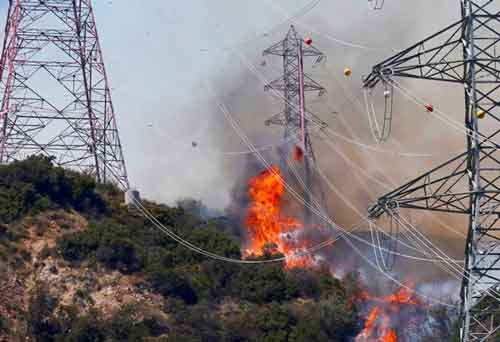
Residents have filed lawsuits against SCE, asserting that the utility's equipment, particularly power lines, ignited the fires. Some plaintiffs have presented videos they claim show sparking power lines in the vicinity of the fire's origin. These legal actions seek to hold SCE accountable for the damages incurred, including property loss, personal injury, and emotional distress.

SCE's Response and Legal Context

Southern California Edison has denied any wrongdoing, stating that it has not detected any anomalies in its equipment that could have led to the fires. The utility has pledged to cooperate fully with investigations to determine the causes of the fires. California's legal framework, particularly the doctrine of "inverse condemnation," allows property owners to seek compensation from utilities for damages caused by public services, even without proof of negligence. This legal principle has been central in previous cases involving utility companies and wildfire damages, and similar allegations have arisen in other jurisdictions, such as an alleged faulty transformer case, highlighting shared risks.

Historical Context and Precedents

This situation is not unprecedented. In 2018, Pacific Gas and Electric (PG&E) faced similar allegations when its equipment was implicated in the Camp Fire, the deadliest wildfire in California's history. PG&E's equipment was found to have ignited the fire, and the company later pleaded guilty in the Camp Fire, leading to extensive litigation and financial repercussions for the company, while its bankruptcy plan won support from wildfire victims during restructuring. The case highlighted the significant risks utilities face regarding wildfire safety and the importance of maintaining infrastructure to prevent such disasters.

Implications for California's Utility Regulations

The current lawsuits against SCE underscore the ongoing challenges California faces in balancing utility operations with wildfire prevention, as regulators face calls for action amid rising electricity bills. The state has implemented stricter regulations and oversight, and lawmakers have moved to crack down on utility spending to mitigate wildfire risks associated with utility infrastructure. Utilities are now required to invest in enhanced safety measures, including equipment inspections, vegetation management, and the implementation of advanced technologies to detect and prevent potential fire hazards. These regulatory changes aim to reduce the incidence of utility-related wildfires and protect communities from future disasters.

The legal actions against Southern California Edison reflect the complex interplay between utility operations, public safety, and environmental stewardship. As investigations continue, the outcomes of these lawsuits may influence future policies and practices concerning utility infrastructure and wildfire prevention in California. The state remains committed to enhancing safety measures to protect its residents and natural resources from the devastating effects of wildfires.


Related News

View more

COVID-19 Response: Electric Power Industry Closely Coordinating With Federal Partners

ESCC COVID-19 Response coordinates utilities, public power, and cooperatives to protect the energy grid and electricity reliability, aligning with DOE, DHS, CDC, FERC, and NERC on continuity of operations, mutual assistance, and supply chain resilience.


Key Points

An industry government effort ensuring reliability, operations continuity and supply chain stability during COVID-19.

✅ Twice weekly ESCC calls align DOE, DHS, HHS, CDC, FERC, NERC priorities.

✅ Focus on control centers, generation, quarantine access, mutual aid.

✅ Resource Guide supports localized decisions and supply chain resilience.


The nation’s investor-owned electric companies, public power utilities, and electric cooperatives are working together to protect the energy grid as the U.S. grid addresses COVID-19 challenges and ensure continued access to safe and reliable electricity during the COVID-19 global health crisis.

The electric power industry has been planning for years, including extensive disaster planning across utilities, for an emergency like the COVID-19 pandemic, as well as countless other types of emergencies, and the industry is coordinating closely with government partners through the Electricity Subsector Coordinating Council (ESCC) to ensure that organizations have the resources they need to keep the lights on.

The ESCC is holding high-level coordination calls twice a week with senior leadership from the Departments of Energy, Homeland Security, and Health and Human Services, the Centers for Disease Control and Prevention, the Federal Energy Regulatory Commission, and the North American Electric Reliability Corporation. These calls help ensure that industry and government work together to resolve any challenges that arise during this health emergency and that electricity remains safe for customers.

“Electricity and the energy grid are indispensable to our society, and one of our greatest strengths as an industry is our ability to convene and adapt quickly to changing circumstances and challenging events,” said Edison Electric Institute President Tom Kuhn. “Our industry plans for all types of contingencies, with examples such as local response planning, and strong industry-government coordination and cross-sector collaboration are critical to our planning and response. We appreciate the ongoing leadership and support of our government partners as we all respond to COVID-19 and power through this crisis together.”

The ESCC quickly mobilized and established strategic working groups dedicated to identifying and solving for short-, medium-, and long-term issues facing the industry during the COVID-19 pandemic, with utilities implementing necessary precautions to maintain service across regions.

The five current areas of focus are:

1. Continuity of operations at control centers, including on-site staff lockdowns when needed
2. Continuity of operations at generation facilities
3. Access to, and operations in, restricted or quarantined areas
4. Protocols for mutual assistance
5. Supply chain challenges

“The electric power industry has taken steps to prepare for the evolving coronavirus challenges, while maintaining our commitment to the communities we serve, including customer relief efforts announced by some providers,” said National Rural Electric Cooperative Association CEO Jim Matheson. “We have a strong track record of preparing for many kinds of emergencies that could impact the ability to generate and deliver electricity. While planning for this situation is unique from other business continuity planning, we are taking actions to prepare to operate with a smaller workforce, potential disruptions in the supply chain, and limited support services for an extended period of time.”

The ESCC has developed a COVID-19 Resource Guide linked here and available at electricitysubsector.org. This document was designed to support electric power industry leaders in making informed localized decisions in response to this evolving health crisis. The guide will evolve as additional recommended practices are identified and as more is learned about appropriate mitigation strategies.

“The American Public Power Association (APPA) continues to work with our communityowned public power members and our industry and government partners to gather and share upto-date information, best practices, and guidance to support them in safely maintaining operational integrity,” said APPA CEO Joy Ditto.


Related News

View more

Sign Up for Electricity Forum’s Newsletter

Stay informed with our FREE Newsletter — get the latest news, breakthrough technologies, and expert insights, delivered straight to your inbox.

Electricity Today T&D Magazine Subscribe for FREE

Stay informed with the latest T&D policies and technologies.
  • Timely insights from industry experts
  • Practical solutions T&D engineers
  • Free access to every issue

Live Online & In-person Group Training

Advantages To Instructor-Led Training – Instructor-Led Course, Customized Training, Multiple Locations, Economical, CEU Credits, Course Discounts.

Request For Quotation

Whether you would prefer Live Online or In-Person instruction, our electrical training courses can be tailored to meet your company's specific requirements and delivered to your employees in one location or at various locations.