
NFPA 70E Training - 2027 Edition - Arc Flash and Electrical Safety Course
Our customized live online or in‑person group training can be delivered to your staff at your location.

- Live Online
- 6 hours Instructor-led
- Group Training Available
Regular Price:
$199
Coupon Price:
$149
TORONTO
—
Ontario Electricity Prices Set to Change on November 1 highlights the Ontario Energy Board’s new winter rate schedule, which adjusts time-of-use, tiered, and ultra-low overnight electricity pricing to reflect seasonal demand, energy efficiency, and cost-saving opportunities for consumers.
Key Points:
Ontario Electricity Prices Set to Change on November 1 refers to the Ontario Energy Board’s annual update, adjusting seasonal time-of-use and tiered electricity rates for homes and small businesses.
? Reflects new winter pricing and rate thresholds
? Affects time-of-use, tiered, and ultra-low overnight plans
? Encourages energy efficiency and cost savings
Ontario residents and small businesses will see adjustments to electricity prices and usage periods this fall as the Ontario Energy Board (OEB) introduces its annual rate and seasonal time-of-use changes beginning November 1.
Most Ontarians are billed under time-of-use pricing, where rates vary according to the time of day power is consumed, following the end of fixed pricing in 2021 in Ontario. The province also offers tiered and ultra-low overnight plans, giving customers flexibility based on their consumption habits. The new winter schedule, running from November 1 to April 30, changes the times when electricity is cheaper and more expensive to use.
Under the time-of-use plan, off-peak hours — when electricity costs the least — will remain from 7 p.m. to 7 a.m. Mid-peak pricing will apply from 11 a.m. to 5 p.m., while on-peak rates — the most expensive times — will be in effect from 7 a.m. to 11 a.m. and again from 5 p.m. to 7 p.m. As in previous years, weekends and statutory holidays will continue to enjoy all-day off-peak pricing on those days.
The OEB says these seasonal adjustments reflect changes in provincial energy consumption patterns. In winter, for example, electricity use increases in the morning and evening as homes and workplaces rely more on heating and lighting, while demand dips overnight.
For customers on the tiered pricing plan — where charges depend on total monthly usage rather than time of day — the consumption threshold will also increase for winter. Between November 1 and April 30, households can consume up to 1,000 kilowatt-hours (kWh) at the lower tier price before moving into the higher rate. During the summer period, from May 1 to October 31, that threshold drops to 600 kWh.
“The higher winter threshold allows customers to use more electricity for heating at the lower price,” the OEB said in a statement. “This approach helps balance seasonal energy needs while maintaining price fairness across customer types.”
Meanwhile, the ultra-low overnight plan, introduced to encourage nighttime charging of electric vehicles and other off-peak activities, will remain unchanged throughout the year. It features the lowest rates between midnight and 6 a.m., with higher prices during evening demand peaks.
Alongside these schedule adjustments, the OEB will announce updated electricity prices in mid-October under its Regulated Price Plan (RPP). “Under the Regulated Price Plan, the OEB sets electricity prices for households, small businesses, and farms each year commencing on November 1,” OEB spokesperson Tom Miller said. “The RPP is usually announced in mid-October, and we expect that will be the case again this year.”
Last year, the OEB reduced rates for many customers; however, this benefit was partly offset by a decrease in the Ontario Electricity Rebate — a pre-tax credit automatically applied to most bills. The coming year’s balance between rates and rebates remains to be seen, as delivery charges and other factors also affect total electricity costs.
The OEB advises Ontarians to review their current billing plans and usage patterns to decide whether time-of-use, tiered, or ultra-low overnight pricing offers the best value as the province transitions to the new winter period, amid ongoing changes for electricity consumers this year.
Related Articles
Related News
FPL Proposes Significant Rate Hikes Over Four Years
FPL Rate Increase Proposal 2026-2029 outlines $9B base-rate hikes as Florida grows, citing residential demand,…
View more
Quebec Power Imports Signal Shift in Electricity Balance
Quebec is importing electricity from the United States as rising domestic demand and reduced hydropower…
View more
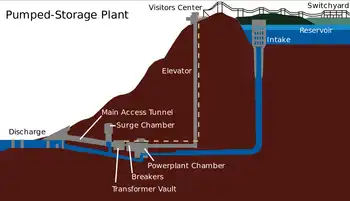
Hydroelectricity Under Pumped Storage Capacity
Pumped Storage Hydroelectricity balances renewable energy, stabilizes the grid, and provides large-scale energy storage using…
View more

Bucharest completes removal of 3,000 km of illegal overhead cables
Bucharest illegal overhead cables removal advances citywide telecommunications cleanup by shifting services into underground conduits…
View more
Saskatchewan to credit solar panel owners, but not as much as old program did
Saskatchewan Solar Net Metering Program lets rooftop solar users offset at retail rate while earning…
View more

Alberta Faces Challenges with Solar Energy Expansion
Alberta Solar Energy Expansion confronts high installation costs, grid integration and storage needs, and environmental…
View more
Sign Up for Electricity Forum’s Newsletter
Stay informed with our FREE Newsletter — get the latest news, breakthrough technologies, and expert insights, delivered straight to your inbox.
Electricity Today T&D Magazine Subscribe for FREE

Stay informed with the latest T&D policies and technologies.
- Timely insights from industry experts
- Practical solutions T&D engineers
- Free access to every issue
