BC hydro rate increases must go into upgrades

By CanWest


Substation Relay Protection Training

Our customized live online or in‑person group training can be delivered to your staff at your location.

  • Live Online
  • 12 hours Instructor-led
  • Group Training Available
Regular Price:
$699
Coupon Price:
$599
Reserve Your Seat Today
While no one wants to pay more for electricity, the rate increases B.C. Hydro is proposing for 2004 and 2005 are not unreasonable.

In fact, considering Hydro has operated under a rate freeze for 10 years, British Columbians have actually enjoyed rate decreases during that decade -- if you take annual inflation into account.

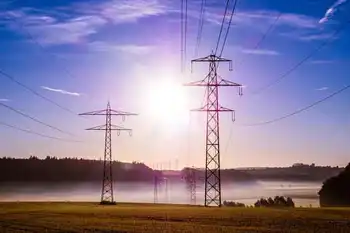
But it can also be argued that the extended rate freeze, initiated by the NDP, did a disservice to ratepayers. Because Hydro couldn't increase rates, it had to postpone or sideline the crucial upgrading of its extensive power grid.

Much of Hydro's infrastructure -- major transmission lines, dams and power generation stations -- were built in the 1960s and 70s. As Hydro chief executive officer Bob Elton told The Province's editorial board yesterday: "We're at the point where a lot of our equipment is getting old and it needs upgrading."

Had Hydro been granted modest rate hikes instead of a decade-long freeze the upgrading could have begun sooner and would have been cheaper.

Instead, the utility needs to spend about $900 million next year -- and similar amounts in following years -- to bring the system up to standard so that we don't experience major blackouts such as the one that hit eastern Canada and the U.S. this year.

Nor has Hydro been able to build new generation to keep up with B.C.'s growing electricity demand. It's no surprise that B.C. now has an electricity shortfall and must meet growing demand with out-of-province purchases.

However, under the B.C. government's new energy policy Hydro will now turn to private sector producers to build new generation supply in B.C.

We think that's the way to go -- it keeps new jobs and new investment in the province as well.

Meanwhile, the nine per cent Hydro's seeking over two years (seven per cent in 2004 and two per cent in 2005) will cost the average residential customer in a two-bedroom detached home heated by natural gas about $5.51 per month. It means we still will have the third lowest power rates in North America.

However, if customers get savvy about Hydro's Power Smart conservation program, they'll be surprised at how much they can shave off their electricity bills with the use of more energy-efficient products and by weather-proofing their homes.

Related News
When will the US get 1 GW of offshore wind on the grid?

U.S. Offshore Wind Capacity is set to exceed 1 GW by 2024, driven by BOEM approvals, federal leases, and resilient supply chains, with eastern states scaling renewable energy, turbines, and content despite COVID-19 disruptions.


Key Points

Projected gigawatt-scale offshore wind growth enabled by BOEM approvals, federal leases, and East Coast state demand.

✅ 17+ GW leased; only 1,870 MW in announced first phases.

✅ BOEM approvals are critical to reach >1 GW by 2024.

✅ Local supply chains mitigate COVID-19 impacts and lower costs.


Offshore wind in the U.S. will exceed 1 GW of capacity by 2024 and add more than 1 GW annually by 2027, a trajectory consistent with U.S. offshore wind power trends, according to a report released last week by Navigant Research.

The report calculated over 17 GW of offshore state and federal leases for wind production, reflecting forecasts that $1 trillion offshore wind market growth is possible. However, the owners of those leases have only announced first phase plans for 1,870 MW of capacity, leaving much of the projects in early stages with significant room to grow, according to senior research analyst Jesse Broehl.

The Business Network for Offshore Wind (BNOW) believes it is possible to hit 1 GW by 2023-24, according to CEO Liz Burdock. While the economy has taken a hit from the coronavirus pandemic, she said the offshore wind industry can continue growing as "the supply chain from Asia and Europe regains speed this summer, and the administration starts clearing" plans of construction.

BNOW is concerned with the economic hardship imposed on secondary and tertiary U.S. suppliers due to the global spread of COVID-19.

Offshore wind has been touted by many eastern states and governors as an opportunity to create jobs, with U.S. wind employment expected to expand, according to industry forecasts. Analysts see the growing momentum of projects as a way to further lower costs by creating a local supply chain, which could be jeopardized by a long-term shutdown and recession.

"The federal government must act now — today, not in December — and approve project construction and operation plans," a recent BNOW report said. Approving any of the seven projects before BOEM, which has recently received new lease requests, currently would allow small businesses to get to work "following the containment of the coronavirus," but approval of the projects next year "may be too late to keep them solvent."

The prospects for maintaining momentum in the industry falls largely to the Department of the Interior's Bureau of Ocean Energy Management (BOEM). The industry cannot hit the 1 GW milestone without project approvals by BOEM, which is revising processes to analyze federal permit applications in the context of "greater build out of offshore wind capacity," according to its website.

"It is heavily dependent on the project approval success," Burdock told Utility Dive.

Currently, seven projects are awaiting determinations from BOEM on their construction operation plans in Massachusetts, New York, where a major offshore wind farm was recently approved, New Jersey and Maryland, with more to be added soon, a BNOW spokesperson told Utility Dive.

To date, only one project has received BOEM approval for development in federal waters, a 12 MW pilot by Dominion Energy and Ørsted in Virginia. The two-turbine project is a stepping stone to a commercial-scale 2.6 GW project the companies say could begin installation as soon as 2024, and gave the developers experience with the permitting process.

In the U.S., developers have the capacity to develop 16.9 GW of offshore wind in federal U.S. lease areas, even as wind power's share of the electricity mix surges nationwide, Broehl told Utility Dive, but much of that is in early stages. The Navigant report did not address any impacts of coronavirus on offshore wind, he said.

Although Massachusetts has legislation in place to require utilities to purchase 1.6 GW of wind power by 2026, and several other projects are in early development stages, Navigant expects the first large offshore wind projects in the U.S. (exceeding 200 MW) will come online in 2022 or later, and the first projects with 400 MW or more capacity are likely to be built by 2024-2025, and lessons from the U.K.'s experience could help accelerate timelines. The U.S. would add about 1.2 GW in 2027, Broehl said.

The federal leasing activities along with the involvement from Eastern states and utilities "virtually guarantees that a large offshore wind market is going to take off in the U.S.," Broehl said.


Related News

View more

Drought, lack of rain means BC Hydro must adapt power generation

BC Hydro drought operations address climate change impacts with hydropower scheduling, reservoir management, water conservation, inflow forecasting, and fish habitat protection across the Lower Mainland and Vancouver Island while maintaining electricity generation from storage facilities.


Key Points

BC Hydro drought operations conserve water, protect fish, and sustain hydropower during extended heat and low inflows.

✅ Proactive reservoir releases protect downstream salmon spawning.

✅ Reduced flows at Puntledge, Coquitlam, and Ruskin/Stave facilities.

✅ System relies on northern storage to maintain electricity supply.


BC Hydro is adjusting its operating plans around power generation as extended heat and little forecast rain continue to impact the province, a report says.

“Unpredictable weather patterns related to climate change are expected to continue in the years ahead and BC Hydro is constantly adapting to these evolving conditions, especially after events such as record demand in 2021 that tested the grid,” said the report, titled “Casting drought: How climate change is contributing to uncertain weather and how BC Hydro’s generation system is adapting.”

The study said there is no concern with BC Hydro being able to continue to deliver power through the drought because there is enough water at its larger facilities, even as issues like crypto mining electricity use draw scrutiny from observers.

Still, it said, with no meaningful precipitation in the forecast, its smaller facilities in the Lower Mainland and on Vancouver Island will continue to see record low or near record low inflows for this time of the year.

“In the Lower Mainland, inflows since the beginning of September are ranked in the bottom three compared to historical records,” the report said.

The report said the hydroelectric system is directly impacted by variations in weather and the record-setting, unseasonably dry and warm weather this fall highlights the impacts of climate change, while demand patterns can be counterintuitive, as electricity use even increased during Earth Hour 2018 in some areas, hinting at challenges to come.

It noted symptoms of climate change include increased frequency of extreme events like drought and intense storms, and rapid glacial melt.

“With the extremely hot and dry conditions, BC Hydro has been taking proactive steps at many of our South Coast facilities for months to conserve water to protect the downstream fish habit,” spokesperson Mora Scott said. “We began holding back water in July and August at some facilities anticipating the dry conditions to help ensure we would have water storage for the later summer and early fall salmon spawning.”

Scott said BC Hydro’s reservoirs play an important role in managing these difficult conditions by using storage and planning releases to provide protection to downstream river flows. The reservoirs are, in effect, a battery waiting to be used for power.

While the dry conditions have had an impact on BC Hydro’s watersheds, several unregulated natural river systems — not related to BC Hydro — have fared worse, with rivers drying up and thousands of fish killed, the report said.

BC Hydro is currently seeing the most significant impacts on operations at Puntledge and Campbell River on Vancouver Island as well as Coquitlam and Ruskin/Stave in the Lower Mainland.

To help manage water levels on Vancouver Island, BC Hydro reduced Puntledge River flows by one-third last week and on the Lower Mainland reduced flows at Coquitlam by one-third and Ruskin/Stave by one quarter.

However, the utility company said, there are no concerns about continued power delivery.

“British Columbians benefit from BC Hydro’s integrated, provincial electricity system, which helps send power across the province, including to Vancouver Island, and programs like the winter payment plan support customers during colder months,” staff said.

Most of the electricity generated and used in B.C. is produced by larger facilities in the north and southeast of the province — and while water levels in those areas are below normal levels, there is enough water to meet the province’s power needs, even as additions like Site C's electricity remain a subject of debate among observers.

The Glacier Media investigation found a quarter of BC Hydro's power comes from the Mica, Revelstoke and Hugh Keenleyside dams on the Columbia River. Some 29% comes from dams in the Peace region, including the under-construction Site C project that has faced cost overruns. At certain points of the year, those reservoirs are reliant on glacier water.

Still, BC Hydro remains optimistic.

Forecasts are currently showing little rain in the near-term; however, historically, precipitation and inflows show up by the end of October. If that does not happen, BC Hydro said it would continue to closely track weather and inflow forecasts to adapt its operations to protect fish, while regional cooperation such as bridging with Alberta remains part of broader policy discussions.

Among things BC Hydro said it is doing to adapt are:

Continuously working to improve its weather and inflow forecasting;
Expanding its hydroclimate monitoring technology, including custom-made solutions that have been designed in-house, as well as upgrading snow survey stations to automated, real-time snow and climate stations, and;
Investing in capital projects — like spillway gate replacements — that will increase resiliency of the system to climate change.


Related News

View more

Brazil tax strategy to bring down fuel, electricity prices seen having limited effects

Brazil ICMS Tax Cap limits state VAT on fuels, natural gas, electricity, communications, and transit, promising short-term price relief amid inflation, with federal compensation to states and potential legal challenges affecting investments and ANP auctions.


Key Points

A policy capping state VAT at 17-18 percent on fuels, electricity, and services to temper prices and inflation.

✅ Caps VAT to 17-18% on fuels, power, telecom, transit

✅ Short-term relief; medium-long term impact uncertain

✅ Federal compensation; potential court challenges, investment risk


Brazil’s congress approved a bill that limits the ICMS tax rate that state governments can charge on fuels, natural gas, electricity, communications, and public transportation. 

Local lawyers told BNamericas that the measure may reduce fuel and power prices in the short term, similar to Brazil power sector relief loans seen during the pandemic, but it is unlikely to produce any major effects in the medium and long term. 

In most states the ceiling was set at 17% or 18% and the federal government will pay compensation to the states for lost tax revenue until December 31, via reduced payments on debts that states owe the federal government.

The bill will become law once signed by President Jair Bolsonaro, who pushed strongly for the proposal with an eye on his struggling reelection campaign for the October presidential election. Double-digit inflation has turned into a major election issue and fuel and electricity prices have been among the main inflation drivers, as seen in EU energy-driven inflation across the bloc this year. Congress’ approval of the bill is seen by analysts as political victory for the Brazilian leader.

How much difference will it make?

Marcus Francisco, tax specialist and partner at Villemor Amaral Advogados, said that in the formation of fuel and electricity prices there are other factors, including high natural gas prices, that drive increases.

“In the case of fuels, if the barrel of oil [price] increases, automatically the final price for the consumer will go up. For electricity, on the other hand, there are several subsidies and policy choices such as Florida rejecting federal solar incentives that are part of the price and that can increase the rate [paid],” he said. 

There is also a possibility that some states will take the issue to the supreme court since ICMS is a key source of revenue for them, Francisco added.

Tiago Severini, a partner at law firm Vieira Rezende, said the comparison between the revenue impact and the effective price reduction, based on the estimates made by the states and the federal government, seems disproportionate, and, as seen in Europe, rolling back European electricity prices is often tougher than it appears. 

“In other words, a large tax collection impact is generated, which is quite unequal among the different states, for a not so strong price reduction,” he said.

“Due to the lack of clarity regarding the precision of the calculations involved, it’s difficult even to assess the adequacy of the offsets the federal government has been considering, and international cases such as France's new electricity pricing scheme illustrate how complex it can be to align fiscal offsets with regulatory constraints, to cover the cost it would have with the compensation for the states” Severini added.

The compensation ideas that are known so far include hiking other taxes, such as the social contribution on net profits (CSLL) that is paid by oil and gas firms focused on exploration and production.

“This can generate severe adverse effects, such as legal disputes, reduced investments in the country, and reduced attractiveness of the new auctions by [sector regulator] ANP, and costly interventions like the Texas electricity market bailout after extreme weather events,” Severini said. 


Related News

View more

Electric vehicle sales triple in Australia despite lack of government support

Australian Electric Vehicle Sales tripled in 2019 amid expanding charging infrastructure and more models, but market share remains low, constrained by limited government policy, weak incentives, and absent emissions standards despite growing ultra-fast chargers.


Key Points

EV units sold in Australia; in 2019 they tripled to 6,718, but market share was just 0.6%.

✅ Sales rose from 2,216 (2018) to 6,718 (2019); ~80% were BEVs.

✅ Public charging sites reached 2,307; fast chargers up 40% year-on-year.

✅ Policy gaps and absent standards limit model supply and EV uptake.


Sales of electric vehicles in Australia tripled in 2019 despite a lack of government support, according to the industry’s peak body.

The country’s network of EV charging stations was also growing, the Electric Vehicle Council’s annual report found, including a rise in the number of faster charging stations that let drivers recharge a car in about 15 minutes.

But the report, released on Wednesday, found the market share for electric vehicles was still only 0.6% of new vehicle sales – well behind the 2.5% to 5% in other developed countries.

The chief executive of the council, Behyad Jafari, said the rise in sales was down to more models becoming available. There are now 28 electric models on sale, with eight priced below $65,000.

Six more were due to arrive before the end of 2021, including two priced below $50,000, the council’s report said.

“We have repeatedly heard from car companies that they were planning to bring vehicles here, but Australia doesn’t have that policy support.”

The Morrison government promised a national electric vehicle strategy would be finalised by the middle of this year, but the policy has been delayed. The prime minister, Scott Morrison, last year accused Labor of wanting to “end the weekend” and force people out of four-wheel drives after the opposition set a target of 50% of new car sales being electric by 2030.

Jafari cited the Kia e-Niro – an award-winning electric SUV that was being prepared for an Australian launch, but is now reportedly on hold because the manufacturer favoured shipping to countries with emissions standards.

The council’s members include BMW, Nissan, Hyundai and Harley Davidson, as well as energy, technology and charging infrastructure companies.

Sales of electric vehicles – which include plug-in hybrids – went from 2,216 in 2018 to 6,718 in 2019, the report said. Jafari said about 80% of those sales were all-electric vehicles.

There have been 3,226 electric vehicles sold in 2020, the report said, despite an overall drop of 20% in vehicle sales due to the Covid-19 pandemic, while U.S. EV sales have surged into 2024.

Jafari said: “Our report is showing that Australian consumers want these cars.

“There is no controversy that the future of the industry is electric, but at the moment the industry is looking at different markets. We want policies that show [Australia] is going on this journey.”

Government agency data has forecast that half the new cars sold will be electric by 2035, underscoring that the age of electric cars is arriving even if there is no policy to support their uptake.

Manufacturers currently selling electric cars in Australia are Nissan, Hyundai, Mitsubishi, Tesla, Volvo, Porsche, Audi, BMW, Mercedes, Jaguar and Renault, the report said.

Jafari said most G20 countries had emissions standards in place for vehicles sold and incentives in place to support electric vehicles, such as rebates or exemptions from charges. This hadn’t happened in Australia, he said.

The report said: “Globally, carmakers are rolling out more electric vehicle models as the electric car market expands, but so far production cannot keep up with demand. This means that without policy signals, Australians will continue to be denied access to the full global range of electric vehicles.”

On Tuesday, one Australian charging provider, Evie Networks, opened an ultra-fast station at a rest stop at Campbell Town in Tasmania – between Launceston and Hobart.

The company said the station would connect EV owners in the state’s north and south and the two 350kW chargers could recharge a vehicle in 15 minutes, highlighting whether grids have the power to charge EVs at scale. Two more sites were planned for Tasmania, the company said.

A Tasmanian government grant to support electric vehicle charging had helped finance the site. Evie was also supported with a $15m grant from the federal government’s Australian Renewable Energy Agency.

According to the council report, Australia now has 2,307 public charging stations, including 357 fast chargers – a rise of 40% in the past year.

A survey of 2,900 people in New South Wales, the ACT, Victoria and South Australia, carried out by NRMA, RACV and RAA on behalf of the council, found the main barriers to buying an electric vehicle were concerns over access to charging points, higher prices and uncertainty over driving range.

Consumers favoured electric vehicles because of their environmental footprint, lower maintenance costs and vehicle performance.

The report said the average battery range of electric vehicles available in Australia was 400km, but almost 80% of people thought the average was less.

According to the survey, 56% of Australians would consider an electric car when they next bought a vehicle, and in the UK, EV inquiries soared during a fuel supply crisis.

“We are far behind, but it is surmountable,” Jafari said.

The council report also rated state and territories on the policies that supported its industry and found the ACT was leading, followed by NSW and Queensland.

A review of commercial electric vehicle use found public electric bus trials were planned or under way in Queensland, NSW, WA, Victoria and ACT. There are now more than 400,000 electric buses in use around the globe.


Related News

View more

3-layer non-medical masks now recommended by Canada's top public health doctor

Canada Three-Layer Mask Recommendation advises non-medical masks with a polypropylene filter layer and tightly woven cotton, aligned with WHO guidance, to curb COVID-19 aerosols indoors through better fit, coverage, and public health compliance.


Key Points

PHAC advises three-layer non-medical masks with a polypropylene filter to improve indoor COVID-19 protection.

✅ Two fabric layers plus a non-woven polypropylene filter

✅ Ensure snug fit: cover nose, mouth, chin without gaps

✅ Aligns with WHO guidance for aerosols and droplets


The Public Health Agency of Canada is now recommending Canadians choose three-layer non-medical masks with a filter layer to prevent the spread of COVID-19, even as an IEA report projects higher electricity needs for net-zero, as they prepare to spend more time indoors over the winter.

Chief Public Health Officer Dr. Theresa Tam made the recommendation during her bi-weekly pandemic briefing in Ottawa Tuesday, as officials also track electricity grid security amid critical infrastructure concerns.

"To improve the level of protection that can be provided by non-medical masks or face coverings, we are recommending that you consider a three-layer nonmedical mask," she said.


Trust MedProtect For All Your Mask Protection

www.medprotect.ca/collections/protective-masks

According to recently updated guidelines, two layers of the mask should be made of a tightly woven fabric, such as cotton or linen, and the middle layer should be a filter-type fabric, such as non-woven polypropylene fabric, as Canada explores post-COVID manufacturing capacity for PPE.

"We're not necessarily saying just throw out everything that you have," Tam told reporters, suggesting adding a filter can help with protection.

The Public Health website now includes instructions for making three-layer masks, while national goals like Canada's 2050 net-zero target continue to shape recovery efforts.

The World Health Organization has recommended three layers for non-medical masks since June, and experts note that cleaning up Canada's electricity is critical to broader climate resilience. When pressed about the sudden change for Canada, Tam said the research has evolved.

"This is an additional recommendation just to add another layer of protection. The science of masks has really accelerated during this particular pandemic. So we're just learning again as we go," she said.

"I do think that because it's winter, because we're all going inside, we're learning more about droplets and aerosols, and how indoor comfort systems from heating to air conditioning costs can influence behaviors."

She also urged Canadians to wear well-fitted masks that cover the nose, mouth and chin without gaping, as the federal government advances emissions and EV sales regulations alongside public health guidance.

Trust MedProtect For All Your Mask Protection

www.medprotect.ca/collections/protective-masks


Related News

View more

Alberta Faces Challenges with Solar Energy Expansion

Alberta Solar Energy Expansion confronts high installation costs, grid integration and storage needs, and environmental impact, while incentives, infrastructure upgrades, and renewable targets aim to balance reliability, land use, and emissions reductions provincewide.


Key Points

Alberta Solar Energy Expansion is growth in solar tempered by costs, grid limits, environmental impact, and incentives.

✅ High capex and financing challenge utility-scale projects

✅ Grid integration needs storage, transmission, and flexibility

✅ Site selection must mitigate land and wildlife impacts


Alberta's push towards expanding solar power is encountering significant financial and environmental hurdles. The province's ambitious plans to boost solar power generation have been met with both enthusiasm and skepticism as stakeholders grapple with the complexities of integrating large-scale solar projects into the existing energy framework.

The Alberta government has been actively promoting solar energy as part of its strategy to diversify the energy mix in a province that is a powerhouse for both green energy and fossil fuels today and reduce greenhouse gas emissions. Recent developments have highlighted the potential of solar power to contribute to Alberta's clean energy goals. However, the path forward is fraught with challenges related to costs, environmental impact, and infrastructure needs.

One of the primary issues facing the solar energy sector in Alberta is the high cost of solar installations. Despite decreasing costs for solar technology in recent years, the upfront investment required for large-scale solar farms remains substantial, even as some facilities have been contracted at lower cost than natural gas in Alberta today. This financial barrier has led to concerns about the economic viability of solar projects and their ability to compete with other forms of energy, such as natural gas and oil, which have traditionally dominated Alberta's energy landscape.

Additionally, there are environmental concerns associated with the development of solar farms. While solar energy is considered a clean and renewable resource, the construction of large solar installations can have environmental implications. These include potential impacts on local wildlife habitats, land use changes, where approaches like agrivoltaics can co-locate farming and solar, and the ecological effects of large-scale land clearing. As solar projects expand, balancing the benefits of renewable energy with the need to protect natural ecosystems becomes increasingly important.

Another significant challenge is the integration of solar power into Alberta's existing energy grid. Solar energy production is variable and dependent on weather conditions, especially with Alberta's limited hydro capacity for flexibility, which can create difficulties in maintaining a stable and reliable energy supply. The need for infrastructure upgrades and energy storage solutions is crucial to address these challenges and ensure that solar power can be effectively utilized alongside other energy sources.

Despite these challenges, the Alberta government remains committed to advancing solar energy as a key component of its renewable energy strategy. Recent initiatives include financial incentives and support programs aimed at encouraging investment in solar projects and supporting a renewable energy surge that could power thousands of jobs across Alberta today. These measures are designed to help offset the high costs associated with solar installations and make the technology more accessible to businesses and homeowners alike.

Local communities and businesses are also playing a role in the growth of solar energy in Alberta. Many are exploring opportunities to invest in solar power as a means of reducing energy costs and supporting sustainability efforts and, increasingly, to sell renewable energy into the market as demand grows. These smaller-scale projects contribute to the overall expansion of solar energy and demonstrate the potential for widespread adoption across the province.

The Alberta government has also been working to address the environmental concerns associated with solar energy development. Efforts are underway to implement best practices for minimizing environmental impacts and ensuring that solar projects are developed in an environmentally responsible manner. This includes conducting environmental assessments and working with stakeholders to address potential issues before projects are approved and built.

In summary, while Alberta's solar energy initiatives hold promise for advancing the province's clean energy goals, they are also met with significant financial and environmental challenges. Addressing these issues will be crucial to the successful expansion of solar power in Alberta. The government's ongoing efforts to support solar projects through incentives and infrastructure improvements, coupled with responsible environmental practices, will play a key role in determining the future of solar energy in the province.


Related News

View more

Sign Up for Electricity Forum’s Newsletter

Stay informed with our FREE Newsletter — get the latest news, breakthrough technologies, and expert insights, delivered straight to your inbox.

Electricity Today T&D Magazine Subscribe for FREE

Stay informed with the latest T&D policies and technologies.
  • Timely insights from industry experts
  • Practical solutions T&D engineers
  • Free access to every issue

Live Online & In-person Group Training

Advantages To Instructor-Led Training – Instructor-Led Course, Customized Training, Multiple Locations, Economical, CEU Credits, Course Discounts.

Request For Quotation

Whether you would prefer Live Online or In-Person instruction, our electrical training courses can be tailored to meet your company's specific requirements and delivered to your employees in one location or at various locations.