California Regulators Question Grid Upgrade

By Reuters


High Voltage Maintenance Training Online

Our customized live online or in‑person group training can be delivered to your staff at your location.
  • Live Online
  • 12 hours Instructor-led
  • Group Training Available
Regular Price:
$599
Coupon Price:
$499
Reserve Your Seat Today
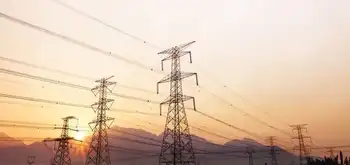
A project to unclog a big bottleneck on the California power grid -- a contributor to blackouts in 2000 to 2001 -- has been thrown into question by a judge at the California Public Utilities Commission.

CPUC Judge Meg Gottstein, in a draft order, ruled utility Pacific Gas & Electric Co. cannot go ahead with the $323 million job to expand the "Path 15" transmission corridor because it will not provide utility customers enough savings to offset the project's cost.

A separate draft order by CPUC Commissioner Loretta Lynch, however, would give Path 15 the green light.

The five-member CPUC will not take up the two draft orders until at least April 17.

Lynch said the Central Valley project, which aims to add more capacity to the high-voltage lines that carry power between southern and northern California, provides economic benefits by acting as an "expensive" insurance policy against "market gaming abuses" like those in 2000 to 2001.

California has charged that energy traders manipulated the wholesale electricity market to rig prices at 10 times normal levels during the state's energy crisis.

Two top energy traders for bankrupt Enron Corp. have pleaded guilty in San Francisco Federal Court to conspiracy charges that they "gamed" energy prices and are cooperating with an ongoing federal investigation into manipulation of the California market.

Since the height of California's energy crisis, federal price caps have pushed down electricity prices and more power plants have come on line, easing the need to send megawatts long distances across the state grid and making Path 15 less essential to maintaining reliability of the grid.

COST-BENEFIT MISMATCH

In her decision, Gottstein said she reviewed an economic analysis of the project by the Independent System Operator, California's grid manager, and found that the cost of upgrading Path 15 "would not even catch up with estimated benefits within a 10-year period, except under implausible scenarios."

Lynch, however, said the Path 15 project is valuable to customers by reducing potential market abuses and signaling to "market players that California will take all actions necessary to prevent a repeat of the blackouts and horrific prices increases that occurred in 2000 and 2001 due to market manipulation."

Gregg Fishman, a spokesman for the ISO, said the grid operator "definitely sees a need for Path 15" and believes the project is cost effective.

Pacific Gas & Electric, a unit of San Francisco-based PG&E Corp., will "look for clarification from the commission and work with the commission to understand the direction they intend," said spokesman Jon Tremayne.

The utility, which filed for bankruptcy protection in April 2001 after running up huge debts buying power for its customers, would work on Path 15 with the Western Area Power Administration, a federal agency, and Trans-Elect Inc., a private transmission company.

The project would add about 1,500 megawatts to the 3,950 megawatts of capacity on the 83-mile (134-km) corridor. One megawatt is power for about 1,000 homes.

Related News
Sens. Wyden, Merkley Introduce Bill to Ensure More Wildfire Resilient Power Grid

Wildfire Resilient Power Grid Act proposes DOE grants for utility companies to fund wildfire mitigation, grid resilience upgrades, undergrounding power lines, fast-tripping protection, weather monitoring, and vegetation management, prioritizing rural electric cooperatives.


Key Points

A federal bill funding utility wildfire mitigation and grid hardening via DOE grants, prioritizing rural utilities.

✅ $1B DOE matching grants for grid upgrades and wildfire mitigation.

✅ Prioritizes rural utilities; supports undergrounding and hardening.

✅ Funds fast-tripping protection, weather stations, vegetation management.


U.S. Sens. Ron Wyden and Jeff Merkley today introduced new legislation, amid transmission barriers that persist, to incentivize utility companies to do more to reduce wildfire risks as aging power infrastructure ignite wildfires in Oregon and across the West.

Wyden and Merkley's Wildfire Resilient Power Grid Act of 2020 would ensure power companies do their part to reduce the risk of wildfires through power system upgrades, even as California utility spending crackdown seeks accountability, such as the undergrounding of power lines, fire safety equipment installation and proper vegetation management.

"First and foremost, this is a public safety issue. Fire after fire ignited this summer because the aging power grid could not withstand a major windstorm during the season's hottest and driest days," Wyden said. "Many utility companies are already working to improve the resiliency of their power grid, but the sheer costs of these investments must not come at the expense of equitable regulation for rural utility customers. Congress must do all that it can to stop the catastrophic wildfires decimating the West, and that means improving rural infrastructure. By partnering with utilities around the country, we can increase wildfire mitigation efforts at a modest cost -- a fire prevention investment that will pay dividends by saving lives, homes and businesses."

"When this year's unprecedented wildfire event hit, I drove hundreds of miles across our state to see the damage firsthand and to hear directly from impacted communities, so that I could go back to D.C. and work for the solutions they need," said Merkley. "What I saw was apocalyptic--and we have to do everything we can to reduce the risk of this happening again. That means we have to work with our power companies to get critical upgrades and safety investments into place as quickly as possible."

The Wildfire Resilient Power Grid Act of 2020:

* Establishes a $1 billion-per-year matching grant program for power companies through the Department of Energy, even as ACORE opposed DOE subsidy proposals, to reduce the risk of power lines and grid infrastructure causing wildfires.

* Gives special priority to smaller, rural electric companies to ensure mitigation efforts are targeted to forested rural areas.

* Promotes proven methods for reducing wildfire risks, including undergrounding of lines, installing fast-tripping protection systems, and constructing weather monitoring stations to respond to electrical system fire risks.

* Provides for hardening of overhead power lines and installation of fault location equipment where undergrounding of power lines is not a favorable option.

* Ensures fuels management activities of power companies are carried out in accordance with Federal, State, and local laws and regulations.

* Requires power companies to have "skin in the game" by making the program a 1-to-1 matching grant, with an exception for smaller utilities where the matching requirement is one third of the grant.

* Delivers accountability on the part of utilities and the Department of Energy by generating a report every two years on efforts conducted under the grant program.

Portland General Electric President and CEO Maria Pope: "We appreciate Senator Wyden's and Senator Merkley's leadership in proposing legislation to provide federal funding that will help protect Oregon from devastating wildfires. When passed, this will help make Oregon's electric system safer, faster, without increasing customer prices. That is especially important given the economy and hotter, drier summers and longer wildfire seasons that Oregon will continue to face."

Lane County Commission Chair Heather Butch: " In a matter of hours, the entire Lane County community of Blue River was reduced to ashes by the Holiday Farm Fire. Since the moment I first toured that devastation I've been committed to building it back better. I applaud Senators Wyden and Merkley for drafting the Wildfire Resilient Power Grid Act, as it could well provide the path towards meeting this important goal. Moreover, the resultant programs will better protect rural communities from the increasing dangers of wildfires through a number of preventative measures that would otherwise be difficult to implement."

Linn County Commissioner Roger Nyquist: "This legislation is a smart strategic investment for the future safety of our residents as well as the economic vitality of our community."

Marion County Commissioner Kevin Cameron: "After experiencing a traumatic evacuation during the Beachie Creek and Lion's Head wild fires, I understand the need to strengthen the utility Infrastructure. The improvements resulting from Senator Wyden and Merkley's bill will reduce disasters in the future, but improve everyday reliability for our citizens who live, work and protect the environment in potential wildfire areas."

Edison Electric Institute President Tom Kuhn: "EEI thanks Senator Wyden and Senator Merkley for their leadership in introducing the Wildfire Resilient Power Grid Act. This bill will help support and accelerate projects already planned and underway to enhance energy grid resiliency and mitigate the risk of wildfire damage to power lines. Electric companies across the country are committed to working with our government partners and other stakeholders on preparation and mitigation efforts that combat the wildfire threat and on the rapid deployment of technology solutions, including aggregated DERs at FERC, that address wildfire risks, while still maintaining the safe, reliable, and affordable energy we all need."

Oregon Rural Electric Cooperative Association Executive Director Ted Case: "Oregon's electric cooperatives support the Wildfire Resilient Power Grid Act and appreciate Senator Wyden's and Senator Merkley's leadership and innovative approach to wildfire mitigation, particularly for small, rural utilities. This legislation includes targeted assistance that will help us to continue to provide affordable, reliable and safe electricity to over 500,000 Oregonians."

Sustainable Northwest Director of Government Affairs & Program Strategy Dylan Kruse: "In recent years, the West has seen too many wildfires originate due to poorly maintained or damaged electric utility transmission and distribution infrastructure. This legislation plays an important role to ensure that power lines do not contribute to wildfire starts, while providing safe and reliable power to communities during wildfire events. Utilities must, even as Wyoming clean energy bill proposals emerge, live up to their legal requirements to maintain their infrastructure, but this bill provides welcome resources to expedite and prioritize risk reduction, while preventing cost increases for ratepayers."

Oregon Wild Wilderness Program Manager Erik Fernandez: "2020 taught Oregon the lesson that California learned in the Paradise Fire, and SCE wildfire lawsuits that followed underscore the stakes. Addressing the risk of unnaturally caused powerline fires is an increasingly important critical task. I appreciate Senator Ron Wyden's efforts to protect our homes and communities from powerline fires."


Related News

View more

A resilient Germany is weathering the energy crunch

German Energy Price Brakes harness price signals in a market-based policy, cutting gas consumption, preserving industrial output, and supporting CO2 reduction, showcasing Germany's resilience and adaptation while protecting households and businesses across Europe.


Key Points

Fixed-amount subsidies preserving price signals to curb gas use, shield consumers, and sustain industrial output.

✅ Maintains incentives via market-based price signals

✅ Cuts gas consumption without distorting EU markets

✅ Protects households and industry while curbing CO2


German industry and society are once again proving much more resilient and adaptable than certain people feared. Horror scenarios of a dangerous energy rationing or a massive slump in our economy have often been bandied about. But we are nowhere near that. With a challenging year just behind us, this is good news — not only for Germany, but also for Europe, where France-Germany energy cooperation has strengthened solidarity.

Companies and households reacted swiftly to the sharp increases in energy prices, in line with momentum in the global energy transition seen across markets. They installed more efficient heating or production facilities, switched to alternatives and imported intermediate products. The results are encouraging: German households and businesses have reduced gas consumption significantly, despite recent cold weather. From the start of the war in Ukraine to mid-December industrial gas consumption in Germany was (temperature-adjusted) around 20 per cent lower than the average level for the preceding three years. Even if some firms have cut back production, especially in energy-intensive sectors, industrial output as a whole has only fallen by about 1 per cent since the start of 2022. Added to this, in a survey released by the Ifo institute in November, over a third of German companies saw the potential to reduce gas consumption further without endangering output.

Instead of imposing excessive laws and regulations, we have relied on price signals and the prudence of market participants to create the right incentives and reduce gas consumption, as falling costs like record-low solar power prices continue to reinforce those signals across sectors.

We will follow this approach in coming months, when energy savings will remain important, even as the EU electricity outlook anticipates sharply higher demand by 2050. Our latest relief measures will not distort price signals. To this end, the Bundestag approved gas and electricity price brakes in its final session in 2022. They are designed to function without any intervention in markets or prices. This system will pay out a fixed amount relative to previous years’ consumption and the current difference to a reference price — regardless of current consumption.

Energy price brakes are the main component of Germany’s “protective shield”, which makes up to €200bn available for measures in 2022 to 2024. Seen in relation to the German economy’s size, its past heavy reliance on Russian energy imports and the fact that the measures will expire in 2024, these are balanced and expedient mechanisms. In contrast to instruments used in other countries, our new arrangements will not affect the price formation process driven by supply and demand, or on incentives to save gas. Companies and households will continue to save the full market price when they reduce consumption by a unit of gas or electricity. In this way, the price brakes also avoid the creation of additional demand for gas at the expense of consumers in other European countries, even as Europe’s Big Oil turning electric signals broader structural shifts in energy markets. No one need fear that competition will be distorted or that gas will be bought up. Indeed, a recent IMF working paper on cushioning the impact of high energy prices on households explicitly praises the German energy price brakes.

Current developments confirm the effectiveness of a market-based approach — and show that we should also rely on price signals when it comes to reducing CO₂ emissions, as suggested by IEA CO2 trends in recent years. Last year, households and companies had only a few weeks to adapt, yet we have already seen a strong response. The effect of CO₂ prices can be even stronger, as adaptation is possible over a much longer time and they additionally affect expectations and long-term decisions. Regulatory interventions and subsidy schemes, even if well targeted, cannot compete with market co-ordination and incentives that support individual decision-making and promote innovation.

Europe and Germany can weather this crisis without a collapse in industrial production. We also have an opportunity to deal efficiently with the move to climate neutrality, aligned with Germany’s hydrogen strategy for imported low-carbon fuels. In both cases, we should have confidence in price signals as well as in the power of people and business to innovate and adapt.


Related News

View more

ETP 2017 maps major transformations in energy technologies

Global Energy Electrification drives IEA targets as smart grids, storage, EVs, and demand-side management scale. Paris Agreement-aligned policies and innovation accelerate decarbonization, enabling flexible, low-carbon power systems and net-zero pathways by 2060.


Key Points

A shift to electricity across sectors via smart grids, storage, EVs, and policy to cut CO2 and improve energy security.

✅ Smart grids, storage, DSM enable flexible, resilient power.

✅ Aligns with IEA pathways and Paris Agreement goals.

✅ Drives EV adoption, building efficiency, and net-zero by 2060.


The global energy system is changing, with European electricity market trends highlighting rapid shifts. More people are connecting to the grid as living standards improve around the world. Demand for consumer appliances and electronic devices is rising. New and innovative transportation technologies, such as electric vehicles and autonomous cars are also boosting power demand.

The International Energy Agency's latest report on energy technologies outlines how these and other trends as well as technological advances play out in the next four decades to reshape the global energy sector.

Energy Technology Perspectives 2017 (ETP) highlights that decisive policy actions and market signals will be needed to drive technological development and benefit from higher electrification around the world. Investments in stronger and smarter infrastructure, including transmission capacity, storage capacity and demand side management technologies such as demand response programs are necessary to build efficient, low-carbon, integrated, flexible and robust energy system. 

Still, current government policies are not sufficient to achieve long-term global climate goals, according to the IEA analysis, and warnings about falling global energy investment suggest potential supply risks as well. Only 3 out of 26 assessed technologies remain “on track” to meet climate objectives, according to the ETP’s Tracking Clean Energy Progress report. Where policies have provided clean signals, progress has been substantial. However, many technology areas suffer from inadequate policy support. 

"As costs decline, we will need a sustained focus on all energy technologies to reach long-term climate targets," said IEA Executive Director Dr Fatih Birol. "Some are progressing, but too few are on track, and this puts pressure on others. It is important to remember that speeding the rate of technological progress can help strengthen economies, boost energy security while also improving energy sustainability."

ETP 2017’s base case scenario, known as the Reference Technology Scenario (RTS), takes into account existing energy and climate commitments, including those made under the Paris Agreement. Another scenario, called 2DS, shows a pathway to limit the rise of global temperature to 2ºC, and finds the global power sector could reach net-zero CO2 emissions by 2060.

A second decarbonisation scenario explores how much available technologies and those in the innovation pipeline could be pushed to put the energy sector on a trajectory beyond 2DS. It shows how the energy sector could become carbon neutral by 2060 if known technology innovations were pushed to the limit. But to do so would require an unprecedented level of policy action and effort from all stakeholders.

Looking at specific sectors, ETP 2017 finds that buildings could play a major role in supporting the energy system transformation. High-efficiency lighting, cooling and appliances could save nearly three-quarters of today’s global electricity demand between now and 2030 if deployed quickly. Doing so would allow a greater electrification of the energy system that would not add burdens on the system. In the transportation system, electrification also emerges as a major low-carbon pathway, with clean grids and batteries becoming key areas to watch in deployment.

The report finds that regardless of the pathway chosen, policies to support energy technology innovation at all stages, from research to full deployment, alongside evolving utility trends that operators need to watch, will be critical to reap energy security, environmental and economic benefits of energy system transformations. It also suggests that the most important challenge for energy policy makers will be to move away from a siloed perspective towards one that enables systems integration.


Related News

View more

Newsom Vetoes Bill to Codify Load Flexibility

California Governor Gavin Newsom vetoed a bill aimed at expanding load flexibility in state grid planning, citing conflicts with California’s resource adequacy framework and concerns over grid reliability and energy planning uncertainty.


Why has Newsom vetoed the Bill to Codify Load Flexibility?

Governor Gavin Newsom’s veto blocks legislation that would have required the California Energy Commission to incorporate load flexibility into the state’s energy planning and policy framework, a move that has stirred debate across the clean energy sector.

✅ Argues the bill conflicts with California’s existing Resource Adequacy system

✅ Draws backlash from clean energy and grid modernization advocates

✅ Exposes ongoing tension over how to manage renewable integration and demand response


California Governor Gavin Newsom has vetoed Assembly Bill 44, which would have required the California Energy Commission to evaluate and incorporate load management mechanisms into the state’s energy planning process. The move drew criticism from clean energy advocates who say it undermines efforts to strengthen grid reliability and reduce costs.

The bill directed the commission to adopt “upfront technical requirements and load modification protocols” that would allow load-serving entities to adjust their electrical demand forecasts. Proponents viewed this as a way to modernize California’s grid management, and to explore a revamp of electricity rates to help clean the grid, making it more responsive to demand fluctuations and renewable energy variability.

In his veto statement, Newsom said the bill was incompatible with existing energy planning frameworks, even as a looming electricity shortage remains a concern. “While I support expanding electric load flexibility, this bill does not align with the California Public Utility Commission’s Resource Adequacy framework,” he said. “As a result, the requirements of this bill would not improve electric grid reliability planning and could create uncertainty around energy resource planning and procurement processes.”

Newsom’s decision comes shortly after he signed a broad package of energy legislation that set the stage for a regional Western electricity market and extended the state’s cap-and-trade program. However, that legislative package did not include continued funding for several key grid reliability programs — including what advocates have called the world’s largest virtual power plant, a distributed network of connected devices that can balance electricity demand in real time.

Clean energy supporters saw AB 44 as a crucial step toward integrating these distributed energy resources into long-term grid planning. “With Assembly Bill 44 being vetoed, the state has missed a huge opportunity to advance common-sense policy that would have lowered costs, strengthened the grid, and unlocked the full potential of advanced energy,” said Edson Perez, California lead at Advanced Energy United.

Perez added that the setback increases pressure on lawmakers to take stronger action in the next legislative session. “The pressure is on next session to ensure that California is using all tools in its policy toolbox to build critically needed infrastructure, strengthen the grid, and bring costs down,” he said.

California’s growing use of demand response programs and virtual power plants has been central to its strategy for managing grid stress during heat waves and wildfire seasons. These systems allow utilities and customers to temporarily reduce or shift energy use, helping to prevent blackouts and reduce the need for fossil-fuel peaker plants during peak demand.

A recent report by the Brattle Group found that California’s taxpayer-funded virtual power plant could save ratepayers $206 million between 2025 and 2028 while reducing reliance on gas generation. The study, commissioned by Sunrun and Tesla Energy, highlighted the potential for flexible load management to improve both grid reliability and reduce costs, even as regulators weigh whether the state needs more power plants to ensure reliability.

Despite these findings, Newsom’s veto signals continued tension between state policymakers and clean energy advocates over how best to modernize California’s power grid. While the governor has prioritized large-scale renewable development and regional market integration, critics argue that California’s climate policy choices risk exacerbating reliability challenges and that failing to codify load flexibility could slow progress toward a more adaptive, resilient, and affordable clean energy future.


Related Articles

View more

Blood Nickel and Canada's Role in Global Mining Sustainability

Blood Nickel spotlights ethical sourcing in the EV supply chain, linking nickel mining to human rights, environmental impact, ESG standards, and Canadian leadership in sustainable extraction, transparency, and community engagement across global battery materials markets.


Key Points

Blood Nickel is nickel mined under unethical or harmful conditions, raising ESG, human rights, and environmental risks.

✅ Links EV battery supply chains to social and environmental harm

✅ Calls for transparency, traceability, and ethical sourcing standards

✅ Highlights Canada's role in sustainable mining and community benefits


The rise of electric vehicles (EVs) has sparked a surge in demand for essential battery components, particularly nickel, and related cobalt market pressures essential for their batteries. This demand has ignited concerns about the environmental and social impacts of nickel mining, particularly in regions where standards may not meet global sustainability benchmarks. This article explores the concept of "blood nickel," its implications for the environment and communities, and Canada's potential role in promoting sustainable mining practices.

The Global Nickel Boom

As the automotive industry shifts towards electric vehicles, nickel has emerged as a critical component for lithium-ion batteries due to its ability to store energy efficiently. This surge in demand has led to a global scramble for nickel, with major producers ramping up extraction efforts to meet market needs amid EV shortages and wait times that underscore supply constraints. However, this rapid expansion has raised alarms about the environmental consequences of nickel mining, including deforestation, water pollution, and carbon emissions from energy-intensive extraction processes.

Social Impacts: The Issue of "Blood Nickel"

Beyond environmental concerns, the term "blood nickel" has emerged to describe nickel mined under conditions that exploit workers, disregard human rights, or fail to uphold ethical labor standards. In some regions, nickel mining has been linked to issues such as child labor, unsafe working conditions, and displacement of indigenous communities. This has prompted calls for greater transparency and accountability in global supply chains, with initiatives like U.S.-ally efforts to secure EV metals aiming to align sourcing standards, to ensure that the benefits of EV production do not come at the expense of vulnerable populations.

Canada's Position and Potential

Canada, home to significant nickel deposits, stands at a pivotal juncture in the global EV revolution, supported by EV assembly deals in Canada that strengthen domestic manufacturing. With its robust regulatory framework, commitment to environmental stewardship, and advanced mining technologies, Canada has the potential to lead by example in sustainable nickel mining practices. Canadian companies are already exploring innovations such as cleaner extraction methods, renewable energy integration, and community engagement initiatives to minimize the environmental footprint and enhance social benefits of nickel mining.

Challenges and Opportunities

Despite Canada's potential, the mining industry faces challenges in balancing economic growth with environmental and social responsibility and building integrated supply chains, including downstream investments like a battery plant in Niagara that can connect materials to markets. Achieving sustainable mining practices requires collaboration among governments, industry stakeholders, and local communities to establish clear guidelines, monitor compliance, and invest in responsible resource development. This approach not only mitigates environmental impacts but also fosters long-term economic stability and social well-being in mining regions.

Pathways to Sustainability

Moving forward, Canada can play a pivotal role in shaping the global nickel supply chain by promoting transparency, ethical sourcing, and environmental stewardship. This includes advocating for international standards that prioritize sustainable mining practices, supporting research and development of cleaner technologies, and leveraging adjacent resources such as Alberta lithium potential to diversify battery supply chains, while fostering partnerships with global stakeholders to ensure a fair and equitable transition to a low-carbon economy.

Conclusion

The rapid growth of electric vehicles has propelled nickel into the spotlight, highlighting both its strategic importance and the challenges associated with its extraction. As global demand for "green" metals intensifies, addressing the concept of "blood nickel" becomes increasingly urgent, even as trade measures like tariffs on Chinese EVs continue to reshape market incentives. Canada, with its rich nickel reserves and commitment to sustainability, has an opportunity to lead the charge towards ethical and responsible mining practices. By leveraging its strengths in innovation, regulation, and community engagement, Canada can help forge a path towards a more sustainable future where electric vehicles drive progress without compromising environmental integrity or social justice.


Related News

View more

America’s Electricity is Safe From the Coronavirus—for Now

US Grid Pandemic Response coordinates control rooms, grid operators, and critical infrastructure, leveraging hydroelectric plants, backup control centers, mutual assistance networks, and deep cleaning protocols to maintain reliability amid reduced demand and COVID-19 risks.


Key Points

US Grid Pandemic Response encompasses measures by utilities and operators to safeguard power reliability during COVID-19

✅ Control rooms staffed on-site; operators split across backup centers

✅ Health screenings, deep cleaning, and isolation protocols mitigate contagion

✅ Reduced demand and mutual assistance improve grid resilience


Control rooms are the brains of NYPA’s power plants, which are mostly hydroelectric and supply about a quarter of all the electricity in New York state. They’re also a bit like human petri dishes. The control rooms are small, covered with frequently touched switches and surfaces, and occupied for hours on end by a half-dozen employees. Since social distancing and telecommuting isn’t an option in this context, NYPA has instituted regular health screenings and deep cleanings to keep the coronavirus out.

The problem is that each power plant relies on only a handful of control room operators. Since they have a specialized skill set, they can’t be easily replaced if they get sick. “They are very, very critical,” says Gil Quiniones, NYPA president and CEO. If the pandemic worsens, Quiniones says that NYPA may require control room operators to live on-site at power plants to reduce the chance of the virus making it in from the outside world. It sounds drastic, but Quiniones says NYPA has done it before during emergencies—once during the massive 2003 blackout, and again during Hurricane Sandy.

Meanwhile, PJM is one of North America’s nine regional grid operators and manages the transmission lines that move electricity from power plants to millions of customers in 13 states on the Eastern seaboard, including Washington, DC. PJM has had a pandemic response plan on the books for 15 years, but Mike Bryson, senior vice president of operations, says that this is the first time it’s gone into full effect. As of last week, about 80 percent of PJM’s 750 full-time employees have been working from home. But PJM also requires a skeleton crew of essential workers to be on-site at all times in its control centers. As part of its emergency planning, PJM built a backup control center years ago, and now it is splitting control center operators between the two to limit contact.

Past experience with large-scale disasters has helped the energy sector keep the lights on and ventilators running during the pandemic. Energy is one of 16 sectors that the US government has designated as “critical infrastructure,” which also includes the communications industry, transportation sector, and food and water systems. Each is seen as vital to the country and therefore has a duty to maintain operations during national emergencies.

“We need to be treated as first responders,” says Scott Aaronson, the vice president of security and preparedness at the Edison Electric Institute, a trade group representing private utilities. “Everybody's goal right now is to keep the public healthy, and to keep society functioning as best we can. A lack of electricity will certainly create a challenge for those goals.”

America’s electricity grid is a patchwork of regional grid operators connecting private and state-owned utilities. This means simply figuring out who’s in charge and coordinating among the various organizations is one of the biggest challenges to keeping the electricity flowing during a national emergency, according to Aaronson.

Generally, a lot of this responsibility falls on formal energy organizations like the nonprofit North American Electric Reliability Corporation and the Federal Energy Regulatory Commission. But during the coronavirus outbreak, an obscure organization run by the CEOs of electric utilities called the Electricity Subsector Coordinating Council has also served as a primary liaison between the federal government and the thousands of utility companies around the US. Aaronson says the organization has been meeting twice a week for the past three weeks to ensure that utilities are implementing best practices in their response to the coronavirus, as well as to inform the government of material needs to keep the energy sector running smoothly.

This tight-knit coordination will be especially important if the pandemic gets worse, as many forecasts suggest it will. Most utilities belong to at least one mutual assistance group, an informal network of electricity suppliers that help each other out during a catastrophe. These mutual assistance networks are usually called upon following major storms that threaten prolonged outages. But they could, in principle, be used to help during the coronavirus pandemic too. For example, if a utility finds itself without enough operators to manage a power plant, it could conceivably borrow trained operators from another company to make sure the power plant stays online.

So far, utilities and grid operators have managed to make it work on their own. There have been a handful of coronavirus cases reported at power plants, but they haven’t yet affected these plants’ ability to deliver energy. The challenges of running a power plant with a skeleton crew is partially offset by the reduced power demand as businesses shut down and more people work from home, says Robert Hebner, the director of the Center for Electromechanics at the University of Texas. “The reduced demand for power gives utilities a little breathing room,” says Hebner.

A recent study by the University of Chicago’s Energy Policy Institute found that electricity demand in Italy has plunged by 18 percent following the severe increase in coronavirus cases in the country. Energy demand in China also plummeted as a result of the pandemic. Bryson, at PJM, says the grid operator has seen about a 6 percent decrease in electricity demand in recent weeks, but expects an even greater drop if the pandemic gets worse.

Generally speaking, problems delivering electricity in the US occur when the grid is overloaded or physically damaged, such as during California wildfires or a hurricane.

An open question among coronavirus researchers is whether there will be a second wave of the pandemic later this year. During the Spanish flu pandemic in the early 20th century, the second wave turned out to be deadlier than the first. If the coronavirus remerges later this year, it could be a serious threat to reliable electricity in the US, says John MacWilliams, a former associate deputy secretary of the Department of Energy and a senior fellow at Columbia University’s Center on Global Energy Policy.

“If this crisis extends into the fall, we're going to hit hurricane season along the coasts,” MacWilliams says. “Utilities are doing a very good job right now, but if we get unlucky and have an active hurricane season, they're going to get very stressed because the number of workers that are available to repair damage and restore power will become more limited.”

This was a sentiment echoed by Bryson at PJM. “Any one disaster is manageable, but when you start layering them on top of each other, it gets much more challenging,” he adds. The US electricity grid struggles to handle major storms as it is, and these challenges will be heightened if too many workers are home sick. In this sense, the energy sector’s ability to deliver the electricity needed to keep manufacturing medical supplies or keep ventilators running depends to a large extent on our ability to flatten the curve today. The coronavirus is bad enough without having to worry about the lights going out.


Related News

View more

Sign Up for Electricity Forum’s Newsletter

Stay informed with our FREE Newsletter — get the latest news, breakthrough technologies, and expert insights, delivered straight to your inbox.

Electricity Today T&D Magazine Subscribe for FREE

Stay informed with the latest T&D policies and technologies.
  • Timely insights from industry experts
  • Practical solutions T&D engineers
  • Free access to every issue

Live Online & In-person Group Training

Advantages To Instructor-Led Training – Instructor-Led Course, Customized Training, Multiple Locations, Economical, CEU Credits, Course Discounts.

Request For Quotation

Whether you would prefer Live Online or In-Person instruction, our electrical training courses can be tailored to meet your company's specific requirements and delivered to your employees in one location or at various locations.