Concerns about coal's future

By Knight Ridder Tribune


Protective Relay Training - Basic

Our customized live online or in‑person group training can be delivered to your staff at your location.

  • Live Online
  • 12 hours Instructor-led
  • Group Training Available
Regular Price:
$699
Coupon Price:
$599
Reserve Your Seat Today
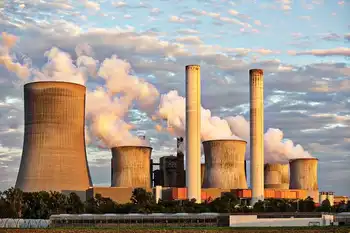
Westerville has become the first of 92 member-communities to reject the prospect of long-term ownership in a coal-fueled power plant proposed for Meigs County along the Ohio River.

Led by Westerville City Councilman Craig Treneff, council members shared numerous concerns about the project before voting it down 5-1. Treneff cited growing resistance to coal as an energy source, stating, "I don't want Westerville to be on the wrong side of environmental choices 20 to 30 years from now."

The proposal from American Municipal Power of Ohio would have locked the city into a 50-year contract with the utility to fund a new power plant, in return for rights on the power it produces. The plant, expected to begin operating in 2013, would have provided about 40 percent of Westerville's nonpeak electricity.

But the deal would have required the city to make monthly payments, regardless of how much, if any, energy the plant produced.

"I think it's a very wise decision. It's an extremely risky plant that could cause a lot of public health and environmental damage," said Sandy Buchanan, executive director of Ohio Citizen Action, after the vote.

AMPOhio President Marc S. Gerken quickly left the meeting and didn't respond to requests for a comment. Kent Carson, spokesman for AMPOhio, said Westerville's vote shouldn't influence other member communities who have yet to vote before a Nov. 1 deadline.

"They (Westerville) didn't say it was a bad project," Carson said. "They said it was not good for Westerville."

Treneff called the risk "impossible to quantify. I can't take a 50-year risk, not being able to predict that far ahead."

Councilwoman Kathy Cocuzzi also pointed out that, within 50 years, other energy sources might be an option. She suggested that the city might offer incentives to residents who use solar or geothermal heat sources.

"The only thing I'm committed to for 50 years is my marriage," she said.

The only proponent was Councilman Bill Highfield, who said that council should have supported the decision of the city-hired energy consultant to accept the deal.

"We have a responsibility to the people of Westerville to provide them with as stable of a financial future as is possible. If we can save them over a million dollars a year, I think that's pretty decent."

The average yearly rate savings has been about $70 per resident, he said.

Councilwoman Anne Gonzales said she doubted that AMPOhio would have been able to construct the plant in a timely manner. Since 2004, and the end of a long-term contract with American Electric Power, Westerville's power costs have risen sharply. This has prompted suggestions that the city get out of supplying power all together.

But Council Chairman Damon "Chip" Wetterauer praised the city's electric division, citing several infrastructure projects it has helped to fund.

"Make no mistake about it," he said, "the electric division is not for sale."

Related News
Ex-SpaceX engineers in race to build first commercial electric speedboat

Arc One Electric Speedboat delivers zero-emission performance, quiet operation, and reduced maintenance, leveraging battery propulsion, aerospace engineering, and venture-backed innovation to cut noise pollution, fuel costs, and water contamination in high-performance marine recreation.


Key Points

Arc One Electric Speedboat is a battery-powered, zero-emission craft offering quiet, high-performance marine cruising.

✅ 475 hp, 24 ft hull, about 40 mph top speed

✅ Cuts noise, fumes, and water contamination vs gas boats

✅ Backed by Andreessen Horowitz; ex-SpaceX engineers


A team of former SpaceX rocket engineers have joined the race to build the first commercial electric speedboat.

The Arc Boat company announced it had raised $4.25m (£3m) in seed funding to start work on a 24ft 475-horsepower craft that will cost about $300,000.

The LA-based company, which is backed by venture capital firm Andreessen Horowitz (an early backer of Facebook and Airbnb), said the first model of the Arc One boat would be available for sale by the end of the year.

Mitch Lee, Arc’s chief executive, said he wanted to build electric boats because of the impact conventional petrol- or diesel-powered boats have on the environment.

“They not only get just two miles to the gallon, they also pump a lot of those fumes into the water,” Lee said. “In addition, there is the huge noise pollution factor [of conventional boats] and that is awful for the marine life. With gas-powered boats it’s not just carbon emissions into the air, it’s also polluting the water and causing noise pollution. Electric boats, like electric ships clearing the air on the B.C. coast, eliminate all that.”

Lee said electric vessels would also reduce the hassle of boat ownership. “I love being out on the water, being on a boat is so much fun, but owning a boat is so awful,” he said. “I have always believed that electric boats make sense. They will be quicker, quieter and way cheaper and easier to operate and maintain, with access options like an electric boat club in Seattle lowering barriers for newcomers.”

While the first models will be very expensive, Lee said the cost was mostly in developing the technology and cheaper versions would be available in the future, mirroring advances in electric aviation seen across the industry. “It is very much the Tesla approach – we are starting up market and using that income to finance research and development and work our way down market,” he said.

Lee said the technology could be applied to larger craft, and even ferries could run on electricity in the future, as projects for battery-electric high-speed ferries begin to scale.

“We started in February with no team, no money and no warehouse,” he said. “By December we are going to be selling the Arc One, and we are hiring aggressively because we want to accelerate the adoption of electric boats across a whole range of craft, including an electric-ready ferry on Kootenay Lake.”

Lee founded the company with fellow mechanical engineer Ryan Cook. Cook, the company’s chief technology officer, was previously the lead mechanical engineer at Elon Musk’s space exploration company SpaceX where he worked on the Falcon 9 rocket, the world’s first orbital class reusable rocket. In parallel, Harbour Air's electric aircraft highlights cross-sector electrification. Apart from Lee, all of Arc’s employees have some experience working at SpaceX.

The Arc boat, which would have a top speed of 40 mph, joins a number of startups rushing to make the first large-scale production of electric-powered speedboats, while a Vancouver seaplane airline demonstrates complementary progress with a prototype electric aircraft. The Monaco Yacht Club this month held a competition for electric boat prototypes to “instigate a new vision and promote all positive approaches to bring yachting into line” with global carbon dioxide emission reduction targets. Sweden’s Candela C-7 hydrofoil boat was crowned the fastest electric vessel.


Related News

View more

Blood Nickel and Canada's Role in Global Mining Sustainability

Blood Nickel spotlights ethical sourcing in the EV supply chain, linking nickel mining to human rights, environmental impact, ESG standards, and Canadian leadership in sustainable extraction, transparency, and community engagement across global battery materials markets.


Key Points

Blood Nickel is nickel mined under unethical or harmful conditions, raising ESG, human rights, and environmental risks.

✅ Links EV battery supply chains to social and environmental harm

✅ Calls for transparency, traceability, and ethical sourcing standards

✅ Highlights Canada's role in sustainable mining and community benefits


The rise of electric vehicles (EVs) has sparked a surge in demand for essential battery components, particularly nickel, and related cobalt market pressures essential for their batteries. This demand has ignited concerns about the environmental and social impacts of nickel mining, particularly in regions where standards may not meet global sustainability benchmarks. This article explores the concept of "blood nickel," its implications for the environment and communities, and Canada's potential role in promoting sustainable mining practices.

The Global Nickel Boom

As the automotive industry shifts towards electric vehicles, nickel has emerged as a critical component for lithium-ion batteries due to its ability to store energy efficiently. This surge in demand has led to a global scramble for nickel, with major producers ramping up extraction efforts to meet market needs amid EV shortages and wait times that underscore supply constraints. However, this rapid expansion has raised alarms about the environmental consequences of nickel mining, including deforestation, water pollution, and carbon emissions from energy-intensive extraction processes.

Social Impacts: The Issue of "Blood Nickel"

Beyond environmental concerns, the term "blood nickel" has emerged to describe nickel mined under conditions that exploit workers, disregard human rights, or fail to uphold ethical labor standards. In some regions, nickel mining has been linked to issues such as child labor, unsafe working conditions, and displacement of indigenous communities. This has prompted calls for greater transparency and accountability in global supply chains, with initiatives like U.S.-ally efforts to secure EV metals aiming to align sourcing standards, to ensure that the benefits of EV production do not come at the expense of vulnerable populations.

Canada's Position and Potential

Canada, home to significant nickel deposits, stands at a pivotal juncture in the global EV revolution, supported by EV assembly deals in Canada that strengthen domestic manufacturing. With its robust regulatory framework, commitment to environmental stewardship, and advanced mining technologies, Canada has the potential to lead by example in sustainable nickel mining practices. Canadian companies are already exploring innovations such as cleaner extraction methods, renewable energy integration, and community engagement initiatives to minimize the environmental footprint and enhance social benefits of nickel mining.

Challenges and Opportunities

Despite Canada's potential, the mining industry faces challenges in balancing economic growth with environmental and social responsibility and building integrated supply chains, including downstream investments like a battery plant in Niagara that can connect materials to markets. Achieving sustainable mining practices requires collaboration among governments, industry stakeholders, and local communities to establish clear guidelines, monitor compliance, and invest in responsible resource development. This approach not only mitigates environmental impacts but also fosters long-term economic stability and social well-being in mining regions.

Pathways to Sustainability

Moving forward, Canada can play a pivotal role in shaping the global nickel supply chain by promoting transparency, ethical sourcing, and environmental stewardship. This includes advocating for international standards that prioritize sustainable mining practices, supporting research and development of cleaner technologies, and leveraging adjacent resources such as Alberta lithium potential to diversify battery supply chains, while fostering partnerships with global stakeholders to ensure a fair and equitable transition to a low-carbon economy.

Conclusion

The rapid growth of electric vehicles has propelled nickel into the spotlight, highlighting both its strategic importance and the challenges associated with its extraction. As global demand for "green" metals intensifies, addressing the concept of "blood nickel" becomes increasingly urgent, even as trade measures like tariffs on Chinese EVs continue to reshape market incentives. Canada, with its rich nickel reserves and commitment to sustainability, has an opportunity to lead the charge towards ethical and responsible mining practices. By leveraging its strengths in innovation, regulation, and community engagement, Canada can help forge a path towards a more sustainable future where electric vehicles drive progress without compromising environmental integrity or social justice.


Related News

View more

Alberta Ends Moratorium on Renewable Energy Projects

Alberta Ends Renewable Energy Moratorium, accelerating wind and solar deployment while prioritizing grid stability, reliability, and infrastructure upgrades to attract investment, cut emissions, meet climate targets, and integrate renewables into the provincial power system.


Key Points

It is Alberta's decision to lift a pause on new wind and solar projects while enhancing grid reliability.

✅ Resumes wind and solar development across Alberta.

✅ Focuses on grid stability and infrastructure upgrades.

✅ Aims to attract investment and meet climate targets.


The Alberta government has announced the end of a temporary suspension on the development of new renewable energy projects, as the power grid operator prepares to accept green energy bids across the market. This pause, which had been in place since May 2023, was initially implemented to evaluate the effects of rapid growth in renewable energy installations on the province's power grid and overall energy system. However, the decision to lift the moratorium reflects a shift in the government’s approach to balancing energy needs and environmental goals.

The suspension was introduced amid concerns that the swift expansion of wind and solar energy projects, including documented challenges with solar energy expansion in the province, could place undue stress on Alberta's electrical grid and infrastructure. Officials expressed worries about the ability of the grid to handle the increased load and the potential need for upgrades to accommodate new renewable energy sources. The government aimed to assess the implications of this growth and determine appropriate measures to ensure that the energy system could support both existing and future demands.

The moratorium drew significant criticism from various sectors, including renewable energy companies, environmental advocates, and local communities. Critics argued that the pause was detrimental to Alberta's efforts to transition to cleaner energy sources and meet climate targets, citing cases like TransAlta scrapping a wind farm amid policy uncertainty. They pointed out that halting projects could delay investments and job creation associated with the renewable energy sector, potentially impeding progress towards a more sustainable energy future.

In response to these concerns, the Alberta government conducted further reviews and consultations. The decision to cancel the pause reflects the government’s recognition of the importance of advancing renewable energy initiatives while also addressing the need for grid stability and infrastructure development. By ending the moratorium, the government aims to support the continued growth of renewable energy projects and maintain momentum in the shift towards greener energy solutions.

The lifting of the moratorium is expected to have a positive impact on the renewable energy industry in Alberta. Several planned projects that were put on hold can now proceed, leading to renewed investment and economic benefits, including a renewable energy surge that could power 4,500 jobs across the province. The government’s decision signals a commitment to integrating renewable energy sources into the provincial grid in a way that ensures both reliability and sustainability.

Going forward, the Alberta government plans to implement measures to better manage the integration of renewable energy into the existing power infrastructure. This includes addressing any potential challenges related to grid capacity and ensuring that the growth of renewable energy projects aligns with the province's overall energy strategy, as recent federal procurement such as a $500M green electricity contract with an Edmonton company underscores demand that integration efforts must accommodate. The goal is to create a balanced approach that supports the development of clean energy while maintaining the stability and efficiency of the energy system.

The end of the moratorium aligns with Alberta’s broader objectives to reduce greenhouse gas emissions and promote environmental sustainability within a province recognized as a powerhouse for both green energy and fossil fuels in Canada. The government’s approach reflects a willingness to adapt policies and strategies in response to evolving industry needs and environmental priorities. By removing the pause, Alberta demonstrates its commitment to fostering a diverse and resilient energy sector that can meet both current and future demands.

The decision to cancel the moratorium is also seen as a move to reinforce Alberta’s position as a leader in renewable energy development. With the lifting of restrictions, the province can continue to attract investment in clean energy projects, as neighboring jurisdictions such as B.C. streamline clean energy approvals to accelerate deployment, enhance its reputation as a progressive energy market, and contribute to global efforts to address climate change.

In summary, the Alberta government’s decision to lift the pause on renewable energy projects represents a significant shift in its approach to energy policy. The move reflects an acknowledgment of the importance of advancing renewable energy while addressing the practical challenges associated with grid management and infrastructure development. By ending the moratorium, Alberta aims to support the growth of clean energy initiatives and maintain its commitment to sustainability and environmental responsibility.


Related News

View more

IEA praises Modi govt for taking electricity to every village; calls India 'star performer'

India Village Electrification hailed by the IEA in World Energy Outlook 2018 showcases rapid energy access progress, universal village power, clean cooking advances via LPG, and Modi-led initiatives, inspiring Indonesia, Bangladesh, and Sub-Saharan Africa.


Key Points

A national push to power every Indian village, praised by the IEA for boosting energy access and clean cooking.

✅ Electrified 597,464 villages ahead of schedule in April 2018.

✅ IEA hails India in World Energy Outlook 2018 as star performer.

✅ LPG connections surge via Ujjwala, aiding clean cooking access.


The global energy watchdog International Energy Agency (IEA) has called India's electrification of every village the greatest success story of 2018. In its latest report, World Energy Outlook 2018, the IEA has called India a "star performer" in terms of achieving the big milestone of the providing power to each village. "In particular, one of the greatest success stories in access to energy in 2018 was India completing the electrification of all of its villages," said the IEA. It added that countries like Indonesia and Bangladesh have also achieved the commendable electrification rate of 95% (up from 50% in 2000), and 80% (up from 20% in 2000), respectively, even as Europe's electrification push continues as part of broader transitions.

This 643-page report by the IEA says over 120 million people worldwide gained access to electricity in 2017 and charts growth in the electric car market as part of broader energy trends. For the first time ever, the total number of people without access fell below 1 billion, it said.  The mega plan of providing electricity to 597,464 villages in India was announced by Prime Minister Narendra Modi during his Independence Day speech in 2015. On April 28, 2018, PM Modi confirmed that India had achieved its goal ahead of schedule. "This is one of the greatest achievements in the history of energy," said the IEA.

Praising the Narendra Modi government for making efforts towards lighting up every village in India, the agency said: "Since 2000 around half a billion people have gained access to electricity in India, with political effort over the last five years significantly accelerating progress."

India's achievement of providing universal household electricity access will improve the lives of over 230 million people, said the IEA, even as analyses like a Swedfund report debate some poverty outcomes in electrified areas. For a start, electric lighting makes the use of candles, kerosene and other polluting fuels for lighting redundant, not only saving money (and providing more light) but also seriously improving health, it said.

Though the global energy agency has called India "a success story", and a "bright spot for energy access", it says huge challenges remain in other regions of the world where over 670 million people still live without electricity access. "90% of these people are concentrated in sub-Saharan Africa, with countries such as Nigeria facing severe shortages," said the report.

Seven decades after independence and nearly three decades after India's economic liberalisation, the Modi government achieved the historic milestone of giving power to every single village of India, 12 days ahead of the deadline set by PM Modi. Leisang in Manipur became the last village to be connected to the grid, while a Delhi energy storage project explores ways to balance supply and demand.

The agency also praised India for tackling a related problem: access to clean cooking facilities. "While an estimated 780 million people in India rely on biomass for cooking, progress is emerging, as India is one of the few countries in the world targeting this "blind spot" of energy policy," it said.

Around 36 million LPG connections have been made since Prime Minister Modi and Minister for Petroleum and Natural Gas, Dharmendra Pradhan, launched the Pradhan Mantri Ujjwala Yojana scheme in May 2016 to provide free connections to families living below the poverty line. In India, around 50 million free LPG stoves and initial refills have been provided to poor households via this scheme since 2015. The government has set a target of providing LPG connections to 80 million households by 2020.


Related News

View more

Neo-Nazi, woman accused of plotting 'hate-fueled attacks' on power stations, federal complaint says

Baltimore Substation Attack Plot highlights alleged neo-Nazi plans targeting electrical substations and the power grid, as FBI and DHS warn of domestic extremism threats to critical infrastructure, with arrests in Maryland disrupting potential sniper attacks.


Key Points

An alleged extremist plot to disable Baltimore's power grid by shooting substations, thwarted by federal arrests.

✅ Two suspects charged in Maryland conspiracy

✅ Targets included five substations around Baltimore

✅ FBI cites domestic extremism threat to infrastructure


A neo-Nazi in Florida and a Maryland woman conspired to attack several electrical substations in the Baltimore area, federal officials say.

Sarah Beth Clendaniel and Brandon Clint Russell were arrested and charged in a conspiracy to disable the power grid by shooting out substations via "sniper attacks," according to a criminal complaint from the U.S. Attorney's Office for the District of Maryland.

Clendaniel allegedly said she wanted to "completely destroy this whole city" and was planning to target five substations situated in a "ring" around Baltimore, the complaint said. Russell is part of a violent extremist group that has cells in multiple states, and he previously planned to attack critical infrastructure in Florida, the complaint said.

"This planned attack threatened lives and would have left thousands of Marylanders in the cold and dark," Maryland U.S. Attorney Erek Barron said in a press release. "We are united and committed to using every legal means necessary to disrupt violence, including hate-fueled attacks."

The news comes as concerns grow about an increase in targeted substation attacks on U.S. substations tied to domestic extremism.


What to know about substation attacks

Federal data shows vandalism and suspicious activities at electrical facilities soared nationwide last year, and cyber actors have accessed utilities' control rooms as well.

At the end of the year, attacks or potential attacks were reported on more than a dozen substations and one power plant across five states, and Symantec documented Russia-linked Dragonfly activity targeting the energy sector earlier. Several involved firearms.

In December, targeted attacks on substations in North Carolina left tens of thousands without power amid freezing temperatures, spurring renewed focus on protecting the U.S. power grid among officials. The FBI is investigating.

Vandalism at facilities in Washington left more than 21,000 without electricity on Christmas Day, even as hackers breached power-plant systems in other states. Two men were arrested, and one told police he planned to disrupt power to commit a burglary.

The Department of Homeland Security last year said domestic extremists had been developing "credible, specific plans" since at least 2020 and would continue to "encourage physical attacks against electrical infrastructure," and the U.S. government has condemned Russia for power grid hacking as well.

Last February, three neo-Nazis pleaded guilty to federal crimes related to a scheme to attack the grid with rifles, with each targeting a substation in a different region of the U.S., even as reports that Russians hacked into US electric utilities drew widespread attention.


Related News

View more

TotalEnergies to Acquire German Renewables Developer VSB for US$1.65 Billion

TotalEnergies VSB Acquisition accelerates renewable energy growth, expanding wind and solar portfolios across Germany and Europe, advancing decarbonization, net-zero targets, and the energy transition through a US$1.65 billion strategic clean power investment.


Key Points

A US$1.65B deal: TotalEnergies acquires VSB to scale wind and solar in Europe and advance net-zero goals.

✅ US$1.65B purchase expands wind and solar pipeline

✅ Strengthens presence in Germany and wider Europe

✅ Advances net-zero, energy transition objectives


In a major move to expand its renewable energy portfolio, French energy giant TotalEnergies has announced its decision to acquire German renewable energy developer VSB for US$1.65 billion. This acquisition represents a significant step in TotalEnergies' strategy to accelerate its transition from fossil fuels to greener energy sources, aligning with the global push towards sustainability and carbon reduction, as reflected in Europe's green surge across key markets.

Strengthening TotalEnergies’ Renewable Energy Portfolio

TotalEnergies has long been one of the largest players in the global energy market, historically known for its oil and gas operations. However, in recent years, the company has made a concerted effort to diversify its portfolio and shift its focus toward renewable energy. The purchase of VSB, a leading developer of wind and solar energy projects, occurs amid rising European wind investment trends and is a clear reflection of TotalEnergies' commitment to this green energy transition.

VSB, based in Dresden, Germany, specializes in the development, construction, and operation of renewable energy projects, particularly wind and solar power. The company has a significant presence in Europe, with a growing portfolio of projects in countries like Germany, where clean energy accounts for 50% of electricity today, Poland, and the Czech Republic. The acquisition will allow TotalEnergies to bolster its renewable energy capacity, particularly in the wind and solar sectors, which are key components of its long-term sustainability goals.

By acquiring VSB, TotalEnergies is not only increasing its renewable energy output but also gaining access to a highly experienced team with a proven track record in energy project development. This move is expected to expedite TotalEnergies’ renewable energy ambitions, enabling the company to build on VSB’s strong market presence and established partnerships across Europe.

VSB’s Strategic Role in the Energy Transition

VSB’s expertise in the renewable energy sector makes it a valuable addition to TotalEnergies' green energy strategy. The company has been at the forefront of the energy transition in Europe, particularly in wind energy development, as offshore wind is set to become a $1 trillion business over the coming decades. Over the years, VSB has completed numerous large-scale wind projects, including both onshore and offshore installations.

The acquisition also positions TotalEnergies to better compete in the rapidly growing European renewable energy market, including the UK, where offshore wind is powering up alongside strong demand due to increased governmental focus on achieving net-zero emissions by 2050. Germany, in particular, has set ambitious renewable energy targets as part of its Energiewende initiative, which aims to reduce the country’s carbon emissions and increase the share of renewables in its energy mix. By acquiring VSB, TotalEnergies is not only enhancing its capabilities in Germany but also gaining a foothold in other European markets where VSB has operations.

With Europe increasingly shifting toward wind and solar power as part of its decarbonization efforts, including emerging solutions like offshore green hydrogen that complement wind buildouts, VSB’s track record of developing large-scale, sustainable energy projects provides TotalEnergies with a strong competitive edge. The acquisition will further TotalEnergies' position as a leader in the renewable energy space, especially in wind and solar power generation.

Financial and Market Implications

The US$1.65 billion deal marks TotalEnergies' largest renewable energy acquisition in recent years and underscores the growing importance of green energy investments within the company’s broader business strategy. TotalEnergies plans to use this acquisition to scale up its renewable energy assets and move closer to its target of achieving net-zero emissions by 2050. The deal also positions TotalEnergies to capitalize on the expected growth of renewable energy across Europe, particularly in countries with aggressive renewable energy targets and incentives.

The transaction is also expected to boost TotalEnergies’ presence in the global renewable energy market. As the world increasingly turns to wind, solar, and other sustainable energy sources, TotalEnergies is positioning itself to be a major player in the global energy transition. The acquisition of VSB complements TotalEnergies' previous investments in renewable energy and further aligns its portfolio with international sustainability trends.

From a financial standpoint, TotalEnergies’ purchase of VSB reflects the growing trend of large energy companies investing heavily in renewable energy. With wind and solar power becoming more economically competitive with fossil fuels, this investment is seen as a prudent long-term strategy, one that is likely to yield strong returns as demand for clean energy continues to rise.

Looking Ahead: TotalEnergies' Green Transition

TotalEnergies' acquisition of VSB is part of the company’s broader strategy to diversify its energy offerings and shift away from its traditional reliance on oil and gas. The company has already made significant strides in renewable energy, with investments in solar, wind, and battery storage projects across the globe, as developments like France's largest battery storage platform underline this momentum. The VSB acquisition will only accelerate these efforts, positioning TotalEnergies as one of the foremost leaders in the clean energy revolution.

By 2030, TotalEnergies plans to allocate more than 25% of its total capital expenditure to renewable energies and electricity. The company has already set ambitious goals to reduce its carbon footprint and shift its business model to align with the global drive toward sustainability. The integration of VSB into TotalEnergies’ portfolio signals a firm commitment to these goals, ensuring the company remains at the forefront of the energy transition.

In conclusion, TotalEnergies’ purchase of VSB for US$1.65 billion marks a significant milestone in the company’s renewable energy journey. By acquiring a company with deep expertise in wind and solar power development, TotalEnergies is taking decisive steps to strengthen its position in the renewable energy market and further its ambitions of achieving net-zero emissions by 2050. This acquisition will not only enhance the company’s growth prospects but also contribute to the ongoing global shift toward clean, sustainable energy sources.


Related News

View more

Sign Up for Electricity Forum’s Newsletter

Stay informed with our FREE Newsletter — get the latest news, breakthrough technologies, and expert insights, delivered straight to your inbox.

Electricity Today T&D Magazine Subscribe for FREE

Stay informed with the latest T&D policies and technologies.
  • Timely insights from industry experts
  • Practical solutions T&D engineers
  • Free access to every issue

Download the 2025 Electrical Training Catalog

Explore 50+ live, expert-led electrical training courses –

  • Interactive
  • Flexible
  • CEU-cerified