By -- Source The Bradenton Herald


CSA Z463 Electrical Maintenance -

Our customized live online or in‑person group training can be delivered to your staff at your location.

  • Live Online
  • 6 hours Instructor-led
  • Group Training Available
Regular Price:
$249
Coupon Price:
$199
Reserve Your Seat Today
MANATEE, Fla. -- Florida Power & Light should have to convince state regulators that it properly considered outside proposals before deciding to build two new power plants, according to a recommendation by the Florida Public Service Commission staff.

Reliant Energy claims that Florida Power & Light did not properly conduct a required request for proposals from outside utilities before determining that it should build new generating facilities itself. The utility countered by asking the five-member commission to dismiss Reliant's protest.

In preparation for a public hearing scheduled for Tuesday, the Public Service Commission staff issued a recommendation that board members deny Florida Power & Light's request for dismissal. It further recommends that the protest be combined with need-determination hearings scheduled for June regarding the proposed Manatee and Martin County plants.

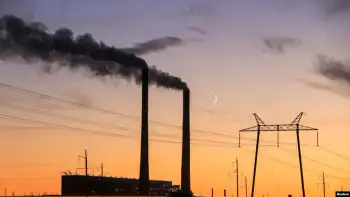
Florida Power & Light officials plan to build a $600 million power plant fueled by natural gas near the existing Parrish power plant, along with a similar facility in Martin County. The total cost of the expansion project, designed to meet projected energy demands in 2005 and 2006, is estimated at $1.1 billion.

"We don't believe there is any basis for the complaint by Reliant," said Bill Swank, spokesman for Florida Power & Light. "The projects we're seeking approval for from the PSC are the most cost-effective for our customers, and they represent the best economic and environmental considerations. We believe the PSC will reach the same conclusion through the need-determination process."

The Florida Partnership for Affordable Competitive Energy, an industry group that includes Reliant Energy, applauded the staff recommendation from the Public Service Commission.

"The bid rule was designed to protect customers," said PACE spokesman Billy Briscoe. "Reliant is trying to ensure that protection by protesting FP&L's proposal."

A ruling by the Public Service Commission that the utility did not follow bidding rules could benefit PACE and its member energy companies. It could launch a new bid process, this one potentially overseen by an independent third party. It would also give outside energy companies another chance to show that they could provide cheaper electricity than Florida Power & Light could.

Related News

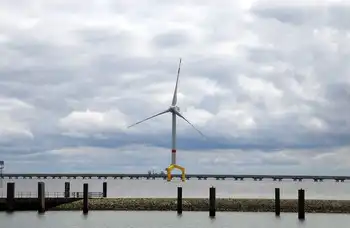
Marine Renewables Canada shifts focus towards offshore wind

Marine Renewables Canada Offshore Wind integrates marine renewables, tidal and wave energy, advancing clean electricity, low-carbon power, supply chain development, and regulatory alignment to scale offshore wind energy projects across Canada's coasts and global markets.


Key Points

An initiative to grow offshore wind using Canada's marine strengths, shared supply chains, and regulatory synergies.

✅ Leverages tidal and wave energy expertise for offshore wind

✅ Aligns supply chain, safety, and regulatory frameworks

✅ Supports low-carbon power and clean electricity goals


With a growing global effort to develop climate change solutions and increase renewable electricity production, including the UK offshore wind growth in recent years, along with Canada’s strengths in offshore and ocean sectors, Marine Renewables Canada has made a strategic decision to grow its focus by officially including offshore wind energy in its mandate.

Marine Renewables Canada plans to focus on similarities and synergies of the resources in order to advance the sector as a whole and ensure that clean electricity from waves, tides, rivers, and offshore wind plays a significant role in Canada’s low-carbon future.

“Many of our members working on tidal energy and wave energy projects also have expertise that can service offshore wind projects both domestically and internationally,” says Tim Brownlow, Chair of Marine Renewables Canada. “For us, offshore wind is a natural fit and our involvement will help ensure that Canadian companies and researchers are gaining knowledge and opportunities in the offshore wind sector as it grows.”

Canada has the longest coastlines in the world, giving it huge potential for offshore wind energy development. In addition to the resource, Canada has significant capabilities from offshore and marine industries that can contribute to offshore wind energy projects. The global offshore wind market is estimated to grow by over 650% by 2030 and presents new opportunities for Canadian business.

“The federal government’s recent inclusion of offshore renewables in legislation, including a plan for regulating offshore wind developed by the government, and support for emerging renewable energy technologies are important steps toward building this industry,” says Elisa Obermann, executive director of Marine Renewables Canada. “There are still challenges to address before we’ll see offshore wind energy development in Canada, but we see a great opportunity to get more involved now, increase our experience, and help inform future development.”

Like wave and tidal energy, offshore wind projects operate in harsh marine environments and development presents many of the same challenges and benefits as it does for other marine renewable energy resources. Marine Renewables Canada has recognized that there is significant overlap between offshore wind and wave and tidal energy when it comes to the supply chain, regulatory issues, and the operating environment. The association plans to focus on similarities and synergies of the resources in order to advance the sector as a whole, leveraging Canada’s opportunity in the global electricity market to ensure that clean electricity from waves, tides, rivers, and offshore wind plays a significant role in Canada’s low-carbon future.


Related News

View more

Over 30% of Global Electricity from Renewables

Global Renewable Electricity Milestone signals solar, wind, hydro, and geothermal surpass 30% of power generation, driven by falling costs, battery storage, smart grids, and ambitious policy targets that strengthen energy security and decarbonization.


Key Points

It marks renewables exceeding 30% of global power, enabled by cheaper tech, storage, and strong policy.

✅ Costs of solar and wind fall, boosting competitiveness

✅ Storage and smart grids improve reliability and flexibility

✅ Policies target decarbonization while ensuring just transition


A recent report by the energy think tank Ember marks a significant milestone in the global energy transition. For the first time ever, according to their analysis, renewable energy sources like solar, wind, hydro, and geothermal now account for more than 30% of the world's electricity generation, a milestone echoed by wind and solar growth globally. This achievement signifies a pivotal shift towards a cleaner and more sustainable energy future.

The report attributes this growth to several key factors. Firstly, the cost of renewable energy technologies like solar panels and wind turbines has plummeted in recent years, making them increasingly competitive with traditional fossil fuels. Secondly, advancements in battery storage technology are facilitating the integration of variable renewable sources like solar and wind into the grid, addressing concerns about reliability. Thirdly, a growing number of countries are implementing ambitious renewable energy targets and policies, driven by environmental concerns and the desire for energy security.

The rise of renewables is not uniform across the globe. Europe leads the pack, with the European Union generating a staggering 44% of its electricity from renewable sources in 2023. Countries like Denmark, Germany, and Spain are at the forefront of this clean energy revolution. Developing nations are also starting to embrace renewables, driven by factors like falling technology costs and the need for affordable electricity access.

However, challenges remain. Fossil fuels still dominate the global energy mix, accounting for roughly two-thirds of electricity generation. Integrating a higher proportion of variable renewables into the grid necessitates robust storage solutions and smart grid technologies. Additionally, the transition away from fossil fuels needs to be managed carefully to ensure a just and equitable outcome for workers in the coal, oil, and gas sectors.

Despite these challenges, the report by Ember paints an optimistic picture. The rapid growth of renewables demonstrates their increasing viability and underscores the global commitment to a cleaner energy future, and in the United States, for example, renewables are projected to reach one-fourth of U.S. electricity generation, reinforcing this trajectory. The report also highlights the economic benefits of renewables, with new jobs created in the clean energy sector and reduced reliance on volatile fossil fuel prices.

Looking ahead, continued technological advancements, supportive government policies, and increased investment in renewable energy infrastructure are all crucial for further growth, with scenarios such as BNEF's 2050 outlook suggesting wind and solar could provide half of electricity, underscoring the importance of sustained effort. Furthermore, international cooperation is essential to ensure a smooth and equitable global energy transition. Developed nations can play a vital role by sharing technology and expertise with developing countries.

The 30% milestone is a significant step forward, but it's just the beginning. As the world strives to combat climate change and ensure energy security for future generations, renewables are poised to play a central role in powering a sustainable future, with wind and solar surpassing coal in the U.S. offering a clear signal of the shift. The report by Ember serves as a powerful reminder that a clean energy future is not just a dream, but a rapidly unfolding reality.


Related News

View more

Christmas electricity spike equivalent to roasting 1.5 million turkeys: BC Hydro

BC Hydro Holiday Energy Saving Tips highlight electricity usage trends and power conservation during Christmas cooking. Use efficient appliances, lower the thermostat, and track consumption with MyHydro to reduce bills while hosting guests.


Key Points

Guidelines from BC Hydro to cut holiday electricity usage via efficient cooking, smart thermostats, and MyHydro tracking.

✅ Use microwave, toaster oven, or slow cooker to save power.

✅ Batch-bake cookies and pies to minimize oven cycles.

✅ Set thermostat to 18 C and monitor use with MyHydro.


BC Hydro is reminding British Columbians to conserve power over the holidays after a report commissioned by the utility found the arrival of guests for Christmas dinner results in a 15% increase in electricity usage, and it expects holiday usage to rise as gatherings ramp up.

Cooking appears to be the number one culprit for the uptick in peoples’ hydro bills. According to BC Hydro press release, British Columbians use about 8,000 megawatt hours more of electricity by mid-day Christmas — that's about 1.5 million turkeys roasted in electric ovens — while Ontario electricity demand shifted as people stayed home during the pandemic.
 article continues below 

About 95% of British Columbians said they would make meals at home from scratch over the holiday season, mirroring the uptick in residential electricity use observed during the pandemic. The survey found that inviting friends or family over trumped any plans people had to buy pre-made meals or order take-out. Six in 10 respondents said they would also rather bake holiday treats than pick them up pre-made from the store. 

The survey also showed people in B.C. are taking steps to reduce their electricity usage, echoing earlier findings that many British Columbians changed daily electricity habits during the pandemic. When participants were asked whether they were conscious of how much electricity they used when visiting friends or family, 80% said they would be taking steps to limit their usage.


And while cooking meals from scratch over the holidays may contribute to a spike in a person's electricity bill, some studies have found that, when comparing their overall environmental impact against that of ready-made meals, a roasted dinner has a lower negative impact.

Still, there are many ways to improve your energy efficiency and save some money over the holiday season, and conserving can also help the grid during events like the recent atypical storm response noted by BC Hydro. BC Hydro recommends:

• using smaller appliances whenever possible, such as a microwave, crockpot or toaster oven as they use less than half the power of a regular electric oven;

• baking cookies or pies in batches to save energy;

• turning down the household thermostat to 18 C when possible to reduce costs during peak hydro rates where applicable;

• and tracking how much electricity you use through the MyHydro tool alongside potential time-of-use rates for smarter scheduling


Related News

View more

Alberta's Last Coal Plant Closes, Embracing Clean Energy

Alberta Coal Phase-Out signals a clean energy transition, replacing coal with natural gas and renewables, cutting greenhouse gas emissions, leveraging a carbon levy, and supporting workers in Alberta's evolving electricity market.


Key Points

Alberta Coal Phase-Out moves power from coal to lower-emission natural gas and renewables to reduce grid emissions.

✅ Last coal plant closed: Genesee Generating Station, Sept 30, 2023

✅ Shift to natural gas and renewables lowers emissions

✅ Carbon levy and incentives accelerated clean power build-out


The closure of the Genesee Generating Station on September 30, 2023, marked a significant milestone in Alberta's energy history, as the province moved to retire coal power by 2023 ahead of its 2030 provincial deadline. The Genesee, located near Calgary, was the province's last remaining coal-fired power plant. Its closure represents the culmination of a multi-year effort to transition Alberta's electricity sector away from coal and towards cleaner sources of energy.

For decades, coal was the backbone of Alberta's electricity grid. Coal-fired plants were reliable and relatively inexpensive to operate. However, coal also has a significant environmental impact. The burning of coal releases greenhouse gases, including carbon dioxide, a major contributor to climate change. Coal plants also produce air pollutants such as sulfur dioxide and nitrogen oxide, which can cause respiratory problems and acid rain, and in some regions electricity is projected to get dirtier as gas use expands.

In recognition of these environmental concerns, the Alberta government began to develop plans to phase out coal-fired power generation in the early 2000s. The government implemented a number of policies to encourage the shift from coal to cleaner energy such as natural gas and renewable energy. These policies included providing financial incentives for the construction of new natural gas plants and renewable energy facilities, as well as imposing a carbon levy on coal-fired generation.

The phase-out of coal was also driven by economic factors. The cost of natural gas has declined significantly in recent years, making it a more competitive fuel source for electricity generation as producers switch to gas under evolving market conditions. Additionally, the Alberta government faced increasing pressure from the federal government to reduce greenhouse gas emissions.

The transition away from coal has not been without its challenges. Coal mining and coal-fired power generation have long been important parts of Alberta's economy. The closure of coal plants has resulted in job losses in the affected communities. The government has implemented programs to help workers transition to new jobs in the clean energy sector.

Despite these challenges, the closure of the Genesee Generating Station is a positive development for Alberta's environment and climate. Coal-fired power generation is one of the largest sources of greenhouse gas emissions in Alberta, and recent wind generation outpacing coal underscores the sector's transformation. The closure of the Genesee is expected to result in a significant reduction in emissions, helping Alberta to meet its climate change targets.

The transition away from coal also presents opportunities for Alberta. The province has vast natural gas resources, which can be used to generate electricity with lower emissions than coal. Alberta is also well-positioned to develop renewable energy sources, such as wind power and solar power. These renewable energy sources can help to further reduce emissions and create new jobs in the clean energy sector.

The closure of the Genesee Generating Station is a significant milestone in Alberta's energy history. It represents the end of an era for coal-fired power generation in the province, a shift mirrored by the UK's last coal station going offline earlier this year. However, it also marks the beginning of a new era for Alberta's energy sector. By transitioning to cleaner sources of energy, Alberta can reduce its environmental impact and create a more sustainable energy future.


Related News

View more

'Transformative change': Wind-generated electricity starting to outpace coal in Alberta

Alberta wind power surpasses coal as AESO reports record renewable energy feeding the grid, with natural gas conversions, solar growth, energy storage, and decarbonization momentum lowering carbon intensity across Alberta's electricity system.


Key Points

AESO data shows wind surpassing coal in Alberta, driven by coal retirements, gas conversions, and growing renewables.

✅ AESO reports wind output above coal several times this week

✅ Coal units retire or convert to natural gas, boosting renewables

✅ Carbon intensity falls; storage and solar improve grid reliability


Marking a significant shift in Alberta energy history, wind generation trends provided more power to the province's energy grid than coal several times this week.

According to data from the Alberta Energy System Operator (AESO) released this week, wind generation units contributed more energy to the grid than coal at times for several days. On Friday afternoon, wind farms contributed more than 1,700 megawatts of power to the grid, compared to around 1,260 megawatts from coal stations.

"The grid is going through a period of transformative change when we look at the generation fleet, specifically as it relates to the coal assets in the province," Mike Deising, AESO spokesperson, told CTV News in an interview.

The shift in electricity generation comes as more coal plants come offline in Alberta, or transition to cleaner energy through natural gas generation, including the last of TransAlta's units at the Keephills Plant west of Edmonton.

Only three coal generation stations remain online in the province, at the Genesee plant southwest of Edmonton, as the coal phase-out timeline advances. Less available coal power, means renewable energy like wind and solar make up a greater portion of the grid.


EVOLUTION OF THE GRID
"Our grid is changing, and it's evolving," Deising said, adding that more units have converted to natural gas and companies are making significant investments into solar and wind energy.

For energy analyst Kevin Birn with IHS Markit, that trend is only going to continue.

"What we've seen for the last 24 to 36 months is a dramatic acceleration in ambition, policy, and projects globally around cleaner forms of energy or lower carbon forms of energy," Birn said.

Birn, who is also chief analyst of Canadian Oil Markets, added that not only has the public appetite for cleaner energy helped fuel the shift, but technological advancements have made renewables like wind and solar more cost-efficient.

"Alberta was traditionally heavily coal-reliant," he said. "(Now) western Canada has quite a diverse energy base."


LESS CARBON-INTENSIVE
According to Birn, the shift in energy production marks a significant reduction in carbon emissions as Alberta progresses toward its last coal plant closure milestone.

Ten years ago, IHS Markit estimates that Alberta's grid contributed about 900 kilograms of carbon dioxide equivalent per megawatt-hour of energy generation.

"That (figure is) really representing the dominance and role of coal in that grid," Birn said.

Current estimates show that figure is closer to 600 kilograms of CO2 equivalent.

"That means the power you and I are using is less carbon-intensive," Birn said, adding that figure will continue to fall over the next couple of years.


RENEWABLES HERE TO STAY
While many debate whether Alberta's energy is getting clean enough fast enough, Birn believes change is coming.

"It's been a half-decade of incredible price volatility in the oil market which had really dominated this sector and region," the analyst said.

"When I think of the future, I see the power sector building on large-scale renewables, which means decarbonization, and that provides an opportunity for those tech companies looking for clean energy places to land facilities."

Coal and natural gas are considered baseline assets by the AESO, where generation capacity does not shift dramatically, though some utilities report declining coal returns in other markets.

"Wind is a variable resource. It will generate when the wind is blowing, and it obviously won't when the wind is not," Deising said. "Wind and solar can ramp quickly, but they can drop off quite quickly, and we have to be prepared.

"We factor that into our daily planning and assessments," he added. "We follow those trends and know where the renewables are going to show up on the system, how many renewables are going to show up."

Deising says one wind plant in Alberta currently has an energy storage capacity to preserve renewably generated electricity during summer demand records and peak hours as needed. As the technology becomes more affordable, he expects more plants to follow suit.

"As a system operator, our job is to make sure as (the grid) is evolving we can continue to provide reliable power to Albertans at every moment every day," Deising said. "We just have to watch the system more carefully." 


Related News

View more

Why Is Central Asia Suffering From Severe Electricity Shortages?

Central Asia power shortages strain grids across Kazakhstan, Uzbekistan, Kyrgyzstan, Tajikistan, and Turkmenistan, driven by drought-hit hydropower, aging coal and gas plants, rising demand, cryptomining loads, and winter peak consumption risks.


Key Points

Regionwide blackouts from drought, aging plants and grids, rising demand, and winter peaks stressing Central Asia.

✅ Drought slashes hydropower in Kyrgyzstan, Tajikistan, Uzbekistan

✅ Aging coal and gas TPPs and weak grids cause frequent outages

✅ Cryptomining loads and winter heating spike demand and stress supply


Central Asians from western Kazakhstan to southern Tajikistan are suffering from power and energy shortages that have caused hardship and emergency situations affecting the lives of millions of people.

On October 14, several units at three power plants in northeastern Kazakhstan were shut down in an emergency that resulted in a loss of more than 1,000 megawatts (MW) of electricity.

It serves as an example of the kind of power failures that plague the region 30 years after the Central Asian countries gained independence and despite hundreds of millions of dollars being invested in energy infrastructure and power grids, and echo risks seen in other advanced markets such as Japan's near-blackouts during recent cold snaps.

Some of the reasons for these problems are clear, but with all the money these countries have allocated to their energy sectors and financial help they have received from international financial institutions, it is curious the situation is already so desperate with winter officially still weeks away.


The Current Problems
Three power plants were affected in the October 14 shutdowns of units: Ekibastuz-1, Ekibastuz-2, and the Aksu power plant.

Ekibastuz-1 is the largest power plant in Kazakhstan, capable of generating some 4,000 MW, roughly 13 percent of Kazakhstan’s total power output.

The Kazakhstan Electricity Grid Operating Company (KEGOC) explained the problems resulted partially from malfunctions and repair work, but also from overuse of the system that the government would later say was due to cryptominers, a large number of whom have moved to Kazakhstan recently from China after Beijing banned the mining needed by Bitcoin and other cryptocurrencies, amid its own China's power cuts across several provinces in 2021.

But between November 8 and 9, rolling blackouts were reported in the East Kazakhstan, North Kazakhstan, and Kyzylorda provinces, as well as the area around Almaty, Kazakhstan’s biggest city, and Shymkent, its third largest city.

People in Uzbekistan say they, too, are facing blackouts that the Energy Ministry described as “short-term outages,” even as authorities have looked to export electricity to Afghanistan to support regional demand, though it has been clear for several weeks that the country will have problems with natural gas supplies this winter.


Power lines in Uzbekistan
Kyrgyz President Sadyr Japarov continues to say there won't be any power rationing in Kyrgyzstan this winter, but at the end of September the National Energy Holding Company ordered “restrictions on the lighting of secondary streets, advertisements, and facades of shops, cafes, and other nonresidential customers.”

Many parts of Tajikistan are already experiencing intermittent supplies of electricity.

Even in Turkmenistan, a country with the fourth-largest reserves of natural gas in the world, there were reports of problems with electricity and heating in the capital, Ashgabat.


What Is Going On?
The causes of some of these problems are easy to see.

The population of the region has grown significantly, with the population of Central Asia when the Soviet Union collapsed in late 1991 being some 50 million and today about 75 million.

Kyrgyzstan and Tajikistan are mountainous countries that have long been touted for their hydropower potential and some 90 percent of Kyrgyzstan’s domestically produced electricity and 98 percent of Tajikistan’s come from hydropower.

But a severe drought that struck Central Asia this year has resulted in less hydropower and, in general, less energy for the region, similar to constraints seen in Europe's reduced hydro and nuclear output this year.

Tajik authorities have not reported how low the water in the country’s key reservoirs is, but Kyrgyzstan has reported the water level in the reservoir at its Toktogul hydropower plant (HPP) is 11.8 billion cubic meters (bcm), the lowest level in years and far less than the 14.7 bcm of water it had in November 2020.

The Toktogul HPP, with an installed capacity of 1,200 MW, provides some 40 percent of the country's domestically produced electricity, but operating the HPP this winter to generate desperately needed energy brings the risk of leaving water levels at the reservoir critically low next spring and summer when the water is also needed for agricultural purposes.

This year’s drought is something Kyrgyzstan and Tajikistan will have to take into consideration as they plan how to provide power for their growing populations in the future. Hydropower is a desirable option but may be less reliable with the onset of climate change, prompting interest in alternatives such as Ukraine's wind power to diversify generation.

Uzbekistan is also feeling the effects of this year’s drought, and, like the South Caucasus where Georgia's electricity imports have increased, supply shortfalls are testing grids.

According to the International Energy Agency, HPPs account for some 12 percent of Uzbekistan’s generating capacity.

Uzbekistan’s Energy Ministry attributed low water levels at HPPs that have caused a 23 percent decrease in hydropower generation this year.


A reservoir in Kyrgyzstan
Kazakhstan and Uzbekistan are the most populous Central Asian countries, and both depend on thermal power plants (TPP) for generating most of their electricity.

Most of the TPPs in Kazakhstan are coal-fired, while most of the TPPs in Uzbekistan are gas-fired.

Kazakhstan has 68 power plants, 80 percent of which are coal-fired TPPs, and most are in the northern part of the country where the largest deposits of coal are located. Kazakhstan has the world's 10th largest reserves of coal.

About 88 percent of Uzbekistan’s electricity comes from TTPs, most of which use natural gas.

Uzbekistan’s proven reserves are some 800 billion cubic meters, but gas production in Uzbekistan has been decreasing.

In December 2020, Uzbek President Shavkat Mirziyoev ordered a halt to the country’s gas exports and instructed that gas to be redirected for domestic use. Mirziyoev has already given similar instructions for this coming winter.


How Did It Come To This?
The biggest problem with the energy infrastructure in Central Asia is that it is generally very old. Nearly all of its power plants date back to the Soviet era -- and some well back into the Soviet period.

The use of power plants and transmission lines that some describe as “obsolete” and a few call “decrepit” has unfortunately been a necessity in Central Asia, even as regional players pursue new interconnections like Iran's plan to transmit electricity to Europe as a power hub.

Reporting on Kazakhstan in September 2016, the Asian Development Bank (ADB) said, “70 percent of the power generation infrastructure is in need of rehabilitation.”

The Ekibastuz-1 TPP is relatively new by the power-plant standards of Central Asia. The first unit of the eight units of the TPP was commissioned in 1980.

The first unit at the AKSU TPP was commissioned in 1968, and the first unit of the gas- and fuel-fired TPP in southern Kazakhstan’s Zhambyl Province was commissioned in 1967.


Related News

View more

Sign Up for Electricity Forum’s Newsletter

Stay informed with our FREE Newsletter — get the latest news, breakthrough technologies, and expert insights, delivered straight to your inbox.

Electricity Today T&D Magazine Subscribe for FREE

Stay informed with the latest T&D policies and technologies.
  • Timely insights from industry experts
  • Practical solutions T&D engineers
  • Free access to every issue

Live Online & In-person Group Training

Advantages To Instructor-Led Training – Instructor-Led Course, Customized Training, Multiple Locations, Economical, CEU Credits, Course Discounts.

Request For Quotation

Whether you would prefer Live Online or In-Person instruction, our electrical training courses can be tailored to meet your company's specific requirements and delivered to your employees in one location or at various locations.