
NFPA 70b Training - Electrical Maintenance
Our customized live online or in‑person group training can be delivered to your staff at your location.
- Live Online
- 12 hours Instructor-led
- Group Training Available
Regular Price:
$699
Coupon Price:
$599
CALGARY
—
Alberta Wind Power underpins the province's clean energy shift with renewable electricity, wind turbines, competitive costs, and grid integration, as coal phase-out and CanWEA forecasts drive capacity, jobs, and export opportunities.
In This Story
Alberta Wind Power is the province's wind energy sector, delivering low-cost, low-carbon electricity as coal exits.
Competitive costs rival gas; zero GHG emissions at point of generation.
901 turbines, 1,479 MW capacity, ~6% of Alberta electricity demand.
Coal phase-out and auctions make Alberta top market for new capacity.
CanWEA projects renewables could reach up to 30% in 15 years.
Growth outlook: jobs, community benefits, and export opportunities.
Alberta has huge potential to produce clean energy from wind, and is considered a powerhouse for both green and fossil energy by many, but so far it is largely untapped, delegates to a conference on wind-generated electricity were told in Edmonton Tuesday.
Even though Alberta was the site of Canada's first commercial wind farm in 1993, it has fallen behind other provinces in wind power. Ontario is the top wind-power producer among provinces, followed by Quebec and then Alberta.
Right now, Alberta has 901 wind turbines with total capacity to generate 1,479 megawatts of electricity, about six per cent of electricity demand.
But with the province phasing out coal-generated electricity, there is big potential for growing the wind-power industry. The province is the largest market in Canada for new wind-power generating capacity.
"Wind is now a highly competitive source of non-greenhouse gas emitting electricity in Canada and along with natural gas, it's the cheapest source of electricity generation, period," Robert Hornung, president of the Canadian Wind Energy Association (CanWEA), told the organization's Alberta Summit conference.
Wind no longer a 'niche' energy source
Over the last 10 years, there's been more new wind generating electricity capacity built than any other form of generation, Hornung said.
"So it's really moved from being a niche source of energy like it was when Alberta got started, to now it's very much in the mainstream and one of the fastest growing sources of electricity in the world."
Even more traditional sources of electricity are getting on board with wind power, said Mark Salkeld, president and CEO of the Petroleum Services Association of Canada.
"It's business opportunity, absolutely," Salkeld said. "It's the entrepreneurial spirit of Albertans, of Canadians to see these opportunities. They're not being kicked and dragged into this energy mixed future. They're leading the charge."
Mix of energy sources needed
Canada needs a mix of different types of energy in the future, he said, especially given Alberta's limited hydro capacity today and regional constraints.
"We're going to need wind, we're going to need oil and gas, for generations yet to come."
CanWEA says Alberta's demand for energy from renewable, green sources is expected to triple to as much as 30 per cent in the next 15 years.
The industry is also looking at the possibility of one day selling renewable energy beyond Alberta, said Hornung.
He said wind power could provide a lot of benefits to the Alberta economy, including thousands of jobs over the coming years.
"That promises some real benefits for Albertans, the communities that host the projects, but Alberta overall in terms of new economic opportunities."
Related News
Electric vehicles can fight climate change, but they’re not a silver bullet: U of T study
EV Adoption Limits highlight that electric vehicles alone cannot meet emissions targets; life cycle assessment,…
View more
Is it finally time to buy an electric car?
Electric Vehicles deliver longer range, faster charging, and broader price options, with incentives and lease…
View more
Ford Motor Co. details plans to spend $1.8B to produce EVs
Ford Oakville Electric Vehicle Complex will anchor EV production in Ontario, adding a battery plant,…
View more
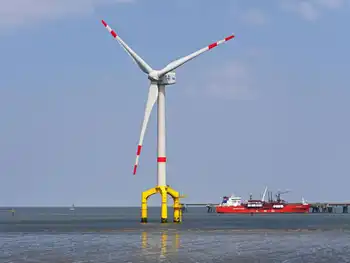
4 European nations to build North Sea wind farms
North Sea Offshore Wind Farms will deliver 150 GW by 2050 as EU partners scale…
View more
How to retrofit a condo with chargers for a world of electric cars
Condo EV charging retrofits face strata approval thresholds, installation costs, and limited electrical capacity, but…
View more
Canada's race to net-zero and the role of renewable energy
Canada Net-Zero demands renewable energy deployment, leveraging hydropower to integrate wind, solar, and storage, scaling…
View more
Sign Up for Electricity Forum’s Newsletter
Stay informed with our FREE Newsletter — get the latest news, breakthrough technologies, and expert insights, delivered straight to your inbox.
Electricity Today T&D Magazine Subscribe for FREE

Stay informed with the latest T&D policies and technologies.
- Timely insights from industry experts
- Practical solutions T&D engineers
- Free access to every issue

