CSA Z462 Arc Flash Training - Electrical Safety Compliance
Our customized live online or in‑person group training can be delivered to your staff at your location.

- Live Online
- 6 hours Instructor-led
- Group Training Available
Regular Price:
$249
Coupon Price:
$199
Pacific Gas & Electric won state utilities commissioners' unanimous approval recently to spend $1.74 billion on installing more than 9 million high-tech meters that officials said will improve energy efficiency.
PG&E said the meters eventually could allow new rate plans and lead to lower costs for customers because the technology encourages conservation.
In the meantime, to pay for the meters, PG&E will raise electric rates in September by 1 percent, or an average of 49 to 99 cents on a customer's monthly bill.
The meters will be rolled out within weeks in Bakersfield and are expected to reach San Jose residents by early 2008.
"I think this will really empower and transform the relationship between the energy company and the consumer," said Rachelle Chong, one of five members of the California Public Utilities Commission.
The meters, which send data back to the power company through electric lines or over a radio frequency, will provide customers the ability to track their daily and hourly use online. PG&E workers will not have to visit a home to check the meter and will be able to detect power outages remotely.
While state energy officials applauded the new meters, consumer advocates said they cost too much without encouraging energy conservation.
"The smart meters are a dumb idea," said Marcel Hawiger, a staff attorney with consumer group The Utility Reform Network, or TURN. "They are just a smart idea for PG&E investors so PG&E can increase profits over the next five years."
The rate increase, which will be added to bills in September and diminish over time, is on top of rate increases the utility has proposed to begin early next year. PG&E wants to increase the residential customer's typical monthly electric bill by about 55 cents and the natural gas bill by about 61 cents to pay for the maintenance of electric and gas lines and the extension of service to new customers.
TURN, a San Francisco non-profit, contends that the incremental increases add up and mean big bucks for consumers.
"When you look at the direction that all of these little rate increases have added up to, the trajectory is really frightening," said Matt Freedman, an attorney for the group. "Rather than rates plateauing or coming down, what we're seeing is ever-escalating prices."
PG&E officials insisted that the advanced "smart meters" will help decrease customer bills and more than pay for themselves in the coming years. With the meters comes the option to sign up for a new form of time-of-use rate plan that PG&E says could lower a customer's monthly bill by 10 percent.
The new plan, which can only be used with the new meters, will be marketed in the spring and allows customers to pay less during most of the year if they opt to pay more on high-energy-use days. The idea, said Tom Bottorff, PG&E's senior vice president of regulatory affairs, is for customers to use less electricity during peak summer hours - both lowering their bills and reducing the load on California's energy grid.
PG&E expects about 15 percent of its customers to sign up for the new pricing program -- enough to offset the need to build a medium-size power plant.
The company's installation of 9 million meters - 5.1 million for electricity and 4.2 million for gas - will be the single largest nationwide effort, boosting the number of such advanced meters by 64 percent from 14 million nationwide. States including Pennsylvania and Kansas already have the meters.
PG&E's installation of meters should be complete by 2011, but state energy regulators said they expect to follow the utility's example and begin installing the meters in Southern California.
Related News
Canadians Support Tariffs on Energy and Minerals in U.S. Trade Dispute
Canada Tariffs on U.S. Energy and Minerals signal retaliatory tariffs amid trade tensions, targeting energy…
View more
Tracking Progress on 100% Clean Energy Targets
100% Clean Energy Targets drive renewable electricity, decarbonization, and cost savings through state policies, CCAs,…
View more
Mexican president's contentious electricity overhaul defeated in Congress
Mexico Energy Reform Defeat underscores opposition unity as CFE-first rules, state regulators, and lithium nationalization…
View more
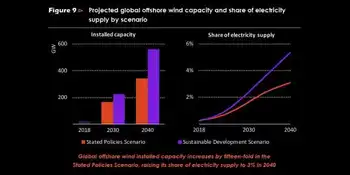
Offshore wind is set to become a $1 trillion business
Offshore wind power accelerates low-carbon electrification, leveraging floating turbines, high capacity factors, HVDC transmission, and…
View more

Survivors of deadly tornadoes may go weeks without heat, water, electricity, Kentucky officials say
Kentucky Tornado Recovery details Mayfield damage, death toll, power outages, boil-water advisories, shelter operations, and…
View more

Electric vehicle sales triple in Australia despite lack of government support
Australian Electric Vehicle Sales tripled in 2019 amid expanding charging infrastructure and more models, but…
View more
Sign Up for Electricity Forum’s Newsletter
Stay informed with our FREE Newsletter — get the latest news, breakthrough technologies, and expert insights, delivered straight to your inbox.
Electricity Today T&D Magazine Subscribe for FREE
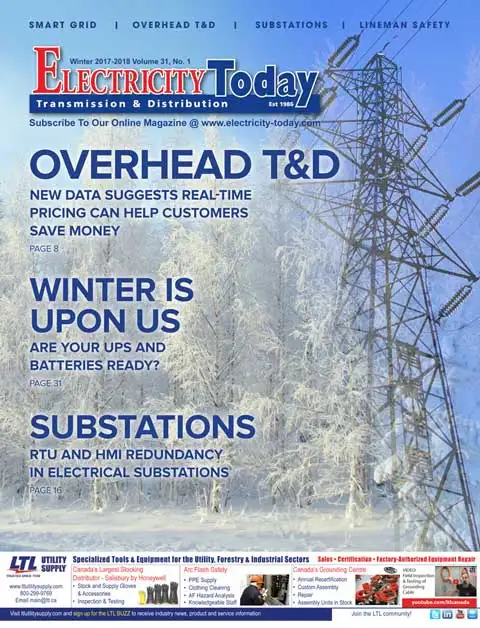
Stay informed with the latest T&D policies and technologies.
- Timely insights from industry experts
- Practical solutions T&D engineers
- Free access to every issue
