Canadian Companies To Invest in Brazil

By South American Business Information


Arc Flash Training CSA Z462 - Electrical Safety Essentials

Our customized live online or in‑person group training can be delivered to your staff at your location.
  • Live Online
  • 6 hours Instructor-led
  • Group Training Available
Regular Price:
$249
Coupon Price:
$199
Reserve Your Seat Today
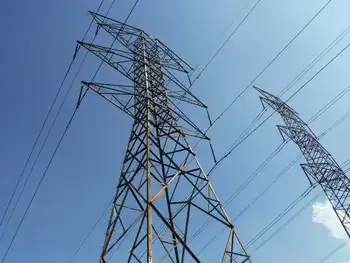
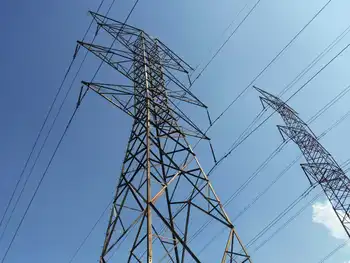
Two undisclosed Canadian electric power generation and distribution equipment manufacturers for are planning to enter Brazil.

The aim is to forge partnerships with Brazilian companies to develop and install such equipment in the country.

Despite the losses registered by the segment in Brazil, the Canadian companies believe the country a promising market.

Those partnerships, as well as the investments of Brascan and Magna in Brazil, are part of Ontario province' plan of finding new partners to expand exports to other countries as 93 per cent of its exports are directed at the US.

Related News
Jolting the brain's circuits with electricity is moving from radical to almost mainstream therapy

Brain Stimulation is transforming neuromodulation, from TMS and DBS to closed loop devices, targeting neural circuits for addiction, depression, Parkinsons, epilepsy, and chronic pain, powered by advanced imaging, AI analytics, and the NIH BRAIN Initiative.


Key Points

Brain stimulation uses pulses to modulate neural circuits, easing symptoms in depression, Parkinsons, and epilepsy.

✅ Noninvasive TMS and invasive DBS modulate specific brain circuits

✅ Closed loop systems adapt stimulation via real time biomarker detection

✅ Emerging uses: addiction, depression, Parkinsons, epilepsy, chronic pain


In June 2015, biology professor Colleen Hanlon went to a conference on drug dependence. As she met other researchers and wandered around a glitzy Phoenix resort’s conference rooms to learn about the latest work on therapies for drug and alcohol use disorders, she realized that out of the 730 posters, there were only two on brain stimulation as a potential treatment for addiction — both from her own lab at Wake Forest School of Medicine.

Just four years later, she would lead 76 researchers on four continents in writing a consensus article about brain stimulation as an innovative tool for addiction. And in 2020, the Food and Drug Administration approved a transcranial magnetic stimulation device to help patients quit smoking, a milestone for substance use disorders.

Brain stimulation is booming. Hanlon can attend entire conferences devoted to the study of what electrical currents do—including how targeted stimulation can improve short-term memory in older adults—to the intricate networks of highways and backroads that make up the brain’s circuitry. This expanding field of research is slowly revealing truths of the brain: how it works, how it malfunctions, and how electrical impulses, precisely targeted and controlled, might be used to treat psychiatric and neurological disorders.

In the last half-dozen years, researchers have launched investigations into how different forms of neuromodulation affect addiction, depression, loss-of-control eating, tremor, chronic pain, obsessive compulsive disorder, Parkinson’s disease, epilepsy, and more. Early studies have shown subtle electrical jolts to certain brain regions could disrupt circuit abnormalities — the miscommunications — that are thought to underlie many brain diseases, and help ease symptoms that persist despite conventional treatments.

The National Institute of Health’s massive BRAIN Initiative put circuits front and center, distributing $2.4 billion to researchers since 2013 to devise and use new tools to observe interactions between brain cells and circuits. That, in turn, has kindled interest from the private sector. Among the advances that have enhanced our understanding of how distant parts of the brain talk with one another are new imaging technology and the use of machine learning, much as utilities use AI to adapt to shifting electricity demand, to interpret complex brain signals and analyze what happens when circuits go haywire.

Still, the field is in its infancy, and even therapies that have been approved for use in patients with, for example, Parkinson’s disease or epilepsy, help only a minority of patients, and in a world where electricity drives pandemic readiness expectations can outpace evidence. “If it was the Bible, it would be the first chapter of Genesis,” said Michael Okun, executive director of the Norman Fixel Institute for Neurological Diseases at University of Florida Health.

As brain stimulation evolves, researchers face daunting hurdles, and not just scientific ones. How will brain stimulation become accessible to all the patients who need it, given how expensive and invasive some treatments are? Proving to the FDA that brain stimulation works, and does so safely, is complicated and expensive. Even with a swell of scientific momentum and an influx of funding, the agency has so far cleared brain stimulation for only a handful of limited conditions. Persuading insurers to cover the treatments is another challenge altogether. And outside the lab, researchers are debating nascent issues, such as the ethics of mind control, the privacy of a person’s brain data—concerns that echo efforts to develop algorithms to prevent blackouts during rising ransomware threats—and how to best involve patients in the study of the human brain’s far-flung regions.

Neurologist Martha Morrell is optimistic about the future of brain stimulation. She remembers the shocked reactions of her colleagues in 2004 when she left full-time teaching at Stanford (she still has a faculty appointment as a clinical professor of neurology) to direct clinical trials at NeuroPace, then a young company making neurostimulator systems to potentially treat epilepsy patients.

Related: Once a last resort, this pain therapy is getting a new life amid the opioid crisis
“When I started working on this, everybody thought I was insane,” said Morrell. Nearly 20 years in, she sees a parallel between the story of jolting the brain’s circuitry and that of early implantable cardiac devices, such as pacemakers and defibrillators, which initially “were used as a last option, where all other medications have failed.” Now, “the field of cardiology is very comfortable incorporating electrical therapy, device therapy, into routine care. And I think that’s really where we’re going with neurology as well.”


Reaching a ‘slope of enlightenment’
Parkinson’s is, in some ways, an elder in the world of modern brain stimulation, and it shows the potential as well as the limitations of the technology. Surgeons have been implanting electrodes deep in the brains of Parkinson’s patients since the late 1990s, and in people with more advanced disease since the early 2000s.

In that time, it’s gone through the “hype cycle,” said Okun, the national medical adviser to the Parkinson’s Foundation since 2006. Feverish excitement and overinflated expectations have given way to reality, bringing scientists to a “slope of enlightenment,” he said. They have found deep brain stimulation to be very helpful for some patients with Parkinson’s, rendering them almost symptom-free by calming the shaking and tremors that medications couldn’t. But it doesn’t stop the progression of the disease, or resolve some of the problems patients with advanced Parkinson’s have walking, talking, and thinking.

In 2015, the same year Hanlon found only her lab’s research on brain stimulation at the addiction conference, Kevin O’Neill watched one finger on his left hand start doing something “funky.” One finger twitched, then two, then his left arm started tingling and a feeling appeared in his right leg, like it was about to shake but wouldn’t — a tremor.

“I was assuming it was anxiety,” O’Neill, 62, told STAT. He had struggled with anxiety before, and he had endured a stressful year: a separation, selling his home, starting a new job at a law firm in California’s Bay Area. But a year after his symptoms first began, O’Neill was diagnosed with Parkinson’s.

In the broader energy context, California has increasingly turned to battery storage to stabilize its strained grid.

Related: Psychiatric shock therapy, long controversial, may face fresh restrictions
Doctors prescribed him pills that promote the release of dopamine, to offset the death of brain cells that produce this messenger molecule in circuits that control movement. But he took them infrequently because he worried about insomnia as a side effect. Walking became difficult — “I had to kind of think my left leg into moving” — and the labor lawyer found it hard to give presentations and travel to clients’ offices.

A former actor with an outgoing personality, he developed social anxiety and didn’t tell his bosses about his diagnosis for three years, and wouldn’t have, if not for two workdays in summer 2018 when his tremors were severe and obvious.

O’Neill’s tremors are all but gone since he began deep brain stimulation last May, though his left arm shakes when he feels tense.

It was during that period that he learned about deep brain stimulation, at a support group for Parkinson’s patients. “I thought, ‘I will never let anybody fuss with my brain. I’m not going to be a candidate for that,’” he recalled. “It felt like mad scientist science fiction. Like, are you kidding me?”

But over time, the idea became less radical, as O’Neill spoke to DBS patients and doctors and did his own research, and as his symptoms worsened. He decided to go for it. Last May, doctors at the University of California, San Francisco surgically placed three metal leads into his brain, connected by thin cords to two implants in his chest, just near the clavicles. A month later, he went into the lab and researchers turned the device on.

“That was a revelation that day,” he said. “You immediately — literally, immediately — feel the efficacy of these things. … You go from fully symptomatic to non-symptomatic in seconds.”

When his nephew pulled up to the curb to pick him up, O’Neill started dancing, and his nephew teared up. The following day, O’Neill couldn’t wait to get out of bed and go out, even if it was just to pick up his car from the repair shop.

In the year since, O’Neill’s walking has gone from “awkward and painful” to much improved, and his tremors are all but gone. When he is extra frazzled, like while renovating and moving into his new house overlooking the hills of Marin County, he feels tense and his left arm shakes and he worries the DBS is “failing,” but generally he returns to a comfortable, tremor-free baseline.

O’Neill worried about the effects of DBS wearing off but, for now, he can think “in terms of decades, instead of years or months,” he recalled his neurologist telling him. “The fact that I can put away that worry was the big thing.”

He’s just one patient, though. The brain has regions that are mostly uniform across all people. The functions of those regions also tend to be the same. But researchers suspect that how brain regions interact with one another — who mingles with whom, and what conversation they have — and how those mixes and matches cause complex diseases varies from person to person. So brain stimulation looks different for each patient.

Related: New study revives a Mozart sonata as a potential epilepsy therapy
Each case of Parkinson’s manifests slightly differently, and that’s a bit of knowledge that applies to many other diseases, said Okun, who organized the nine-year-old Deep Brain Stimulation Think Tank, where leading researchers convene, review papers, and publish reports on the field’s progress each year.

“I think we’re all collectively coming to the realization that these diseases are not one-size-fits-all,” he said. “We have to really begin to rethink the entire infrastructure, the schema, the framework we start with.”

Brain stimulation is also used frequently to treat people with common forms of epilepsy, and has reduced the number of seizures or improved other symptoms in many patients. Researchers have also been able to collect high-quality data about what happens in the brain during a seizure — including identifying differences between epilepsy types. Still, only about 15% of patients are symptom-free after treatment, according to Robert Gross, a neurosurgery professor at Emory University in Atlanta.

“And that’s a critical difference for people with epilepsy. Because people who are symptom-free can drive,” which means they can get to a job in a place like Georgia, where there is little public transit, he said. So taking neuromodulation “from good to great,” is imperative, Gross said.


Renaissance for an ancient idea
Recent advances are bringing about what Gross sees as “almost a renaissance period” for brain stimulation, though the ideas that undergird the technology are millenia old. Neuromodulation goes back to at least ancient Egypt and Greece, when electrical shocks from a ray, called the “torpedo fish,” were recommended as a treatment for headache and gout. Over centuries, the fish zaps led to doctors burning holes into the brains of patients. Those “lesions” worked, somehow, but nobody could explain why they alleviated some patients’ symptoms, Okun said.

Perhaps the clearest predecessor to today’s technology is electroconvulsive therapy (ECT), which in a rudimentary and dangerous way began being used on patients with depression roughly 100 years ago, said Nolan Williams, director of the Brain Stimulation Lab at Stanford University.

Related: A new index measures the extent and depth of addiction stigma
More modern forms of brain stimulation came about in the United States in the mid-20th century. A common, noninvasive approach is transcranial magnetic stimulation, which involves placing an electromagnetic coil on the scalp to transmit a current into the outermost layer of the brain. Vagus nerve stimulation (VNS), used to treat epilepsy, zaps a nerve that contributes to some seizures.

The most invasive option, deep brain stimulation, involves implanting in the skull a device attached to electrodes embedded in deep brain regions, such as the amygdala, that can’t be reached with other stimulation devices. In 1997, the FDA gave its first green light to deep brain stimulation as a treatment for tremor, and then for Parkinson’s in 2002 and the movement disorder dystonia in 2003.

Even as these treatments were cleared for patients, though, what was happening in the brain remained elusive. But advanced imaging tools now let researchers peer into the brain and map out networks — a recent breakthrough that researchers say has propelled the field of brain stimulation forward as much as increased funding has, paralleling broader efforts to digitize analog electrical systems across industry. Imaging of both human brains and animal models has helped researchers identify the neuroanatomy of diseases, target brain regions with more specificity, and watch what was happening after electrical stimulation.

Another key step has been the shift from open-loop stimulation — a constant stream of electricity — to closed-loop stimulation that delivers targeted, brief jolts in response to a symptom trigger. To make use of the futuristic technology, labs need people to develop artificial intelligence tools, informed by advances in machine learning for the energy transition, to interpret large data sets a brain implant is generating, and to tailor devices based on that information.

“We’ve needed to learn how to be data scientists,” Morrell said.

Affinity groups, like the NIH-funded Open Mind Consortium, have formed to fill that gap. Philip Starr, a neurosurgeon and developer of implantable brain devices at the University of California at San Francisco Health system, leads the effort to teach physicians how to program closed-loop devices, and works to create ethical standards for their use. “There’s been extraordinary innovation after 20 years of no innovation,” he said.

The BRAIN Initiative has been critical, several researchers told STAT. “It’s been a godsend to us,” Gross said. The NIH’s Brain Research through Advancing Innovative Neurotechnologies (BRAIN) Initiative was launched in 2013 during the Obama administration with a $50 million budget. BRAIN now spends over $500 million per year. Since its creation, BRAIN has given over 1,100 awards, according to NIH data. Part of the initiative’s purpose is to pair up researchers with medical technology companies that provide human-grade stimulation devices to the investigators. Nearly three dozen projects have been funded through the investigator-devicemaker partnership program and through one focused on new implantable devices for first-in-human use, according to Nick Langhals, who leads work on neurological disorders at the initiative.

The more BRAIN invests, the more research is spawned. “We learn more about what circuits are involved … which then feeds back into new and more innovative projects,” he said.

Many BRAIN projects are still in early stages, finishing enrollment or small feasibility studies, Langhals said. Over the next couple of years, scientists will begin to see some of the fruits of their labor, which could lead to larger clinical trials, or to companies developing more refined brain stimulation implants, Langhals said.

Money from the National Institutes of Mental Health, as well as the NIH’s Helping to End Addiction Long-term (HEAL), has similarly sweetened the appeal of brain stimulation, both for researchers and industry. “A critical mass” of companies interested in neuromodulation technology has mushroomed where, for two decades, just a handful of companies stood, Starr said.

More and more, pharmaceutical and digital health companies are looking at brain stimulation devices “as possible products for their future,” said Linda Carpenter, director of the Butler Hospital TMS Clinic and Neuromodulation Research Facility.


‘Psychiatry 3.0’
The experience with using brain stimulation to stop tremors and seizures inspired psychiatrists to begin exploring its use as a potentially powerful therapy for healing, or even getting ahead of, mental illness.

In 2008, the FDA approved TMS for patients with major depression who had tried, and not gotten relief from, drug therapy. “That kind of opened the door for all of us,” said Hanlon, a professor and researcher at the Center for Research on Substance Use and Addiction at Wake Forest School of Medicine. The last decade saw a surge of research into how TMS could be used to reset malfunctioning brain circuits involved in anxiety, depression, obsessive-compulsive disorder, and other conditions.

“We’re certainly entering into what a lot of people are calling psychiatry 3.0,” Stanford’s Williams said. “Whereas the first iteration was Freud and all that business, the second one was the psychopharmacology boom, and this third one is this bit around circuits and stimulation.”

Drugs alleviate some patients’ symptoms while simultaneously failing to help many others, but psychopharmacology clearly showed “there’s definitely a biology to this problem,” Williams said — a biology that in some cases may be more amenable to a brain stimulation.

Related: Largest psilocybin trial finds the psychedelic is effective in treating serious depression
The exact mechanics of what happens between cells when brain circuits … well, short-circuit, is unclear. Researchers are getting closer to finding biomarkers that warn of an incoming depressive episode, or wave of anxiety, or loss of impulse control. Those brain signatures could be different for every patient. If researchers can find molecular biomarkers for psychiatric disorders — and find ways to preempt those symptoms by shocking particular brain regions — that would reshape the field, Williams said.

Not only would disease-specific markers help clinicians diagnose people, but they could help chip away at the stigma that paints mental illness as a personal or moral failing instead of a disease. That’s what happened for epilepsy in the 1960s, when scientific findings nudged the general public toward a deeper understanding of why seizures happen, and it’s “the same trajectory” Williams said he sees for depression.

His research at the Stanford lab also includes work on suicide, and obsessive-compulsive disorder, which the FDA said in 2018 could be treated using noninvasive TMS. Williams considers brain stimulation, with its instantaneity, to be a potential breakthrough for urgent psychiatric situations. Doctors know what to do when a patient is rushed into the emergency room with a heart attack or a stroke, but there is no immediate treatment for psychiatric emergencies, he said. Williams wonders: What if, in the future, a suicidal patient could receive TMS in the emergency room and be quickly pulled out of their depressive mental spiral?

Researchers are also actively investigating the brain biology of addiction. In August 2020, the FDA approved TMS for smoking cessation, the first such OK for a substance use disorder, which is “really exciting,” Hanlon said. Although there is some nuance when comparing substance use disorders, a primal mechanism generally defines addiction: the eternal competition between “top-down” executive control functions and “bottom-up” cravings. It’s the same process that is at work when one is deciding whether to eat another cookie or abstain — just exacerbated.

Hanlon is trying to figure out if the stop and go circuits are in the same place for all people, and whether neuromodulation should be used to strengthen top-down control or weaken bottom-up cravings. Just as brain stimulation can be used to disrupt cellular misfiring, it could also be a tool for reinforcing helpful brain functions, or for giving the addicted brain what it wants in order to curb substance use.

Evidence suggests many people with schizophrenia smoke cigarettes (a leading cause of early death for this population) because nicotine reduces the “hyperconnectivity” that characterizes the brains of people with the disease, said Heather Ward, a research fellow at Boston’s Beth Israel Deaconess Medical Center. She suspects TMS could mimic that effect, and therefore reduce cravings and some symptoms of the disease, and she hopes to prove that in a pilot study that is now enrolling patients.

If the scientific evidence proves out, clinicians say brain stimulation could be used alongside behavioral therapy and drug-based therapy to treat substance use disorders. “In the end, we’re going to need all three to help people stay sober,” Hanlon said. “We’re adding another tool to the physician’s toolbox.”

Decoding the mysteries of pain
Afavorable outcome to the ongoing research, one that would fling the doors to brain stimulation wide open for patients with myriad disorders, is far from guaranteed. Chronic pain researchers know that firsthand.

Chronic pain, among the most mysterious and hard-to-study medical phenomena, was the first use for which the FDA approved deep brain stimulation, said Prasad Shirvalkar, an assistant professor of anesthesiology at UCSF. But when studies didn’t pan out after a year, the FDA retracted its approval.

Shirvalkar is working with Starr and neurosurgeon Edward Chang on a profoundly complex problem: “decoding pain in the brain states, which has never been done,” as Starr told STAT.

Part of the difficulty of studying pain is that there is no objective way to measure it. Much of what we know about pain is from rudimentary surveys that ask patients to rate how much they’re hurting, on a scale from zero to 10.

Using implantable brain stimulation devices, the researchers ask patients for a 0-to-10 rating of their pain while recording up-and-down cycles of activity in the brain. They then use machine learning to compare the two streams of information and see what brain activity correlates with a patient’s subjective pain experience. Implantable devices let researchers collect data over weeks and months, instead of basing findings on small snippets of information, allowing for a much richer analysis.


Related News

View more

"Everything Electric" Returns to Vancouver

Everything Electric Vancouver spotlights EV innovation, electric vehicles, charging infrastructure, battery technology, autonomous driving, and sustainability, with test drives, consumer education, and incentives accelerating mainstream adoption and shaping the future of clean transportation.


Key Points

Everything Electric Vancouver is a premier EV expo for vehicles, charging tech, and clean mobility solutions.

✅ New EV models: better range, battery tech, autonomous features

✅ Focus on charging networks: ultra-fast and home solutions

✅ Consumer education: test drives, incentives, ownership costs


Vancouver has once again become the epicenter of electric vehicle (EV) innovation with the return of the "Everything Electric" event. This prominent showcase, as reported by Driving.ca, highlights the accelerating shift towards electric mobility, echoing momentum seen at the Quebec Electric Vehicle Show and the growing role of EVs in shaping the future of transportation. The event, held at the Vancouver Convention Centre, provided a comprehensive look at the latest advancements in electric vehicles, infrastructure, and technologies, drawing attention from industry experts, enthusiasts, and consumers alike.

A Showcase of Electric Mobility

"Everything Electric" has established itself as a key platform for unveiling new electric vehicles and technologies. This year’s event was no exception, featuring a diverse range of electric vehicles from leading manufacturers. Attendees had the opportunity to explore a wide array of models, from sleek sports cars and luxury sedans to practical SUVs and compact city cars. The showcase underscored the significant progress in EV design, performance, and affordability, reflecting a broader trend towards mainstream adoption of electric mobility.

One of the highlights of this year’s event was the unveiling of several cutting-edge electric models. Automakers used the platform to debut their latest innovations, including enhanced battery technologies, improved range capabilities, and advanced autonomous driving features. This not only demonstrated the rapid evolution of electric vehicles but also underscored the commitment of the automotive industry to addressing environmental concerns and meeting consumer demands for sustainable transportation solutions.

Expanding Charging Infrastructure

Beyond showcasing vehicles, "Everything Electric" also emphasized the critical role of charging infrastructure in supporting the growth of electric mobility. The event featured exhibits on the latest developments in charging technology, including ultra-fast chargers, innovative home charging solutions, and corridor networks such as B.C.'s Electric Highway that connect communities. With the increasing number of electric vehicles on the road, expanding and improving charging infrastructure is essential for ensuring convenience and reducing range anxiety among EV owners.

Industry experts and policymakers discussed strategies for accelerating the deployment of charging stations and integrating them into urban planning, while considering the B.C. Hydro bottleneck projections as demand grows. The event highlighted initiatives aimed at expanding public charging networks, particularly in underserved areas, and improving the overall user experience. As electric vehicles become more prevalent, the development of a robust and accessible charging infrastructure will be crucial for supporting their widespread adoption.

Driving Innovation and Sustainability

"Everything Electric" also served as a platform for discussions on the broader impact of electric vehicles on sustainability and innovation. Panels and presentations explored topics such as the environmental benefits of reducing greenhouse gas emissions, the role of renewable energy in powering EVs, insights from the evolution of U.S. EV charging infrastructure, and advancements in battery recycling and second-life applications. The event underscored the interconnected nature of electric mobility and sustainability, highlighting how innovations in one area can drive progress in others.

The emphasis on sustainability was evident throughout the event, with many exhibitors showcasing eco-friendly technologies and practices. From energy-efficient manufacturing processes to sustainable materials used in vehicle interiors, the event highlighted the automotive industry's efforts to reduce its environmental footprint and contribute to a more sustainable future.

Consumer Engagement and Education

A key aspect of "Everything Electric" was its focus on consumer engagement and education. The event offered test drives and interactive demonstrations, mirroring interest at the Regina EV event as well, allowing attendees to experience firsthand the benefits and performance of electric vehicles. This hands-on approach helped demystify electric mobility for many consumers and provided valuable insights into the practical aspects of owning and operating an EV.

In addition to vehicle demonstrations, the event featured workshops and informational sessions on topics such as EV financing, government incentives, and the benefits of transitioning to electric vehicles, reflecting how EVs in southern Alberta are a growing topic today. These educational opportunities were designed to empower consumers with the knowledge they need to make informed decisions about adopting electric mobility.

Looking Ahead

The successful return of "Everything Electric" to Vancouver highlights the growing importance of electric vehicles in the automotive landscape. As the event demonstrated, the electric vehicle market is rapidly evolving, with new technologies and innovations driving progress towards a more sustainable future. The increased focus on charging infrastructure, sustainability, and consumer education reflects a comprehensive approach to supporting the transition to electric mobility, exemplified by B.C.'s charging expansion across the province.

As Canada continues to advance its climate goals and promote sustainable transportation, events like "Everything Electric" play a crucial role in showcasing the possibilities and driving forward the adoption of electric vehicles. With ongoing advancements and increased consumer interest, the future of electric mobility in Vancouver and beyond looks increasingly promising.


Related News

View more

Ontario hydro rates set to increase Nov. 1, Ontario Energy Board says

Ontario Electricity Rebate clarifies hydro rates as OEB aligns bills with inflation, shows true cost per kilowatt hour, and replaces Fair Hydro Plan; transparent on-bill credit offsets increases tied to nuclear refurbishment and supply costs.


Key Points

A line-item credit on Ontario hydro bills that offsets higher electricity costs and reflects OEB-set rates.

✅ Starts Nov. 1 with rates in line with inflation

✅ Shows true per-kWh cost plus separate rebate line

✅ Driven by nuclear refurbishment and supply costs


The Ontario Energy Board says electricity rate changes for households and small businesses will be going up starting next week.

The agency says rates are scheduled to increased by about $1.99 or nearly 2% for a typical residential customer who uses 700 kilowatt hours per month.

The provincial government said in March it would continue to subsidize hydro rates, through legislation to lower rates, and hold any increases to the rate of inflation.

The OEB says the new rates, which the board says are “in line” with inflation, will take effect Nov. 1 as changes for electricity consumers roll out and could be noticed on bills within a few weeks of that date.

Prices are increasing partly due to government legislation aimed at reflecting the actual cost of supply on bills, and partly due to the refurbishment of nuclear facilities, contributing to higher hydro bills for some consumers.

So, effective November 1, Ontario electricity bills will show the true cost of power, after a period of a fixed COVID-19 hydro rate, and will include the new Ontario Electricity Rebate.

Previously the electricity rebate was concealed within the price-per-kilowatt-hour line item on electricity statements, prompting Hydro One bill redesign discussions to improve clarity. This meant customers could not see how much the government rebate was reducing their monthly costs, and bills did not display the true cost of electricity used.

"People deserve facts and accountability, especially when it comes to hydro costs," said Energy Minister Rickford.

The new Ontario Electricity Rebate will appear as a transparent on-bill line item and will replace the former government's Fair Hydro Plan says a government news release. This change comes in response to the Auditor General's special report on the former government's Fair Hydro Plan which revealed that "the government created a needlessly complex accounting/financing structure for the electricity rate reduction in order to avoid showing a deficit or an increase in net debt."

"The Electricity Distributors Association commends the government's commitment to making Ontario's electricity bills more transparent," said Teresa Sarkesian, President of the Electricity Distributors Association. "As the part of our electricity system that is closest to customers, local hydro utilities appreciated the opportunity to work with the government on implementing this important initiative. We worked to ensure that customers who receive their electricity bill will have a clear understanding of the true cost of power and the amount of their on-bill rebate. Local hydro utilities are focused on making electricity more affordable, reducing red tape, and providing customers with a modern and reliable electricity system that works for them."

The average customer will see the electricity line on their bill rise, showing the real cost per kilowatt hour. The new Ontario Electricity Rebate will compensate for that rise, and will be displayed as a separate line item on hydro bills. The average residential bill will rise in line with the rate of inflation.


Related News

View more

Building begins on facility linking Canada hydropower to NYC

Champlain Hudson Power Express Converter Station brings Canadian hydropower via HVDC to Queens, converting 1,250 MW to AC for New York City's grid, replacing a retired fossil site with a zero-emission, grid-scale clean energy hub.


Key Points

A Queens converter turning 1,250 MW HVDC hydropower into AC for NYC's grid, repurposing an Astoria fossil site.

✅ 340-mile underwater/underground HVDC link from Quebec to Queens

✅ 1,250 MW DC-AC conversion feeding directly into NY grid by 2026

✅ Replaces Astoria oil site; supports NY's 70% renewables by 2030


New York Governor Kathy Hochul has announced the start of construction on the converter station of the Champlain Hudson Power Express transmission line, a project to bring electricity generated from Canadian hydropower to New York City.

The 340 mile (547 km) transmission line is a proposed underwater and underground high-voltage direct current power transmission line to deliver the power from Quebec, Canada, to Queens, New York City. The project is being developed by Montreal-based public utility Hydro-Quebec (QBEC.UL) and its U.S. partner Transmission Developers, while neighboring New Brunswick has signed NB Power deals to bring more Quebec electricity into the province.

The converter station for the line will be the first-ever transformation of a fossil fuel site into a grid-scale zero-emission facility in New York City, its backers say.

Workers have already removed six tanks that previously stored 12 million gallons (45.4 million liters) of heavy oil for burning in power plants and nearly four miles (6.44 km) of piping from the site in the Astoria, Queens neighborhood, echoing Hydro-Quebec's push to wean the province off fossil fuels as regional power systems decarbonize.

The facility is expected to begin operating in 2026, even as the Ontario-Quebec power deal was not renewed elsewhere in the region. Once the construction is completed, it will convert 1,250 megawatts of energy from direct current to alternating current power that will be fed directly into the state's power grid, helping address transmission constraints that have impeded incremental Quebec-to-U.S. power deliveries.

“Renewable energy plays a critical role in the transformation of our power grid while creating a cleaner environment for our future generations,” Hochul said. The converter station is a step towards New York’s target for 70% of the state’s electricity to come from renewable sources by 2030, as neighboring Quebec has closed the door on nuclear power and continues to lean on hydropower.


Related News

View more

Europe's EV Slump Sounds Alarm for Climate Goals

Europe EV Sales Slowdown signals waning incentives, economic uncertainty, and supply chain constraints, threatening climate targets and net-zero emissions goals while highlighting the need for charging infrastructure, affordable batteries, and policy support across key markets.


Key Points

Europe's early-2024 EV registrations fell as incentives waned and supply gaps persisted, putting climate targets at risk.

✅ Fewer subsidies and tax breaks cut EV affordability

✅ Inflation and recession fears dampen car purchases

✅ Supply-chain and lithium constraints limit availability


A recent slowdown in Europe's electric vehicle (EV) sales raises serious concerns about the region's ability to achieve its ambitious climate targets.  After years of steady growth, new EV registrations declined in key markets like Norway, Germany, and the U.K. in early 2024. Experts are warning that this slump jeopardizes the transition away from fossil fuels and could undermine Europe's commitment to a net-zero emissions future.


Factors Behind the Decline

Several factors are contributing to the slowdown in EV sales:

  • Reduced Incentives: Many European countries have scaled back generous subsidies and tax breaks for EV purchases. While these incentives played a crucial role in driving early adoption, their reduction has made EVs less financially attractive for some consumers, with many U.K. buyers citing higher prices even after discounts.
  • End of ICE Ban Support: Public support for phasing out gasoline and diesel-powered cars by 2035, a key European Union policy, appears to be waning in some areas. Without robust support for this measure, consumers may be less inclined to embrace the transition to electric vehicles.
  • Economic Uncertainty: Rising inflation and fears of a recession in Europe have made consumers hesitant to invest in big-ticket purchases like new cars, regardless of fuel type. This economic uncertainty is impacting both electric and conventional vehicle sales.
  • Supply Chain Constraints: Ongoing supply chain disruptions and shortages of raw materials like lithium continue to impact the availability of affordable electric vehicles. This means potential buyers face long wait times or inflated prices even when they're ready to embrace EVs.


Consequences for Europe's Green Agenda

The decline in EV sales threatens Europe's plans to reduce carbon emissions and become the first climate-neutral continent by 2050, aligning with a broader push for electricity to address the climate dilemma across Europe. The transportation sector is a major contributor to greenhouse gas emissions, and the rapid electrification of vehicles is a pillar of Europe's decarbonization strategy.

The current slump highlights the need for continued policy support for the EV market, as EVs still trail gas models in many markets today, to ensure long-term growth and affordability for consumers. Without action, experts fear that Europe may find itself locked into a dependence on fossil fuels for decades to come, making its climate targets unreachable.


A Global Concern

Europe is a leader in electric vehicle policies and technology, during a period when global EV sales climbed markedly. The recent slowdown, however, sends a worrying signal to other regions around the world aiming to accelerate their transition to electric vehicles, including the U.S. market's Q1 dip as a cautionary example. It underscores the importance of sustained government support, investment in charging infrastructure and overcoming supply chain challenges to secure a future of widespread electric vehicle use, with many forecasts suggesting mass adoption within a decade if support continues.


Related News

View more

Washington State Ferries' Hybrid-Electric Upgrade

Washington State Hybrid-Electric Ferries advance green maritime transit with battery-diesel propulsion, lower emissions, and fleet modernization, integrating charging infrastructure and reliable operations across WSF routes to meet climate goals and reduce fuel consumption.


Key Points

New WSF vessels using diesel-battery propulsion to cut emissions, improve efficiency, and sustain reliable ferry service.

✅ Hybrid diesel-battery propulsion reduces fuel use and CO2

✅ Larger vessels with efficient batteries and charging upgrades

✅ Compatible with WSF docks, maintenance, and safety standards


Washington State is embarking on an ambitious update to its ferry fleet, introducing hybrid-electric boats that represent a significant leap toward greener and more sustainable transportation. The state’s updated plans reflect a commitment to reducing carbon emissions and enhancing environmental stewardship while maintaining the efficiency and reliability of its vital ferry services.

The Washington State Ferries (WSF) system, one of the largest in the world, has long been a critical component of the state’s transportation network, linking various islands and coastal communities with the mainland. Traditionally powered by diesel engines, the ferries are responsible for significant greenhouse gas emissions. In response to growing environmental concerns and legislative pressure, WSF is now turning to hybrid-electric technology similar to battery-electric high-speed ferries seen elsewhere to modernize its fleet and reduce its carbon footprint.

The updated plans for the hybrid-electric boats build on earlier efforts to introduce cleaner technologies into the ferry system. The new designs incorporate advanced hybrid-electric propulsion systems that combine traditional diesel engines with electric batteries. This hybrid approach allows the ferries to operate on electric power during certain segments of their routes, reducing reliance on diesel fuel and cutting emissions as electric ships on the B.C. coast have demonstrated during similar operations.

One of the key features of the updated plans is the inclusion of larger and more capable hybrid-electric ferries, echoing BC Ferries hybrid ships now entering service in the region. These vessels are designed to handle the demanding operational requirements of the Washington State Ferries system while significantly reducing environmental impact. The new boats will be equipped with state-of-the-art battery systems that can store and utilize electric power more efficiently, leading to improved fuel economy and lower overall emissions.

The transition to hybrid-electric ferries is driven by both environmental and economic considerations. On the environmental side, the move aligns with Washington State’s broader goals to combat climate change and reduce greenhouse gas emissions, including programs like electric vehicle rebate program that encourage cleaner travel across the state. The state has set ambitious targets for reducing carbon emissions across various sectors, and upgrading the ferry fleet is a crucial component of achieving these goals.

From an economic perspective, hybrid-electric ferries offer the potential for long-term cost savings. Although the initial investment in new technology can be substantial, with financing models like CIB support for B.C. electric ferries helping spur adoption and reduce barriers for agencies, the reduced fuel consumption and lower maintenance costs associated with hybrid-electric systems are expected to lead to significant savings over the lifespan of the vessels. Additionally, the introduction of greener technology aligns with public expectations for more sustainable transportation options.

The updated plans also emphasize the importance of integrating hybrid-electric technology with existing infrastructure. Washington State Ferries is working to ensure that the new vessels are compatible with current docking facilities and maintenance practices. This involves updating docking systems, as seen with Kootenay Lake electric-ready ferry preparations, to accommodate the specific needs of hybrid-electric ferries and training personnel to handle the new technology.

Public response to the hybrid-electric ferry initiative has been largely positive, with many residents and environmental advocates expressing support for the move towards greener transportation. The new boats are seen as a tangible step toward reducing the environmental impact of one of the state’s most iconic transportation services. The project also highlights Washington State’s commitment to innovation and leadership in sustainable transportation, alongside global examples like Berlin's electric flying ferry that push the envelope in maritime transit.

However, the transition to hybrid-electric ferries is not without its challenges. Implementing new technology requires careful planning and coordination, including addressing potential technical issues and ensuring that the vessels meet all safety and operational standards. Additionally, there may be logistical challenges associated with integrating the new ferries into the existing fleet and managing the transition without disrupting service.

Despite these challenges, the updated plans for hybrid-electric boats represent a significant advancement in Washington State’s efforts to modernize its transportation system. The initiative reflects a growing trend among transportation agencies to embrace sustainable technologies and address the environmental impact of traditional transportation methods.

In summary, Washington State’s updated plans for hybrid-electric ferries mark a crucial step towards a more sustainable and environmentally friendly transportation network. By incorporating advanced hybrid-electric technology, the state aims to reduce carbon emissions, improve fuel efficiency, and align with its broader climate goals. While challenges remain, the initiative demonstrates a commitment to innovation and underscores the importance of transitioning to greener technologies in the quest for a more sustainable future.


Related News

View more

Sign Up for Electricity Forum’s Newsletter

Stay informed with our FREE Newsletter — get the latest news, breakthrough technologies, and expert insights, delivered straight to your inbox.

Electricity Today T&D Magazine Subscribe for FREE

Stay informed with the latest T&D policies and technologies.
  • Timely insights from industry experts
  • Practical solutions T&D engineers
  • Free access to every issue

Live Online & In-person Group Training

Advantages To Instructor-Led Training – Instructor-Led Course, Customized Training, Multiple Locations, Economical, CEU Credits, Course Discounts.

Request For Quotation

Whether you would prefer Live Online or In-Person instruction, our electrical training courses can be tailored to meet your company's specific requirements and delivered to your employees in one location or at various locations.