Increased Electricity Supply Needed In Ontario

By The Toronto Star


Arc Flash Training CSA Z462 - Electrical Safety Essentials

Our customized live online or in‑person group training can be delivered to your staff at your location.

  • Live Online
  • 6 hours Instructor-led
  • Group Training Available
Regular Price:
$249
Coupon Price:
$199
Reserve Your Seat Today
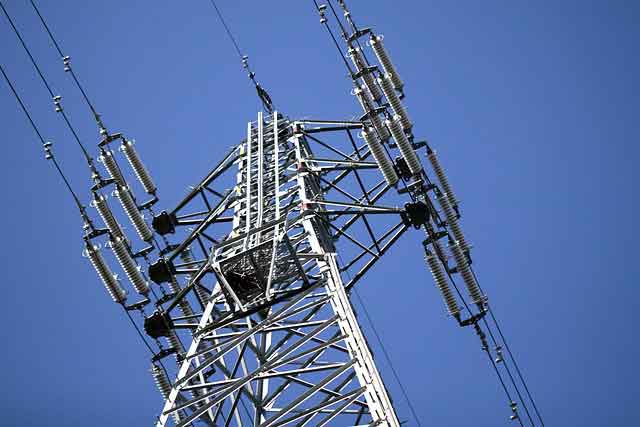
Ontario will need to add or replace 15,000 megawatts of generating capacity over the next 15 years — or more than half the current provincial capacity, says the man who runs the power grid.

And we need to decide soon whether some of the new plants should be nuclear powered, Dave Goulding, chief executive of the Independent Electricity Market Operator (IMO), told a conference.

But executives of private sector generators told the same conference that rules must be changed before investors are likely to bet hundreds of millions of dollars on building new generators in the province.

"I think personally, prospects for new generation in this province are poor," said John Brace, executive vice-president of Northland Power Inc. Brace is also president of the Independent Power Producers Society of Ontario.

The comments came a day after the IMO issued a warning that the province was short of power because of frigid weather, and might have to institute rolling blackouts.

Speaking at the Enercom Conference, Goulding said demand for power continues to grow in Ontario, and some generating plants are aging.

"We're going to see inevitably some retirement (of generators), maybe some refurbishment," he said. "But the net of that is, one way or another, we're going to need 15,000 megawatts of new generation."

The province currently has a theoretical generating capacity of about 30,000 megawatts, but at any time some generators are shut down for maintenance.

During the summer, when demand rose above 25,000 megawatts at times, the IMO had to import up to 4,300 megawatts to make up for generators out of service or to bypass bottlenecks in the transmission grid.

Goulding said generating plants powered by natural gas or renewable fuels can't provide all the needed capacity.

"Because of some of the long lead times, particularly with the nuclear option, we need to be starting that debate soon in order to come up with an understanding of what types of fuel might be in that portfolio, including looking at nuclear."

Debate also needs to take place about the shape of Ontario's electricity market, he said. Market participants were shocked last November when the province froze the price of power at 4.3 cents per kilowatt-hour for householders and small businesses.

But a panel of private generators didn't offer yesterday to charge into the market with new plants. Much of the new investment will have to come from the private sector, since provincially owned Ontario Power Generation Inc. must reduce its market share to 35 per cent by 2012; it currently has about 70 per cent.

Brace of Northland offered up a menu of seven conditions needed to induce investment, including stable government policies, a level playing field for all generators, creditworthy power purchasers and an attractive market that gives confidence to financiers.

"At this point in time, Ontario fails in some respect with just about every one of these criteria," Brace said bluntly.

Duncan Hawthorne, chief executive of Bruce Power Inc., warned the province not to extend the price freeze of 4.3 cents to big businesses. Some large businesses have been lobbying for the same deal as consumers, but Hawthorne said that would only discourage investment.

Harry Goldgut, chief executive of Brascan Power, also took aim at the consumer price of 4.3 cents. (In fact, generators get paid the market rate, which has averaged about 5.6 cents since market opening, with the province subsidizing the difference. But generators say the price freeze still acts as a damper on the market.)

The average price needed to attract investment in Ontario is " a lot more than 4.3 cents a kilowatt-hour," Goldgut told the conference.

The price investors want to see is "well north of 6 cents a kilowatt-hour," he said.

Generators need to be able to sell more power under contract, he said — an opinion echoed by many other participants.

Hydro utilities currently can't buy power under fixed-price contracts. Allowing local utilities to buy on contract, the argument goes, would allow generators to sell more of their output at fixed prices. That would reduce the risk to investors, who might otherwise be nervous about the wide price swings on the volatile spot market.

Related News
American Households Struggle with Sky-High Energy Bills During Extreme Summer Heat

US Summer Energy Bills Crisis is driven by record heatwaves, soaring electricity prices, AC cooling demand, energy poverty risks, and LIHEAP relief, straining low-income households, vulnerable seniors, and budgets amid volatile utilities and peak demand.


Key Points

Rising household energy costs from extreme heat, higher electricity prices, and AC demand, straining vulnerable families.

✅ Record heatwaves drive peak electricity and cooling loads

✅ Tiered rates and volatile markets inflate utility bills

✅ LIHEAP aid and cooling centers offer short-term relief


As the sweltering heat of summer continues to grip much of the United States, American households are grappling with a staggering rise in energy bills. The combination of record-breaking temperatures and rising electricity prices is placing an unprecedented financial strain on families, raising concerns about the long-term impact on household budgets and overall well-being.

Record Heat and Energy Consumption

This summer has witnessed some of the hottest temperatures on record across the country. With many regions experiencing prolonged heatwaves, the demand for air conditioning and cooling systems has surged amid unprecedented electricity demand across parts of the U.S. The increased use of these energy-intensive appliances has led to a sharp rise in electricity consumption, which, combined with elevated energy prices, has pushed household energy bills to new heights.

The situation is particularly dire for households that are already struggling financially. Many families are facing energy bills that are not only higher than usual but are reaching levels that are unsustainable, underscoring electricity struggles for thousands of families across the country. This has prompted concerns about the potential for energy poverty, where individuals are forced to make difficult choices between paying for essential services and covering other necessary expenses.

Impact on Low-Income and Vulnerable Households

Low-income households and vulnerable populations are disproportionately affected by these soaring energy costs. For many, the financial burden of high energy bills is compounded by energy insecurity during the pandemic and other economic pressures, such as rising food prices and stagnant wages. The strain of paying for electricity during extreme heat can lead to tough decisions, including cutting back on other essential needs like healthcare or education.

Moreover, the heat itself poses a serious health risk, particularly for the elderly, children, and individuals with pre-existing health conditions. High temperatures can exacerbate conditions such as cardiovascular and respiratory illnesses, making the need for reliable cooling even more critical. For those struggling to afford adequate cooling, the risk of heat-related illnesses and fatalities increases significantly.

Utilities and Energy Pricing

The sharp rise in energy bills can be attributed to several factors, including higher costs of electricity production and distribution. The ongoing transition to cleaner energy sources, while necessary for long-term environmental sustainability, has introduced short-term volatility in energy markets. Additionally, power-company supply chain crises and increased demand during peak summer months have contributed to higher prices.

Utilities are often criticized for their pricing structures, which can be complex and opaque. Some regions, including areas where California electricity bills soar under scrutiny, use tiered pricing models that charge higher rates as energy consumption increases. This can disproportionately impact households that need to use more energy during extreme heat, further exacerbating financial strain.

Government and Community Response

In response to the crisis, various government and community initiatives are being rolled out to provide relief. Federal and state programs aimed at assisting low-income households with energy costs are being expanded. These programs, such as the Low-Income Home Energy Assistance Program (LIHEAP), offer financial assistance to help with utility bills, but demand often outstrips available resources.

Local community organizations are also stepping in to offer support. Initiatives include distributing fans and portable air conditioners, providing temporary cooling centers, and offering financial assistance to help cover energy costs. These efforts are crucial in helping to mitigate the immediate impact of high energy bills on vulnerable households.

Long-Term Solutions and Sustainability

The current crisis highlights the need for long-term solutions to address both the causes and consequences of high energy costs. Investing in energy efficiency and renewable energy technologies can help reduce the overall demand for electricity and lower long-term costs. Improvements in building insulation, the adoption of energy-efficient appliances, and advancements in smart grid technologies to prevent summer power outages are all essential components of a sustainable energy future.

Furthermore, addressing income inequality and supporting economic stability are critical to ensuring that all households can manage their energy needs without facing financial hardship. Policymakers will need to consider a range of strategies, including financial support programs, regulatory reforms, and infrastructure investments, to create a more equitable and resilient energy system.

Conclusion

As American households endure the double burden of extreme summer heat and skyrocketing energy bills, the need for immediate relief and long-term solutions has never been clearer. The current crisis serves as a reminder of the broader challenges facing the nation’s energy system and the importance of addressing both short-term needs and long-term sustainability. By investing in efficient technologies, supporting vulnerable populations, and developing resilient infrastructure, the U.S. can work towards a future where energy costs are manageable, and everyone has access to the resources they need to stay safe and comfortable.


Related News

View more

The Evolution of Electric Vehicle Charging Infrastructure in the US

US EV Charging Infrastructure is evolving with interoperable NACS and CCS standards, Tesla Supercharger access, federal funding, ultra-fast charging, mobile apps, and battery advances that reduce range anxiety and expand reliable, nationwide fast-charging access.


Key Points

Nationwide network, standards, and funding enabling fast, interoperable EV charging access for drivers across the US.

✅ NACS and CCS interoperability expands cross-network access

✅ Tesla Superchargers opening to more brands accelerate adoption

✅ Federal funding builds fast chargers along highways and communities


The landscape of electric vehicle (EV) charging infrastructure in the United States is rapidly evolving, driven by technological advancements, collaborative efforts between automakers and charging networks across the country, and government initiatives to support sustainable transportation.

Interoperability and Collaboration

Recent developments highlight a shift towards interoperability among charging networks, even as control over charging continues to be contested across the market today. The introduction of the North American Charging Standard (NACS) and the adoption of the Combined Charging System (CCS) by major automakers underscore efforts to standardize charging protocols. This move aims to enhance convenience for EV drivers by allowing them to use multiple charging networks seamlessly.

Tesla's Role and Expansion

Tesla, a trailblazer in the EV industry, has expanded its Supercharger network to accommodate other EV brands. This initiative represents a significant step towards inclusivity, addressing range anxiety and supporting the broader adoption of electric vehicles. Tesla's expansive network of fast-charging stations across the US continues to play a pivotal role in shaping the EV charging landscape.

Government Support and Infrastructure Investment

The federal government's commitment to infrastructure development is crucial in advancing EV adoption. The Bipartisan Infrastructure Law allocates substantial funding for EV charging station deployment along highways and in underserved communities, while automakers plan 30,000 chargers to complement public investment today. These investments aim to expand access to charging infrastructure, promote economic growth, and reduce greenhouse gas emissions associated with transportation.

Technological Advancements and User Experience

Technological innovations in EV charging, including energy storage and mobile charging solutions, continue to improve user experience and efficiency. Ultra-fast charging capabilities, coupled with user-friendly interfaces and mobile apps, simplify the charging process for consumers. Advancements in battery technology also contribute to faster charging times and increased vehicle range, enhancing the practicality and appeal of electric vehicles.

Challenges and Future Outlook

Despite progress, challenges remain in scaling EV charging infrastructure to meet growing demand. Issues such as grid capacity constraints are coming into sharp focus, alongside permitting processes and funding barriers that necessitate continued collaboration between stakeholders. Addressing these challenges is crucial in supporting the transition to sustainable transportation and achieving national climate goals.

Conclusion

The evolution of EV charging infrastructure in the United States reflects a transformative shift towards sustainable mobility solutions. Through interoperability, government support, technological innovation, and industry collaboration, stakeholders are paving the way for a robust and accessible charging ecosystem. As investments and innovations continue to shape the landscape, and amid surging U.S. EV sales across 2024, the trajectory of EV infrastructure development promises to accelerate, ensuring reliable and widespread access to charging solutions that support a cleaner and greener future.


Related News

View more

Solar Now ‘cheaper Than Grid Electricity’ In Every Chinese City, Study Finds

China Solar Grid Parity signals unsubsidized industrial and commercial PV, rooftop solar, and feed-in tariff guarantees competing with grid electricity and coal power prices, driven by cost declines, policy reform, and technology advances.


Key Points

Point where PV in China meets or beats grid electricity, enabling unsubsidized industrial and commercial solar.

✅ City-level analysis shows cheaper PV than grid in 344 cities.

✅ 22% can beat coal power prices without subsidies.

✅ Soft-cost, permitting, and finance reforms speed uptake.


Solar power has become cheaper than grid electricity across China, a development that could boost the prospects of industrial and commercial solar, according to a new study.

Projects in every city analysed by the researchers could be built today without subsidy, at lower prices than those supplied by the grid, and around a fifth could also compete with the nation’s coal electricity prices.

They say grid parity – the “tipping point” at which solar generation costs the same as electricity from the grid – represents a key stage in the expansion of renewable energy sources.

While previous studies of nations such as Germany, where solar-plus-storage costs are already undercutting conventional power, and the US have concluded that solar could achieve grid parity by 2020 in most developed countries, some have suggested China would have to wait decades.

However, the new paper published in Nature Energy concludes a combination of technological advances, cost declines and government support has helped make grid parity a reality in Chinese today.

Despite these results, grid parity may not drive a surge in the uptake of solar, a leading analyst tells Carbon Brief.


Competitive pricing

China’s solar industry has rapidly expanded from a small, rural program in the 1990s to the largest in the world, with record 2016 solar growth underscoring the trend. It is both the biggest generator of solar power and the biggest installer of solar panels.

The installed capacity of solar panels in China in 2018 amounted to more than a third of the global total, with the country accounting for half the world’s solar additions that year.

Since 2000, the Chinese government has unveiled over 100 policies supporting the PV industry, and technological progress has helped make solar power less expensive. This has led to the cost of electricity from solar power dropping, as demonstrated in the chart below.


In their paper, Prof Jinyue Yan of Sweden’s Royal Institute of Technology and his colleagues explain that this “stunning” performance has been accelerated by government subsidies, but has also seen China overinvesting in what some describe as a clean energy's dirty secret of “redundant construction and overcapacity”. The authors write:

“Recently, the Chinese government has been trying to lead the PV industry onto a more sustainable and efficient development track by tightening incentive policies with China’s 531 New Policy.”

The researchers say the subsidy cuts under this policy in 2018 were a signal that the government wanted to make the industry less dependent on state support and shift its focus from scale to quality.

This, they say, has “brought the industry to a crossroads”, with discussions taking place in China about when solar electricity generation could achieve grid parity.

In their analysis, Yan and his team examined the prospects for building industrial and commercial solar projects without state support in 344 cities across China, attempting to gauge where or whether grid parity could be achieved.

The team estimated the total lifetime price of solar energy systems in all of these cities, taking into account net costs and profits, including project investments, electricity output and trading prices.

Besides establishing that installations in every city tested could supply cheaper electricity than the grid, they also compared solar to the price of coal-generated power. They found that 22% of the cities could build solar systems capable of producing electricity at cheaper prices than coal.


Embracing solar

Declining costs of solar technology, particularly crystalline silicon modules, mean the trend in China is also playing out around the world, with offshore wind cost declines reinforcing the shift. In May, the International Renewable Energy Agency (IRENA) said that by the beginning of next year, grid parity could become the global norm for the solar industry, and shifting price dynamics in Northern Europe illustrate the market impact.

Kingsmill Bond, an energy strategist at Carbon Tracker, says this is the first in-depth study he has seen looking at city-level solar costs in China, and is encouraged by this indication of solar becoming ever-more competitive, as seen in Germany's recent solar boost during the energy crisis. He tells Carbon Brief:

“The conclusion that industrial and commercial solar is cheaper than grid electricity means that the workshop of the world can embrace solar. Without subsidy and its distorting impacts, and driven by commercial gain.”

On the other hand, Jenny Chase, head of solar analysis at BloombergNEF, says the findings revealed by Yan and his team are “fairly old news” as the competitive price of rooftop solar in China has been known about for at least a year.

She notes that this does not mean there has been a huge accompanying rollout of industrial and commercial solar, and says this is partly because of the long-term thinking required for investment to be seen as worthwhile.


The lifetime of a PV system tends to be around two decades, whereas the average lifespan of a Chinese company is only around eight years, according to Chase. Furthermore, there is an even simpler explanation, as she explains to Carbon Brief:

“There’s also the fact that companies just can’t be bothered a lot of the time – there are roofs all over Europe where solar could probably save money, but people are not jumping to do it.”

According to Chase, a “much more exciting” development came earlier this year, when the Chinese government developed a policy for “subsidy-free solar”.

This involved guaranteeing the current coal-fired power price to solar plants for 20 years, creating what is essentially a low feed-in tariff and leading to what she describes as “a lot of nice, low-risk projects”.

As for the beneficial effects of grid parity, based on how things have played out in countries where it has already been achieved, Chase says it does not necessarily mean a significant uptake of solar power will follow:

“Grid parity solar is never as popular as subsidised solar, and ironically you don’t generally have a rush to build grid parity solar because you may as well wait until next year and get cheaper solar.”


Policy proposals

In their paper, Yan and his team lay out policy changes they think would help provide an economic incentive, in combination with grid parity, to encourage the uptake of solar power systems.

Technology costs may have fallen for smaller solar projects of the type being deployed on the rooftops of businesses, but they note that the so-called “soft costs” – including installation and maintenance – tend to be “very impactful”.

Specifically, they say aspects such as financing, land acquisition and grid accommodation, which make up over half the total cost, could be cut down:

“Labour costs are not significant [in China] because of the relatively low wages of direct labour and related installation overhead. Customer acquisition has largely been achieved in China by the mature market, with customers’ familiarity with PV systems, and with the perception that PV systems are a reliable technology. However, policymakers should consider strengthening the targeted policies on the following soft costs.”

Among the measures they suggest are new financing schemes, an effort to “streamline” the complicated procedures and taxes involved, and more geographically targeted government policies, alongside innovations like peer-to-peer energy sharing that can improve utilization.

As their analysis showed the price of solar electricity had fallen further in some cities than others, the researchers recommend targeting future subsidies at the cities that are performing less well – keeping costs to a minimum while still providing support when it is most needed.


Related News

View more

Nova Scotia Premier calls on regulators to reject 14% electricity rate hike agreement

Nova Scotia Power Rate Increase Settlement faces UARB scrutiny as regulators weigh electricity rates, fuel costs, storm rider provisions, Bill 212 limits, and Muskrat Falls impacts on ratepayers and affordability for residential and industrial customers.


Key Points

A deal proposing 13.8% electricity hikes for 2023-2024, before the UARB, covering fuel costs, a storm rider, and Bill 212.

✅ UARB review may set different rates than the settlement

✅ Fuel cost prepayment and hedging incentives questioned

✅ Storm rider shifts climate risk onto ratepayers


Nova Scotia Premier Tim Houston is calling on provincial regulators to reject a settlement agreement between Nova Scotia Power and customer groups that would see electricity rates rise by nearly 14% electricity rate hike over the next two years.

"It is our shared responsibility to protect ratepayers and I can't state strongly enough how concerned I am that the agreement before you does not do that," Houston wrote in a letter to the Nova Scotia Utility and Review Board late Monday.

Houston urged the three-member panel to "set the agreement aside and reach its own conclusion on the aforementioned application."

"I do not believe, based on what I know, that the proposed agreement is in the best interest of ratepayers," he said.

The letter does not spell out what his Progressive Conservative government would do if the board accepts the settlement reached last week between Nova Scotia Power and lawyers representing residential, small business and large industrial customer classes.

Other groups also endorsed the deal, although Nova Scotia Power's biggest customer — Port Hawkesbury Paper — did not sign on.

'We're protecting the ratepayers'
Natural Resources Minister Tory Rushton said the province was not part of the negotiations leading up to the settlement.

"As a government or department we had no intel on those conversations that were taking place," he said Tuesday. "So, we saw the information the same as the public did late last week, and right now we're protecting the ratepayers of Nova Scotia, even though the province cannot order Nova Scotia Power to lower rates under current law. We want to make sure that that voice is still heard at the UARB level."

Rushton said he didn't want to presuppose what the UARB will say.

"But I think the premier's been very loud and clear and I believe I have been, too. The ratepayers are at the top of our mind. We have different tools at our [disposal] and we'll certainly do what we can and need to [do] to protect those ratepayers."


The settlement agreement
If approved by regulators, rates would rise by 6.9 per cent in 2023 and 6.9 per cent in 2024 — almost the same amount on the table when hearings before the review board ended in September.

The Houston government later intervened with legislation, known as Bill 212, that capped rates to cover non-fuel costs by 1.8 per cent. It did not cap rates to cover fuel costs or energy efficiency programs.

In a statement announcing the agreement, Nova Scotia Power president Peter Gregg claimed the settlement adhered "to the direction provided by the provincial government through Bill 212."

Consumer advocate Bill Mahody, representing residential customers, told CBC News the proposed 13.8 per cent increase was "a reasonable rate increase given the revenue requirement that was testified to at the hearing."

Settlement 'remarkably' similar to NSP application
The premier disagrees, noting that the settlement and rate application that triggered the rate cap are "remarkably consistent."

He objects to the increased amount of fuel costs rolled into rates next year before the annual true up of actual fuel costs, which are automatically passed on to ratepayers.

"If Nova Scotia Power is effectively paid in advance, what motive do they have to hedge and mitigate the adjustment eventually required," Houston asked in his letter.

He also objected to the inclusion of a storm rider in rates to cover extreme weather, which he said pushed the risk of climate change on to ratepayers.

Premier second-guesses Muskrat Falls approval
Houston also second-guessed the board for approving Nova Scotia Power's participation in the Muskrat Falls hydro project in Labrador.

"The fact that Nova Scotians have paid over $500 million for this project with minimal benefit, and no one has been held accountable, is wrong," he said. "It was this board of the day that approved the contracts and entered the final project into rates."

Ratepayers are committed to paying $1.7 billion for the Maritime Link to bring the green source of electricity into the province, while rate mitigation talks in Newfoundland lack public details for their customers.

Although the Maritime Link was built on time and on budget by an affiliated company, only a fraction of Muskrat Falls hydro has been delivered because of ongoing problems in Newfoundland, including an 18% electricity rate hike deemed unacceptable by the province's consumer advocate.

"I find it remarkable that those contracts did not include different risk sharing mechanisms; they should have had provisions for issues in oversight of project management. Nevertheless, it was approved, and is causing significant harm to ratepayers in the form of increased rates."

Houston notes that because of non-delivery from Muskrat Falls, Nova Scotia Power has been forced to buy much more expensive coal to burn to generate electricity.


Opposition reaction
Opposition parties in Nova Scotia reacted to Houston's letter.

NDP Leader Claudia Chender dismissed it as bluster.

"It exposes his Bill 212 as not really helping Nova Scotians in the way that he said it would," she said. "Nothing in the settlement agreement contravenes that bill. But it seems that he's upset that he's been found out. And so here we are with another intervention in an independent regulatory body."

Liberal Leader Zach Churchill said the government should intervene to help ratepayers directly.

"We just think that it makes more sense to do that directly by supporting ratepayers through heating assistance, lump-sum electricity credits, rebate programs and expanding the eligibility for that or to provide funding directly to ratepayers instead of intervening in the energy market in this way," he said.

The premier's office said that no one was available when asked about an interview on Tuesday.

"The letter speaks for itself," the office responded.

Nova Scotia Power issued a statement Tuesday. It did not directly address Houston's claims.

"The settlement agreement is now with the NS Utility and Review Board," the utility said.

"The UARB process is designed to ensure customers are represented with strong advocates and independent oversight. The UARB will determine whether the settlement results in just and reasonable rates and is in the public interest."


Related News

View more

Bomb Cyclone Leaves Half a Million Without Power in Western Washington

Western Washington Bomb Cyclone unleashed gale-force winds, torrential rain, and coastal flooding, causing massive power outages from Seattle to Tacoma; storm surge, downed trees, and blocked roads hindered emergency response and infrastructure repairs.


Key Points

A rapidly deepening storm with severe winds, rain, flooding, and major power outages across Western Washington.

✅ Rapid barometric pressure drop intensified the system

✅ Gale-force winds downed trees and power lines

✅ Coastal flooding and storm surge disrupted transport


A powerful "bomb cyclone" recently hit Western Washington, causing widespread destruction across the region. The intense storm left more than half a million residents without power, similar to B.C. bomb cyclone outages seen to the north, with outages affecting communities from Seattle to Olympia. This weather phenomenon, marked by a rapid drop in atmospheric pressure, unleashed severe wind gusts, heavy rain, and flooding, causing significant disruption to daily life.

The bomb cyclone, which is a rapidly intensifying storm, typically features a sharp drop in barometric pressure over a short period of time. This creates extreme weather conditions, including gale-force winds, torrential rain, and coastal flooding, as seen during California storm impacts earlier in the season. In Western Washington, the storm struck just as the region was beginning to prepare for the winter season, catching many off guard with its strength and unpredictability.

The storm's impact was immediately felt as high winds downed trees, power lines, and other infrastructure. By the time the worst of the storm had passed, utility companies had reported widespread power outages, with more than 500,000 customers losing electricity. The outages were particularly severe in areas like Seattle, Tacoma, and the surrounding communities. Crews worked tirelessly in difficult conditions to restore power, but many residents faced extended outages, underscoring US grid climate vulnerabilities that complicate recovery efforts, with some lasting for days due to the scope of the damage.

The power outages were accompanied by heavy rainfall, leading to localized flooding. Roads were inundated, making it difficult for first responders and repair crews to reach affected areas. Emergency services were stretched thin as they dealt with downed trees, blocked roads, and flooded neighborhoods. In some areas, floodwaters reached homes, forcing people to evacuate. In addition, several schools were closed, and public transportation services were temporarily halted, leaving commuters stranded and businesses unable to operate.

As the storm moved inland, its effects continued to be felt. Western Washington’s coastal regions were hammered by high waves and storm surges, further exacerbating the damage. The combination of wind and rain also led to hazardous driving conditions, prompting authorities to advise people to stay off the roads unless absolutely necessary.

While power companies worked around the clock to restore electricity, informed by grid resilience strategies that could help utilities prepare for future events, challenges persisted. Fallen trees and debris blocked access to repair sites, and the sheer number of outages made it difficult for crews to restore power quickly. Some customers were left in the dark for days, forced to rely on generators, candles, and other makeshift solutions. The storm's intensity left a trail of destruction, requiring significant resources to address the damages and rebuild critical infrastructure.

In addition to the immediate impacts on power and transportation, the bomb cyclone raised important concerns about climate change and the increasing frequency of extreme weather events. Experts note that storms like these are becoming more common, with rapid intensification leading to more severe consequences and compounding pressures such as extreme-heat electricity costs for households. As the planet warms, scientists predict that such weather systems will continue to grow in strength, posing greater challenges to cities and regions that are not always prepared for such extreme events.

In the aftermath of the storm, local governments and utility companies faced the daunting task of not only restoring services but also assessing the broader impact of the storm on communities. Many areas, especially those hit hardest by flooding and power outages, will require substantial recovery efforts. The devastation of the bomb cyclone highlighted the vulnerability of infrastructure in the face of rapidly changing weather patterns and water availability, as seen in BC Hydro drought adaptations nearby, and reinforced the need for greater resilience in the face of future storms.

The storm's impact on the Pacific Northwest is a reminder of the power of nature and the importance of preparedness. As Western Washington recovers, there is a renewed focus on strengthening infrastructure, including expanded renewable electricity to diversify supply, improving emergency response systems, and ensuring that communities are better equipped to handle the challenges posed by increasingly severe weather events. For now, residents remain hopeful that the worst is behind them and are working together to rebuild and prepare for whatever future storms may bring.

The bomb cyclone has left an indelible mark on Western Washington, but it also serves as a call to action for better preparedness, more robust infrastructure, and a greater focus on combating climate change to mitigate the impact of such extreme weather in the future.


Related News

View more

Restrict price charged for gas and electricity - British MPs

UK Energy Price Cap aims to protect consumers on gas and electricity bills, tackling Big Six overcharging on default and standard variable tariffs, with Ofgem and MPs pushing urgent reforms to the broken market.


Key Points

A temporary absolute limit on default energy tariffs to shield consumers from overcharging on gas and electricity bills.

✅ Caps standard variable and default tariffs to protect loyalty.

✅ Targets Big Six pricing; oversight by Ofgem and BEIS MPs.

✅ Aims for winter protection while maintaining competition.


MPs are calling for a cap on the price of gas and electricity, with questions over the expected cost of a UK price cap amid fears consumers are being ripped off.

The Business, Energy and Industrial Strategy (BEIS) Select Committee says the Big Six energy companies have been overcharging for years.

MPs on the committee backed plans for a temporary absolute cap, noting debates over EU gas price cap strategies to fix what they called a "broken" energy market.

Labour's Rachel Reeves, who chairs the committee, said: "The energy market is broken. Energy is an essential good and yet millions of customers are ripped off for staying loyal to their energy provider.

"An energy price cap is now necessary and the Government must act urgently to ensure it is in place to protect customers next winter.

"The Big Six energy companies might whine and wail about the introduction of a price cap but they've been overcharging their customers on default and SVTs (standard variable tariffs) for years and their recent feeble efforts to move consumers off these tariffs has only served to highlight the need for this intervention."

The Committee also criticised Ofgem for failing to protect customers, especially the most vulnerable.

Draft legislation for an absolute cap on energy tariffs was published by the Government last year, and later developments like the Energy Security Bill have kept reform on the agenda.

But Business Secretary Greg Clark refused to guarantee that the flagship plans would be in place by next winter, despite warnings about high winter energy costs for households.

Committee members said there was a "clear lack of will" on the part of the Big Six to do what was necessary, including exploring decoupling gas and electricity prices, to deal with pricing problems.

A report from the committee found that customers are paying £1.4bn a year more than they should be under the current system.

Around 12 million households are stuck on poor-value tariffs, according to the report.

National assistance charity Citizens Advice said "loyal and vulnerable" customers had been "ripped off" for too long.

Chief executive Gillian Guy said: "An absolute cap, as recommended by the committee, is crucial to securing protection for the largest number of customers while continuing to provide competition in the market. This should apply to all default tariffs."


Related News

View more

Sign Up for Electricity Forum’s Newsletter

Stay informed with our FREE Newsletter — get the latest news, breakthrough technologies, and expert insights, delivered straight to your inbox.

Electricity Today T&D Magazine Subscribe for FREE

Stay informed with the latest T&D policies and technologies.
  • Timely insights from industry experts
  • Practical solutions T&D engineers
  • Free access to every issue

Download the 2025 Electrical Training Catalog

Explore 50+ live, expert-led electrical training courses –

  • Interactive
  • Flexible
  • CEU-cerified