US Power Sector Faces Huge Debt In 2003

By Reuters


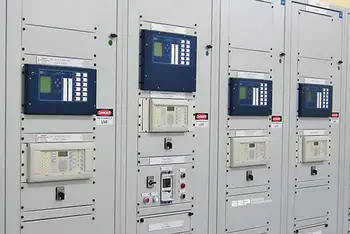
Protective Relay Training - Basic

Our customized live online or in‑person group training can be delivered to your staff at your location.
  • Live Online
  • 12 hours Instructor-led
  • Group Training Available
Regular Price:
$699
Coupon Price:
$599
Reserve Your Seat Today
The US power sector, loaded with a mountain of debt after a massive building spree during the past five years, faces a painful restructuring as the bills come due, affecting not just generators but also lenders, industry analysts say.

During the heyday of electric deregulation in the late 1990s, energy companies borrowed about $500 billion to expand their businesses and build natural gas-fired power plants.

With almost $20 billion due to be paid off or refinanced in 2003, the industry is struggling with an oversupply of generation that has depressed wholesale power prices and further weakened the finances of merchant generators, according to a study by the Fitch credit rating agency.

Because of the heavy debt load, low power prices and expensive natural gas, many new power plants are not returning any cash to their builders, and some are not even generating enough revenue to cover monthly debt payments.

At the same time, the merchant energy sector, created to take advantage of newly deregulated power markets, has been plagued by questionable accounting and trading practices and a loss of investor confidence after a series of credit downgrades following the collapse of Enron Corp. in late 2001.

"The problems are not yet over for the power sector because of the massive debt bubble that needs to be fixed to restore investor confidence in the sector," said Karl Miller, of Miller, McConville & Co., a private firm recently put together by former energy executives and investment bankers seeking to buy distressed generating and natural gas assets.

Many distressed power companies from across the country have resorted to selling assets and taking high interest loans to survive. But such short-term measures will not solve the current problems.

Kansas City's Aquila Inc. recently sold $300 million in assets to avoid defaulting on a bank loan. Detroit's DTE Energy Co. announced in December it would sell its power transmission business to buyout firm DTE Energy Co. Last year, Williams Cos Inc. agreed to a 30 per cent interest rate for a $900 million loan from Lehman Brothers Holdings Inc. and Warren Buffet's Berkshire Hathaway Inc.

Other energy merchants, including Dynegy Inc., Mirant Corp., Reliant Resources and Calpine Corp., have also been forced to refinance debt at high interest rates, though not as high as Williams' desperate move.

A financial restructuring will have to take place -- either in bankruptcy or with lenders out of court -- because the resale value of many plants is well below book value, according to a report by Massachusetts-based CERA energy consultants.

Ultimately, the banks that lent the money to build the plants will suffer from the financial fallout, analysts said.

Most lenders have resisted taking over plants and continue to extend credit and make new loans to keep troubled companies afloat.

"The banks have to recognize the new reality. We want to partner with the banks to restructure the loans and buy the plants at real market prices, allowing the assets to keep generating income for years," said John Burges of Miller, McConville.

For a merchant generator with poor credit, rising debt and dwindling revenues, the sale of a newly built power plant for less than it cost is one of the few options remaining.

Miller, McConville, which does not own any power plants at present but is actively bidding on several projects, estimates there are some 100,000 megawatts of distressed generation in the United States, enough to power about 100 million homes.

"There is a 12- to 24-month window of opportunity to buy distressed plants. Things are likely to get worse during that time as wholesale prices continue to decline before the supply-demand imbalance starts to improve," said Miller.

"The banks want to make sure they get some money out of the plants. They are starting to recognize the debt problem and are beginning to seek solutions. Now is the right time for us to look at these assets," he said.

Related News
Federal net-zero electricity regulations will permit some natural gas power generation

Canada Clean Electricity Regulations allow flexible, technology-neutral pathways to a 2035 net-zero grid, permitting limited natural gas with carbon capture, strict emissions standards, and exemptions for emergencies and peak demand across provinces and territories.


Key Points

Federal draft rules for a 2035 net-zero grid, allowing limited gas with CCS under strict performance and compliance standards.

✅ Performance cap: 30 tCO2 per GWh annually for gas plants

✅ CCS must sequester 95% of emissions to comply

✅ Emergency and peak demand exemptions permitted


After facing pushback from Alberta and Saskatchewan, and amid looming power challenges nationwide, Canada's draft net-zero electricity regulations — released today — will permit some natural gas power generation. 

Environment Minister Steven Guilbeault released Ottawa's proposed Clean Electricity Regulations on Thursday.

Provinces and territories will have a minimum 75-day window to comment on the draft regulations. The final rules are intended to pave the way to a net-zero power grid in Canada, aligning with 2035 clean electricity goals established nationally. 

Calling the regulations "technology neutral," Guilbeault said the federal government believes there's enough flexibility to accommodate the different energy needs of Canada's diverse provinces and territories, including how Ontario is embracing clean power in its planning. 

"What we're talking about is not a fossil fuel-free grid by 2035; it's a net zero grid by 2035," Guilbeault said. 

"We understand there will be some fossil fuels remaining … but we're working to minimize those, and the fossil fuels that will be used in 2035 will have to comply with rigorous environmental and emission standards," he added. 

Some analysts argue that scrapping coal-fired electricity can be costly and ineffective, underscoring the trade-offs in transition planning.

While non-emitting sources of electricity — hydroelectricity, wind and solar and nuclear — should not have any issues complying with the regulations, natural gas plants will have to meet specific criteria.

Those operations, the government said, will need to emit the equivalent of 30 tonnes of carbon dioxide per gigawatt hour or less annually to help balance demand and emissions across the grid.

Federal officials said existing natural gas power plants could comply with that performance standard with the help of carbon capture and storage systems, which would be required to sequester 95 per cent of their emissions.

"In other words, it's achievable, and it is achievable by existing technology," said a government official speaking to reporters Thursday on background and not for attribution.

The regulations will also allow a certain level of natural gas power production without the need to capture emissions. Capturing emissions will be exempted during emergencies and peak periods when renewables cannot keep up with demand. 

Some newer plants might not have to comply with the rules until the 2040s, because the regulations apply to plants 20 years after they are commissioned, which dovetails with net-zero by 2050 commitments from electricity associations. 

The two-decade grace period does not apply to plants that open after the regulations are expected to be finalized in 2025.


Related News

View more

Russia and Ukraine Accuse Each Other of Violating Energy Ceasefire

Russia-Ukraine Energy Ceasefire Violations escalate as U.S.-brokered truce frays, with drone strikes, shelling, and grid attacks disrupting gas supply and power infrastructure across Kursk, Luhansk, Sumy, and Dnipropetrovsk, prompting sanctions calls.


Key Points

Alleged breaches of a U.S.-brokered truce, with both sides striking power grids, gas lines, and critical energy nodes.

✅ Drone and artillery attacks reported on power and gas assets

✅ Both sides accuse each other of breaking truce terms

✅ U.S. mediation faces verification and compliance hurdles


Russia and Ukraine have traded fresh accusations regarding violations of a fragile energy ceasefire, brokered by the United States, which both sides had agreed to last month. These new allegations highlight the ongoing tensions between the two nations and the challenges involved in implementing a truce amid global energy instability in such a complex and volatile conflict.

The U.S.-brokered ceasefire had initially aimed to reduce the intensity of the fighting, specifically in the energy sector, where both sides had previously targeted each other’s infrastructure. Despite this agreement, the accusations on Wednesday suggest that both Russia and Ukraine have continued their attacks on each other's energy facilities, a crucial aspect of the ceasefire’s terms.

Russia’s Ministry of Defence claimed that Ukrainian forces had launched drone and shelling attacks in the western Kursk region, cutting power to over 1,500 homes. This attack allegedly targeted key infrastructure, leaving several localities without electricity. Additionally, in the Russian-controlled part of Ukraine's Luhansk region, a Ukrainian drone strike hit a gas distribution station, severely disrupting the gas supply for over 11,000 customers in the area around Svatove.

In response, Ukrainian President Volodymyr Zelensky accused Russia of breaking the ceasefire. He claimed that Russian drone strikes had targeted an energy substation in Ukraine’s Sumy region, while artillery fire had damaged a power line in the Dnipropetrovsk region, leaving nearly 4,000 consumers without power even as Ukraine increasingly leans on electricity imports to stabilize the grid. Ukraine's accusations painted a picture of continued Russian aggression against critical energy infrastructure, a strategy that had previously been a hallmark of Russia’s broader military operations in the war.

The U.S. had brokered the energy truce as a potential stepping stone toward a more comprehensive ceasefire agreement. However, the repeated violations raise questions about the truce’s viability and the broader prospects for peace between Russia and Ukraine. Both sides are accusing each other of undermining the agreement, which had already been delicate due to previous suspicions and mistrust. In particular, the U.S. administration, led by President Donald Trump, has expressed impatience with the slow progress in moving toward a lasting peace, amid debates over U.S. national energy security priorities.

Kremlin spokesperson Dmitry Peskov defended Russia’s stance, emphasizing that President Vladimir Putin had shown a commitment to peace by agreeing to the energy truce, despite what he termed as daily Ukrainian attacks on Russian infrastructure. He reiterated that Russia would continue to cooperate with the U.S., even though the Ukrainian strikes were ongoing. This perspective suggests that Russia remains committed to the truce but views Ukraine’s actions as violations that could potentially derail efforts to reach a more comprehensive ceasefire.

On the other hand, President Zelensky argued that Russia was not adhering to the terms of the ceasefire. He urged the U.S. to take a stronger stance against Russia, including increasing sanctions on Moscow as punishment for its violations. Zelensky’s call for heightened sanctions is a continuation of his efforts to pressure international actors, particularly the U.S. and European countries, to provide greater energy security support for Ukraine’s struggle and to hold Russia accountable for its actions.

The ceasefire’s fragility is also reflected in the differing views between Ukraine and Russia on what constitutes a successful resolution. Ukraine had proposed a full 30-day ceasefire, but President Putin declined, raising concerns about monitoring and verifying compliance with the terms. This disagreement suggests that both sides are not entirely aligned on what a peaceful resolution should look like and how it can be realistically achieved.

The situation is complicated by the broader context of the war, which has now dragged on for over three years. The conflict has seen significant casualties, immense destruction, and deep geopolitical ramifications. Both countries are heavily reliant on their energy infrastructures, making any attack on these systems not only a military tactic but also a form of economic warfare. Energy resources, including electricity and natural gas, have become central to the ongoing conflict, with both sides using them to exert pressure on the other amid Europe's deepening energy crisis that reverberates beyond the battlefield.

As of now, it remains unclear whether the recent violations of the energy ceasefire will lead to a breakdown of the truce or whether the United States will intervene further to restore compliance, even as Ukraine prepares for winter amid energy challenges. The situation remains fluid, and the international community continues to closely monitor the developments. The U.S., which played a central role in brokering the energy ceasefire, has made it clear that it expects both sides to uphold the terms of the agreement and work toward a more permanent cessation of hostilities.

The continued accusations between Russia and Ukraine regarding the breach of the energy ceasefire underscore the challenges of negotiating peace in such a complex and entrenched conflict. While both sides claim to be upholding their commitments, the reality on the ground suggests that reaching a full and lasting peace will require much more than temporary truces. The international community, particularly the U.S., will likely continue to push for stronger actions to enforce compliance and to prevent the conflict from further escalating. The outcome of this dispute will have significant implications for both countries and the broader European energy landscape and security landscape.


Related News

View more

Hydro-Québec puts global ambitions on hold as crisis weighs on demand

Hydro-Que9bec COVID-19 M&A Pause signals a halt to international expansion as falling electricity demand, weaker exports, and revenue pressure shift capital to the Quebec economy, prioritizing domestic investment, strategic plan revisions, and risk management.


Key Points

Hydro-Que9bec COVID-19 M&A Pause halts overseas deals, shifting investment to Quebec as demand, exports and revenue fall.

✅ International M&A on hold; capital reallocated to Quebec projects

✅ Lower electricity demand reduces exports and spot prices

✅ Strategic plan and 2020 guidance revised downward


COVID-19 is forcing Hydro-Québec to pull the plug on its global ambitions — for now, even as its electricity ambitions have reopened old wounds in Newfoundland and Labrador in recent years.

Quebec’s state-owned power generator and distributor has put international mergers and acquisitions on hold for the foreseeable future because of the COVID-19 crisis, chief financial officer Jean-Hugues Lafleur said Friday.

Former chief executive officer Éric Martel, who left last month, had made foreign expansion a key tenet of his growth strategy.

“We’re in revision mode” as pertains to acquisitions, Lafleur told reporters on a conference call, as the company pursues a long-term strategy to wean the province off fossil fuels at home as well. “I don’t see how Hydro-Québec could take $5 billion now and invest it in Chile because we have an investment opportunity there. Instead, the $5 billion will be invested here to support the Quebec economy. We’re going to make sure the Quebec economy recovers the right way before we go abroad.”

Lafleur spoke after Hydro-Québec reported a 14-per-cent drop in first-quarter profit and warned full-year results will fall short of expectations as COVID-19 weighs on power demand.

Net income in the three-month period ended March 31 was $1.53 billion, down from $1.77 billion a year ago, Hydro-Québec said in a statement. Revenue fell about six per cent to $4.37 billion.

“Due to the economic downturn resulting from the current crisis, we’re anticipating lower electricity sales in all of our markets,” Lafleur said. “Consequently, the financial outlook for 2020 set out in the strategic plan 2020–2024, which also reflects the province’s no-nuclear stance, will be revised downward.”

It’s still too early to determine the scope of the revision, the company said in its quarterly report. Hydro-Québec was targeting net income of between $2.8 billion and $3 billion in 2020, according to its strategic plan.

The first quarter was the utility’s last under Martel, who quit to take over at jetmaker Bombardier Inc. Quebec appointed former Énergir CEO Sophie Brochu to replace him, effective April 6.

First-quarter results “weren’t significantly affected” by the pandemic, Lafleur said on a conference call with reporters. Electricity sales generated $294 million less than a year ago due primarily to milder temperatures, he said.

Results will start to reflect COVID-19’s impact in the second quarter, though NB Power has signed three deals to bring more Quebec electricity into the province that could cushion some exports.

Electricity consumption in Quebec has fallen five per cent in the past two months, paced by an 11-per-cent plunge for commercial and institutional clients, and cities such as Ottawa saw a demand plunge during closures.

Industrial customers such as pulp and paper producers have also curbed power use, and it’s hard to see demand rebounding this year, Lafleur said.

“What we’ve lost since the start of the pandemic is not coming back,” he said.

Demand on export markets, meanwhile, has shrunk between six per cent and nine per cent since mid-March. The drop has been particularly steep in Ontario, reaching as much as 12 per cent, after the province chose not to renew its electricity deal with Quebec earlier this year, compared with declines of up to five per cent in New England and eight per cent in New York.

Spot prices in the U.S. have retreated in tandem, falling this week to as low as 1.5 U.S. cents per kilowatt-hour, Lafleur said. Hydro-Québec’s hedging strategy — which involves entering into fixed-price sales contracts about a year ahead of time — allowed the company to export power for an average of 4.9 U.S. cents per kilowatt-hour in the first quarter, compared with the 2.2 cents it would have otherwise made.

Investments will decline this year as construction activity proceeds at reduced speed, Lafleur said. Hydro-Québec was initially planning to invest about $4 billion in the province, he said, as it works to increase hydropower capacity to more than 37,000 MW across its fleet.

Physical distancing measures “are having an impact on productivity,” Lafleur said. “We can’t work the way we wanted, and project costs are going to be affected. Anytime we send workers north on a plane, we need to leave an empty seat beside them.”


Related News

View more

Ontario's electricity 'recovery rate' could lead to higher hydro bills

Ontario Hydro Flat Rate sets a single electricity rate at 12.8 cents per kWh, replacing time-of-use pricing for Ontario ratepayers, affecting hydro bills this summer, alongside COVID-19 Energy Assistance Program support.


Key Points

A fixed 12.8 cents per kWh electricity price replacing time-of-use rates across Ontario from June to November.

✅ Single rate applies 24/7, replacing time-of-use pricing

✅ May slightly raise bills versus pre-pandemic usage patterns

✅ COVID-19 aid offers one-time credits for households, small firms


A new provincial COVID-19 measure, including a fixed COVID-19 hydro rate designed to give Ontario ratepayers "stability" on their hydro bills this summer, could result in slightly higher hydro costs over the next four months.

Ontario Premier Doug Ford's government announced over the weekend that consumers would be charged a single around-the-clock electricity rate between June and November, before a Nov. 1 rate increase takes effect, replacing the much-derided time-of-use model ratepayers have complained about for years.

Instead of being charged between 10 to 20 cents per kilowatt hour, depending on the time of day electricity is used, including ultra-low TOU rates during off-peak hours, hydro users will be charged a blanket rate of 12.8 cents per kWh.

"The new rate will simply show up on your bill," Premier Doug Ford said at a Monday afternoon news conference.

While the government said the new fixed rate would give customers "greater flexibility" to use their home appliances without having to wait for the cheapest rate -- and has tabled legislation to lower rates as part of its broader plan -- the new policy also effectively erases a pandemic-related hydro discount for millions of consumers.

For example, a pre-pandemic bill of $59.90 with time-of-use rates, will now cost $60.28 with the government's new recovery rate, as fixed pricing ends across the province, before delivery charges, rebates and taxes.

That same bill would have been much cheaper -- $47.57 -- if the government continued applying the lowest tier of time-of-use 24/7 under an off-peak price freeze as it had been doing since March 24.

The government also introduced support for electric bills with two new assistance programs to help customers struggling to pay their bills.

The COVID-19 Energy Assistance Program will provide a one-time payment consumers to help pay off electricity debt incurred during the pandemic -- which will cost the government $9 million.

The government will spend another $8 million to provide similar assistance to small businesses hit hard by the pandemic.


Related News

View more

Canadian gold mine cleans up its act with electricity

Electric mining equipment enables zero-emission, diesel-free operations at Goldcorp's Borden mine, using Sandvik battery-electric drills and LHD trucks to cut ventilation costs, noise, and maintenance while improving underground air quality.


Key Points

Battery-powered mining equipment replaces diesel, cutting emissions and ventilation costs in underground operations.

✅ Cuts diesel use, heat load, and noise in underground headings.

✅ Reduces ventilation infrastructure and operating expense.

✅ Improves air quality, worker health, and equipment uptime.


Mining operations get a lot of flack for creating environmental problems around the world. Yet they provide much of the basic material that keeps the global economy humming. Some mining companies are drilling down in their efforts to clean up their acts, exploring solutions such as recovering mine heat for power to reduce environmental impact.

As the world’s fourth-largest gold mining company Goldcorp has received its share of criticism about the impact it has on the environment.

In 2016, the Canadian company decided to do something about it. It partnered with mining-equipment company Sandvik and began to convert one of its mines into an all-electric operation, a process that is expected to take until 2021.

The efforts to build an all-electric mine began with the Sandvik DD422iE in Goldcorp’s Borden mine in Ontario, Canada.

Goldcorp's Borden mine in Borden, Ontario, CanadaGoldcorp's Borden mine in Borden, Ontario, Canada

The machine weighs 60,000 pounds and runs non-stop on a giant cord. It has a 75-kwh sodium nickel chloride battery to buffer power demands, a crucial consideration as power-hungry Bitcoin facilities can trigger curtailments during heat waves, and to move the drill from one part of the mine to another.

This electric rock-chewing machine removes the need for the immense ventilation systems needed to clean the emissions that diesel engines normally spew beneath the surface in a conventional mining operation, though the overall footprint depends on electricity sources, as regions with Clean B.C. power imports illustrate in practice.

These electric devices improve air quality, dramatically reduce noise pollution, and remove costly maintenance of internal combustion engines, Goldcorp says.

More importantly, when these electric boring machines are used across the board, it will eliminate the negative health effects those diesel drills have on miners.

“It would be a challenge to go back,” says big drill operator Adam Ladouceur.

Mining with electric equipment also removes second- or third-highest expenditure in mining, the diesel fuel used to power the drills, said Goldcorp spokesman Pierre Noel, even as industries pursue dedicated energy deals like Bitcoin mining in Medicine Hat to manage power costs. (The biggest expense is the cost of labor.)

Electric load, haul, dump machine at Goldcorp Borden mine in OntarioElectric load, haul, dump machine at Goldcorp Borden mine in Ontario

Aside from initial cost, the electric Borden mine will save approximately $7 million ($9 million Canadian) annually just on diesel, propane and electricity.

Along with various sizes of electric drills and excavating tools, Goldcorp has started using electric powered LHD (load, haul, dump) trucks to crush and remove the ore it extracts, and Sandvik is working to increase the charging speed for battery packs in the 40-ton electric trucks which transport the ore out of the mines, while utilities add capacity with new BC generating stations coming online.


Related News

View more

Don't be taken in by scammers threatening to shut off electricity: Manitoba Hydro

Manitoba Hydro Phone Scam targets small businesses with disconnection threats, prepaid card payments, caller ID spoofing, phishing texts, and door-to-door fraud; hang up, verify your account directly, and never share banking information.


Key Points

A scam where callers threaten disconnection and demand prepaid cards; verify account status directly with Manitoba Hydro.

✅ Hang up and call Manitoba Hydro at 1-888-624-9376 to verify.

✅ Never pay by prepaid cards, gift cards, or crypto.

✅ Hydro will not cut power on one-hour notice.


Manitoba Hydro is warning customers, particularly small business owners, to be wary of high-pressure scammers, as Ontario utilities warn of scams in other provinces, threatening to shut off their electricity.

The callers demand the customer to make immediate payment by a prepaid card. Often, the calls are made in the middle of the day at a busy time, frightening the customer with aggressive threats about disconnection, as hydro disconnections have made headlines elsewhere, says hydro spokesman Bruce Owen.

"They tell them 'we have a truck on the way to cut off your power. If you don't pay in the next hour you're out of luck,'" he said.

"And because these folks have inventory in freezers and they have customers … they're willing to fork over several hundred or even several thousand dollars on a prepaid card to somebody they don't know to keep the lights on."

Maybe the business owners can't recall, with everything happening, including discussions about Hydro One peak rates in Ontario, if they've made their payments on time. They start second-guessing and believing the person on the other line, Owen says.

And they worry about losing thousands of dollars in business if they lose power. So they're more than willing to run out to a store, buy a prepaid debit card and provide the number to the caller.

"Their goal is to manipulate you into sending money before you figure out it's a scam," said Chris McColm, hydro's security and investigations supervisor. "These people are crooks and you should hang up on them."

For any customers that are in arrears, hydro will work with them to resolve the issue, Owen said.

"We do not have to take that extreme measure of cutting off or disconnecting anybody. That's not the business we're in — we don't strong arm people that way," he said.

"Anybody who's threatening to cut off your power with an hour or half-an-hour notice, well it's it's no better than someone waiting around the corner, waiting the club you over the head in the dark of night. That's what they are."


Fraud reports soar

The power utility has recorded a nearly-300 per cent jump in the number of fraud-related complaints this year over 2017. There have been 862 phone, text and e-mail scams and that could still go much higher.

The current statistics from 2018 have only calculated up to Oct. 31. In 2017, there were 221.

That jump in numbers doesn't necessarily mean there are more scammers out there.

It could simply mean people are finally getting wise to fraudsters and reporting it more, Owen says.

"At the same token, we don't hear of everybody who's been taking advantage of because once they've found out that they've been hoodwinked they don't want to tell anybody because they're so embarrassed," he said.

"These scammers can be very convincing and anyone can be victimized," McColm said.

If you are able to think clearly when some high-pressure caller gets you on the line, Owen suggests asking a few simple questions to challenge their legitimacy:

  • What street am I on?
  • What does my business look like? 
  • What's the weather outside right now?

Phone scammers can falsify their caller ID information to make it appear they're calling from a local number, but what you'll find is most of them aren't in Winnipeg or Manitoba and likely not even this country or continent, Owen says.

The key to being safe is simply to never give out banking information, Owen says. It's a message that has been stressed for years and 80-90 per cent of people understand it, but it's that other 10-20 per cent that are still being victimized.And it's not just phone calls. Many other fraud-related complaints to Manitoba Hydro this year concerned unsolicited text messages to customers saying they had been overbilled, or faced retroactive charges elsewhere, and were eligible for a refund.

This scam is also aimed at getting a customer's personal banking information, under the guise of having money put back into their account.

Also, many people, especially seniors living alone, continue to be targeted by aggressive door-to-door fraudsters, and cases like the electricity theft ring in Montreal underscore the risks, McColm says. However, he adds, hydro employees always display photo ID and will never demand to come into a home. 

If you're unsure whether a phone call, text or email is real or a scam, contact Manitoba Hydro at 1-888-624-9376.


Related News

View more

Sign Up for Electricity Forum’s Newsletter

Stay informed with our FREE Newsletter — get the latest news, breakthrough technologies, and expert insights, delivered straight to your inbox.

Electricity Today T&D Magazine Subscribe for FREE

Stay informed with the latest T&D policies and technologies.
  • Timely insights from industry experts
  • Practical solutions T&D engineers
  • Free access to every issue

Download the 2025 Electrical Training Catalog

Explore 50+ live, expert-led electrical training courses –

  • Interactive
  • Flexible
  • CEU-cerified