Power Transformer Failure: Mechanisms, Degradation
By Johannes Maihöfner, Development Manager, Reinhausen
Request for Quotation Service
Buyers Submit Free RFQs to top suppliers, no obligation
Suppliers Browse real project RFQs directly from buyers
By Johannes Maihöfner, Development Manager, Reinhausen
Our customized live online or in‑person group training can be delivered to your staff at your location.
Request for Quotation Service
Buyers Submit Free RFQs to top suppliers, no obligation.
Suppliers Browse real project RFQs directly from buyers.
Trust Electricity Forum 40 years connection buyers and suppliers.
Power transformer failure begins with insulation aging, thermal stress, moisture intrusion, and partial discharge that progressively weaken dielectric strength and mechanical integrity, allowing early fault detection through temperature, gas generation, and electrical condition indicators before catastrophic breakdown occurs.
Power transformer failures rarely originate from a single, sudden event. Instead, deterioration develops slowly inside insulation systems, conductors, and mechanical components, often progressing undetected for years before reaching a critical threshold. Understanding how these failures begin provides the foundation for early fault detection and long-term asset reliability.
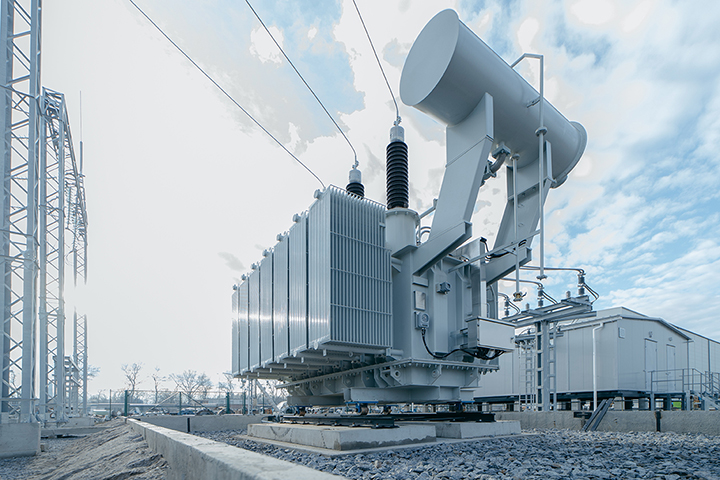
In operating units such as large substation transformers, electrical, thermal, and mechanical stresses continuously act on internal materials. These stresses gradually alter insulation chemistry, weaken dielectric strength, and reduce the transformer's ability to withstand normal operating voltage.
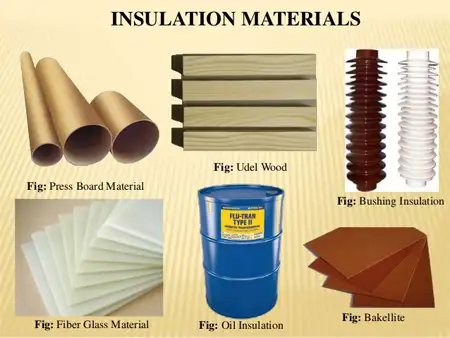
The insulation system defines transformer lifespan. Solid insulation surrounding windings, combined with insulating oil, must maintain electrical separation between energized components under varying load and environmental conditions. Over time, heat and electrical stress cause irreversible chemical changes in these materials.
Cellulose insulation slowly loses mechanical strength as its molecular structure breaks down. This weakening reduces its ability to withstand mechanical forces during faults or load changes. Understanding how insulation deteriorates requires examining both thermal exposure and the condition of the surrounding transformer insulating oil, which protects and cools insulation while maintaining dielectric strength.
Once insulation loses sufficient strength, even normal electrical stress can initiate failure.
Temperature directly affects transformer insulation life. Elevated hotspot temperatures accelerate chemical aging exponentially, meaning even modest increases can dramatically shorten service life.
Internal heating occurs primarily in windings, where electrical resistance generates heat proportional to load current. If cooling systems cannot dissipate this heat effectively, localized thermal stress accumulates. Effective thermal management depends heavily on proper circulation and heat removal through systems described in transformer cooling, which regulate operating temperature and prevent accelerated aging.
Download our FREE Electrical Training Catalog and explore a full range of expert-led electrical training courses.

Repeated thermal cycling introduces additional mechanical stress. The gradual expansion and contraction of materials gradually weaken structural integrity, increasing vulnerability to future failure.
Moisture represents one of the most destructive contaminants in transformer insulation systems. Even small amounts significantly reduce dielectric strength, increasing the risk of electrical discharge.
Moisture enters transformers through aging seals, oil degradation, or environmental exposure. Once present, it accelerates insulation deterioration and promotes chemical reactions that weaken insulating materials. Monitoring moisture levels is essential, often as part of broader transformer oil analysis, which reveals contamination and early degradation.
High moisture content not only reduces electrical strength but also accelerates long-term insulation aging.
Partial discharge represents localized electrical breakdown within insulation. These microscopic discharges occur when insulation defects, contamination, or aging reduce dielectric strength in specific regions.
Although individual discharge events are small, repeated activity gradually erodes insulation material. This erosion causes permanent damage, increasing the likelihood of a complete electrical breakdown. Engineers rely on techniques such as dissolved gas analysis to identify chemical byproducts generated by partial discharge activity, allowing early detection of insulation deterioration.
Without early identification, partial discharge eventually progresses to complete insulation failure.
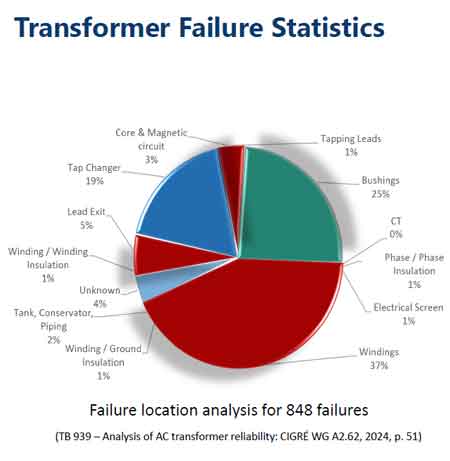
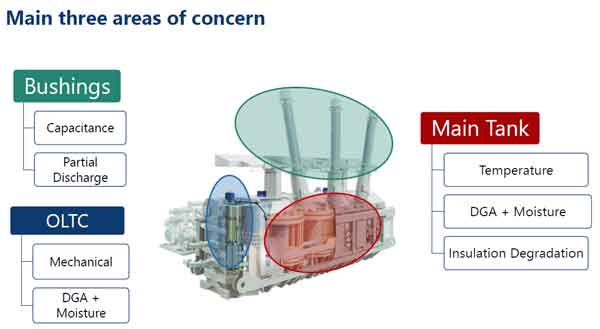
Bushings allow energized conductors to pass safely through grounded transformer enclosures. Because bushings operate under high electrical stress, their insulation systems must remain stable.
Dielectric degradation within bushings alters electrical properties and increases failure risk. Contamination, moisture, and aging gradually weaken insulation layers. The condition of insulating materials, such as dielectric fluid, directly influences dielectric stability and long-term performance.
Bushing failure can cause explosive damage to the transformer due to sudden dielectric breakdown.
Mechanical forces act continuously inside transformers due to electromagnetic fields, vibration, and load variations. These forces gradually affect winding stability, structural supports, and tap changer components.
On-load tap changers experience repeated mechanical movement during voltage regulation. Contact wear, mechanical looseness, and structural fatigue develop over time. Understanding the physical arrangement of internal elements, such as the transformer core, helps explain how electromagnetic forces contribute to long-term mechanical stress.
Mechanical deterioration often progresses slowly but can ultimately trigger electrical failure.
Most transformer failures originate from cumulative degradation, not sudden external events. Insulation aging, thermal stress, moisture intrusion, electrical discharge, and mechanical wear interact continuously throughout the transformer's life.
Early detection depends on identifying these degradation mechanisms before insulation strength declines below safe operating limits. By understanding failure physics, engineers can recognize early warning signs and take corrective action before catastrophic damage occurs.
As transformer fleets continue to age under increasing load demand, understanding the physical mechanisms underlying power transformer failure remains essential to maintaining system reliability, preventing unexpected outages, and extending asset lifespans safely.
Think you know Utility Transformers? Take our quick, interactive quiz and test your knowledge in minutes.
Explore 50+ live, expert-led electrical training courses –