Michigan residents pay more for renewables

By Associated Press


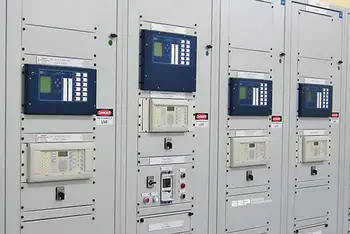
Substation Relay Protection Training

Our customized live online or in‑person group training can be delivered to your staff at your location.
  • Live Online
  • 12 hours Instructor-led
  • Group Training Available
Regular Price:
$699
Coupon Price:
$599
Reserve Your Seat Today
Saying it's only fair, Michigan lawmakers plan to raise residential electricity bills and drop business rates so all customers are charged the true cost of their power.

But when it comes to figuring out who should pay what for new renewable energy requirements, the playing field wouldn't be even.

Though residents account for one-third of Detroit Edison's electric sales, they would contribute nearly two-thirds of what Michigan's largest utility could collect from customers for wind and other sources of alternative power under bills that have passed the House and Senate.

Residential customers of Consumers Energy account for just over one-third of sales yet would pay nearly half the maximum amount charged by the state's second-biggest utility for renewable energy.

Negotiators are ironing out differences in the wide-ranging legislation, with pressure building to send something to Gov. Jennifer Granholm in early September.

"Why are residential ratepayers paying more than their fair share if this is all about them paying their fair share?" asked Paul Stankewitz with the Michigan Catholic Conference, which opposes rate increases on the poor.

Residents would pay no more than $3 a month extra for green power, but the fees would come on top of costs such as shifting overall electric bills by raising residential rates up to 15 percent over five years.

Michigan's domestic automakers and other companies have paid more than their share since the 1970s energy crisis squeezed people's pocketbooks. But the sour economy has made subsidizing residential rates a bigger burden.

Giving few specific reasons for allocating the renewable fees the way they have, supporters of the legislation said people are willing to pay for green energy and would be protected by cost caps. Because renewable power can be more expensive than traditional coal or nuclear energy — at least in the short run — residents would be charged up to $2 a month over 20 years under a Senate bill. The House set a $3 cap for residents.

Smaller businesses would pay no more than $11.05 a month under the Senate plan and $16.58 under the House version. Industrial businesses would pay no more than $125 to $187.50 monthly. Senate Republicans are proposing tax credits to offset costs.

"Many folks like to look at elements of the package in a micro sense. But looking at it from a macro sense, the costs of doing nothing are going to be much more," said Rep. Jeff Mayes, a Bay City Democrat whose bill includes the revenue caps.

Detroit Edison spokesman Len Singer said focusing on only part of the legislation can expose provisions that aren't always "absolutely fair," but he added there's a desire to keep businesses' electric rates reasonable in Michigan's sluggish economic climate.

The support of large companies has been crucial to moving the bills through the Legislature.

It's probably no coincidence that industrial businesses would benefit — big companies in Detroit Edison's area account for 28 percent of electric sales but would kick in just 2 percent of the utility's revenue to buy or generate alternative energy. Small- and medium-sized companies would pay roughly their fair share for green power.

Critics said there's no reason one customer class should pay twice as much as others.

"If you look at the type of use — how many hours per day the energy is taken — some difference might be justified but not a factor of two," said Eric Schneidewind, a former Michigan Public Service Commission chairman who's an attorney for alternative power suppliers opposing the legislation.

It doesn't appear the skewing of renewable fees has been a big issue in talks in recent weeks, however.

Skip Pruss, Gov. Jennifer Granholm's special adviser on renewable energy, said the fee structure originated in the House. The Senate reduced the fees by decreasing how much energy would have to be renewable but didn't change the proportion of revenue coming from residents and businesses.

"They are what they are," Pruss said. "All I can say is the amounts paid by various rate classes vary in a number of complex ways. The general thrust has been to try to have rate parity."

Though residents as a group would contribute the most money toward the development of renewable power, he said they ultimately would save because the legislation would lead to fewer coal or nuclear plants being built and help customers become more energy-efficient.

Another negotiator, Republican Sen. Patricia Birkholz of Saugatuck, said she plans to look further into what the cost caps would look like.

"We're looking at all aspects and trying to make it as fair as possible," Birkholz said.

Related News

EIA: Pennsylvania exports the most electricity, California imports the most from other states

U.S. Electricity Trade by State, 2013-2017 highlights EIA grid patterns, interstate imports and exports, cross-border flows with Canada and Mexico, net exporters and importers, and market regions like ISOs and RTOs shaping consumption and generation.


Key Points

Brief EIA overview of interstate and cross-border power flows, ranking top net importers and exporters.

✅ Pennsylvania was the largest net exporter, averaging 59 million MWh.

✅ California was the largest net importer, averaging 77 million MWh.

✅ Top cross-border: NY, CA, VT, MN, MI imports; WA, TX, CA, NY, MT exports.


According to the U.S. Energy Information Administration (EIA) State Electricity Profiles, from 2013 to 2017, Pennsylvania was the largest net exporter of electricity, while California was the largest net importer.

Pennsylvania exported an annual average of 59 million megawatt-hours (MWh), while California imported an average of 77 million MWh annually.

Based on the share of total consumption in each state, the District of Columbia, Maryland, Massachusetts, Idaho and Delaware were the five largest power-importing states between 2013 and 2017, highlighting how some clean states import 'dirty' electricity as consumption outpaces local generation. Wyoming, West Virginia, North Dakota, Montana and New Hampshire were the five largest power-exporting states. Wyoming and West Virginia were net power exporting states between 2013 and 2017.

New York, California, Vermont, Minnesota and Michigan imported the most electricity from Canada or Mexico on average from 2013 to 2017, reflecting the U.S. look to Canada for green power during that period. Similarly, Washington, Texas, California, New York, and Montana exported the most electricity to Canada or Mexico, on average, during the same period.

Electricity routinely flows among the Lower 48 states and, to a lesser extent, between the United States and Canada and Mexico. From 2013 to 2017, Pennsylvania was the largest net exporter of electricity, sending an annual average of 59 million megawatthours (MWh) outside the state. California was the largest net importer, receiving an average of 77 million MWh annually.

Based on the share of total consumption within each state, the District of Columbia, Maryland, Massachusetts, Idaho, and Delaware were the five largest power-importing states between 2013 and 2017. Wyoming, West Virginia, North Dakota, Montana, and New Hampshire were the five largest power-exporting states. States with major population centers and relatively less generating capacity within their state boundaries tend to have higher ratios of net electricity imports to total electricity consumption, as utilities devote more to electricity delivery than to power production in many markets.

Wyoming and West Virginia were net power exporting states (they exported more power to other states than they consumed) between 2013 and 2017. Customers residing in these two states are not necessarily at an economic disadvantage or advantage compared with customers in neighboring states when considering their electricity bills and fees and market dynamics. However, large amounts of power trading may affect a state’s revenue derived from power generation.

Some states also import and export electricity outside the United States to Canada or Mexico, even as Canada's electricity exports face trade tensions today. New York, California, Vermont, Minnesota, and Michigan are the five states that imported the most electricity from Canada or Mexico on average from 2013 through 2017. Similarly, Washington, Texas (where electricity production and consumption lead the nation), California, New York, and Montana are the five states that exported the most electricity to Canada or Mexico, on average, for the same period.

Many states within the continental United States fall within integrated market regions, referred to as independent system operators or regional transmission organizations. These integrated market regions allow electricity to flow freely between states or parts of states within their boundaries.

EIA’s State Electricity Profiles provide details about the supply and disposition of electricity for each state, including net trade with other states and international imports and exports, and help you understand where your electricity comes from more clearly.


Related News

View more

Schneider Electric Aids in Notre Dame Restoration

Schneider Electric Notre Dame Restoration delivers energy management, automation, and modern electrical infrastructure, boosting safety, sustainability, smart monitoring, efficient lighting, and power distribution to protect heritage while reducing consumption and future-proofing the cathedral.


Key Points

Schneider Electric upgrades Notre Dame's electrical systems to enhance safety, sustainability, automation, and efficiency.

✅ Energy management modernizes power distribution and lighting.

✅ Advanced safety and monitoring reduce fire risk.

✅ Sustainable automation lowers consumption while preserving heritage.


Schneider Electric, a global leader in energy management and automation, exemplified by an AI and technology partnership in Paris, has played a significant role in the restoration of the Notre Dame Cathedral in Paris following the devastating fire of April 2019. The company has contributed by providing its expertise in electrical systems, ensuring the cathedral’s systems are not only restored but also modernized with energy-efficient solutions. Schneider Electric’s technology has been crucial in rebuilding the cathedral's electrical infrastructure, focusing on safety, sustainability, and preserving the iconic monument for future generations.

The fire, which caused widespread damage to the cathedral’s roof and spire, raised concerns about both the physical restoration and the integrity of the building’s systems, including rising ransomware threats to power grids that affect critical infrastructure. As Notre Dame is one of the most visited and revered landmarks in the world, the restoration process required advanced technical solutions to meet the cathedral’s complex needs while maintaining its historical authenticity.

Schneider Electric's contribution to the project has been multifaceted. The company’s solutions helped restore the electrical systems in a way that reduces the energy consumption of the building, improving sustainability without compromising the historical essence of the structure. Schneider Electric worked closely with architects, engineers, and restoration experts to implement innovative energy management technologies, such as advanced power distribution, lighting systems, and monitoring solutions like synchrophasor technology for enhanced grid visibility.

In addition to energy-efficient solutions, Schneider Electric’s efforts in safety and automation have been vital. The company provided expertise in reinforcing the electrical safety systems, leveraging digital transformer stations to improve reliability, which is especially important in a building as old as Notre Dame. The fire highlighted the importance of modern safety systems, and Schneider Electric’s technology ensures that the restored cathedral will be better protected in the future, with advanced monitoring systems capable of detecting any anomalies or potential hazards.

Schneider Electric’s involvement also aligns with its broader commitment to sustainability and energy efficiency, echoing calls to invest in a smarter electricity infrastructure across regions. By modernizing Notre Dame’s electrical infrastructure, the company is helping the cathedral move toward a more sustainable future. Their work represents the fusion of cutting-edge technology and historic preservation, ensuring that the building remains an iconic symbol of French culture while adapting to the modern world.

The restoration of Notre Dame is a massive undertaking, with thousands of workers and experts from various fields involved in its revival. Schneider Electric’s contribution highlights the importance of collaboration between heritage conservationists and modern technology companies, and reflects developments in HVDC technology in Europe that are shaping modern grids. The integration of such advanced energy management solutions allows the cathedral to function efficiently while maintaining the integrity of its architectural design and historical significance.

As the restoration progresses, Schneider Electric’s efforts will continue to support the cathedral’s recovery, with the ultimate goal of reopening Notre Dame to the public, reflecting best practices in planning for growing electricity needs in major cities. Their role in this project not only contributes to the physical restoration of the building but also ensures that it remains a symbol of resilience, cultural heritage, and the importance of combining tradition with innovation.

Schneider Electric’s involvement in the restoration of Notre Dame Cathedral is a testament to how modern technology can be seamlessly integrated into historic preservation efforts. The company’s work in enhancing the cathedral’s electrical systems has been crucial in restoring and future-proofing the monument, ensuring that it will continue to be a beacon of French heritage for generations to come.


Related News

View more

Restoring power to Florida will take 'weeks, not days' in some areas

Florida Hurricane Irma Power Outages strain the grid as utilities plan rebuilds; FPL and Duke Energy deploy crews to restore transmission lines, substations, and service amid flooding, storm surge, and widespread disruptions statewide.


Key Points

Large-scale post-storm power losses in Florida requiring grid rebuilds, thousands of crews, and phased restoration.

✅ Utilities prioritize plants, transmission, substations, then critical facilities

✅ 50,000-60,000 workers mobilized; bucket trucks wait for safe winds

✅ Remote rerouting and hardening aid faster restoration amid flooding


Parts of Florida could be without electricity for more than a week, as damage from Hurricane Irma will require a complete rebuild of portions of the electricity grid, utility executives said on Monday.

Irma has knocked out power to 6.5 million Florida electricity customers, or nearly two-thirds of the state, since making landfall this weekend. In major areas such as Miami-Dade, 74 percent of the county was without power, according to Florida's division of emergency management.

Getting that power back online may require the help of 50,000 to 60,000 workers from all over the United States and Canadian power crews as well, according to Southern Company CEO and Chairman Thomas Fanning. He is also co-chair of the Electricity Subsector Coordinating Council, which coordinates the utility industry and government response to disasters and cyberthreats.

While it is not uncommon for severe storms to down power lines and damage utility poles, Irma's heavy winds and rain batted some of the state's infrastructure to the ground, Fanning said.

"'Restore' may not capture the full sense of where we are. For the very hard impacted areas, I think you're in a 'rebuild' area," he told CNBC's "Squawk Box."

"That's a big deal. People need to understand this is going to take perhaps weeks, not days, in some areas," Fanning said.

Parts of northern Florida, including Jacksonville, experienced heavy flooding, which will temporarily prevent crews from accessing some areas.

Duke Energy, which serves 1.8 million customers in parts of central and northwestern Florida, is trying to restore service to 1.2 million residences and businesses.

Florida Power & Light Company, which provides power to an estimated 4.9 million accounts across the state, had about 3.5 million customers without electricity as of Monday afternoon, said Rob Gould, vice president and chief communications officer at FPL.

The initial damage assessments suggest power can be restored to parts of the state's east coast in just days, but some of the west coast will require rebuilding that could stretch out for weeks, Gould told CNBC's "Power Lunch."

"This is not a typical restoration that you're going to see. We actually for the first time in our company history have our entire 27,000-square-mile, 35-county territory under assault by Irma," he said.

FPL said it would first repair any damage to power plants, transmission lines and substations as part of its massive response to Irma, then prioritize critical facilities such as hospitals and water treatment plants. The electricity company would then turn its attention to areas that are home to supermarkets, gas stations and other community services.

Florida utilities invested billions into their systems after devastating hurricane seasons in 2004 and 2005 in order to make them more resilient and easier to restore after a storm. Irma, which ranked among the most powerful storms in the Atlantic, has nevertheless tested those systems.

The upgrades have allowed FPL to automatically reroute power and address about 1.5 million outages, Gould said. The company strategically placed 19,500 restoration workers before the storm hit, but it cannot use bucket trucks to fix power lines until winds die down, he said.

Some parts of Florida's distribution system — the lines that deliver electricity from power plants to businesses and residences — run underground. However, the state's long coastline and the associated danger of storm surge and seawater incursion make it impractical to run lines beneath the surface in some areas.

Duke Energy has equipped 28 percent of its system with smart grid technology to reroute power remotely, according to Harry Sideris, Duke's state president for Florida. He said the company would continue to build out that capability in the future.

Duke deployed more than 9,000 linesmen and support crew members to Irma-struck areas, but cannot yet say how long some customers will be without power.

Separately, Gulf Power crews reported restoring service to more than 32,000 customers.

"At this time we do not know the exact restoration times. However, we're looking at a week or longer from the first look at the widespread damage that we had," Sideris told CNBC's "Closing Bell."

FPL said on Monday it was doing final checks before bringing back nuclear reactors that were powered down as Hurricane Irma hit Florida.

"We are in the process now of doing final checks on a few of them; we will be bringing those up," FPL President and CEO Eric Silagy told reporters.


Related News

View more

California Gets $500M to Upgrade Power Grid

California Grid Modernization Funding will upgrade transmission and distribution, boost grid resilience, enable renewable energy integration, expand energy storage, and deploy smart grid controls statewide with over $500 million in federal infrastructure investment.


Key Points

Federal support to harden California's grid, integrate renewables, add storage, and deploy smart upgrades for reliability.

✅ Strengthens transmission and distribution for wildfire and heat resilience

✅ Integrates solar and wind with storage and advanced grid controls

✅ Deploys smart meters, DER management, and modern cybersecurity


California has recently been awarded over $500 million in federal funds to significantly improve and modernize its power grid. This substantial investment marks a pivotal step in addressing the state’s ongoing energy challenges, enhancing grid resilience, and supporting its ambitious climate goals. The funding, announced by federal and state officials, is set to bolster California’s efforts to upgrade its electrical infrastructure, integrate renewable energy sources, and ensure a more reliable and sustainable energy system for its residents.

California's power grid has faced numerous challenges in recent years, including extreme weather events, high energy demand, and an increasing reliance on renewable energy sources. The state's electrical infrastructure has struggled to keep pace with these demands, leading to concerns about reliability, efficiency, and the capacity to handle new energy technologies. The recent federal funding is a critical component of a broader strategy to address these issues and prepare the grid for future demands.

The $500 million in federal funds is part of a larger initiative to support energy infrastructure projects across the United States, including a Washington state grant that strengthens regional infrastructure. The investment aims to modernize aging grid systems, improve energy efficiency, and enhance the integration of renewable energy sources. For California, this funding represents a significant opportunity to address several key areas of concern in its power grid.

One of the primary objectives of the funding is to enhance the resilience of the power grid. California has experienced a series of extreme weather events, including wildfires and heatwaves, driven in part by climate change impacts across the U.S., which have put considerable strain on the electrical infrastructure. The new investment will support projects designed to strengthen the grid’s ability to withstand and recover from these events. This includes upgrading infrastructure to make it more robust and less susceptible to damage from natural disasters.

Another key focus of the funding is the integration of renewable energy sources. California is a leader in the adoption of solar and wind energy, and the state has set ambitious goals for increasing its use of clean energy. However, integrating these variable energy sources into the grid presents technical challenges, including ensuring a stable and reliable power supply. The federal funds will be used to develop and deploy advanced technologies that can better manage and store renewable energy, such as battery storage systems, improving the overall efficiency and effectiveness of the grid.

In addition to resilience and renewable integration, the funding will also support efforts to modernize grid infrastructure. This includes upgrading transmission and distribution systems, implementing smarter electricity infrastructure and smart grid technologies, and enhancing grid management and control systems. These improvements are essential for creating a more flexible and responsive power grid that can meet the evolving needs of California’s energy landscape.

The investment in grid modernization also aligns with California’s broader climate goals. The state has set targets to reduce greenhouse gas emissions and increase the use of clean energy sources as it navigates keeping the lights on during its energy transition. By improving the power grid and supporting the integration of renewable energy, California is making progress toward achieving these goals while also creating jobs and stimulating economic growth.

The allocation of federal funds comes at a crucial time for California. The state has faced significant challenges in recent years, including power outages, energy reliability issues, and increasing energy costs that make repairing California's grid especially complex today. The new funding is expected to address many of these concerns by supporting critical infrastructure improvements and ensuring that the state’s power grid can meet current and future demands.

Federal and state officials have expressed strong support for the funding and its potential impact. The investment is seen as a major step forward in creating a more resilient and sustainable energy system for California. It is also expected to serve as a model for other states facing similar challenges in modernizing their power grids and integrating renewable energy sources.

The federal funding is part of a broader push to address infrastructure needs across the country. The Biden administration has prioritized investment in energy infrastructure, including a $34 million DOE initiative supporting grid improvements, as part of its broader agenda to combat climate change and build a more sustainable economy. The funding for California’s power grid is a reflection of this commitment and an example of how federal resources can support state and local efforts to improve infrastructure and address pressing energy challenges.

In summary, California’s receipt of over $500 million in federal funds represents a significant investment in the state’s power grid. The funding will support efforts to enhance grid resilience, integrate renewable energy sources, and modernize infrastructure. As California continues to face challenges related to extreme weather, energy reliability, and climate goals, this investment will play a crucial role in building a more reliable, efficient, and sustainable energy system. The initiative also highlights the importance of federal support in addressing infrastructure needs and advancing environmental and economic goals.


Related News

View more

UK breaks coal free energy record again but renewables still need more support

UK Coal-Free Grid Streak highlights record hours without coal, as renewable energy, wind and solar boost electricity generation, cutting CO2 emissions, reducing fossil fuel reliance, and accelerating grid decarbonization amid volatile gas markets.


Key Points

It is the UKs longest coal-free power run, driven by renewables, signaling decarbonization and reduced gas reliance.

✅ Record-breaking hours of electricity with zero coal generation

✅ Enabled by wind, solar, and growing offshore wind capacity

✅ Highlights need to cut gas use and expand renewable investment


Today is the fourth the UK has entered with not a watt of electricity generated by coal.

It’s the longest such streak since the 1880s and comes only days after the last modern era coal-free power record of 55 hours was set.

That represents good news for those of us who have children and would rather like there to be a planet for them to live on when we’re gone.

Coal generated power is dirty power, and not just through the carbon that gets pumped into the atmosphere when it burns.

The fact that the UK is increasingly able to call upon cleaner alternatives for its requirements, to the extent that records are being regularly broken and coal's share has fallen to record lows, is a welcome development.

The trouble is one of those alternatives is gas, and while it is better than coal it still throws off CO2, among other pollutants. The UK’s use of it, for electricity generation and most of its heating, comes with the added disadvantage of leaving it in hock to volatile international markets and producers that aren’t always friendly.

It was only last month, with the country in the middle of a cold snap, that the Grid was issuing a deficit warning (its first in eight years).

As I wrote at the time, we need to burn less of the stuff as low-carbon progress stalled in 2019 shows, too.

As such, Greenpeace’s call for more investment in renewable energy technology and generation, including solar, onshore wind and offshore wind, which is making an increasing contribution as wind beat coal in 2016 demonstrated, was well made.

Those who complain about onshore wind farms, particularly when they are built in windy places that are pretty, seem willfully blind to the pollution caused by gas.

The need to be listened to less. So do those, like British Gas owner Centrica, that bellyache about green taxes.

It bears repeating that fossil fuels are subsidised still more. It’s just that the subsidies are typically hidden.

A report issued last year by a coalition of environmental organisations found the UK provided $972m (£695m) of annual financing for fossil fuels on average between 2013 and 2015, compared with $172m for renewable energy.

But while they come up with wildly varying amounts as a result of wildly varying approaches, the OECD, the IMF and the International Energy Agency have all quantified substantial subsidies for fossils fuels. Their annual estimates have ranged from $160bn to $5.3tn (yes you read that rate and the number was the IMF’s) globally.

So by all means celebrate coal free days, and a full week without coal power as milestones. But we need more of them more quickly and we need more renewable energy to pick up the slack. As such, the philosophy and approach of government needs to change.


Related News

View more

Cannes Film Festival Power Outage Under Investigation 

Cannes Film Festival Power Outage disrupts Alpes-Maritimes as an electrical substation fire and a fallen high-voltage line trigger blackouts; arson probe launched, grid resilience tested, traffic and trains snarled, Palais des Festivals on backup power.


Key Points

A May 24, 2025 blackout in Cannes disrupting events, under arson probe, exposing grid risks across Alpes-Maritimes.

✅ Substation fire and fallen high-voltage line triggered blackouts

✅ Palais des Festivals ran on independent backup power

✅ Authorities probe suspected arson; security measures reviewed


A significant power outage on May 24, 2025, disrupted the final day of the Cannes Film Festival in southeastern France. The blackout, which affected approximately 160,000 households in the Alpes-Maritimes region, including the city of Cannes, occurred just hours before the highly anticipated Palme d'Or ceremony. French authorities are investigating the possibility that the outage was caused by arson.

Details of the Outage

The power disruption began early on Saturday morning with a fire at an electrical substation near Cannes. This incident weakened the local power grid. Shortly thereafter, a high-voltage line fell at another location, further exacerbating the situation. The combined events led to widespread power outages, affecting not only the festival but also local businesses, traffic systems, and public transportation, echoing Heathrow Airport outage warnings raised days before a separate disruption. Traffic lights in parts of Cannes and the nearby city of Antibes stopped working, leading to traffic jams and confusion in city centers. Most shops along the Croisette remained closed, and local food kiosks were only accepting cash. Train service in Cannes was also disrupted. 

Impact on the Festival

Despite the challenges, festival organizers managed to keep the main venue, the Palais des Festivals, operational by switching to an independent power supply. They confirmed that all scheduled events and screenings, including the Closing Ceremony, would proceed as planned, a reminder of how grid operators sometimes avoid rolling blackouts to keep essential services running. The power was restored around 3 p.m. local time, just hours before the ceremony, allowing music to resume and the event to continue without further incident.

Investigations and Suspected Arson

French authorities, including the national gendarmerie, are investigating the possibility that the power outage was the result of arson, aligning with grid attack warnings issued by intelligence services. The prefect for the Alpes-Maritimes region, Laurent Hottiaux, condemned the "serious acts of damage to electrical infrastructures" and stated that all resources are mobilized to identify, track down, arrest, and bring to justice the perpetrators of these acts.

While investigations are ongoing, no official conclusions have been drawn regarding the cause of the outage. Authorities are working to determine whether the incidents were isolated or part of a coordinated effort, a question that also arises when utilities implement PG&E wildfire shutoffs to prevent cascading damage.

Broader Implications

The power outage at the Cannes Film Festival underscores the vulnerability of critical infrastructure to potential acts of sabotage. While the immediate impact on the festival was mitigated, the incident raises concerns about the resilience of energy systems, especially during major public events, and amid severe weather like a B.C. bomb cyclone that leaves tens of thousands without power. It also highlights the importance of having contingency plans in place to ensure the continuity of essential services in the face of unexpected disruptions.

As investigations continue, authorities are urging the public to remain vigilant and report any suspicious activities, while planners also prepare for storm-driven outages that compound emergency response. The outcome of this investigation may have implications for future security measures at large-scale events and the protection of critical infrastructure.

While the Cannes Film Festival was able to proceed with its closing events, the power outage serves as a reminder of the potential threats to public safety, as seen when a Western Washington bomb cyclone left hundreds of thousands without power, and the importance of robust security measures to safeguard against such incidents.


Related News

View more

Sign Up for Electricity Forum’s Newsletter

Stay informed with our FREE Newsletter — get the latest news, breakthrough technologies, and expert insights, delivered straight to your inbox.

Electricity Today T&D Magazine Subscribe for FREE

Stay informed with the latest T&D policies and technologies.
  • Timely insights from industry experts
  • Practical solutions T&D engineers
  • Free access to every issue

Live Online & In-person Group Training

Advantages To Instructor-Led Training – Instructor-Led Course, Customized Training, Multiple Locations, Economical, CEU Credits, Course Discounts.

Request For Quotation

Whether you would prefer Live Online or In-Person instruction, our electrical training courses can be tailored to meet your company's specific requirements and delivered to your employees in one location or at various locations.