By International Herald Tribune


Arc Flash Training CSA Z462 - Electrical Safety Essentials

Our customized live online or in‑person group training can be delivered to your staff at your location.

  • Live Online
  • 6 hours Instructor-led
  • Group Training Available
Regular Price:
$249
Coupon Price:
$199
Reserve Your Seat Today
Air pollution rises with China's growth

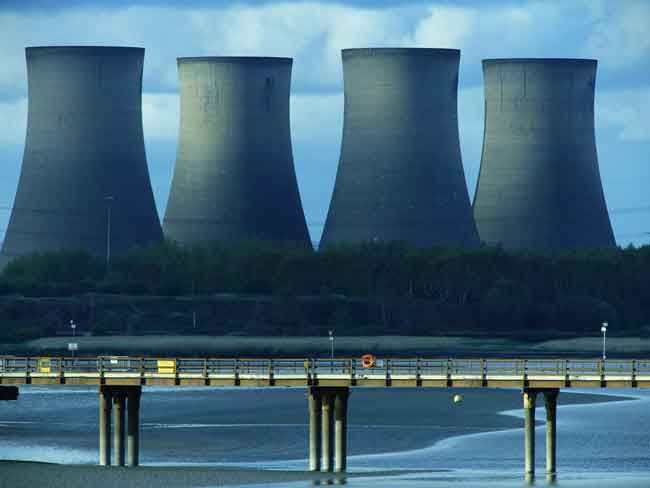
China's rapid economic growth is producing a surge in emissions of greenhouse gases that threatens international efforts to curb global warming, as Chinese power plants burn ever more coal while car sales soar.

Until the last few months, many energy experts and environmentalists had hoped that China's contribution to global warming would be limited.

Chinese state-owned enterprises have become more efficient in their energy use as they compete in an increasingly capitalist economy, and until recently official Chinese statistics had been showing a steep drop in coal production and consumption.

But new figures from Chinese government agencies confirm what energy industry executives had suspected: that coal use has actually been climbing faster in China than practically anywhere else in the world. To the extent that global warming is caused by humanity, as many scientists believe, this is a serious problem because burning coal at a power plant releases more greenhouse gases than using oil or natural gas to generate the same amount of electricity.

China's rising energy consumption complicates diplomatic efforts to limit emissions of global warming gases. The International Energy Agency in Paris predicts that the increase in greenhouse gas emissions from 2000 to 2030 in China alone will nearly equal the increase from the entire industrialized world. China is the world's second-largest emitter of such gases, after the United States.

But China's per-person energy use and greenhouse gas emissions remain far below levels found in richer countries. It has, for example, roughly one-eighth the emissions per capita as in the United States. As a developing country, China is exempt from the Kyoto Protocol, the pending international agreement to limit emissions of greenhouse gases.

When President George W. Bush rejected the Kyoto Protocol two years ago, he portrayed China's exemption as a serious flaw. The protocol has been embraced by most other large nations, however, and only requires ratification by Russia to take effect. Another developing country exempt from the Kyoto Protocol, India, is also showing strong growth in emissions as its economy prospers.

General Motors predicts that China will account for 18 percent of the world's growth in new car sales from 2002 through 2012. The United States will be responsible for another 11 percent, and India, 9 percent.

Chinese official statistics had shown a decline in coal production and consumption in the late 1990's even as the economy was growing 8 percent a year. But many Western and Chinese researchers have become suspicious of that drop over the last several years. They point out that it assumed that local governments had followed Beijing's instructions to close 47,000 small, unsafe mines producing low-grade coal and many heavily polluting small power plants. Yet researchers who visited mines and power plants found that they often remained open, with the output not being reported to Beijing because local administrators feared an outcry if they shut down important employers.

China's National Bureau of Statistics has not revised its coal figures for the late 1990's, but its latest data show that coal consumption jumped 7.6 percent last year.

A Chinese official said the bureau was likely to report a similar increase for this year. Even these figures may be low: Chinese coal industry officials have estimated that coal consumption may be rising at over 10 percent a year. China is now the world's largest coal consumer, and its power plants are burning coal faster than its aging railroads can deliver it from domestic mines, most of which are in the north. So the country is importing coal from Australia. Zhanjiang, a steamy city of 640,000, with its deepwater port, is the main receiving point in southern China. As fishermen in wooden boats brought conical wicker baskets full of silvery, sardine-sized fish ashore at dawn on a recent morning, the sun began illuminating an enormous coal-fired power plant with a big freighter from Australia tied up next to it.

The plant is only nine years old. Zhanjiang drew its electricity over high-tension lines from other cities to the north before then. But the power plant already is inadequate for the area's needs even though it is twice the size of a standard coal plant. With blackouts frequent here for lack of power, construction has just begun on another power plant, this one oil-fired. Other figures from the Bureau of Statistics have also shown very large increases in energy consumption lately. China's electrical power generation, the main use of coal in China, jumped 16 percent in the first eight months of this year, nearly four times as much as Western experts expected.

Power generation is poised to grow swiftly in the years to come, with China's output of equipment for new power plants rising by two- thirds in a single year. China has also become the world's fastest- growing importer of oil.

The Chinese are using more energy in their homes, too, as China has turned into the world's largest market for television sets and one of the largest for many other electrical appliances. A 53-year- old retired saleswoman here said that for more than half her life, her only electrical appliance at home was a light bulb. She and her husband bought a black-and-white television set in 1984, then a refrigerator in 1988. Now she has an air-conditioner, which she acquired in 1998, along with two color televisions, an electric rice cooker, a radio, the refrigerator and many lights. Only the old people do not have air-conditioning now, she said.

Environmental groups that once promoted China as a good example are now increasingly worried. If they're seeing 6 and 7 percent growth, that is obviously a concern, said Dan Lashof, a climate-change expert at the Natural Resources Defense Council.

But environmentalists are also loath to criticize China too strongly, partly because Chinese emissions per person are still so much lower than those in the developed world, and partly because China has been trying with some success to improve the energy efficiency of its industries. The central government in Beijing has had repeated difficulties in forcing provincial governments to pursue recent efficiency programs, however. China's central bank is nervous that some sectors of the economy, especially luxury housing construction, are growing too fast, and it is trying to restrain them. If it succeeds, this could temper somewhat the increase in energy use.

China is not alone in consuming a lot more energy, although its enormous population and rapid economic growth mean that its increases dwarf those of any other country in the developing world. In populous countries from Indonesia to Brazil to India, power plants are burning more and more coal and oil to meet ever- growing demand for electricity from industry and households.

Even some climate experts in developing countries are conceding that their emissions need to be addressed when international talks begin in 2005 on what will follow the Kyoto agreement, which calls for industrialized nations to reduce their emissions by 2012. Considerable reluctance persists among developing countries, however, to accept the kind of specific limits prescribed for wealthy countries by the Kyoto Protocol. There's going to be a fairly heated debate about what developing countries should do in the next round, said Rajendra Pachauri, an Indian engineer who is the chairman of the Intergovernmental Panel on Climate Change, a UN group that assesses the causes and consequences of rising temperatures.

The Chinese government is drafting a series of new economic policies, some of which will concern energy, and is expected to release them soon. Senior Chinese officials did not respond to requests for interviews over the past two months.

Two fairly senior Chinese officials said in earlier, separate interviews, after President Hu Jintao succeeded Jiang Zemin in March, that an active debate was under way over the extent to which conservation should be balanced against economic growth.

Related News

Energy dashboard: how is electricity generated in Great Britain?

Great Britain electricity generation spans renewables and baseload: wind, solar, nuclear, gas, and biomass, supported by National Grid interconnectors, embedded energy estimates, and BMRS data for dynamic imports and exports across Europe.


Key Points

A diverse, weather-driven mix of renewables, gas, nuclear, and imports coordinated by National Grid.

✅ Baseload from nuclear and biomass; intermittent wind and solar

✅ Interconnectors trade zero carbon imports via subsea cables

✅ Data from BMRS and ESO covers embedded energy estimates


Great Britain has one of the most diverse ranges of electricity generation in Europe, with everything from windfarms off the coast of Scotland to a nuclear power station in Suffolk tasked with keeping the lights on. The increasing reliance on renewable energy sources, as part of the country’s green ambitions, also means there can be rapid shifts in the main source of electricity generation. On windy days, most electricity generation comes from record wind generation across onshore and offshore windfarms. When conditions are cold and still, gas-fired power stations known as peaking plants are called into action.

The electricity system in Great Britain relies on a combination of “baseload” power – from stable generators such as nuclear and biomass plants – and “intermittent” sources, such as wind and solar farms that need the right weather conditions to feed energy into the grid. National Grid also imports energy from overseas, through subsea cables known as interconnectors that link to France, Belgium, Norway and the Netherlands. They allow companies to trade excess power, such as renewable energy created by the sun, wind and water, between different countries. By 2030 it is hoped that 90% of the energy imported by interconnectors will be from zero carbon energy sources, though low-carbon electricity generation stalled in 2019 for the UK.

The technology behind Great Britain’s power generation has evolved significantly over the last century, and at times wind has been the main source of electricity. The first integrated national grid in the world was formed in 1935 linking seven regions of the UK. In the aftermath of industrialisation, coal provided the vast majority of power, before oil began to play an increasingly important part in the 1950s. In 1956, the world’s first commercial nuclear reactor, Calder Hall 1 at Windscale (later Sellafield), was opened by Queen Elizabeth II. Coal use fell significantly in the 1990s while the use of combined cycle gas turbines grew, and in 2016 wind generated more electricity than coal for the first time. Now a combination of gas, wind, nuclear and biomass provide the bulk of Great Britain’s energy, with smaller sources such as solar and hydroelectric power also used. From October 2024, coal will no longer be used to generate electricity, following coal-free power records set in recent years.

Energy generation data is fetched from the Balancing Mechanism Reporting Service public feed, provided by Elexon – which runs the wholesale energy market – and is updated every five minutes, covering periods when wind led the power mix as well.

Elexon’s data does not include embedded energy, which is unmetered and therefore invisible to Great Britain’s National Grid. Embedded energy comprises all solar energy and wind energy generated from non-metered turbines. To account for these figures we use embedded energy estimates from the National Grid electricity system operator, which are published every 30 minutes.

Import figures refer to the net flow of electricity from the interconnectors with Europe and with Northern Ireland. A positive value represents import into the GB transmission system, while a negative value represents an export.

Hydro figures combine renewable run-of-the-river hydropower and pumped storage.

Biomass figures include Elexon’s “other” category, which comprises coal-to-biomass conversions and biomass combined heat and power plants.


Related News

View more

Ontario hydro rates set to increase Nov. 1, Ontario Energy Board says

Ontario Electricity Rebate clarifies hydro rates as OEB aligns bills with inflation, shows true cost per kilowatt hour, and replaces Fair Hydro Plan; transparent on-bill credit offsets increases tied to nuclear refurbishment and supply costs.


Key Points

A line-item credit on Ontario hydro bills that offsets higher electricity costs and reflects OEB-set rates.

✅ Starts Nov. 1 with rates in line with inflation

✅ Shows true per-kWh cost plus separate rebate line

✅ Driven by nuclear refurbishment and supply costs


The Ontario Energy Board says electricity rate changes for households and small businesses will be going up starting next week.

The agency says rates are scheduled to increased by about $1.99 or nearly 2% for a typical residential customer who uses 700 kilowatt hours per month.

The provincial government said in March it would continue to subsidize hydro rates, through legislation to lower rates, and hold any increases to the rate of inflation.

The OEB says the new rates, which the board says are “in line” with inflation, will take effect Nov. 1 as changes for electricity consumers roll out and could be noticed on bills within a few weeks of that date.

Prices are increasing partly due to government legislation aimed at reflecting the actual cost of supply on bills, and partly due to the refurbishment of nuclear facilities, contributing to higher hydro bills for some consumers.

So, effective November 1, Ontario electricity bills will show the true cost of power, after a period of a fixed COVID-19 hydro rate, and will include the new Ontario Electricity Rebate.

Previously the electricity rebate was concealed within the price-per-kilowatt-hour line item on electricity statements, prompting Hydro One bill redesign discussions to improve clarity. This meant customers could not see how much the government rebate was reducing their monthly costs, and bills did not display the true cost of electricity used.

"People deserve facts and accountability, especially when it comes to hydro costs," said Energy Minister Rickford.

The new Ontario Electricity Rebate will appear as a transparent on-bill line item and will replace the former government's Fair Hydro Plan says a government news release. This change comes in response to the Auditor General's special report on the former government's Fair Hydro Plan which revealed that "the government created a needlessly complex accounting/financing structure for the electricity rate reduction in order to avoid showing a deficit or an increase in net debt."

"The Electricity Distributors Association commends the government's commitment to making Ontario's electricity bills more transparent," said Teresa Sarkesian, President of the Electricity Distributors Association. "As the part of our electricity system that is closest to customers, local hydro utilities appreciated the opportunity to work with the government on implementing this important initiative. We worked to ensure that customers who receive their electricity bill will have a clear understanding of the true cost of power and the amount of their on-bill rebate. Local hydro utilities are focused on making electricity more affordable, reducing red tape, and providing customers with a modern and reliable electricity system that works for them."

The average customer will see the electricity line on their bill rise, showing the real cost per kilowatt hour. The new Ontario Electricity Rebate will compensate for that rise, and will be displayed as a separate line item on hydro bills. The average residential bill will rise in line with the rate of inflation.


Related News

View more

TCS Partners with Schneider Electric Marathon de Paris to Boost AI and Technology

TCS AI Partnership Paris Marathon integrates predictive analytics, digital twin simulations, real-time runner tracking, and sustainability solutions to elevate logistics, athlete performance, and immersive spectator engagement across the Schneider Electric Marathon de Paris ecosystem.


Key Points

AI-driven TCS partnership enhancing Paris logistics, performance, engagement, and sustainability for three years.

✅ Predictive analytics and digital twins optimize race-day ops

✅ Real-time runner tracking and health insights

✅ Sustainable resource management and waste reduction


Tata Consultancy Services (TCS) has officially become the AI & Technology Partner for the Schneider Electric Marathon de Paris, marking the start of a three-year collaboration with one of the world’s most prestigious running events. This partnership, announced on April 1, 2025, aims to revolutionize the marathon experience by integrating cutting-edge technology, artificial intelligence (AI), and data analytics, and modern AI data centers to power scalable capabilities, enhancing both the runner's journey and the spectator experience.

The Schneider Electric Marathon de Paris, which attracts over 55,000 runners from across the globe, is a renowned event that not only challenges athletes but also captivates a worldwide audience. As the Official AI & Technology Partner, TCS is set to bring its deep expertise in AI, digital innovation, and data-driven insights to this iconic event, drawing on adjacent domains such as substation automation training to strengthen operations. With more than 30 years of presence in France and its significant partnerships with French corporations, TCS is uniquely positioned to merge its global technology capabilities with local knowledge, thus adding immense value to this prestigious marathon.

The collaboration will primarily focus on enhancing the race logistics, improving athlete performance, and creating a personalized experience for both runners and spectators. Using advanced AI tools, predictive analytics, and digital twin technologies, TCS will streamline various aspects of the event. For example, AI-powered predictive models, reflecting progress recognized by European electricity prediction specialists in forecasting, will be used to track and monitor runners in real-time, providing insights into their performance and well-being during the race. Additionally, the implementation of digital twin technology will enable TCS to create accurate virtual models of the event, improving logistics and supporting better decision-making.

One of the key goals of the partnership is to improve the sustainability of the marathon. By utilizing advanced AI solutions, including AI for energy savings approaches, TCS will help optimize race-day operations, ensuring efficient management of resources, reducing waste, and minimizing environmental impact. This aligns with the growing trend of incorporating sustainability into large-scale events, ensuring that such iconic marathons not only provide an exceptional experience for participants but also contribute to global environmental goals.

TCS’s PacePort™ innovation hub in Paris will play a pivotal role in the collaboration. This innovation center will serve as the testing ground for new AI-powered solutions and tools aimed at improving runner performance and creating a more engaging race experience. Early priorities for the project include the development of personalized AI-based training programs for runners, real-time tracking systems for athlete health monitoring, and advanced analytics to support better training and recovery strategies, drawing on insights from EU smart meter analytics to inform personalization.

Additionally, TCS will introduce new technologies to enhance spectator engagement. Digital experiences, such as virtual race tracking and immersive content, will bring spectators closer to the event, even if they are not physically present at the marathon. This will allow fans worldwide to engage with the race in more interactive ways, enhancing the global reach and excitement surrounding the event.

TCS’s role in the Schneider Electric Marathon de Paris is part of its broader strategy to leverage technology in the realm of sports. The company already supports several major global marathons, including those in New York, London, where projects like the London electricity tunnel showcase infrastructure innovation, and Mumbai, contributing to their operational success and social impact. In fact, marathons supported by TCS raised nearly $280 million for charitable causes in 2024 alone, demonstrating the company’s commitment to blending innovation with social responsibility.

The strategic partnership with the Paris marathon also underscores TCS’s continued commitment to its French operations, and aligns with Schneider Electric’s Notre Dame restoration initiatives that highlight local impact, reinforcing its role as a leader in AI and digital technology. Through this collaboration, TCS aims to not only support the marathon’s logistical and technological needs but also to contribute to the broader development of digital sports experiences.

This partnership promises to deliver a more dynamic, sustainable, and engaging marathon experience, benefiting runners, spectators, and the broader event ecosystem. With TCS’s cutting-edge technology and commitment to enhancing the marathon, the Schneider Electric Marathon de Paris is poised to set new standards for global sports events, blending athletic performance with digital innovation in unprecedented ways.


Related News

View more

Oil crash only a foretaste of what awaits energy industry

Oil and Gas Profitability Decline reflects shale-driven oversupply, OPEC-Russia dynamics, LNG exports, renewables growth, and weak demand, signaling compressed margins for producers, stressed petrodollar budgets, and shifting energy markets post-Covid.


Key Points

A sustained squeeze on hydrocarbon margins from agile shale supply, weaker OPEC leverage, and expanding renewables.

✅ Shale responsiveness caps prices and erodes industry rents

✅ OPEC-Russia cuts face limited impact versus US supply

✅ Renewables and EVs slow long-term oil and gas demand


The oil-price crash of March 2020 will probably not last long. As in 2014, when the oil price dropped below $50 from $110 in a few weeks, this one will trigger a temporary collapse of the US shale industry. Unless the coronavirus outbreak causes Armageddon, cheap oil will also support policymakers’ efforts to help the global economy.

But there will be at least one important and lasting difference this time round — and it has major market and geopolitical implications.

The oil price crash is a foretaste of where the whole energy sector was going anyway — and that is down.

It may not look that way at first. Saudi Arabia will soon realise, as it did in 2015, that its lethal decision to pump more oil is not only killing US shale but its public finances as well. Riyadh will soon knock on Moscow’s door again. Once American shale supplies collapse, Russia will resume co-operation with Saudi Arabia.

With the world economy recovering from the Covid-19 crisis by then, and with electricity demand during COVID-19 shifting, moderate supply cuts by both countries will accelerate oil market recovery. In time, US shale producers will return too.

Yet this inevitable bounceback should not distract from two fundamental factors that were already remaking oil and gas markets. First, the shale revolution has fundamentally eroded industry profitability. Second, the renewables’ revolution will continue to depress growth in demand.

The combined result has put the profitability of the entire global hydrocarbon industry under pressure. That means fewer petrodollars to support oil-producing countries’ national budgets, including Canada's oil sector exposures. It also means less profitable oil companies, which traditionally make up a large segment of stock markets, an important component of so many western pension funds.

Start with the first factor to see why this is so. Historically, the geological advantages that made oil from countries such as Saudi Arabia so cheap to produce were unique. Because oil and gas were produced at costs far below the market price, the excess profits, or “rent”, enjoyed by the industry were very large.

Furthermore, collusion among low-cost producers has been a winning strategy. The loss of market share through output cuts was more than compensated by immediately higher prices. It was the raison d’être of Opec.

The US shale revolution changed all this, exposing the limits of U.S. energy dominance narratives. A large oil-producing region emerged with a remarkable ability to respond quickly to price changes and shrink its costs over time. Cutting back cheap Opec oil now only increases US supplies, with little effect on world prices.

That is why Russia refused to cut production this month. Even if its cuts did boost world prices — doubtful given the coronavirus outbreak’s huge shock to demand — that would slow the shrinkage of US shale that Moscow wants.

Shale has affected the natural gas industry even more. Exports of US liquefied natural gas now put an effective ceiling on global prices, and debates over a clean electricity push have intensified when gas prices spike.

On top of all this, there is also the renewables’ revolution, though a green revolution has not been guaranteed in the near term. Around the world, wind and solar have become ever-cheaper options to generate electricity. Storage costs have also dropped and network management improved. Even in the US, renewables are displacing coal and gas. Electrification of vehicle fleets will damp demand further, as U.S. electricity, gas, and EVs face evolving pressures.

Eliminating fossil fuel consumption completely would require sustained and costly government intervention, and reliability challenges such as coal and nuclear disruptions add to the complexity. That is far from certain. Meanwhile, though, market forces are depressing the sector’s usual profitability.

The end of oil and gas is not immediately around the corner. Still, the end of hydrocarbons as a lucrative industry is a distinct possibility. We are seeing that in dramatic form in the current oil price crash. But this collapse is merely a message from the future.


Related News

View more

Quebec shatters record for electricity consumption once again

Hydro Quebec Power Consumption Record surges amid extreme cold, peak demand, and grid stress, as Hydro-Quebec urges energy conservation, load management, and reduced heating during morning and evening peaks across Montreal and southern Quebec.


Key Points

Quebec's grid hit 40,300 MW during an extreme cold snap, setting a new record and prompting conservation appeals.

✅ Lower thermostats 1-2 C in unused rooms during peak hours

✅ Delay dishwashers, dryers, and hot water use to off-peak

✅ Peak windows: 6-9 a.m. and 4-8 p.m.; import power if needed


Hydro Quebec says it has once again set a new record for power consumption, echoing record-breaking demand in B.C. in 2021 as extreme cold grips much of the province.

An extreme cold warning has been in effect across southern Quebec since Friday morning, straining the system, just as Calgary's electricity use soared during a frigid February, as Quebecers juggle staying warm and working from home.

Hydro Québec recorded consumption levels reaching 40,300 megawatts as of 8 a.m. Friday, breaking a previous record of 39,000 MW (with B.C. electricity demand hit an all-time high during a similar cold snap) that was broken during another cold snap on Jan 11. 

The publicly owned utility is now asking Quebecers to reduce their electricity consumption as much as possible today and tomorrow, a move consistent with clean electricity goals under federal climate pledges, predicting earlier in the morning the province would again reach an all-time high.

Reducing heating by just one or two degrees, especially in rooms that aren't being used, is one step that people can take to limit their consumption. They can also avoid using large appliances like the dishwasher and clothing dryer as often, and shortening the use of hot water. 

"They're small actions, but across millions of clients, it makes a difference," said Cendrix Bouchard, a spokesperson with Hydro Québec, while speaking with Tout un matin.

"We understand that asking this may pose challenges for some who are home throughout the day because they are working remotely, but if people are able to contribute, we appreciate it."

The best time to try and limit electricity usage is in the morning and evening, when electricity usage tends to peak, Bouchard said.

The province can import electricity from other regions if Quebec's system reaches its limits, even as the utility pursues selling to the United States as part of its long-term strategy, he added.

Temperatures dropped to –24 C in Montreal at 7 a.m., with a wind chill of –29 C. 

It will get colder across the south of the province through the evening and wind chills are expected to make it feel as cold as – 40 until Saturday morning, Environment Canada warned.

Those spending time outdoors are at a higher risk of frostbite and hypothermia.

"Frostbite can develop within minutes on exposed skin, especially with wind chill," Environment Canada said.

Conserving energy
Hydro-Québec has signed up 160,000 clients to a flexible billing plan similar to BC Hydro's winter payment plan that allows them to pay less for energy — as long as they use it during non-peak periods.

Quebec's energy regulator, the Régie de l'énergie, also forces crypto-currency mining operations to shut down for some hours  on peak-demand days, a topic where BC Hydro's approach to crypto mining has also drawn attention, Bouchard said.

Hydro-Québec says the highest consumption periods are usually between 6 a.m.-9 a.m. and 4 p.m.-8 p.m.


Related News

View more

Offshore wind is set to become a $1 trillion business

Offshore wind power accelerates low-carbon electrification, leveraging floating turbines, high capacity factors, HVDC transmission, and hydrogen production to decarbonize grids, cut CO2, and deliver competitive, reliable renewable energy near demand centers.


Key Points

Offshore wind power uses offshore turbines to deliver low-carbon electricity with high capacity factors and falling costs.

✅ Sea-based wind farms with 40-50% capacity factors

✅ Floating turbines unlock deep-water, far-shore resources

✅ Enables hydrogen production and strengthens grid reliability


The need for affordable low-carbon technologies is greater than ever

Global energy-related CO2 emissions reached a historic high in 2018, driven by an increase in coal use in the power sector. Despite impressive gains for renewables, fossil fuels still account for nearly two-thirds of electricity generation, the same share as 20 years ago. There are signs of a shift, with increasing pledges to decarbonise economies and tackle air pollution, and with World Bank support helping developing countries scale wind, but action needs to accelerate to meet sustainable energy goals. As electrification of the global energy system continues, the need for clean and affordable low-carbon technologies to produce this electricity is more pressing than ever. This World Energy Outlook special report offers a deep dive on a technology that today has a total capacity of 23 GW (80% of it in Europe) and accounts for only 0.3% of global electricity generation, but has the potential to become a mainstay of the world's power supply. The report provides the most comprehensive analysis to date of the global outlook for offshore wind, its contributions to electricity systems and its role in clean energy transitions.


The offshore wind market has been gaining momentum

The global offshore wind market grew nearly 30% per year between 2010 and 2018, benefitting from rapid technology improvements. Over the next five years, about 150 new offshore wind projects are scheduled to be completed around the world, pointing to an increasing role for offshore wind in power supplies. Europe has fostered the technology's development, led by the UK offshore wind sector alongside Germany and Denmark. The United Kingdom and Germany currently have the largest offshore wind capacity in operation, while Denmark produced 15% of its electricity from offshore wind in 2018. China added more capacity than any other country in 2018.


The untapped potential of offshore wind is vast

The best offshore wind sites could supply more than the total amount of electricity consumed worldwide today. And that would involve tapping only the sites close to shores. The IEA initiated a new geospatial analysis for this report to assess offshore wind technical potential country by country. The analysis was based on the latest global weather data on wind speed and quality while factoring in the newest turbine designs. Offshore wind's technical potential is 36 000 TWh per year for installations in water less than 60 metres deep and within 60 km from shore. Global electricity demand is currently 23 000 TWh. Moving further from shore and into deeper waters, floating turbines could unlock enough potential to meet the world's total electricity demand 11 times over in 2040. Our new geospatial analysis indicates that offshore wind alone could meet several times electricity demand in a number of countries, including in Europe, the United States and Japan. The industry is adapting various floating foundation technologies that have already been proven in the oil and gas sector. The first projects are under development and look to prove the feasibility and cost-effectiveness of floating offshore wind technologies.


Offshore wind's attributes are very promising for power systems

New offshore wind projects have capacity factors of 40-50%, as larger turbines and other technology improvements are helping to make the most of available wind resources. At these levels, offshore wind matches the capacity factors of gas- and coal-fired power plants in some regions – though offshore wind is not available at all times. Its capacity factors exceed those of onshore wind and are about double those of solar PV. Offshore wind output varies according to the strength of the wind, but its hourly variability is lower than that of solar PV. Offshore wind typically fluctuates within a narrower band, up to 20% from hour to hour, than solar PV, which varies up to 40%.

Offshore wind's high capacity factors and lower variability make its system value comparable to baseload technologies, placing it in a category of its own – a variable baseload technology. Offshore wind can generate electricity during all hours of the day and tends to produce more electricity in winter months in Europe, the United States and China, as well as during the monsoon season in India. These characteristics mean that offshore wind's system value is generally higher than that of its onshore counterpart and more stable over time than that of solar PV. Offshore wind also contributes to electricity security, with its high availability and seasonality patterns it is able to make a stronger contribution to system needs than other variable renewables. In doing so, offshore wind contributes to reducing CO2 and air pollutant emissions while also lowering the need for investment in dispatchable power plants. Offshore wind also has the advantage of avoiding many land use and social acceptance issues that other variable renewables are facing.


Offshore wind is on track to be a competitive source of electricity

Offshore wind is set to be competitive with fossil fuels within the next decade, as well as with other renewables including solar PV. The cost of offshore wind is declining and is set to fall further. Financing costs account for 35% to 50% of overall generation cost, and supportive policy frameworks are now enabling projects to secure low cost financing in Europe, with zero-subsidy tenders being awarded. Technology costs are also falling. The levelised cost of electricity produced by offshore wind is projected to decline by nearly 60% by 2040. Combined with its relatively high value to the system, this will make offshore wind one of the most competitive sources of electricity. In Europe, recent auctions indicate that offshore wind will soon beat new natural gas-fired capacity on cost and be on a par with solar PV and onshore wind. In China, offshore wind is set to become competitive with new coal-fired capacity around 2030 and be on par with solar PV and onshore wind. In the United States, recent project proposals indicate that offshore wind will soon be an affordable option, even as the 1 GW timeline continues to evolve, with potential to serve demand centres along the country's east coast.

Innovation is delivering deep cost reductions in offshore wind, and transmission costs will become increasingly important. The average upfront cost to build a 1 gigawatt offshore wind project, including transmission, was over $4 billion in 2018, but the cost is set to drop by more than 40% over the next decade. This overall decline is driven by a 60% reduction in the costs of turbines, foundations and their installation. Transmission accounts for around one-quarter of total offshore wind costs today, but its share in total costs is set to increase to about one-half as new projects move further from shore. Innovation in transmission, for example through work to expand the limits of direct current technologies, will be essential to support new projects without raising their overall costs.


Offshore wind is set to become a $1 trillion business

Offshore wind power capacity is set to increase by at least 15-fold worldwide by 2040, becoming a $1 trillion business. Under current investment plans and policies, the global offshore wind market is set to expand by 13% per year, reflecting its growth despite Covid-19 in recent years, passing 20 GW of additions per year by 2030. This will require capital spending of $840 billion over the next two decades, almost matching that for natural gas-fired or coal-fired capacity. Achieving global climate and sustainability goals would require faster growth: capacity additions would need to approach 40 GW per year in the 2030s, pushing cumulative investment to over $1.2 trillion. 

The promising outlook for offshore wind is underpinned by policy support in an increasing number of regions. Several European North Seas countries – including the United Kingdom, Germany, the Netherlands and Denmark – have policy targets supporting offshore wind. Although a relative newcomer to the technology, China is quickly building up its offshore wind industry, aiming to develop a project pipeline of 10 GW by 2020. In the United States, state-level targets and federal incentives are set to kick-start the U.S. offshore wind surge in the coming years. Additionally, policy targets are in place and projects under development in Korea, Japan, Chinese Taipei and Viet Nam.

 The synergies between offshore wind and offshore oil and gas activities provide new market opportunities. Since offshore energy operations share technologies and elements of their supply chains, oil and gas companies started investing in offshore wind projects many years ago. We estimate that about 40% of the full lifetime costs of an offshore wind project, including construction and maintenance, have significant synergies with the offshore oil and gas sector. That translates into a market opportunity of $400 billion or more in Europe and China over the next two decades. The construction of foundations and subsea structures offers potential crossover business, as do practices related to the maintenance and inspection of platforms. In addition to these opportunities, offshore oil and gas platforms require electricity that is often supplied by gas turbines or diesel engines, but that could be provided by nearby wind farms, thereby reducing CO2 emissions, air pollutants and costs.


Offshore wind can accelerate clean energy transitions

Offshore wind can help drive energy transitions by decarbonising electricity and by producing low-carbon fuels. Over the next two decades, its expansion could avoid between 5 billion and 7 billion tonnes of CO2 emissions from the power sector globally, while also reducing air pollution and enhancing energy security by reducing reliance on imported fuels. The European Union is poised to continue leading the wind energy at sea in Europe industry in support of its climate goals: its offshore wind capacity is set to increase by at least fourfold by 2030. This growth puts offshore wind on track to become the European Union's largest source of electricity in the 2040s. Beyond electricity, offshore wind's high capacity factors and falling costs makes it a good match to produce low-carbon hydrogen, a versatile product that could help decarbonise the buildings sector and some of the hardest to abate activities in industry and transport. For example, a 1 gigawatt offshore wind project could produce enough low-carbon hydrogen to heat about 250 000 homes. Rising demand for low-carbon hydrogen could also dramatically increase the market potential for offshore wind. Europe is looking to develop offshore "hubs" for producing electricity and clean hydrogen from offshore wind.


It's not all smooth sailing

Offshore wind faces several challenges that could slow its growth in established and emerging markets, but policy makers and regulators can clear the path ahead. Developing efficient supply chains is crucial for the offshore wind industry to deliver low-cost projects. Doing so is likely to call for multibillion-dollar investments in ever-larger support vessels and construction equipment. Such investment is especially difficult in the face of uncertainty. Governments can facilitate investment of this kind by establishing a long-term vision for offshore wind and by drawing on U.K. policy lessons to define the measures to be taken to help make that vision a reality. Long-term clarity would also enable effective system integration of offshore wind, including system planning to ensure reliability during periods of low wind availability.

The success of offshore wind depends on developing onshore grid infrastructure. Whether the responsibility for developing offshore transmission lies with project developers or transmission system operators, regulations should encourage efficient planning and design practices that support the long-term vision for offshore wind. Those regulations should recognise that the development of onshore grid infrastructure is essential to the efficient integration of power production from offshore wind. Without appropriate grid reinforcements and expansion, there is a risk of large amounts of offshore wind power going unused, and opportunities for further expansion could be stifled. Development could also be slowed by marine planning practices, regulations for awarding development rights and public acceptance issues.

The future of offshore wind looks bright but hinges on the right policies

The outlook for offshore wind is very positive as efforts to decarbonise and reduce local pollution accelerate. While offshore wind provides just 0.3% of global electricity supply today, it has vast potential around the world and an important role to play in the broader energy system. Offshore wind can drive down CO2 emissions and air pollutants from electricity generation. It can also do so in other sectors through the production of clean hydrogen and related fuels. The high system value of offshore wind offers advantages that make a strong case for its role alongside other renewables and low-carbon technologies. Government policies will continue to play a critical role in the future of offshore wind and  the overall pace of clean energy transitions around the world.


Related News

View more

Sign Up for Electricity Forum’s Newsletter

Stay informed with our FREE Newsletter — get the latest news, breakthrough technologies, and expert insights, delivered straight to your inbox.

Electricity Today T&D Magazine Subscribe for FREE

Stay informed with the latest T&D policies and technologies.
  • Timely insights from industry experts
  • Practical solutions T&D engineers
  • Free access to every issue

Live Online & In-person Group Training

Advantages To Instructor-Led Training – Instructor-Led Course, Customized Training, Multiple Locations, Economical, CEU Credits, Course Discounts.

Request For Quotation

Whether you would prefer Live Online or In-Person instruction, our electrical training courses can be tailored to meet your company's specific requirements and delivered to your employees in one location or at various locations.