China Faces Power Shortgage -- Demand Jumps

By


NFPA 70e Training - Arc Flash

Our customized live online or in‑person group training can be delivered to your staff at your location.

  • Live Online
  • 6 hours Instructor-led
  • Group Training Available
Regular Price:
$199
Coupon Price:
$149
Reserve Your Seat Today
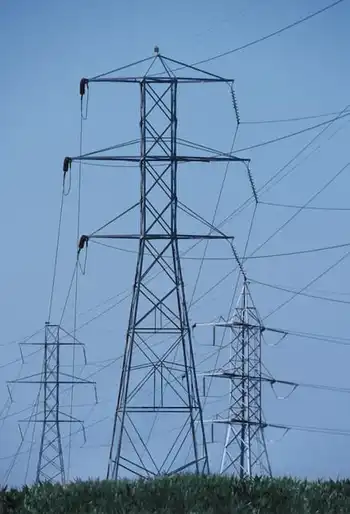
China's power demand is expected to jump between nine and 10 percent this year with shortages emerging in many provinces, the official China Daily reported.

"Almost half of the country's provinces and regions have experienced blackouts since the begining of the year," the newspaper quoted the State Power Regulatory Commission as saying.

Periodic blackouts had occured in the southern province of Guangdong, the eastern provinces of Jiangsu, Zhejiang and Anhui, China's financial hub Shanghai, the southwestern province of Sichuan province and in Chongqing, the newspaper said.

Power shortages had also gripped the relatively backward northwestern provinces of Shaanxi, Qinghai and Ningxia and central Hebei and Shanxi provinces, it said.

"The strained power supply in these areas since the end of last year is mainly due to insufficient construction of power generators," the newspaper said.

"Robust industrial production, falling water supplies for hydro-electricity generators and disruptions of coal supplies will also take their toll," it said.

Electricity demand in China, the world's second largest electricity market after the United States, was forecast to hit 1.8 trillion kilowatt hours this year, up 149 billion kilowatt hours from last year, it said.

Power consumption jumped 17.6 percent in the first two months of this year to 264.8 billion kilowatt hours as high power-consuming sectors such as metallurgy, transport and textiles grew strongly, the newspaper said.

Power firms had to cut off power to residential users at peak hours to guarantee sufficient supply for manufacturers, it said.

The power shortages were expected to continue for two or three years, the newspaper said.

China must shore up the fragile trans-regional power grids to transmit more electricity for northeastern provinces to the power-hungry regions to ease the shortfall, it said.

China's economy may have grown nine percent in the first quarter of this year, accelerating from the 8.1 percent rise in the fourth quarter of last year, state media have said. ($1

8.277 Yuan)

Related News
Hydro One extends ban on electricity disconnections until further notice

Hydro One Disconnection Ban Extension keeps Ontario electricity customers connected during COVID-19, extending the moratorium on power shutoffs and expanding financial relief programs amid ongoing pandemic restrictions and persistent hot weather across the province.


Key Points

An open-ended Ontario utility moratorium preventing residential power shutoffs and offering bill relief during COVID-19.

✅ No residential disconnections until further notice

✅ Extended bill assistance and flexible payment options

✅ Response to COVID-19 restrictions and extreme heat


Ontario's primary electricity provider says it's extending a ban on disconnecting homes from the power grid until further notice.

Hydro One first issued the ban towards the beginning of the province's COVID-19 outbreak, saying self-isolating customers needed to be able to rely on electricity while they were kept at home during the pandemic.

A spokesman for the utility says the ban was initially set to expire at the end of July, but has now been extended in a manner similar to winter disconnection bans without a fixed end-date.

Hydro One says the move is necessary given the ongoing restrictions posed by the pandemic, and notes it has supported provincial COVID-19 efforts in recent months, as well as persistent hot weather across much of the province.

It says it's also planning to extend a financial relief program to help customers struggling to pay their hydro bills, reflecting demand for more choice and flexibility among ratepayers.

The province also extended off-peak electricity rates to provide relief for families, small businesses and farms during this period.


Related News

View more

Honda Accelerates Electric Vehicle Push with Massive Investment in Ontario

Honda Ontario EV Investment accelerates electric vehicle manufacturing in Canada, adding a battery plant, EV assembly capacity, clean energy supply chains, government subsidies, and thousands of jobs to expand North American production and innovation.


Key Points

The Honda Ontario EV Investment is a $18.4B plan for EV assembly and battery production, jobs, and clean growth.

✅ $18.4B for EV assembly and large-scale battery production

✅ Thousands of Ontario manufacturing jobs and supply chain growth

✅ Backed by Canadian subsidies to accelerate clean transportation


The automotive industry in Ontario is on the verge of a significant transformation amid an EV jobs boom across the province, as Honda announces plans to build a new electric vehicle (EV) assembly plant and a large-scale battery production facility in the province. According to several sources, Honda is prepared to invest an estimated $18.4 billion in this initiative, signalling a major commitment to accelerating the automaker's shift towards electrification.


Expanding Ontario's EV Ecosystem

This exciting new investment from Honda builds upon the growing momentum of electric vehicle development in Ontario. The province is already home to a burgeoning EV manufacturing ecosystem, with automakers like Stellantis and General Motors investing heavily in retooling existing plants for EV production, including GM's $1B Ontario EV plant in the province. Honda's new facilities will significantly expand Ontario's role in the North American electric vehicle market.


Canadian Government Supports Clean Vehicles

The Canadian government has been actively encouraging the transition to cleaner transportation by offering generous subsidies to bolster EV manufacturing and adoption, exemplified by the Ford Oakville upgrade that received $500M in support. These incentives have been instrumental in attracting major investments from automotive giants like Honda and solidifying Canada's position as a global leader in EV technology.


Thousands of New Jobs

Honda's investment is not only excellent news for the Canadian economy but also promises to create thousands of new jobs in Ontario, boosting the province's manufacturing sector. The presence of a significant EV and battery production hub will attract a skilled workforce, as seen with a Niagara Region battery plant that is bolstering the region's EV future, and likely lead to the creation of related businesses and industries that support the EV supply chain.


Details of the Plan

While the specific location of the proposed Honda plants has not yet been confirmed, sources indicate that the facilities will likely be built in Southwestern Ontario, near Ford's Oakville EV program and other established sites. Honda's existing assembly plant in Alliston will be converted to produce hybrid models as part of the company's broader plan to electrify its lineup.


Honda's Global EV Ambitions

This substantial investment in Canada aligns with Honda's global commitment to electrifying its vehicle offerings. The company has set ambitious goals to phase out traditional gasoline-powered cars and achieve net-zero carbon emissions by 2040.  Honda aims to expand EV production in North America to meet growing consumer demand and deepen Canada-U.S. collaboration in the EV industry.


The Future of Transportation

Honda's announcement signifies a turning point for the automotive landscape in Canada. This major investment reinforces the shift toward electric vehicles as an inevitable future, with EV assembly deals putting Canada in the race as well.  The move highlights Canada's dedication to fostering a sustainable, clean-energy economy while establishing a robust automotive manufacturing industry for the 21st century.


Related News

View more

Amazon launches new clean energy projects in US, UK

Amazon Renewable Energy Projects advance net zero goals with a Scotland wind farm PPA and US solar farms in North Carolina and Virginia, delivering clean power, added capacity, and lower carbon emissions across cloud operations.


Key Points

Amazon initiatives adding wind and solar capacity in the UK and US to cut carbon and power cloud operations.

✅ Largest UK corporate wind PPA on Scotland Kintyre Peninsula

✅ Two US solar farms in North Carolina and Virginia

✅ 265 MW added capacity, 668,997 MWh clean power annually


Amazon is launching three renewable energy projects in the United States and the United Kingdom that support Amazon’s commitment to using net zero carbon energy by 2040.

The U.K. project is a wind farm on the Kintyre Peninsula in Scotland, aligned with a 10 GW renewables contract boosting the U.K. grid. It will generate 168,000 megawatt hours (MWh) of clean energy each year, enough to power 46,000 U.K. homes. It will be the largest corporate wind power purchase agreement (PPA) in the U.K.

Offshore wind energy in the UK is powering up rapidly, complementing onshore developments.

The other two are solar projects – one in Warren County, N.C, and the other in Prince George County, Va, reflecting broader US solar and wind growth trends nationwide. Together, they are expected to generate 500,997 MWh of energy annually. It is Amazon’s second renewable energy project in North Carolina, following the Amazon Wind Farm US East operated by Avangrid Renewables, and eighth in Virginia.

The three new Amazon wind and solar projects – which are expected to be in operation in 2012 — will provide 265 MW of additional renewable capacity, and align with U.K. wind power lessons for the U.S. market nationwide.

“In addition to the environmental benefits inherently associated with running applications in the cloud, Amazon is committed to minimizing our carbon emissions and reaching 80% renewable energy use across the company by 2024. We’ve announced eight projects this year and have more projects on the horizon – and we’re committed to investing in renewable energy as a critical step toward addressing our carbon footprint globally,” Kara Hurst, director of sustainability at Amazon, said. “With nearly 70 renewable energy projects around the globe – including 54 solar rooftops – we are making significant progress towards reaching Amazon’s company-wide commitment to reach 100% renewable energy by 2030.”

Amazon has launched 18 utility-scale wind and solar renewable energy projects to date, and in parallel, Duke Energy Renewables has acquired three California solar projects, underscoring sector momentum. They will generate over 1,600 MW of renewable capacity and deliver more than 4.6 million MWh of clean energy annually. Amazon has also installed more than 50 solar rooftops on fulfillment centers and sort centers around the world. They generate 98 MW of renewable capacity and deliver 130,000 MWh of clean energy annually.

“Today’s announcement by Amazon is another important step for North Carolina’s clean energy plan that will increase our reliance on renewables and reduce our greenhouse gas emissions,” North Carolina Governor Roy Cooper said. “Not only is this the right thing to do for our planet, it’s the right thing to do for our economy. More clean energy jobs means better jobs for North Carolina families.”

Amazon reports on its sustainability commitments, initiatives, and performance on a new web site the company recently launched. It includes information on Amazon’s carbon footprint and other metrics and updates the company’s progress towards reaching The Climate Pledge. 

“It’s wonderful to see the announcement of these new projects, helping bring more clean energy to the Commonwealth of Virginia where Amazon is already recognized as a leader in bringing renewable energy projects online,” Virginia Governor Ralph Northam said. “These solar farms help reaffirm the Commonwealth’s role as a leading producer of clean energy in the U.S., helping take the nation forward in responding to climate change.”


Related News

View more

Electricity Demand In The Time Of COVID-19

COVID-19 Impact on U.S. Power Demand shows falling electricity load, lower wholesale prices, and resilient utilities in competitive markets, with regional differences tied to weather, renewable energy, stay-at-home orders, and hedging strategies.


Key Points

It outlines reduced load and prices, while regulatory design and hedging support utility stability across regions.

✅ Load down in NY, New England, PJM; weather drives South up.

✅ Wholesale prices fall 8-10% in key markets.

✅ Decoupling, contracts, hedging support utility earnings.


On March 27, Bloomberg New Energy Finance (BNEF) released a report on electricity demand and wholesale market prices impact from COVID-19 fallout. The model compares expected load based largely on weather with actual observed electricity demand changes.

So far, the hardest hit power grid is New York, with load down 7 and prices off by 10 percent. That’s expected, given New York City is the current epicenter of the US health crisis.

Next is New England, with 5 percent lower demand and 8 percent reduced wholesale prices for the week from March 19-25. BNEF says the numbers could go higher following advisories and orders issued March 24 for some 70 percent of the region’s population to stay at home.

Demand on the biggest grid in the US, the PJM (Pennsylvania/Jersey/Maryland), is 4 percent lower, with prices dropping 8 percent, as recent capacity auction payouts fell sharply. BNEF believes there will be more impact as stay at home orders are ramped up in several states.

California’s power demand for March 19-25 was 5 percent below what BNEF’s model expects without COVID-19 impact. That reflects a full week of stay-at-home orders from Governor Newsom issued March 19.

Health officials in Los Angeles and elsewhere expect a spike in COVID-19 cases in coming weeks. But BNEF’s model now actually projects rising electricity load for the state, due to what it calls "freakishly mild weather a year ago."

Rounding out the report, power demand is up for a band of southern states stretching from Florida to the desert Southwest, with weather more than offsetting public response to COVID-19 so far. BNEF says the Northwest’s grid "has not yet been highly impacted," while the Southeast is "generally in line" with pre-virus expectations.

Clearly, all of this data can change quickly and radically. Only California and New York are currently in full shutdown mode. Following them are New England (70 percent), the Midwest (65 percent), Texas (50 percent), PJM (50 percent) and the Northwest (50 percent).

In contrast, only small parts of Florida, the Southeast and Southwest are restricting movement. That could mean a big future increase for shut-ins, with heightened risks of electricity shut-offs that burden households and a corresponding impact on power demand.

Also, weather will play a major role on what happens to actual electricity demand, just as it always does. A very hot summer, for example, could offset virus-related shut-ins, just as it apparently is now in states like Texas. And it should be pointed out that regions vary widely by exposure to recession-sensitive sources of demand, such as heavy industry.

Most important for investors, however, is the built in protection US utility earnings enjoy from declining power demand, even amid broader energy crisis pressures facing the sector. For one thing, US power grids in California, ERCOT (Texas), MISO (Midwest), New England, New York and PJM have wholesale power markets, where producers compete for sales and the lowest bidder sets the price.

In those states, most regulated utilities don’t produce power at all. In fact, companies’ revenue is decoupled entirely from demand in California, as well as much of New England. In the roughly three-dozen states where utilities still operate as integrated monopolies, demand does affect revenue, and in many regions flat electricity demand already persists. But the cost of electricity is passed through directly to customers, whether produced or purchased.

A number of US electric companies have invested in renewable energy facilities as part of broader electrification trends nationwide. These sell their output under long-term contracts primarily with other utilities and government entities.

This isn’t a risk free business: For the past year, generators selling electricity to bankrupt PG&E Corp (PCG) have had their cash trapped at the power plant level as surety for lenders. But even PG&E has honored its contracts. And with states continuing aggressive mandates for renewable energy adoption, growth doesn’t appear at risk to COVID-19 fallout either.

The wholesale price of power from natural gas, coal and many nuclear plants was already sliding before COVID-19, due to renewables adoption and low natural gas prices, even as coal and nuclear disruptions raise reliability concerns. But here too, big producers like Exelon Corp (EXC) and Vistra Energy (VST) have employed aggressive price hedging near term, with regulated utilities and retail businesses protecting long-term health, respectively.

Bottom line: It’s early days for the COVID-19 crisis and much can still change. But so far at least, the US power industry is absorbing the blow of reduced demand, just as it’s done in previous crises.

That means future selloffs in the ongoing bear market are buying opportunities for best in class electric utilities, not a reason to sell. For top candidates, see the Conrad’s Utility Investor Portfolios and Dream Buy List in the March issue. 


Related News

View more

Electricity Shut-Offs in a Pandemic: How COVID-19 Leads to Energy Insecurity, Burdensome Bills

COVID-19 Energy Burden drives higher electricity bills as income falls, intensifying energy poverty, utility shut-offs, and affordability risks for low-income households; policy moratoriums, bill relief, and efficiency upgrades are vital responses.


Key Points

The COVID-19 energy burden is the rising share of income spent on energy as bills increase and earnings decline.

✅ Rising home demand and lost wages increase energy cost share.

✅ Mandated shut-off moratoriums and reconnections protect health.

✅ Fund assistance, efficiency, and solar for LMI households.


I have asthma. It’s a private piece of medical information that I don’t normally share with people, but it makes the potential risks associated with exposure to the coronavirus all the more dangerous for me. But I’m not alone. 107 million people in the U.S. have pre-existing medical conditions like asthma and heart disease; the same pre-existing conditions that elevate their risk of facing a life-threatening situation were we to contract COVID-19. There are, however, tens of millions more house-bound Americans with a condition that is likely to be exacerbated by COVID-19: The energy burden.

The energy burden is a different kind of pre-existing condition:
In the last four weeks, 22 million people filed for unemployment. Millions of people will not have steady income (or the healthcare tied to it) to pay rent and utility bills for the foreseeable future which means that thousands, possibly millions of home-bound Americans will struggle to pay for energy.

Your energy burden is the amount of your monthly income that goes to paying for energy, like your monthly electric bill. So, when household energy use increases or income decreases, your energy burden rises. The energy burden is not a symptom of the pandemic and the economic downturn; it is more like a pre-existing condition for many Americans.

Before the coronavirus outbreak, I shared a few maps that showed how expensive electricity is for some. The energy burden in most pronounced in places already struggling economically, like in Appalachia, where residents in some counties must put more than 30 percent of their income toward their electric bills, and in the Midwest where states such as Michigan have some families spending more than 1/5 of their income on energy bills. The tragic facts are that US families living below the poverty line are far more likely to also be suffering from their energy burden.

But like other pre-existing conditions, the impacts of the coronavirus pandemic are exacerbating the underlying problems afflicting communities across the country.

Critical responses to minimize the spread of COVID-19 are social distancing, washing hands frequently, covering our faces with masks and staying at home. More time at home for most will drive up energy bills, and not by a little. Estimates on how much electricity demand during COVID-19 will increase vary but I’ve seen estimates as high as a 20% increase on average. For some families that’s a bag of groceries or a refill on prescription medication.

What happens when the power gets turned off?
Under normal conditions, if you cannot pay your electric bill your electricity can get turned off. This can have devastating consequences. Most states have protections for health and medical reasons and some states have protections during extreme heat or cold weather. But enforcement of those protections can vary by utility service area and place unnecessary burdens on the customer.

UCS
Only Florida has no protections of any kind against utility shut-offs when health or medical reasons would merit protection against it. However, when it comes to protection against extreme heat, only a few states have mandatory protections based on temperature thresholds.

The NAACP has also pointed out that utilities have unceremoniously disconnected the power of millions of people, disproportionally African-American and Latinx households.

April tends to be a mild month for most of the country, but the South already had its first heat wave at the end of March. If this pandemic lasts into the summer, utility disconnects could become deadly, and efforts to prevent summer power outages will be even more critical to public health. In the summer, during extreme summer heat families can’t turn off the A/C and go to the movies if we are following public health measures and sheltering in place. Lots of families that don’t have or can’t afford to run A/C would otherwise gather at local community pools, beaches, or in cooling centers, but with parks, pools and community groups closed to prevent the virus’s spread, what will happen to these families in July or August?

But we won’t have to wait till the summer to see how families will be hard hit by falling behind on bills and losing power. Here are a few ways electricity disconnection policies cause people harm during the pandemic:

Loss of electricity during the COVID-19 pandemic means families will lose their ability to refrigerate essential food supplies.
Child abuse guidance discusses how unsanitary household conditions are a contributing factor to child protective services involvement. Unsanitary household conditions can include, for example, rotting food (which might happen if electricity is cut off).

HUD’s handbook on federally subsidized housing includes a chapter on termination, which says that lease agreements can be terminated for repeated minor infractions including failing to pay utilities.
Airway machines used to treat respiratory ailments—pre-existing conditions in this pandemic—will not work. Our elderly neighbors in particular might rely on medicine that requires refrigeration or medical equipment that requires electricity. They too have fallen victim to utility shut-offs even during the pandemic.

Empowering solutions are available today

Decisionmakers seeking solutions can look to implement utility shut off moratoriums as a good start. Good news is that many utilities have voluntarily taken action to that effect, and New Jersey and New York have suspended shut-offs, one of the best trackers on who is taking what action has been assembled by Energy Policy Institute.

But voluntary actions do not always provide comprehensive protection, and they certainly have not been universally adopted across the country. Some utilities are waiving fees as relief measures, and some moratoriums only apply to customers directly affected by COVID-19, which will place additional onerous red tape on households that are stricken and perhaps unable to access testing. Others might only be an extension of standard medical shut off protections. Moratoriums put in place by voluntary action can also be revoked or lifted by voluntary action, which does not provide any sense of certainty to people struggling to make ends meet.

This is why the US needs mandatory moratoriums on all utility disconnections. These normally would be rendered at the state level, either by a regulatory commission, legislative act, or even an emergency executive order. But the inconsistent leadership among states in response to the COVID-19 crisis suggests that Congressional action is needed to ensure that all vulnerable utility customers are protected. That’s exactly what a coalition of organizations, including UCS, is calling for in future federal aid legislation. UCS has called for a national moratorium on utility shut-offs.

And let’s be clear, preventing new shut-offs isn’t enough. Cutting power off at residence during a pandemic is not good public policy. People who are without electricity should have it restored so residents can safely shelter in place and help flatten the curve. So far, only Colorado and Wisconsin’s leadership has taken this option.

Addressing the root causes of energy poverty
Preventing shut-offs is a good first step, but the increased bill charges will nevertheless place greater economic pressure on an incalculable number of families. Addressing the root of the problem (energy affordability) must be prioritized when we begin to recover from the health and economic ramifications of the COVID-19 pandemic.

One way policymakers can do that is to forgive outstanding balances on utility bills, perhaps with an eligibility cap based on income. Additional funds could be made available to those who are still struggling to pay their bills via capping bills, waiving late payment fees, automating payment plans or other protective measures that rightfully place consumers (particularly vulnerable consumers) at the center of any energy-related COVID-19 response. Low-and-moderate-income energy efficiency and solar programs should be funded as much as practically possible.

New infrastructure, particularly new construction that is slated for public housing, subsidized housing, or housing specifically marketed for low- and moderate-income families, should include smart thermostats, better insulation, and energy-efficient appliances.

Implementing these solutions may seem daunting, let us not forget that one of the best ways to ease people’s energy burden is to keep a utility’s overall energy costs low. That means state utility commissions must be vigilant in utility rate cases and fuel recovery cost dockets to protect people facing unfathomable economic pressures. Unscrupulous utilities have been known to hide unnecessary costs in our energy bills. Commissions and their staff are overwhelmed at this time, but they should be applying extra scrutiny during proceedings when utilities are recovering costs associated with delivering energy.

What might a utility try to get past the commission?
Well, residential demand is up, so for many people, bills will increase. However, wholesale electricity rates are low right now, in some cases at all-time lows. Why? Because industrial and commercial demand reductions (from social distancing at home) have more than offset residential demand increases. Overall US electricity demand is flat or declining, and supply/demand economics predicts that when demand decreases, prices decrease.

At the same time, natural gas prices have set record lows each month of this year and that’s a trend that is expected to hold true for a while.

Low demand plus low gas prices mean wholesale market prices are incredibly low. Utilities should be taking advantage of low market prices to ensure that they deliver electricity to customers at as low a cost as possible. Utilities must also NOT over-run coal plants uneconomically or lean on aging capacity despite disruptions in coal and nuclear that can invite brownouts because that will not only needlessly cost customers more, but it will also increase air pollution which will exacerbate respiratory issues and susceptibility to COVID-19, according to a recent study published by Harvard.


Related News

View more

Denmark's climate-friendly electricity record is incinerated

Denmark Renewable Energy Outlook assesses Eurostat ranking, district heating and trash incineration, EV adoption, wind turbine testing expansions, and electrification to cut CO2, aligning policies with EU 2050 climate goals and green electricity usage.


Key Points

A brief analysis of Denmark's green power use, electrification, EVs, and policies needed to meet EU 2050 CO2 goals.

✅ Eurostat rank low due to trash incineration in district heating.

✅ EV adoption stalled after tax reinstatement, slowing electrification.

✅ Wind test centers expanded; electrification could cut 95% CO2.


Denmark’s low ranking in the latest figures from Eurostat regarding climate-friendly electricity, which places the country in 32nd place out of 40 countries, is partly a result of the country’s reliance on the incineration of trash to warm our homes via long-established district heating systems.

Additionally, there are not enough electric vehicles – a recent increase in sales was halted in 2016 when the government started to phase back registration taxes scrapped in 2008, and Europe’s EV slump underscores how fragile momentum can be.


Not enough green electricity being used

Denmark is good at producing green electricity, reports Politiken, but it does not use enough, and amid electricity price volatility in Europe this is bad news if it wants to fulfil the EU’s 2050 goal to eliminate CO2 emissions.


A recent report by Eurelectric and McKinsey demonstrates that if heating, transport and industry were electrified, reflecting a broader European push for electrification across the energy system, 95 percent of the country’s CO2 emissions could be eliminated by that date.


Wind turbine testing centre expansion approved

Parliament has approved the expansion of two wind turbine centres in northwest Jutland, supporting integration as e-mobility drives electricity demand in the coming years. The centres in Østerild and Høvsøre will have the capacity to test nine and seven turbines, measuring 330 and 200 metres in size (up from 250 and 165) respectively. The Østerild expansion should be completed in 2019, while Høvsøre ​​will have to wait a little longer.


Third on the Environmental Performance Index

Denmark finished third on the latest Environmental Performance Index, finishing only behind Switzerland and France. Its best category ranking was third for Environmental Health, and comparative energy efficiency benchmarking can help contextualize progress. Elsewhere, it ranked 11th for Ecosystem Vitality, 18th for Biodiversity and Habitat, 94th for Forests, 87th for Fisheries, 25th for Climate and Energy and 37th for Air Pollution, 14th for Water Resources and 7th for Agriculture.


Related News

View more

Sign Up for Electricity Forum’s Newsletter

Stay informed with our FREE Newsletter — get the latest news, breakthrough technologies, and expert insights, delivered straight to your inbox.

Electricity Today T&D Magazine Subscribe for FREE

Stay informed with the latest T&D policies and technologies.
  • Timely insights from industry experts
  • Practical solutions T&D engineers
  • Free access to every issue

Live Online & In-person Group Training

Advantages To Instructor-Led Training – Instructor-Led Course, Customized Training, Multiple Locations, Economical, CEU Credits, Course Discounts.

Request For Quotation

Whether you would prefer Live Online or In-Person instruction, our electrical training courses can be tailored to meet your company's specific requirements and delivered to your employees in one location or at various locations.