Is cyberterrorism a phantom menace?

By CNET News.com


Electrical Testing & Commissioning of Power Systems

Our customized live online or in‑person group training can be delivered to your staff at your location.

  • Live Online
  • 12 hours Instructor-led
  • Group Training Available
Regular Price:
$599
Coupon Price:
$499
Reserve Your Seat Today
Gartner's information security and risk research director has dismissed cyberterrorism as a "theory."

The comments came during a media roundtable session at the Gartner Symposium and IT Expo, which began today in Sydney, Australia. Director Rich Mogull told journalists that despite the incidence of high-profile digital attacks, cyberterrorism is a phenomenon that has never occurred.

"The goal of terrorism is to change society through the use of force or violence, resulting in fear," he explained. "I want to put this cyberterrorism thing to rest. It's a theory, it's not a fact."

Even though there were examples of attacks that have physical consequences — such as the case of Vitek Boden, sentenced to two years in prison for releasing up to a million litres of sewage into the river and coastal waters of the town of Maroochydore, in Queensland, Australia, in 2001 — they could not be described as terrorist acts, Mr. Mogull said. To a large extent, it comes down to motive, he said.

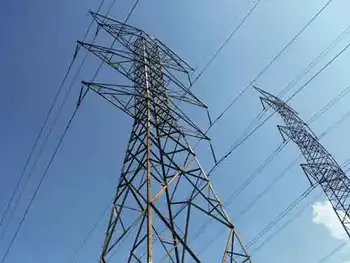
"If a directed cyberattack on, say, a power system that Â… resulted in the blackout of an entire nation or a large region and deaths because of that Â… that would constitute cyberterrorism, if they claimed they did this as a terrorist act," he said. "The motive will define what's terrorism and what's not."

Mr. Mogull said the argument is largely academic — it doesn't matter who's attacking an organization. It should be doing the best it can to protect itself in the first place, whether attacks are coming from criminals or terrorists.

"Let's stop running around being scared about these esoteric threats out there. Let's look at protecting ourselves by closing the vulnerabilities we know exist and protecting ourselves from the attacks that we know exist," he said.

Related News
94,000 lose electricity in LA area after fire at station

Los Angeles Power Station Fire prompts LADWP to shut a Northridge/Reseda substation, causing a San Fernando Valley outage amid a heatwave; high-voltage equipment and mineral oil burned as 94,000 customers lost power, elevator rescues reported.


Key Points

An LADWP substation fire in Northridge/Reseda caused a major outage; 94,000 customers affected as crews restore power.

✅ Fire started around 6:52 p.m.; fully extinguished by 9 p.m.

✅ High-voltage gear and mineral oil burned; no injuries reported.

✅ Outages hit Porter Ranch, Reseda, West Hills, Granada Hills.


About 94,000 customers were without electricity Saturday night after the Los Angeles Department of Water and Power shut down a power station in the northeast San Fernando Valley that caught fire, the agency said.

The fire at the station in the Northridge/Reseda area of Los Angeles started about 6:52 p.m. and involved equipment that carries high-voltage electricity and distributes it at lower voltages to customers in the surrounding area, the department said, even as other utilities sometimes deploy wildfire safety shut-offs to reduce risk during dangerous conditions.

The department shut off power to the station as a precautionary move, and it is restoring power now that the fire has been put out, similar to restoration after intentional shut-offs in other parts of California. Initially, 140,000 customers were without power. That number had been cut to 94,000 by 11 p.m.

The power outage comes as much of California baked in heat that broke records, and rolling blackout warnings were issued as the grid strained. A record that stood 131 years in Los Angeles was snapped when the temperature spiked at 98 degrees downtown.

People reported losing power in Porter Ranch, Winnetka, West Hills, Canoga Park, Woodland Hills, Granada Hills, North Hills, Reseda and Chatsworth, KABC TV reported, highlighting electricity inequality across communities.

Shortly after the blaze broke out, firefighters found a huge container of mineral oil that is used to cool electrical equipment on fire, Los Angeles Fire Department spokesman Brian Humphrey told the Los Angeles Times. The incident underscores infrastructure risks that in some regions have required a complete grid rebuild after severe storms.

Firefighters had the blaze under control by 8:30 p.m. and were able to put it out by 9 p.m., Humphrey said. "These were fierce flames, with smoke towering more than 300 feet into the sky," he told the newspaper.

No one was injured.

Firefighters rescued people who were stranded in elevators, Humphrey said.


Related News

View more

Florida says no to $400M in federal solar energy incentives

Florida Solar for All Opt-Out highlights Gov. DeSantis rejecting EPA grant funds under the Inflation Reduction Act, limiting low-income households' access to solar panels, clean energy programs, and promised electricity savings across disadvantaged communities.


Key Points

Florida Solar for All Opt-Out is the state declining EPA grants, restricting low-income access to solar energy savings.

✅ EPA grant under IRA aimed at low-income solar

✅ Estimated 20% electricity bill savings missed

✅ Florida lacks PPAs and renewable standards


Florida has passed up on up to $400 million in federal money that would have helped low-income households install solar panels.

A $7 billion grant “competition” to promote clean energy in disadvantaged communities by providing low-income households with access to affordable solar energy was introduced by President Joe Biden earlier this year, and despite his climate law's mixed results in practice, none of that money will reach Florida households.

The Environmental Protection Agency announced the competition in June as part of Biden’s Inflation Reduction Act. However, Florida Gov. Ron DeSantis has decided to pass on the $400 million up for grabs by choosing to opt out of the opportunity.

Inflation Reduction Act:What is the Inflation Reduction Act? Everything to know about one of Biden's big laws

The program would have helped Florida households reduce their electricity costs by a minimum of 20% during a key time when Floridians are leaving in droves due to a rising cost of living associated with soaring insurance costs, inflation, and proposed FPL rate hikes statewide.

Florida was one of six other states that chose not to apply for the money.

President Joe Biden announced a $7 billion “competition” to promote clean energy in disadvantaged communities.

The opportunity, named “Solar for All,” was announced by the EPA in June and promised to provide up to $7 billion in grants to states, territories, tribal governments, municipalities, and nonprofits to expand the number of low-income and disadvantaged communities primed for residential solar investment — enabling millions of low-income households to access affordable, resilient and clean solar energy.

The grant is intended to help lower energy costs for families, create jobs and help reduce greenhouse effects that accelerate global climate change by providing financial support and incentives to communities that were previously locked out of investments.


How much money would Floridians save under the ‘Solar for All’ solar panel grant?

The program aims to reduce household electricity costs by at least 20%. Florida households paid an average of $154.51 per month for electricity in 2022, just over 14% of the national average of $135.25, and debates over hurricane rate surcharges continue to shape customer bills, according to the U.S. Energy Information Administration. A 20% savings would drop those bills down to around $123 per month.

On the campaign trail, DeSantis has pledged to unravel Biden’s green energy agenda if elected president, amid escalating solar policy battles nationwide, slamming the Inflation Reduction Act and what he called “a concerted effort to ramp up the fear when it comes to things like global warming and climate change.”

His energy agenda includes ending Biden’s subsidies for electric cars while pushing policies that he says would ramp up domestic oil production.

“The subsidies are going to drive inflation higher,” DeSantis said at an event in September. “It’s not going to help with interest rates, and it is certainly not going to help with our unsustainable debt levels.”

DeSantis heading to third debate:As he enters third debate, Ron DeSantis has a big Nikki Haley problem

DeSantis’ plan to curb clean energy usage in Florida seems to be at odds with the state as a whole, and the region's evolving strategy for the South underscores why it has been ranked among the top three states to go solar since 2019, according to the Solar Energy Industries Association (SEIA).

SEIA also shows, however, that Florida lags behind many other states when it comes to solar policies, as utilities tilt the solar market in ways that influence policy outcomes statewide. Florida, for instance, has no renewable energy standards, which are used to increase the use of renewable energy sources for electricity by requiring or encouraging suppliers to provide customers with a stated minimum share of electricity from eligible renewable resources, according to the EIA.

Power purchase agreements, which can help lower the cost of going solar through third-party financing, are also not allowed in Florida, with court rulings on monopolies reinforcing the existing market structure. And there have been other policies implemented that drove other potential solar investments to other states.


Related News

View more

Duke Energy reaffirms capital investments in renewables and grid projects to deliver cleaner energy, economic growth

Duke Energy Clean Energy Strategy advances renewables, battery storage, grid modernization, and energy efficiency to cut carbon, retire coal, and target net-zero by 2050 across the Carolinas with robust IRPs and capital investments.


Key Points

Plan to expand renewables, storage, and grid upgrades to cut carbon and reach net-zero electricity by 2050.

✅ 56B investment in renewables, storage, and grid modernization

✅ Targets 50% carbon reduction by 2030 and net-zero by 2050

✅ Retires coal units; expands energy efficiency and IRPs


Duke Energy says that the company will continue advancing its ambitious clean energy goals without the Atlantic Coast Pipeline (ACP) by investing in renewables, battery storage, energy efficiency programs and grid projects that support U.S. electrification efforts.

Duke Energy, the nation's largest electric utility, unveils its new logo. (PRNewsFoto/Duke Energy) (PRNewsfoto/Duke Energy)

Duke Energy's $56 billion capital investment plan will deliver significant customer benefits and create jobs at a time when policymakers at all levels are looking for ways to rebuild the economy in 2020 and beyond. These investments will deliver cleaner energy for customers and communities while enhancing the energy grid to provide greater reliability and resiliency.

"Sustainability and the reduction of carbon emissions are closely tied to our region's success," said Lynn Good, Duke Energy Chair, President and CEO. "In our recent Climate Report, we shared a vision of a cleaner electricity future with an increasing focus on renewables and battery storage in addition to a diverse mix of zero-carbon nuclear, natural gas, hydro and energy efficiency programs.

"Achieving this clean energy vision will require all of us working together to develop a plan that is smart, equitable and ensures the reliability and affordability that will spur economic growth in the region. While we're disappointed that we're not able to move forward with ACP, we will continue exploring ways to help our customers and communities, particularly in eastern North Carolina where the need is great," said Good.

Already a clean-energy leader, Duke Energy has reduced its carbon emissions by 39% from 2005 and remains on track to cut its carbon emissions by at least 50% by 2030, as peers like Alliant's carbon-neutral plan demonstrate broader industry momentum toward decarbonization. The company also has an ambitious clean energy goal of reaching net-zero emissions from electricity generation by 2050. 

In September 2020, Duke Energy plans to file its Integrated Resource Plans (IRP) for the Carolinas after an extensive process of working with the state's leaders, policymakers, customers and other stakeholders. The IRPs will include multiple scenarios to support a path to a cleaner energy future in the Carolinas, reflecting key utility trends shaping resource planning.

Since 2010, Duke Energy has retired 51 coal units totaling more than 6,500 megawatts (MW) and plans to retire at least an additional 900 MW by the end of 2024. In 2019, the company proposed to shorten the book lives of another approximately 7,700 MW of coal capacity in North Carolina and Indiana.

Duke Energy will host an analyst call in early August 2020 to discuss second quarter 2020 financial results and other business and financial updates. The company will also host its inaugural Environmental, Social and Governance (ESG) investor day in October 2020.


Duke Energy

Duke Energy is transforming its customers' experience, modernizing the energy grid, generating cleaner energy and expanding natural gas infrastructure to create a smarter energy future for the people and communities it serves. The Electric Utilities and Infrastructure unit's regulated utilities serve 7.8 million retail electric customers in six states: North Carolina, South Carolina, Florida, Indiana, Ohio and Kentucky. The Gas Utilities and Infrastructure unit distributes natural gas to 1.6 million customers in five states: North Carolina, South Carolina, Tennessee, Ohio and Kentucky. The Duke Energy Renewables unit operates wind and solar generation facilities across the U.S., as well as energy storage and microgrid projects.

Duke Energy was named to Fortune's 2020 "World's Most Admired Companies" list and Forbes' "America's Best Employers" list. More information about the company is available at duke-energy.com. The Duke Energy News Center contains news releases, fact sheets, photos, videos and other materials. Duke Energy's illumination features stories about people, innovations, community topics and environmental issues. Follow Duke Energy on Twitter, LinkedIn, Instagram and Facebook.


Forward-Looking Information

This document includes forward-looking statements within the meaning of Section 27A of the Securities Act of 1933 and Section 21E of the Securities Exchange Act of 1934. Forward-looking statements are based on management's beliefs and assumptions and can often be identified by terms and phrases that include "anticipate," "believe," "intend," "estimate," "expect," "continue," "should," "could," "may," "plan," "project," "predict," "will," "potential," "forecast," "target," "guidance," "outlook" or other similar terminology. Various factors may cause actual results to be materially different than the suggested outcomes within forward-looking statements; accordingly, there is no assurance that such results will be realized. These factors include, but are not limited to:

  • The impact of the COVID-19 electricity demand shift on operations and revenues;
  • State, federal and foreign legislative and regulatory initiatives, including costs of compliance with existing and future environmental requirements, including those related to climate change, as well as rulings that affect cost and investment recovery or have an impact on rate structures or market prices;
  • The extent and timing of costs and liabilities to comply with federal and state laws, regulations and legal requirements related to coal ash remediation, including amounts for required closure of certain ash impoundments, are uncertain and difficult to estimate;
  • The ability to recover eligible costs, including amounts associated with coal ash impoundment retirement obligations and costs related to significant weather events, and to earn an adequate return on investment through rate case proceedings and the regulatory process;
  • The costs of decommissioning nuclear facilities could prove to be more extensive than amounts estimated and all costs may not be fully recoverable through the regulatory process;
  • Costs and effects of legal and administrative proceedings, settlements, investigations and claims;
  • Industrial, commercial and residential growth or decline in service territories or customer bases resulting from sustained downturns of the economy and the economic health of our service territories or variations in customer usage patterns, including energy efficiency and demand response efforts and use of alternative energy sources, such as self-generation and distributed generation technologies;
  • Federal and state regulations, laws and other efforts designed to promote and expand the use of energy efficiency measures and distributed generation technologies, such as private solar and battery storage, in Duke Energy service territories could result in customers leaving the electric distribution system, excess generation resources as well as stranded costs;
  • Advancements in technology;
  • Additional competition in electric and natural gas markets and continued industry consolidation;
  • The influence of weather and other natural phenomena on operations, including the economic, operational and other effects of severe storms, hurricanes, droughts, earthquakes and tornadoes, including extreme weather associated with climate change;
  • The ability to successfully operate electric generating facilities and deliver electricity to customers including direct or indirect effects to the company resulting from an incident that affects the U.S. electric grid or generating resources;
  • The ability to obtain the necessary permits and approvals and to complete necessary or desirable pipeline expansion or infrastructure projects in our natural gas business;
  • Operational interruptions to our natural gas distribution and transmission activities;
  • The availability of adequate interstate pipeline transportation capacity and natural gas supply;
  • The impact on facilities and business from a terrorist attack, cybersecurity threats, data security breaches, operational accidents, information technology failures or other catastrophic events, such as fires, explosions, pandemic health events or other similar occurrences;
  • The inherent risks associated with the operation of nuclear facilities, including environmental, health, safety, regulatory and financial risks, including the financial stability of third-party service providers;
  • The timing and extent of changes in commodity prices and interest rates and the ability to recover such costs through the regulatory process, where appropriate, and their impact on liquidity positions and the value of underlying assets;
  • The results of financing efforts, including the ability to obtain financing on favorable terms, which can be affected by various factors, including credit ratings, interest rate fluctuations, compliance with debt covenants and conditions and general market and economic conditions;
  • Credit ratings of the Duke Energy Registrants may be different from what is expected;
  • Declines in the market prices of equity and fixed-income securities and resultant cash funding requirements for defined benefit pension plans, other post-retirement benefit plans and nuclear decommissioning trust funds;
  • Construction and development risks associated with the completion of the Duke Energy Registrants' capital investment projects, including risks related to financing, obtaining and complying with terms of permits, meeting construction budgets and schedules and satisfying operating and environmental performance standards, as well as the ability to recover costs from customers in a timely manner, or at all;
  • Changes in rules for regional transmission organizations, including FERC debates on coal and nuclear subsidies and new and evolving capacity markets, and risks related to obligations created by the default of other participants;
  • The ability to control operation and maintenance costs;
  • The level of creditworthiness of counterparties to transactions;
  • The ability to obtain adequate insurance at acceptable costs;
  • Employee workforce factors, including the potential inability to attract and retain key personnel;
  • The ability of subsidiaries to pay dividends or distributions to Duke Energy Corporation holding company (the Parent);
  • The performance of projects undertaken by our nonregulated businesses and the success of efforts to invest in and develop new opportunities;
  • The effect of accounting pronouncements issued periodically by accounting standard-setting bodies;
  • The impact of U.S. tax legislation to our financial condition, results of operations or cash flows and our credit ratings;
  • The impacts from potential impairments of goodwill or equity method investment carrying values; and
  • The ability to implement our business strategy, including enhancing existing technology systems.
  • Additional risks and uncertainties are identified and discussed in the Duke Energy Registrants' reports filed with the SEC and available at the SEC's website at sec.gov. In light of these risks, uncertainties and assumptions, the events described in the forward-looking statements might not occur or might occur to a different extent or at a different time than described. Forward-looking statements speak only as of the date they are made and the Duke Energy Registrants expressly disclaim an obligation to publicly update or revise any forward-looking statements, whether as a result of new information, future events or otherwise.


Related News

View more

Climate change: Greenhouse gas concentrations again break records

Rising Greenhouse Gas Concentrations drive climate change, with CO2, methane, and nitrous oxide surging; WMO data show higher radiative forcing, elevated pre-industrial baselines, and persistent atmospheric concentrations despite Paris Agreement emissions pledges.


Key Points

Increasing atmospheric CO2, methane, and nitrous oxide levels that raise radiative forcing and drive warming.

✅ WMO data show CO2 at 407.8 ppm in 2018, above decade average

✅ Methane and nitrous oxide surged, elevating total radiative forcing

✅ Concentrations differ from emissions; sinks absorb about half


The World Meteorological Organization (WMO) says the increase in CO2 was just above the average rise recorded over the last decade.

Levels of other warming gases, such as methane and nitrous oxide, have also surged by above average amounts.

Since 1990 there's been an increase of 43% in the warming effect on the climate of long lived greenhouse gases.

The WMO report looks at concentrations of warming gases in the atmosphere rather than just emissions.

The difference between the two is that emissions refer to the amount of gases that go up into the atmosphere from the use of fossil fuels, such as burning coal for coal-fired electricity generation and from deforestation.

Concentrations are what's left in the air after a complex series of interactions between the atmosphere, the oceans, the forests and the land. About a quarter of all carbon emissions are absorbed by the seas, and a similar amount by land and trees, while technologies like carbon capture are being explored to remove CO2.

Using data from monitoring stations in the Arctic and all over the world, researchers say that in 2018 concentrations of CO2 reached 407.8 parts per million (ppm), up from 405.5ppm a year previously.

This increase was above the average for the last 10 years and is 147% of the "pre-industrial" level in 1750.

The WMO also records concentrations of other warming gases, including methane and nitrous oxide, and some countries have reported declines in certain potent gases, as noted in US greenhouse gas controls reports, though global levels remain elevated. About 40% of the methane emitted into the air comes from natural sources, such as wetlands, with 60% from human activities, including cattle farming, rice cultivation and landfill dumps.

Methane is now at 259% of the pre-industrial level and the increase seen over the past year was higher than both the previous annual rate and the average over the past 10 years.

Nitrous oxide is emitted from natural and human sources, including from the oceans and from fertiliser-use in farming. According to the WMO, it is now at 123% of the levels that existed in 1750.

Last year's increase in concentrations of the gas, which can also harm the ozone layer, was bigger than the previous 12 months and higher than the average of the past decade.

What concerns scientists is the overall warming impact of all these increasing concentrations. Known as total radiative forcing, this effect has increased by 43% since 1990, and is not showing any indication of stopping.

There is no sign of a slowdown, let alone a decline, in greenhouse gases concentration in the atmosphere despite all the commitments under the Paris agreement on climate change and the ongoing global energy transition efforts," said WMO Secretary-General Petteri Taalas.

"We need to translate the commitments into action and increase the level of ambition for the sake of the future welfare of mankind," he added.

"It is worth recalling that the last time the Earth experienced a comparable concentration of CO2 was three to five million years ago. Back then, the temperature was 2-3C warmer, sea level was 10-20m higher than now," said Mr Taalas.

The UN Environment Programme will report shortly on the gap between what actions countries are taking to cut carbon, for example where Australia's emissions rose 2% recently, and what needs to be done to keep under the temperature targets agreed in the Paris climate pact.

Preliminary findings from this study, published during the UN Secretary General's special climate summit last September, indicated that emissions continued to rise during 2018, although global emissions flatlined in 2019 according to the IEA.

Both reports will help inform delegates from almost 200 countries who will meet in Madrid next week for COP25, following COP24 in Katowice the previous year, the annual round of international climate talks.


Related News

View more

Hydro One announces pandemic relief fund for Hydro One customers

Hydro One Pandemic Relief Fund offers COVID-19 financial assistance, payment flexibility, and Winter Relief to Ontario electricity customers facing hardship, with disconnection protection and customer support to help manage bills during the health crisis.


Key Points

COVID-19 aid offering bill credits, payment flexibility, and disconnection protection for electricity customers.

✅ Financial assistance and bill credits for hardship cases

✅ Flexible payment plans and extended Winter Relief

✅ No-disconnect policy and dedicated customer support hours


We are pleased to announce a Pandemic Relief Fund to assist customers affected by the novel coronavirus (COVID-19). As part of our commitment to customers, we will offer financial assistance as well as increased payment flexibility to customers experiencing hardship. The fund is designed to support customers impacted by these events and those that may experience further impacts.

In addition to this, we've also extended our Winter Relief program, aligning with our ban on disconnections policy so no customer experiencing any hardship has to worry about potential disconnection.

We recognize that this is a difficult time for everyone and we want our customers to know that we’re here to support them. We hope this fund and the added measures, such as extended off-peak rates that help provide our customers peace of mind so they can concentrate on what matters most — keeping their loved ones safe.

If you are concerned about paying your bill, are experiencing hardship or have been impacted by the pandemic, including electricity relief announced by the province, we want to help you. Call us to discuss the fund and see what options are available for you.


CUSTOMER CONTACT CENTRE HOURS
Call us at 1-888-664-9376

Monday to Friday from 7:30 a.m. to 8:00 p.m.

Saturdays from 9:00 a.m. to 3:00 p.m.


KEEPING ONTARIANS AND OUR ELECTRICITY SYSTEM SAFE
We recognize the critical role we play in powering communities across the province and our support for the Province of Ontario during COVID-19. This is a responsibility to employees, customers, businesses and the people of Ontario that we take very seriously.

Since the novel coronavirus (COVID-19) outbreak began, Hydro One’s Pandemic Team along with our leadership, have been actively monitoring the issues to ensure we can continue to deliver the service Ontarians depend on while keeping our employees, customers and the public safe, even as there has been no cut in peak hydro rates yet for self-isolating customers across Ontario. While the risk in Ontario remains low, we believe we can best protect our people and our operations by taking proactive measures.

As information continues to evolve, our leadership team along with the Pandemic Planning Team and our Emergency Operations Centre are committed to maintaining business continuity while minimizing risk to employees and communities.

Over the days and weeks to come, we will work with the sector and government, which is preparing to extend disconnect moratoriums across the province, to enhance safety protocols and champion the needs of electricity customers in Ontario.


Related News

View more

Metering Pilot projects may be good example for Ontario utilities

Ontario Electricity Pricing Pilot Projects explore alternative rates beyond time-of-use, with LDCs and the Ontario Energy Board testing dynamic pricing, demand management, smart-meter billing, and residential customer choice to enhance service and energy efficiency.


Key Points

Ontario LDC trials testing alternatives to time-of-use rates to improve billing, demand response, and efficiency.

✅ Data shared across LDCs and Ontario Energy Board provincewide

✅ Tests dynamic pricing, peak/off-peak plans, demand management

✅ Insights to enhance customer choice, bills, and energy savings


The results from three electricity pilot projects being offered in southern Ontario will be valuable to utility companies across the province.

Ontario Energy Minister Glenn Thibeault was in Barrie on Tuesday to announce the pilot projects, which will explore alternative pricing plans for electricity customers from three different utility companies, informed by the electricity cost allocation framework guiding rate design.

"Everyone in the industry is watching to see how the pilots deliver.", said Wendy Watson, director of communications for Greater Sudbury Utilities.

"The data will be shared will all the LDCs [local distribution companies] in the province, and probably beyond...because the industry tends to share that kind of information."

Most electricity customers in the province are billed using time-of-use rates, including options like the ultra-low overnight rates that lower costs during off-peak periods, where the cost of electricity varies depending on demand.

The Ontario Energy Board said in a media release that the projects will give residential customers more choice in how much they pay for electricity at different times, reflecting changes for Ontario electricity consumers that expand plan options.

Pilot projects can help improve service

Watson says these kinds of projects give LDCs the chance to experiment and explore new ways of delivering their service, including demand-response initiatives like the Peak Perks program that encourage conservation.

"Any pilot project is a great way to see if in practice if the theory proves out, so I think it's great that the province is supporting these LDCs," she says.

GSU recently completed its own pilot project, the Home Energy Assessment and Retrofit (HEAR) program, which focused on customers who use electric baseboards to heat their homes, amid broader provincial support for electric bills to ease costs."We installed some measures, like programmable thermostats and a few other pieces of equipment into their house," Watson says. "We also made some recommendations about other things that they could do to make their homes more energy efficient."

At the end of the program, GSU provided customers with a report so that they could the see the overall impact on their energy consumption.

Watson says a report on the results of the HEAR program will be released in the near future, for other LDCs interested in new ways to improve their service.

"We think it's incumbent on every LDC...to see what ideas that they can come up with and get approved so they can best serve their customers."


Related News

View more

Sign Up for Electricity Forum’s Newsletter

Stay informed with our FREE Newsletter — get the latest news, breakthrough technologies, and expert insights, delivered straight to your inbox.

Electricity Today T&D Magazine Subscribe for FREE

Stay informed with the latest T&D policies and technologies.
  • Timely insights from industry experts
  • Practical solutions T&D engineers
  • Free access to every issue

Live Online & In-person Group Training

Advantages To Instructor-Led Training – Instructor-Led Course, Customized Training, Multiple Locations, Economical, CEU Credits, Course Discounts.

Request For Quotation

Whether you would prefer Live Online or In-Person instruction, our electrical training courses can be tailored to meet your company's specific requirements and delivered to your employees in one location or at various locations.