EV demand outstrips supplyÂ… again

By The Independent


NFPA 70b Training - Electrical Maintenance

Our customized live online or in‑person group training can be delivered to your staff at your location.

  • Live Online
  • 12 hours Instructor-led
  • Group Training Available
Regular Price:
$699
Coupon Price:
$599
Reserve Your Seat Today
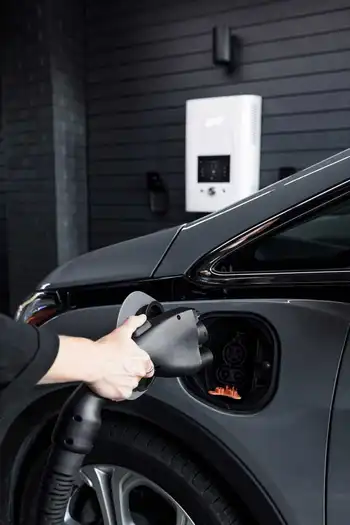
Preorders for Nissan's LEAF electric car have already surpassed the planned capacity for the car's first year, Nissan has said.

Already 19,000 LEAF vehicles have been ordered in the United States and Japan, although the Japanese carmaker plans to produce only 10,000 by March 2011, according to auto industry website Automotive News.

Nissan will now screen customers who have preordered the vehicle to ensure that their proposed use of the vehicle is suited to the LEAF, Nissan EV chief Andy Palmer told Automotive News.

"We'll even be advising some people not to buy," he told the website. "We don't want them to be driving 300 miles 482 km a day. It's all about managing expectations. Electric cars aren't for everyone."

The Nissan LEAF is set for a launch in late 2010 in Japan, the U.S. and in Europe, where it will be available first in the UK, the Netherlands, the Republic of Ireland and Portugal.

Earlier this year, Mitsubishi announced that it was ramping up production of its competing iMiEV electric vehicle, saying that it expected to sell 9,000 units in 2010.

It will now aim to produce 18,000 units in 2011 and 30,000 in 2012.

Pricing announcements suggest that the iMiEV will be more expensive than the Nissan LEAF in all markets when it hits the roads next year.

Related News

Energy Department Announces 20 New Competitors for the American-Made Solar Prize

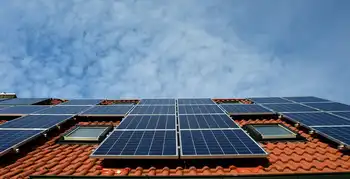
American-Made Solar Prize Round 3 accelerates DOE-backed solar innovation, empowering entrepreneurs and domestic manufacturing with photovoltaics and grid integration support via National Laboratories, incubators, and investors to validate products, secure funding, and deploy backup power.


Key Points

A DOE challenge fast-tracking solar innovation to market readiness, boosting US manufacturing and grid integration.

✅ $50,000 awards to 20 teams for prototype validation

✅ Access to National Labs, incubators, investors, and mentors

✅ Focus on PV advances and grid integration solutions


The U.S. Department of Energy (DOE) announced the 20 competitors who have been invited to advance to the next phase of the American-Made Solar Prize Round 3, a competition designed to incentivize the nation’s entrepreneurs to strengthen American leadership in solar energy innovation and domestic manufacturing, a key front in the clean energy race today.

The American-Made Solar Prize is designed to help more American entrepreneurs thrive in the competitive global energy market. Each round of the prize brings new technologies to pre-commercial readiness in less than a year, ensuring new ideas enter the marketplace. As part of the competition, teams will have access to a network of DOE National Laboratories, technology incubators and accelerators, and related DOE efforts like next-generation building upgrades, venture capital firms, angel investors, and industry. This American-Made Network will help these competitors raise private funding, validate early-stage products, or test technologies in the field.

Each team will receive a $50,000 cash prize and become eligible to compete in the next phase of the competition. Through a rigorous evaluation process, teams were chosen based on the novelty of their ideas and how their solutions address a critical need of the solar industry. The teams were selected from 120 submissions and represent 11 states. These projects will tackle challenges related to new solar applications, like farming, as well as show how solar can be used to provide backup power when the grid goes down, aided by increasingly affordable batteries now reaching scale. Nine teams will advance solar photovoltaic technologies, and 11 will address challenges related to how solar integrates with the grid. The projects are as follows:

Photovoltaics:

  • Durable Antireflective and Self-Cleaning Glass (Pittsburgh, PA)
  • Pursuit Solar - More Power, Less Hassle (Denver, NC)
  • PV WaRD (San Diego, CA)
  • Remotely Deployed Solar Arrays (Charlottesville, VA)
  • Robotics Changing the Landscape for Solar Farms (San Antonio, TX)
  • TrackerSled (Chicago, IL)
  • Transparent Polymer Barrier Films for PV (Bristol, PA)
  • Solar for Snow (Duluth, MN)
  • SolarWall Power Tower (Buffalo, NY)


Systems Integration:

  • Affordable Local Solar Storage via Utility Virtual Power Plants (Parker, TX)
  • Allbrand Solar Monitor (Detroit, MI)
  • Beyond Monitoring – Next Gen Software and Hardware (Atlanta, GA)
  • Democratizing Solar with Artificial Intelligence Energy Management (Houston, TX)
  • Embedded, Multi-Function Maximum Power Point Tracker for Smart Modules (Las Vegas, NV)
  • Evergrid: Keep Solar Flowing When the Grid Is Down (Livermore, CA)
  • Inverter Health Scan (San Jose, CA)
  • JuiceBox: Integrated Solar Electricity for Americans Transitioning out of Homelessness and Recovering from Natural Disasters (Claremont, CA)
  • Low-Cost Parallel-Connected DC Power Optimizer (Blacksburg, VA)
  • Powerfly: A Plug-and-Play Solar Monitoring Device (Berkeley, CA)
  • Simple-Assembly Storage Kit (San Antonio, TX)

Read the descriptions of the projects to see how they contribute to efforts to improve solar and wind power worldwide.

Over the next six months, these teams will fast-track their efforts to identify, develop, and test disruptive solutions amid record solar and storage growth projected nationwide. During a national demonstration day at Solar Power International in September 2020, a panel of judges will select two final winners who will receive a $500,000 prize. Learn more at the American-Made Solar Prize webpage.

The American-Made Challenges incentivize the nation's entrepreneurs to strengthen American leadership in energy innovation and domestic manufacturing. These new challenges seek to lower the barriers U.S.-based innovators face in reaching manufacturing scale by accelerating the cycles of learning from years to weeks while helping to create partnerships that connect entrepreneurs to the private sector and the network of DOE’s National Laboratories across the nation, alongside recent wind energy awards that complement solar innovation.

Go here to learn how this work aligns with a tenfold solar expansion being discussed nationally.

https://www.energy.gov/eere/solar/solar-energy-technologies-office


Related News

View more

Washington AG Leads Legal Challenge Against Trump’s Energy Emergency

Washington-Led Lawsuit Against Energy Emergency challenges President Trump's executive order, citing state rights, environmental reviews, permitting, and federal overreach; coalition argues record energy output undermines emergency claims in Seattle federal court.


Key Points

Multistate suit to void Trump's energy emergency, alleging federal overreach and weakened environmental safeguards.

? Challenges executive order's legal basis and scope

? Claims expedited permitting skirts environmental reviews

? Seeks to halt emergency permits for non-emergencies


In a significant legal move, Washington State Attorney General Nick Brown has spearheaded a coalition of 15 states in filing a lawsuit against President Donald Trump's executive order declaring a national energy emergency. The lawsuit, filed in federal court in Seattle on May 9, 2025, challenges the legality of the emergency declaration, which aims to expedite permitting processes for fossil fuel projects in pursuit of an energy dominance vision by bypassing key environmental reviews.

Background of the Energy Emergency Declaration

President Trump's executive order, issued on January 20, 2025, asserts that the United States faces an inadequate and unreliable energy grid, particularly affecting the Northeast and West Coast regions. The order directs federal agencies, including the Army Corps of Engineers and the Department of the Interior, to utilize "any lawful emergency authorities" to facilitate the development of domestic energy resources, with a focus on oil, gas, and coal projects. This includes expediting reviews under the Clean Water Act, Endangered Species Act, the National Environmental Policy Act, and the National Historic Preservation Act, potentially reducing public input and environmental oversight.

Legal Grounds for the Lawsuit

The coalition of states, led by Washington and California, argues that the emergency declaration is an overreach of presidential authority, echoing disputes over the Affordable Clean Energy rule in federal courts. They contend that U.S. energy production is already at record levels, and the declaration undermines state rights and environmental protections. The lawsuit seeks to have the executive order declared unlawful and to halt the issuance of emergency permits for non-emergency projects. 

Implications for Environmental Protections

Critics of the energy emergency declaration express concern that it could lead to significant environmental degradation. By expediting permitting processes, including geothermal permitting, and reducing public participation, the order may allow projects to proceed without adequate consideration of their impact on water quality, wildlife habitats, and cultural resources. Environmental advocates argue that such actions could set a dangerous precedent, enabling future administrations to bypass essential environmental safeguards under the guise of national emergencies, even as the EPA advances new pollution limits for coal and gas plants to address the climate crisis.

Political and Legal Reactions

The Trump administration defends the executive order, asserting that the president has the authority to declare national emergencies and that the energy emergency is necessary to address perceived deficiencies in the nation's energy infrastructure and potential electricity pricing changes debated by industry groups. However, legal experts suggest that the broad application of emergency powers in this context may face challenges in court. The outcome of the lawsuit could have significant implications for the balance of power between state and federal authorities, as well as the future of environmental regulations in the United States.

The legal challenge led by Washington State Attorney General Nick Brown represents a critical juncture in the ongoing debate over energy policy and environmental protection. As the lawsuit progresses through the courts, it will likely serve as a bellwether for future conflicts between state and federal governments regarding the scope of executive authority and the preservation of environmental standards, amid ongoing efforts to expand uranium and nuclear energy programs nationwide. The outcome may set a precedent for how national emergencies are declared and managed, particularly concerning their impact on state governance and environmental laws.


Related News

View more

Affordable, safe' nuclear power is key to reaching Canada's climate goals: federal minister

Canada Nuclear Power Expansion highlights SMRs, clean energy, net-zero targets, and robust regulation to deliver safe, reliable baseload electricity, spur investment, and economically decarbonize remote communities, mines, and grids across provinces securely.


Key Points

Canada Nuclear Power Expansion grows SMRs and reactors to meet climate targets with safe, reliable baseload power.

✅ Deploys SMRs for remote communities, mines, and industrial sites

✅ Streamlines regulation to ensure safety, trust, and timely approvals

✅ Provides clean, reliable baseload to hit net-zero electricity goals


Canada must expand its nuclear power capacity if it is to reach its climate targets, according to Canadian Minister of Natural Resources Seamus Oregan.

Speaking to the Canadian Nuclear Association’s annual conference, Seamus O’Regan said the industry has to grow.

“As the world tackles a changing climate, nuclear power is poised to provide the next wave of clean, affordable, safe and reliable power,” he told a packed room.

The Ottawa conference was the largest the industry has run with dozens of companies and more than 900 people in attendance. Provincial cabinet ministers from Saskatchewan and Ontario were also there. Those two provinces, along with New Brunswick, signed a memorandum in December as part of a premiers' nuclear initiative to work together on small modular reactor technology.

People need to know that it’s safe

Small modular reactors are units that produce less power than large generating stations, but can be constructed easier and are expected to be safer to operate. Canadian firms have about a dozen of the proposed reactors working their way through the regulatory process, with New Brunswick's SMR plans drawing scrutiny.

The smaller reactors could be used in groups to replace large units, but the industry also hopes to use them in rural or isolated communities, mines or even oilsands projects, potentially replacing the diesel power generators some remote communities use.

The Canadian government issued a road map to support the industry in 2018 and O’Regan committed Thursday to putting some teeth on that proposal later this year, as provinces like Ontario explore new large-scale nuclear plants to meet demand, with specific steps the government will take.

“We have been working so hard to support this industry. We are placing nuclear energy front and centre, something that has never been done before.”

O’Regan said the government’s role is a clear, streamlined regulatory system that will promote the industry, but also help the Canadian public to trust the reactors will be safe.

“People need to know that it’s safe. They need to know that it’s regulated. They need to know that it’s safe for them,” he said.

The Liberals promised during the campaign that they would gradually reduce Canada’s carbon emissions even after hitting the targets in the Paris Agreement by 2030. By 2050, Prime Minister Justin Trudeau said he expects Canada to be carbon neutral, mindful of lessons from Europe's power crisis on reliability.

The government hasn’t outlined how it will achieve that goal. O’Regan said more detail is coming, but it’s clear that nuclear is going to have to play a major part, echoing the UK’s green industrial revolution approach to reactor deployment.

“I have not seen a credible plan for net zero without nuclear as part of the mix. I don’t think we are going to be relying on any one technology. I think it’s going to be a whole host of things.”

O’Regan said large investors are looking for countries that are on the path to net zero.

“Everybody has their shirt sleeves rolled up and we know we need to work on this, not only do we have to work on this for the urgency of the planet, but we have to work on it for Canadian jobs.”

He added, “We must focus on those areas where Canada can and should lead, like nuclear.”

Canadians are ready to take a fresh look at nuclear

John Gorman, president of the Canadian Nuclear Association, said he was thrilled with O’Regan’s comments.

“I took the minister’s remarks this morning as being perhaps the strongest language of support for the nuclear industry in a number of years.”

Gorman said the industry is in strong shape and is working with utility companies such as Ontario Power Generation and regulators to move projects forward.

“It’s this amazing collaboration and coordination that is enabling us to beat others to the roll out of these small modular reactors,” he said.

He said provinces that might not have looked at nuclear before now have an incentive to do it, because of climate change. A former solar industry executive, Gorman said solar and wind power are important, as Ontario plans to seek new wind and solar power to ease supply pressures, but they won’t be able to keep up with rising power demands.

“Globally we are seeing increased recognition that climate change is real and that it’s a crisis, we are also seeing recognition that we are not making as much progress on decarbonizing our electricity system as we thought,” he said. “Canadians are ready to take a fresh look at nuclear and see the real facts.”


Related News

View more

Brenmiller Energy and New York Power Authority Showcase Thermal Storage Success

bGen Thermal Energy Storage stores high-temperature heat in crushed rocks, enabling on-demand steam, hot water, or hot air; integrates renewables, shifts load with off-peak electricity, and decarbonizes campus heating at SUNY Purchase with NYPA.


Key Points

A rock-based TES system storing heat to deliver steam, hot water, or hot air using renewables or off-peak power.

✅ Uses crushed rocks to store high-temperature heat

✅ Cuts about 550 metric tons CO2 annually at SUNY Purchase

✅ Integrates renewables and off-peak electricity with NYPA


Brenmiller Energy Ltd. (NASDAQ: BNRG), in collaboration with the New York Power Authority (NYPA), a utility pursuing grid software modernization to improve reliability, has successfully deployed its first bGen™ thermal energy storage (TES) system in the United States at the State University of New York (SUNY) Purchase College. This milestone project, valued at $2.5 million, underscores the growing role of TES in advancing sustainable energy solutions.

Innovative TES Technology

The bGen™ system utilizes crushed rocks to store high-temperature heat, which can be harnessed to generate steam, hot air, or hot water on demand. This approach allows for the efficient use of excess renewable energy or off-peak electricity, and parallels microreactor storage advances that broaden thermal options, providing a reliable and cost-effective means of meeting heating needs. At SUNY Purchase College, the bGen™ system is designed to supply nearly 100% of the heating requirements for the Physical Education Building.

Environmental Impact

The implementation of the bGen™ system is expected to eliminate approximately 550 metric tons of greenhouse gas emissions annually. This reduction aligns with New York State's ambitious climate goals, including a 40% reduction in greenhouse gas emissions by 2030, even as transmission constraints can limit cross-border imports. The project also demonstrates the potential of TES to support the state's transition to a cleaner and more resilient energy system.

Collaborative Effort

The successful deployment of the bGen™ system at SUNY Purchase College is the result of a collaborative effort between Brenmiller Energy and NYPA. The project was partially funded by a grant from the Israel-U.S. Binational Industrial Research and Development (BIRD) Foundation. This partnership highlights the importance of international cooperation in advancing innovative energy technologies, as seen in OPG-TVA nuclear collaboration efforts across North America.

Future Prospects

The successful installation and operation of the bGen™ system at SUNY Purchase College serve as a model for broader adoption of TES technology in institutional settings, as OPG's SMR commitment signals parallel low-carbon investment across the region. Brenmiller Energy and NYPA plan to share the project's findings through a webinar hosted by the Renewable Thermal Collaborative on May 19, 2025. This initiative aims to promote the scalability and replicability of TES solutions across New York State and beyond.

As the demand for sustainable energy solutions continues to grow, the successful deployment of the bGen™ system at SUNY Purchase College marks a significant step forward in the integration of TES technology into the U.S. energy landscape, while projects like Pickering B refurbishment underscore parallel clean power investments. The project not only demonstrates the feasibility of TES but also sets a precedent for future initiatives aimed at reducing carbon emissions and enhancing energy efficiency.

Brenmiller Energy's commitment to innovation and sustainability positions the company as a key player in the evolving energy sector. With continued support from partners like NYPA and the BIRD Foundation, and as jurisdictions advance first SMR deployments in North America, Brenmiller Energy is poised to expand the reach of its TES solutions, contributing to a more sustainable and resilient energy future.


Related News

View more

California Considers Revamping Electricity Rates in Bid to Clean the Grid

California Electricity Rate Overhaul proposes a fixed fee and lower per-kWh rates to boost electrification, renewables, and grid reliability, while CPUC weighs impacts on conservation, low-income customers, and time-of-use pricing across the state.


Key Points

A proposal to add fixed fees and cut per-kWh prices to drive electrification, support renewables, and balance grid costs.

✅ Fixed monthly fee plus lower volumetric per-kWh charges

✅ Aims to accelerate EVs, heat pumps, and building electrification

✅ CPUC review weighs equity, conservation, and grid reliability


California is contemplating a significant overhaul to its electricity rate structure that could bring major changes to electric bills statewide, a move that has ignited debate among environmentalists and politicians alike. The proposed modifications, spearheaded by the California Energy Commission (CEC), would introduce a fixed fee on electric bills and lower the rate per kilowatt-hour (kWh) used.


Motivations for the Change

Proponents of the plan argue that it would incentivize Californians to transition to electric appliances and vehicles, a critical aspect of the state's ambitious climate goals. They reason that a lower per-unit cost would make electricity a more attractive option for applications like home heating and transportation, which are currently dominated by natural gas and gasoline. Additionally, they believe the plan would spur investment in renewable energy sources and distributed generation, ultimately leading to a cleaner electricity grid.

California has some of the most ambitious climate goals in the country, aiming to achieve carbon neutrality by 2045. The transportation sector is the state's largest source of greenhouse gas emissions, and electrification is considered a key strategy for reducing emissions. A 2021 report by the Natural Resources Defense Council (NRDC) found that electrifying all California vehicles and buildings could reduce greenhouse gas emissions by 80% compared to 2020 levels.


Concerns and Potential Impacts

Opponents of the proposal, including some consumer rights groups, express apprehensions that it would discourage conservation efforts. They argue that with a lower per-kWh cost, Californians would have less motivation to reduce their electricity consumption. Additionally, they raise concerns that the income-based fixed charges could disproportionately burden low-income households, who may struggle to afford the base charge regardless of their overall electricity consumption.

A recent study by the CEC suggests that the impact on most Californians would be negligible, even as regulators face calls for action over soaring bills from ratepayers across the state. The report predicts that the average household's electricity bill would change by less than $5 per month under the proposed system. However, some critics argue that this study may not fully account for the potential behavioral changes that could result from the new rate structure.


Similar Initiatives and National Implications

California is not the only state exploring changes to its electricity rates to promote clean energy. Hawaii and New York have also implemented similar programs to encourage consumers to use electricity during off-peak hours. These time-varying rates, also known as time-of-use rates, can help reduce strain on the electricity grid during peak demand periods.

The California proposal has garnered national attention as other states grapple with similar challenges in balancing clean energy goals with affordability concerns amid soaring electricity prices in California and beyond. The outcome of this debate could have significant implications for the broader effort to decarbonize the U.S. power sector.


The Road Ahead

The California Public Utilities Commission (CPUC) is reviewing the proposal and anticipates making a decision later this year, with a potential income-based flat-fee structure under consideration. The CPUC will likely consider the plan's potential benefits and drawbacks, including its impact on greenhouse gas emissions, electricity costs for consumers, and the overall reliability of the grid, even as some lawmakers seek to overturn income-based charges in the legislature.

The decision on California's electricity rates is merely one piece of the puzzle in the fight against climate change. However, it is a significant one, with the potential to shape the state's energy landscape for years to come, including the future of residential rooftop solar markets and investments.


Related News

View more

Working From Home Will Drive Up Electricity Bills for Consumers

Remote Work Energy Costs are rising as home offices and telecommuting boost electricity bills; utilities, broadband usage, and COVID-19-driven stay-at-home policies affect productivity, consumption patterns, and household budgets across the U.K. and Europe.


Key Points

Remote Work Energy Costs are increased household electricity and utility expenses from telecommuting and home office use.

✅ WFH shifts energy load from offices to households.

✅ Higher device, lighting, and heating/cooling usage drives bills.

✅ Broadband access gaps limit remote work equity.


Household electricity bills are set to soar, with rising residential electricity use tied to the millions of people now working at home to avoid catching the coronavirus.

Running laptops and other home appliances will cost consumers an extra 52 million pounds ($60 million) each week in the U.K., according to a study from Uswitch, a website that helps consumers compare the energy prices that utilities charge.

For each home-bound household, the pain to the pocketbook may be about 195 pounds per year extra, even as some utilities pursue pandemic cost-cutting to manage financial pressures.

The rise in price for households comes even as overall demand is falling rapidly in Europe, with wide swaths of the economy shut down to keep workers from gathering in one place, and the U.S. grid overseer issuing warnings about potential pandemic impacts on operations.

People stuck at home will plug in computers, lights and appliances when they’d normally be at the office, increasing their consumption.

With the Canadian government declaring a state of emergency due to the coronavirus, companies are enabling work-from-home structures to keep business running and help employees follow social distancing guidelines, and some utilities have even considered housing critical staff on site to maintain operations. However, working remotely has been on the rise for a while.

“The coronavirus is going to be a tipping point. We plodded along at about 10% growth a year for the last 10 years, but I foresee that this is going to really accelerate the trend,” Kate Lister, president of Global Workplace Analytics.

Gallup’s State of the Workplace 2017 study found that 43% of employees work remotely with some frequency. Research indicates that in a five-day workweek, working remotely for two to three days is the most productive. That gives the employee two to three days of meetings, collaboration and interaction, with the opportunity to just focus on the work for the other half of the week.

Remote work seems like a logical precaution for many companies that employ people in the digital economy, even as some federal agencies sparked debate with an EPA telework policy during the pandemic. However, not all Americans have access to the internet at home, and many work in industries that require in-person work.

According to the Pew Research Center, roughly three-quarters of American adults have broadband internet service at home. However, the study found that racial minorities, older adults, rural residents and people with lower levels of education and income are less likely to have broadband service at home. In addition, 1 in 5 American adults access the internet only through their smartphone and do not have traditional broadband access. 

Full-time employees are four times more likely to have remote work options than part-time employees. A typical remote worker is college-educated, at least 45 years old and earns an annual salary of $58,000 while working for a company with more than 100 employees, according to Global Workplace Analytics, and in Canada there is growing interest in electricity-sector careers among younger workers. 

New York, California and other states have enacted strict policies for people to remain at home during the coronavirus pandemic, which could change the future of work, and Canadian provinces such as Saskatchewan have documented how the crisis has reshaped local economies across sectors.

“I don’t think we’ll go back to the same way we used to operate,” Jennifer Christie, chief HR officer at Twitter, told CNBC. “I really don’t.”


Related News

View more

Sign Up for Electricity Forum’s Newsletter

Stay informed with our FREE Newsletter — get the latest news, breakthrough technologies, and expert insights, delivered straight to your inbox.

Electricity Today T&D Magazine Subscribe for FREE

Stay informed with the latest T&D policies and technologies.
  • Timely insights from industry experts
  • Practical solutions T&D engineers
  • Free access to every issue

Download the 2025 Electrical Training Catalog

Explore 50+ live, expert-led electrical training courses –

  • Interactive
  • Flexible
  • CEU-cerified