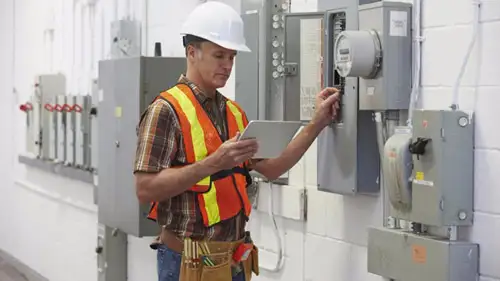
CSA Z463 (2024) - Maintenance of Electrical Systems
Our customized live online or in‑person group training can be delivered to your staff at your location.
- Live Online
- 6 hours Instructor-led
- Group Training Available
Regular Price:
$399
Coupon Price:
$349
The Connecticut Clean Energy Fund said it won't know until September how much competition two multimillion-dollar Bridgeport energy projects will face to land portions of a state contract.
The CCEF originally expected to know by the end of July how many groups were bidding to fill power contracts under the state's Project 100 program. In 2003, the Legislature created Project 100, which requires the state derive 100 megawatts of electricity from alternative or renewable sources by 2008. One round of bids closed in 2005 and two projects were selected to sell 19 megawatts of electricity.
In late July, shortly before the second round of bidding was to close, Gov. M. Jodi Rell ordered an investigation into the CCEF's handling of Project 100, delaying the closing of the second round.
A spokesman for Rell could not say if there were specific complaints against the CCEF that triggered the investigation.
New York-based Elemental Power Group LLC and Bridgeport Fuelcell Park LLC want to build gas-fired fuel cell plants worth more than $120 million in Bridgeport as part of Project 100's second round.
Beryl Lyons, a DPUC spokeswoman, said the Office of Policy Management, which is conducting the CCEF investigation, said the inquiry will be finished by the end of August. The DPUC expects to issue a ruling on Project 100 prices by Sept. 6, she said.
The DPUC's ruling might be as important to the future of Project 100 as the investigation.
In 2003, the CCEF was given oversight of Project 100, which also stipulates the owners of alternative energy plants be given 10-year contracts to provide electricity at a premium of 5.5 cents above the market rate. Selling renewable, or green, power at higher-than-market prices is intended to spur companies to build generating facilities that use alternative fuels.
But the prices CCEF's first two Project 100 selections, a 4-megawatt fuel cell power plant in Wallingford and a 15-megawatt biomass power plant in Watertown, were going to charge appeared to violate the 5.5-cent cap.
Related News
How ‘Virtual Power Plants’ Will Change The Future Of Electricity
Virtual Power Plants orchestrate distributed energy resources like rooftop solar, home batteries, and EVs to…
View more

Nevada on track to reach RPS mandate of 50% renewable electricity by 2030: report
Nevada Renewable Portfolio Standard 2030 targets 50% clean energy, advancing solar, geothermal, and wind, cutting…
View more
Baltic States Disconnect from Russian Power Grid, Join EU System
Baltic States EU Grid Synchronization strengthens energy independence and electricity security, ending IPS/UPS reliance. Backed…
View more

India to Ration Coal Supplies as Electricity Demand Surges
India Coal Supply Rationing redirects shipments from high-inventory power plants to stations facing shortages as…
View more

The gloves are off - Alberta suspends electricity purchase talks with B.C.
Alberta-BC Pipeline Dispute centers on Trans Mountain expansion, diluted bitumen shipments, federal approval, spill response…
View more
California Regulators Face Calls for Action as Electricity Bills Soar
California Electricity Rate Hikes strain households as CPUC weighs fixed charges, utility profit caps, and…
View more
Sign Up for Electricity Forum’s Newsletter
Stay informed with our FREE Newsletter — get the latest news, breakthrough technologies, and expert insights, delivered straight to your inbox.
Electricity Today T&D Magazine Subscribe for FREE

Stay informed with the latest T&D policies and technologies.
- Timely insights from industry experts
- Practical solutions T&D engineers
- Free access to every issue

