By Vancouver Sun


CSA Z463 Electrical Maintenance -

Our customized live online or in‑person group training can be delivered to your staff at your location.
  • Live Online
  • 6 hours Instructor-led
  • Group Training Available
Regular Price:
$249
Coupon Price:
$199
Reserve Your Seat Today
-- The Greater Vancouver regional district's proposal to convert garbage into electricity was announced Thursday by B.C. Hydro as one of 22 candidates to feed British Columbia's ever-expanding appetite for energy.

Rather than building new facilities to meet B.C.'s future energy demands, Hydro's Power Smart section is looking for projects that would harvest energy that in many cases is literally going up in smoke.

The GVRD's Burnaby incinerator is a clean-burning facility that annually converts 250,000 tonnes of GVRD garbage into 800,000 tonnes of steam -- and the regional district proposes to use that steam to annually generate 118 gigawatts a year for Hydro.

The GVRD currently sells about 40 per cent of the incinerator's steam it to a nearby paper mill -- but at present the remainder simply puffs out of the Big Bend facility's landmark red and white smokestack.

"It's an incinerator. There's a perfect example of harnessing something to generate electricity and having a positive net impact on the environment," Power Smart vice-president Bev Van Ruyven said.

GVRD engineering and construction manager Tim Jervis added that a deal with Hydro would dovetail with the GVRD's sustainable region initiative, a wide-ranging new policy that makes energy conservation a priority.

The Hydro shortlist also includes proposals by several forest industry companies currently burning wood waste simply as a means of disposal.

Some pulp mills are proposing to retool their operations and create low pollution generators using the wood as fuel to generate electricity for the provincial grid.

Hydro projects B.C. energy demands to grow by an average 800 gigawatt hours a year over the next decade.

That's enough electricity to annually supply 80,000 homes, and the corporation's 10-year plan envisions a mix of strategies including customer generation, so-called green energy and private generation to meet that growth.

It's offering to buy customer-generated electricity for as much as 40 per cent above the rates it charges industrial customers.

Van Ruyven noted that when Hydro made its call for customer generation proposals last May, it was hopeful of attracting bids that would provide about 600 to 800 gigawatts by 2005.

She said she was pleasantly surprised by the volume of responses -- noting that bids on the shortlist promise to deliver 3,100 gigawatts by 2005.

"It's a great situation to be in, to be able to procure more if we want as opposed to making this call and not getting anywhere close to 800 gigawatt hours," Van Ruyven said.

Hydro will stick to the annual 800 gigawatt target, with successful proposals to be announced next January, but Van Ruyven said the volume of responses bodes well for the 10-year plan.

"This is part of our resource acquisition strategy for the long term. To know that there's lots more potential out there is really encouraging."

Other projects on the shortlist include Norske Canada pulp mills at Crofton and Port Alberni on Vancouver Island, each promising to deliver 348.5 gigawatts -- without consuming any additional energy.

The situation on Vancouver Island is more acute than in many parts of B.C. because of limited access to both natural gas and electricity.

Norske Canada energy director Dennis Fitzgerald said the company has not done final costing on its proposals.

"We have a fairly good sense of what it takes to build the equipment but there are still a number of questions that need to be answered before we can say with any degree of surety what it will cost, or how long it will take to recover our investment."

"A lot of it will depend on what will be the purchase price of the electricity that's produced by these projects."

Related News
Geothermal Power Plant In Hawaii Nearing Dangerous Meltdown?

Geothermal Power Plant Risks include hydrogen sulfide leaks, toxic gases, lava flow hazards, well blowouts, and earthquake-induced releases at sites like PGV and the Geysers, threatening public health, grid reliability, and environmental safety.


Key Points

Geothermal Power Plant Risks include toxic gases, lava impacts, well failures, and induced quakes that threaten health.

✅ Hydrogen sulfide exposure can cause rapid pulmonary edema.

✅ Lava can breach wells, venting toxic gases into communities.

✅ Induced seismicity may disrupt grids near PGV and the Geysers.


If lava reaches Hawaii’s PGV geothermal power plant, it could release of deadly hydrogen sulfide gas. That’s the latest potential danger from the Kilauea volcanic eruption in Hawaii. Residents now fear that lava flow will trigger a meltdown at the Puna Geothermal Venture (PGV) power plant that would release even more toxic gases into the air.

Nobody knows what will happen if lava engulfs the PGV because magma has never engulfed a geothermal power plant, Reuters reported. A geothermal power plant uses steam and gas heated by lava deep in the earth to run turbines that make electricity.

The PGV power plant produces 25% of the power used on Hawaii’s “Big Island.” The plant is considered a source of clean energy because geothermal plants burn no fossil fuels and produce little pollution under normal circumstances, even as nuclear retirements like Three Mile Island reshape low-carbon options.


The Potential Danger from Geothermal Energy

The fear is that the lava would release chemicals used to make electricity at the plant. The PGV has been shut down and authorities moved an estimated 60,000 gallons of flammable liquids away from the facility. They also shut down wells that extract steam and gas used to run the turbines.

Another potential danger is that lava would open the wells and release clouds of toxic gases from them. The wells are typically sealed to prevent the gas from entering the atmosphere.

The most significant threat is hydrogen sulfide, a highly toxic and flammable gas that is colorless. Hydrogen sulfide normally has a rotten egg smell which people might not detect when the air is full of smoke. That means people can breathe hydrogen sulfide in without realizing they have been exposed.

The greatest danger from hydrogen sulfide is pulmonary edema; the accumulation of fluid in the lungs, which causes a person to stop breathing. People have died of pulmonary edema after just a few minutes of exposure to hydrogen sulfide gas. Many victims become unconscious before the gas kills them. Long-term dangers that survivors of pulmonary edema face include brain damage.

Hydrogen sulfide can also cause burns to the skin that are similar to frostbite. Persons exposed to hydrogen sulfide can also suffer from nausea, headaches, severe eye burns, and delirium. Children are more vulnerable to hydrogen sulfide because it is a heavy gas that stays close to the ground.


Geothermal Danger Extends Far Beyond Hawaii

The danger from geothermal energy extends far beyond Hawaii. The world’s largest collection of geothermal power plants is located at the Geysers in California’s Wine Country, and regulatory timelines such as the postponed closure of three Southern California plants can affect planning.

The Geysers field contains 350 steam production wells and 22 power plants in Sonoma, Lake, and Mendocino counties. Disturbingly, the Geysers are located just north of the heavily-populated San Francisco Bay Area and just west of Sacramento, where preemptive electricity shutdowns have been used during extreme fire weather. Problems at the Geysers might lead to significant blackouts because the field supplies around 20% of the green energy used in California.

Another danger from geothermal power is earthquakes because many geothermal power plants inject wastewater into hot rock deep below to produce steam to run turbines, a factor under review as SaskPower explores geothermal in new settings. A geothermal project in Switzerland created Earthquakes by injecting water into the Earth, Zero Hedge reported. A theoretical threat is that quakes caused by injection would cause the release of deadly gases at a geothermal power plant.

The dangers from geothermal power might be much greater than its advocates admit, potentially increasing reliance on natural-gas-based electricity during supply shortfalls.


Related News

View more

Opinion: Cleaning Up Ontario's Hydro Mess - Ford government needs to scrap the Fair Hydro Plan and review all options

Ontario Hydro Crisis highlights soaring electricity rates, costly subsidies, nuclear refurbishments, and stalled renewables in Ontario. Policy missteps, weak planning, and rising natural gas emissions burden ratepayers while energy efficiency and storage remain underused.


Key Points

High power costs and subsidies from policy errors, nuclear refurbishments, stalled efficiency and renewables in Ontario.

✅ $5.6B yearly subsidy masks electricity rates and deficits

✅ Nuclear refurbishments embed rising costs for decades

✅ Efficiency, storage, and DERs stalled amid weak planning


By Mark Winfield

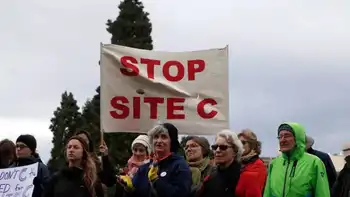
While the troubled Site C and Muskrat Falls hydroelectric dam projects in B.C. and Newfoundland and Labrador have drawn a great deal of national attention over the past few months, Ontario has quietly been having a hydro crisis of its own.

One of the central promises in the 2018 platform of the Ontario Progressive Conservative party was to “clean up the hydro mess,” and then-PC leader Doug Ford vowed to fire Hydro One's leadership as part of that effort. There certainly is a mess, with the costs of subsidies taken from general provincial revenues to artificially lower hydro rates nearing $7 billion annually. That is a level approaching the province’s total pre-COVID-19 annual deficit. After only two years, that will also exceed total expected cost overruns of the Site C and Muskrat Falls projects, currently estimated at $12 billion ($6 billion each).

There is no doubt that Doug Ford’s government inherited a significant mess around the province’s electricity system from the previous Liberal governments of former premiers Dalton McGuinty and Kathleen Wynne. But the Ford government has also demonstrated a remarkable capacity for undoing the things its predecessors had managed to get right while doubling down on their mistakes.

The Liberals did have some significant achievements. Most notably: coal-fired electricity generation, which constituted 25 per cent of the province’s electricity supply in the early 2000s, was phased out in 2014. The phaseout dramatically improved air quality in the province. There was also a significant growth in renewable energy production. From  virtually zero in 2003, the province installed 4,500 MW of wind-powered generation, and 450 MW of solar photovoltaic by 2018, a total capacity more than double that of the Sir Adam Beck Generating Stations at Niagara Falls.

At the same time, public concerns over rising hydro rates flowing from a major reconstruction of the province’s electricity system from 2003 onwards became a central political issue in the province. But rather than reconsider the role of the key drivers of the continuing rate increases – namely the massively expensive and risky refurbishments of the Darlington and Bruce nuclear facilities, the Liberals adopted a financially ruinous Fair Hydro Plan. The central feature of the 2017 plan was a short-term 25 per cent reduction in hydro rates, financed by removing the provincial portion of the HST from hydro bills, and by extending the amortization period for capital projects within the system. The total cost of the plan in terms of lost revenues and financing costs has been estimated in excess of $40 billion over 29 years, with the burden largely falling on future ratepayers and taxpayers.


Decision-making around the electricity system became deeply politicized, and a secret cabinet forecast of soaring prices intensified public debate across Ontario. Legislation adopted by the Wynne government in 2016 eliminated the requirement for the development of system plans to be subject to any form of meaningful regulatory oversight or review. Instead, the system was guided through directives from the provincial cabinet. Major investments like the Darlington and Bruce refurbishments proceeded without meaningful, public, external reviews of their feasibility, costs or alternatives.

The Ford government proceeded to add more layers to these troubles. The province’s relatively comprehensive framework for energy efficiency was effectively dismantled in March, 2019, with little meaningful replacement. That was despite strong evidence that energy efficiency offered the most cost-effective strategy for reducing greenhouse gas emissions and electricity costs.

The Ford government basically retained the Fair Hydro Plan and promised further rate reductions, later tabling legislation to lower electricity rates as well. To its credit, the government did take steps to clarify real costs of the plan. Last year, these were revealed to amount to a de facto $5.6 billion-per-year subsidy coming from general revenues, and rising. That constituted the major portion of the province’s $7.4 billion pre-COVID-19 deficit. The financial hole was deepened further through November’s financial statement, with the addition of a further $1.3 billion subsidy to commercial and industrial consumers. The numbers can only get worse as the costs of the Darlington and Bruce refurbishments become embedded more fully into electricity rates.

The government also quietly dispensed with the last public vestige of an energy planning framework, relieving itself of the requirement to produce a Long-Term Energy Plan every three years. The next plan would normally have been due next month, in February.

Even the gains from the 2014 phaseout of coal-fired electricity are at risk. Major increases are projected in emissions of greenhouse gases, smog-causing nitrogen oxides and particulate matter from natural gas-fired power plants as the plants are run to cover electricity needs during the Bruce and Darlington refurbishments over the next decade. These developments could erode as much as 40 per cent of the improvements in air quality and greenhouse gas emission gained through the coal phaseout.

The province’s activities around renewable energy, energy storage and distributed energy resources are at a standstill, with exception of a few experimental “sandbox” projects, while other jurisdictions face profound electricity-sector change and adapt. Globally, these technologies are seen as the leading edge of energy-system development and decarbonization. Ontario seems to have chosen to make itself an energy innovation wasteland instead.

The overall result is a system with little or no space for innovation that is embedding ever-higher costs while trying to disguise those costs at enormous expense to the provincial treasury and still failing to provide effective relief to low-income electricity consumers.

The decline in electricity demand associated with the COVID-19 pandemic, along with the introduction of a temporary recovery rate for electricity, gives the province an opportunity to step back and consider its next steps with the electricity system. A phaseout of the Fair Hydro Plan electricity-rate reduction and its replacement with a more cost-effective strategy of targeted relief aimed at those most heavily burdened by rising hydro rates, particularly rural and low-income consumers, as reconnection efforts for nonpayment have underscored the hardship faced by many households, would be a good place to start.

Next, the province needs to conduct a comprehensive, public review of electricity options available to it, including additional renewables – the costs of which have fallen dramatically over the past decade – distributed energy resources, hydro imports from Quebec and energy efficiency before proceeding with further nuclear refurbishments.

In the longer term, a transparent, evidence-based process for electricity system planning needs to be established – one that is subject to substantive public and regulatory oversight and review. Finally, the province needs to establish a new organization to be called Energy Efficiency Ontario to revive its efforts around energy efficiency, developing a comprehensive energy-efficiency strategy for the province, covering electricity and natural gas use, and addressing the needs of marginalized communities.

Without these kinds of steps, the province seems destined to continue to lurch from contradictory decision after contradictory decision as the economic and environmental costs of the system’s existing trajectory continue to rise.

Mark Winfield is a professor of environmental studies at York University and co-chair of the university’s Sustainable Energy Initiative.


Related News

View more

Freezing Rain Causes Widespread Power Outages in Quebec

Quebec Ice Storm 2025 disrupted power across Laurentians and Lanaudiere as freezing rain downed lines; Hydro-QuE9bec crews accelerated grid restoration, emergency response, and infrastructure resilience amid ongoing outages and severe weather alerts.


Key Points

Quebec Ice Storm 2025 brought freezing rain, outages, and grid damage, hitting Laurentians and Lanaudiere hardest.

✅ Peak: 62,000 Hydro-QuE9bec customers without electricity

✅ Most outages in Laurentians and Lanaudiere regions

✅ Crews repairing lines; restoration updates ongoing


A significant weather event struck Quebec in late March 2025, as a powerful ice storm caused widespread power outages across the province. The storm led to extensive power outages, affecting tens of thousands of residents, particularly in the Lanaudière and Laurentians regions. ​

Impact on Power Infrastructure

The freezing rain accumulated on power lines and vegetation, leading to numerous power outages across the network. Hydro-Québec reported that at its peak, over 62,000 customers were without electricity, with the majority of outages concentrated in the Laurentians and Lanaudière regions. By the afternoon, the number decreased to approximately 30,000, and further to just under 18,500 by late afternoon. 

Comparison with Previous Storms

While the March 2025 ice storm caused significant disruptions, it was less severe compared to the catastrophic ice storm of April 2023, which left 1.1 million Hydro-Québec customers without power. Nonetheless, the 2025 storm's impact was considerable, leading to the closure of municipal facilities and posing challenges for local economies, a pattern echoed when Toronto outages persisted for hundreds after a spring storm.

Ongoing Challenges

As of April 1, 2025, some areas continued to experience power outages, and incidents such as a manhole fire left thousands without service in separate cases. Hydro-Québec and municipal authorities worked diligently to restore services and address the aftermath of the storm, while Hydro One crews restored power to more than 277,000 customers after damaging storms in Ontario. Residents were advised to stay updated through official channels for restoration timelines and safety information.

Future Preparedness

The recurrence of such severe weather events highlights the importance of robust infrastructure and emergency preparedness, as seen in BC Hydro's storm response to an 'atypical' event that demanded extensive coordination. Both utility companies and residents must remain vigilant, especially during seasons prone to unpredictable weather patterns, with local utilities like Sudbury Hydro crews working to reconnect service after regional storms.


Related News

View more

3 ways 2021 changed electricity - What's Next

U.S. Power Sector Outlook 2022 previews clean energy targets, grid reliability and resilience upgrades, transmission expansion, renewable integration, EV charging networks, and decarbonization policies shaping utilities, markets, and climate strategies amid extreme weather risks.


Key Points

An outlook on clean energy goals, grid resilience, transmission, and EV infrastructure shaping U.S. decarbonization.

✅ States set 100% clean power targets; equity plans deepen.

✅ Grid reforms, transmission builds, and RTO debates intensify.

✅ EV plants, batteries, and charging corridors accelerate.


As sweeping climate legislation stalled in Congress this year, states and utilities were busy aiming to reshape the future of electricity.

States expanded clean energy goals and developed blueprints on how to reach them. Electric vehicles got a boost from new battery charging and factory plans.

The U.S. power sector also is sorting through billions of dollars of damage that will be paid for by customers over time. States coped with everything from blackouts during a winter storm to heat waves, hurricanes, wildfires and tornadoes. The barrage has added urgency to a push for increased grid reliability and resilience, especially as the power generation mix evolves, EV grid challenges grow as electricity is used to power cars and the climate changes.

“The magnitude of our inability to serve with these sort of discontinuous jumps in heat or cold or threats like wildfires and flooding has made it really clear that we can’t take the grid for granted anymore — and that we need to do something,” said Alison Silverstein, a Texas-based energy consultant.

Many of the announcements in 2021 could see further developments next year as legislatures, utilities and regulators flesh out details on everything from renewable projects to ways to make the grid more resilient.

On the policy front, the patchwork of state renewable energy and carbon reduction goals stands out considering Congress’ failure so far to advance a key piece of President Biden’s agenda — the "Build Back Better Act," which proposed about $550 billion for climate action. Criticism from fellow Democrats has rained on Sen. Joe Manchin (D-W.Va.) since he announced his opposition this month to that legislation (E&E Daily, Dec. 21).

The Biden administration has taken some steps to advance its priorities as it looks to decarbonize the U.S. power sector by 2035. That includes promoting electric vehicles, which are part of a goal to make the United States have net-zero emissions economywide no later than 2050. The administration has called for a national network of 500,000 EV charging stations as the American EV boom raises power-supply questions, and mandated the government begin buying only EVs by 2035.

Still, the fate of federal legislation and spending is uncertain. States and utility plans are considered a critical factor in whether Biden’s targets come to fruition. Silverstein also stressed the importance of regional cooperation as policymakers examine the grid and challenges ahead.

“Our comfort as individuals and as households and as an economy depends on the grid staying up,” Silverstein said, “and that’s no longer a given.”

Here are three areas of the electricity sector that saw changes in 2021, and could see significant developments next year:


1. Clean energy
The list of states with new or revamped clean energy goals expanded again in 2021, with Oregon and Illinois joining the ranks requiring 100 percent zero-carbon electricity in 2040 and 2050, respectively.

Washington state passed a cap-and-trade bill. Massachusetts and Rhode Island adopted 2050 net-zero goals.

North Carolina adopted a law requiring a 70 percent cut in carbon emissions by 2030 from 2005 levels and establishing a midcentury net-zero goal.

Nebraska didn’t adopt a statewide policy, but its three public power districts voted separately to approve clean energy goals, actions that will collectively have the same effect. Even the governor of fossil-fuel-heavy North Dakota, during an oil conference speech, declared a goal of making the state carbon-neutral by the end of the decade.

These and other states join hundreds of local governments, big energy users and utilities, which were also busy establishing and reworking renewable energy and climate goals this year in response to public and investor pressure.

However, many of the details on how states will reach those targets are still to be determined, including factors such as how much natural gas will remain online and how many renewable projects will connect to the grid.

Decisions on clean energy that could be made in 2022 include a key one in Arizona, which has seen support rise and fall over the years for a proposal to lead to 100 percent clean power for regulated electric utilities. The Arizona Corporation Commission could discuss the matter in January, though final approval of the plan is not a sure thing. Eyes also are on California, where a much bigger grid for EVs will be needed, as it ponders a recent proposal on rooftop solar that has supporters of renewables worried about added costs that could hamper the industry.

In the wake of the major energy bill North Carolina passed in 2021, observers are waiting for Duke Energy Corp.’s filing of its carbon-reduction plan with state utility regulators. That plan will help determine the future electricity mix in the state.

Warren Leon, executive director of the Clean Energy States Alliance (CESA), said that without federal action, state goals are “going to be more difficult to achieve.”

State and federal policies are complementary, not substitutes, he said. And Washington can provide a tailwind and help states achieve their goals more quickly and easily.

“Progress is going to be most rapid if both the states and the federal government are moving in the same direction, but either of them operating independently of the others can still make a difference,” he said.

While emissions reductions and renewable energy goals were centerpieces of the state energy and climate policies adopted this year, there were some other common threads that could continue in 2022.

One that’s gone largely unnoticed is that an increasing number of states went beyond just setting targets for clean energy and have developed plans, or road maps, for how to meet their goals, Leon said.

Like the New Year resolutions that millions of Americans are planning — pledges to eat healthier or exercise more — it’s far easier to set ambitious goals than to achieve them.

According to CESA, California, Colorado, Nevada, Maine, Rhode Island, Massachusetts and Washington state all established plans for how to achieve their clean energy goals. Prior to late 2020, only two states — New York and New Jersey — had done so.

Another trend in state energy and climate policies: Equity and energy justice provisions factored heavily in new laws in places such as Maine, Illinois and Oregon.

Equity isn’t a new concern for states, Leon said. But state plans have become more detailed in terms of their response to ways the energy transition may affect vulnerable populations.

“They’re putting much more concrete actions in place,” he said. “And they are really figuring out how they go about electricity system planning to make sure there are new voices at the table, that the processes are different, and there are things that are going to be measured to determine whether they’re actually making progress toward equity.”


2. Grid
Climate change and natural disasters have been a growing worry for grid planners, and 2021 was a year the issue affected many Americans directly.

Texas’ main power grid suffered massive outages during a deadly February winter storm, and it wasn’t far from an uncontrolled blackout that could have required weeks or months of recovery.

Consumers elsewhere in the country watched as millions of Texans lost grid power and heat amid a bitter cold snap. Other parts of the central United States saw more limited power outages in February.

“I think people care about the grid a lot more this year than they did last year,” Silverstein said, adding, “All of a sudden people are realizing that electricity’s not as easy as they’ve assumed it was and … that we need to invest more.”

Many of the challenges are not specific to one state, she added.

“It seems to me that the state regulators need to put a lot — and utilities need to put a lot — more commitment into working together to solve broad regional problems in cooperative regional ways,” Silverstein said.

In 2022, multiple decisions could affect the grid, including state oversight of spending on upgrades and market proposals that could sway the amount of clean energy brought online.

A focal point will be Texas, where state regulators are examining further changes to the Electric Reliability Council of Texas’ market design. That could have major implications for how renewables develop in the state. Leaders in other parts of the country will likely keep tabs on adjustments in Texas as they ponder their own changes.

Texas has already embarked on reforms to help improve the power sector and its coordination with the natural gas system, which is critical to keeping plants running. But its primary power grid, operated by ERCOT, remains largely isolated and hasn’t been able to rule out power shortages this winter if there are extreme conditions (Energywire, Nov. 22).

Transmission also remains a key issue outside of the Lone Star State, both for resilience and to connect new wind and solar farms. In many areas of the country, the job of planning these new regional lines and figuring out how to allocate billions of dollars in costs falls to regional grid operators (Energywire, Dec. 13).

In the central U.S., the issue led to tension between states in the Midwest and the Gulf South (Energywire, Oct. 15).

In the Northeast, a Maine environmental commissioner last month suspended a permit for a major transmission project that could send hydropower to the region from Canada (Greenwire, Nov. 24). The project’s developers are now battling the state in court to force construction of the line — a process that could be resolved in 2022 — after Mainers signaled opposition in a November vote.

Advocates of a regional transmission organization for Western states, meanwhile, hope to keep building momentum even as critics question the cost savings promoted by supporters of organized markets. Among those in existing markets, states such as Louisiana are expected to monitor the costs and benefits of being associated with the Midcontinent Independent System Operator.

In other states, more details are expected to emerge in 2022 about plans announced this year.

In California, where policymakers are also exploring EVs for grid stability alongside wildfire prevention, Pacific Gas & Electric Co. announced a plan over the summer to spend billions of dollars to underground some 10,000 miles of power lines to help prevent wildfires, for example (Greenwire, July 22).

Several Southeastern utilities, including Dominion Energy Inc., Duke Energy, Southern Co. and the Tennessee Valley Authority, won FERC approval to create a new grid plan — the Southeast Energy Exchange Market, or SEEM — that they say will boost renewable energy.

SEEM is an electricity trading platform that will facilitate trading close to the times when the power is used. The new market is slated to include two time zones, which would allow excess renewables such as solar and wind to be funneled to other parts of the country to be used during peak demand times.

SEEM is significant because the Southeast does not have an organized market structure like other parts of the country, although some utilities such as Dominion and Duke do have some operations in the region managed by PJM Interconnection LLC, the largest U.S. regional grid operator.

SEEM is not a regional transmission organization (RTO) or energy imbalance market. Critics argue that because it doesn’t include a traditional independent monitor, SEEM lacks safeguards against actions that could manipulate energy prices.

Others have said the electric companies that formed SEEM did so to stave off pressure to develop an RTO. Some of the regulated electric companies involved in the new market have denied that claim.


3. Electric vehicles
With electric vehicles, the Midwest and Southeast gained momentum in 2021 as hubs for electrifying the transportation sector, as EVs hit an inflection point in mainstream adoption, and the Biden administration simultaneously worked to boost infrastructure to help get more EVs on the road.

From battery makers to EV startups to major auto manufacturers, companies along the entire EV supply chain spectrum moved to or expanded in those two regions, solidifying their footprint in the fast-growing sector.

A wave of industry announcements capped off in December with California-based Rivian Automotive Inc. declaring it would build a $5 billion electric truck, SUV and van factory in Georgia. Toyota Motor Corp. picked North Carolina for its first U.S.-based battery plant. General Motors Co. and a partner plan to build a $2.5 billion battery plant in GM’s home state of Michigan. And Proterra Inc. has unveiled plans to build a new battery factory in South Carolina.

Advocates hope the EV shift by automakers in the Midwest and Southeast will widen the options for customers. Automakers and startups also have been targeting states with zero-emission vehicle targets to launch new and more models because there’s an inherent demand for them.

“The states that have adopted those standards are getting more vehicles,” said Anne Blair, senior EV policy manager for the Electrification Coalition.

EV advocates say they hope those policies could help bring products like Ford’s electrified signature truck line on the road and into rural areas. Ford also is partnering with Korean partner SK Innovation Co. Ltd. to build two massive battery plants in Kentucky.

Regardless of the fanfare about new vehicles, more jobs and must-needed economic growth, barriers to EV adoption remain. Many states have tacked on annual fees, which some elected officials argue are needed to replace revenues secured from a gasoline tax.

Other states do not allow automakers to sell directly to consumers, preventing companies like Lordstown Motors Corp. and Rivian to effectively do business there.

“It’s about consumer choice and consumers having the capacity to buy the vehicles that they want and that are coming out, in new and innovative ways,” Blair told E&E News. Blair said direct sales also will help boost EV sales at traditional dealerships.

In 2022, advocates will be closely watching progress with the National Electric Highway Coalition, amid tensions over charging control among utilities and networks, which was formed by more than 50 U.S. power companies to build a coast-to-coast fast-charging network for EVs along major U.S. travel corridors by the end of 2023 (Energywire, Dec. 7).

A number of states also will be holding legislative sessions, and they could include new efforts to promote EVs — or change benefits that currently go to owners of alternative vehicles.

EV advocates will be pushing for lawmakers to remove barriers that they argue are preventing customers from buying alternative vehicles.

Conversations already have begun in Georgia to let startup EV makers sell their cars and trucks directly to consumers. In Florida, lawmakers will try again to start a framework that will create a network of charging stations as charging networks jostle for position under federal electrification efforts, as well as add annual fees to alternative vehicles to ease concerns over lost gasoline tax revenue.


Related News

View more

Latvia eyes electricity from Belarus nuclear plant

Latvia Astravets electricity imports weigh AST purchases from the Belarusian nuclear plant, impacting the Baltic grid, Lithuania market, energy security, and cross-border trading as Latvia seeks to mitigate supply risks and stabilize power flows.


Key Points

Proposed AST purchases of power from Belarus's Astravets plant to bolster Baltic grid supply via Lithuania.

✅ AST evaluates imports to mitigate supply risk

✅ Energy could enter Lithuania via existing trading route

✅ Debate centers on nuclear safety and Baltic grid impacts


Latvia’s electricity transmission system operator, AST, is looking at the possibility of purchasing electricity from the soon-to-be completed Belarusian nuclear power plant in Astravets, at a time when Ukraine's electricity exports have resumed in the region, long criticised by the Lithuanian government, Belsat TV has reported.

According to the Latvian media, the Latvian government is seeking to mitigate the risk of a possible drop in electricity supplies amid price spikes in Ireland highlighting dispatchable power concerns, given that energy trading between the Baltic states and third parties is currently carried out only through the Belarusian-Lithuanian border, including Latvian imports from Lithuania.

If AST starts importing electricity from the Belarusian plant to Latvia, in a pattern similar to Georgia's electricity imports during peak demand, the energy is expected to enter the Lithuanian market as well.

Such cross-border flows also mirror responses to Central Asia's electricity shortages seen recently.

The Lithuanian government has repeatedly criticised the nuclear power over national security and environmental safety concerns, as well as a number of emergencies that took place during construction, particularly as Europe is losing nuclear power and confronting energy security challenges.

Debates over infrastructure and safety have also intensified by projects like power lines to reactivate Zaporizhzhia in Ukraine.

The first Astravets reactor, which is being built close to the Lithuanian border in the Hrodno region, is expected to be operational by the end of 2019, a year that saw Belgium's nuclear exports rise across Europe.


Related News

View more

Hydro One and Alectra announce major investments to strengthen electricity infrastructure and improve local reliability in the Hamilton area

Hydro One and Alectra Hamilton Grid Upgrades will modernize electricity infrastructure with new transformers, protection devices, transmission and distribution improvements, tree trimming, pole replacements, and line refurbishments to boost reliability and reduce outages across region.


Key Points

A $250M plan to modernize Hamilton transmission and distribution, reducing outages and improving reliability by 2022.

✅ New transformers and protection devices to cut outages

✅ Refurbished 1915 line powering Hamilton West Mountain

✅ Tree trimming and pole replacements across 1,260 km


Hydro One Networks Inc. (Hydro One), Ontario's largest electricity transmission and distribution company whose delivery rates recently increased, and Alectra Utilities have announced they expect to complete approximately $250 million of work in the Hamilton area by 2022 to upgrade local electricity infrastructure and improve service reliability.

As part of these plans to strengthen the electricity grid in the Hamilton region, where utilities must adapt to climate change pressures, investments are expected to include:

installing quieter, more efficient transformers in four stations across Hamilton to assist in reducing the number of outages;
replacing protection and switching devices across the city to shorten outage restoration times, reflecting how transmission line work underpins reliability;
refurbishing a power line originally installed in 1915 that is critical to powering the Hamilton West Mountain area; and,
trimming hazardous trees across more than 1,260 km of overhead powerlines and replacing more than 270 poles.
Hydro One will be working with Alectra Utilities to replace aging infrastructure at Elgin transmission station.

"A loss of power grinds life to a halt, impacting businesses, families and productivity. That's why Hydro One is partnering with Alectra Utilities to support a growing local economy in Hamilton, while improving power reliability for its residents," said Jason Fitzsimmons, Chief Corporate Affairs and Customer Care Officer. "Replacing aging infrastructure and modernizing equipment is part of our plan to build a stronger, safer and more reliable electricity system for Ontario now and into the future." 

"Partnering with Hydro One to invest in our local community will create a safer, more resilient and reliable system for the future," said Max Cananzi, President, Alectra Utilities.  "In addition to investments in the transmission system, Alectra Utilities also plans to invest $235 million over the next five years to renew, upgrade and connect customers to the electrical distribution and supporting systems in Hamilton. Investments in the transmission and distribution systems in Hamilton will contribute to the long-term sustainability of our communities."

"I am pleased to see Hydro One and Alectra investing in modernizing local electricity infrastructure and improving reliability," said Member of Provincial Parliament, Donna Skelly.  "Safe and reliable power is essential to supporting local families, businesses and our community."

Across Ontario, First Nations call for action on urgently needed transmission lines highlight the importance of timely grid investments.

Hydro One's investments included in this announcement are captured in its previously disclosed future capital expenditures, amid proposed projects like the Meaford hydro project across Ontario.

Much of Hydro One's electricity system was built in the 1950s, and replacing aging assets is critical as delays affecting a cross-border transmission line elsewhere have shown. Its three-year, $5 billion investment plan supports safe and reliable power to communities across Ontario, and strong regulatory oversight illustrated by the ATCO Electric penalty helps maintain public trust.


Related News

View more

Sign Up for Electricity Forum’s Newsletter

Stay informed with our FREE Newsletter — get the latest news, breakthrough technologies, and expert insights, delivered straight to your inbox.

Electricity Today T&D Magazine Subscribe for FREE

Stay informed with the latest T&D policies and technologies.
  • Timely insights from industry experts
  • Practical solutions T&D engineers
  • Free access to every issue

Download the 2025 Electrical Training Catalog

Explore 50+ live, expert-led electrical training courses –

  • Interactive
  • Flexible
  • CEU-cerified