London's Newest Electricity Tunnel Goes Live


london-newest-electricity-tunnel-goes-live

Protective Relay Training - Basic

Our customized live online or in‑person group training can be delivered to your staff at your location.

  • Live Online
  • 12 hours Instructor-led
  • Group Training Available
Regular Price:
$699
Coupon Price:
$599
Reserve Your Seat Today

London Electricity Tunnel strengthens grid modernization with high-voltage cabling from major substations, increasing redundancy, efficiency, and resilience while enabling renewable integration, optimized power distribution, and a stable, low-loss electricity supply across the capital.


Key Points

A high-voltage tunnel upgrading London's grid, with capacity, redundancy, and renewable integration for reliable power.

✅ High-voltage cabling from key substations boosts capacity

✅ Redundancy improves reliability during grid faults

✅ Enables renewable integration and lower transmission losses


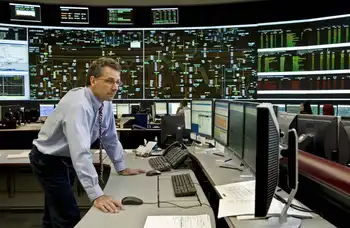
London’s energy infrastructure has recently taken a significant leap forward with the commissioning of its newest electricity tunnel, and related upgrades like the 2GW substation that bolster transmission capacity, a project that promises to enhance the reliability and efficiency of the city's power distribution. This cutting-edge tunnel is a key component in London’s ongoing efforts to modernize its energy infrastructure, support its growing energy demands, and contribute to its long-term sustainability goals.

The newly activated tunnel is part of a broader initiative to upgrade London's aging power grid, which has faced increasing pressure from the city’s expanding population and its evolving energy needs, paralleling Toronto's electricity planning to accommodate growth. The tunnel is designed to carry high-voltage electricity from major substations to various parts of the city, improving the distribution network's capacity and reliability.

The construction of the tunnel was a major engineering feat, involving the excavation of a vast underground passage that stretches several kilometers beneath the city. The tunnel is equipped with advanced technology and materials to ensure its resilience and efficiency, and is informed by advances such as HVDC technology being explored across Europe for stronger grids. It features state-of-the-art cabling and insulation to handle high-voltage electricity safely and efficiently, minimizing energy losses and improving overall grid performance.

One of the key benefits of the new tunnel is its ability to enhance the reliability of London’s power supply. As the city continues to grow and demand for electricity increases, maintaining a stable and uninterrupted power supply is critical. The tunnel helps address this need by providing additional capacity and creating redundancy in the power distribution network, aligning with national efforts to fast-track grid connections that unlock capacity across the UK.

The tunnel also supports London’s sustainability goals by facilitating the integration of renewable energy sources into the grid. With the increasing use of solar, wind, and other clean energy technologies, including the Scotland-to-England subsea link that will carry renewable power, the power grid needs to be able to accommodate and distribute this energy effectively. The new tunnel is designed to handle the variable nature of renewable energy, allowing for a more flexible and adaptive grid that can better manage fluctuations in supply and demand.

In addition to its technical benefits, the tunnel represents a significant investment in London’s future energy infrastructure, echoing calls to invest in smarter electricity infrastructure across North America and beyond. The project has created jobs and stimulated economic activity during its construction phase, and it will continue to provide long-term benefits by supporting a more efficient and resilient power system. The upgrade is part of a broader strategy to modernize the city’s infrastructure and prepare it for future energy challenges.

The completion of the tunnel also reflects a commitment to addressing the challenges of urban infrastructure development. Building such a major piece of infrastructure in a densely populated city like London requires careful planning and coordination to minimize disruption and ensure safety. The project team worked closely with local communities and businesses to manage the construction process and mitigate any potential impacts.

As London moves forward, the new electricity tunnel will play a crucial role in supporting the city’s energy needs. It will help ensure that power is delivered efficiently and reliably to homes, businesses, and essential services. The tunnel also sets a precedent for future infrastructure projects, demonstrating how advanced engineering and technology can address the demands of modern urban environments.

The successful activation of the tunnel marks a significant milestone in London’s efforts to build a more sustainable and resilient energy system. It represents a forward-thinking approach to managing the city’s energy infrastructure and addressing the challenges posed by population growth, increasing energy demands, and the need for cleaner energy sources.

Looking ahead, London will continue to invest in and upgrade its energy infrastructure to support its ambitious climate goals and ensure a reliable power supply for its residents, a trend mirrored by Toronto's preparations for surging demand as that city continues to grow. The new electricity tunnel is just one example of the city’s commitment to innovation and sustainability in its approach to energy management.

In summary, London’s newest electricity tunnel is a major advancement in the city’s power distribution network. By enhancing reliability, supporting the integration of renewable energy, and investing in long-term infrastructure, the tunnel plays a critical role in addressing the city’s energy needs and sustainability goals. As London continues to evolve, such infrastructure projects will be essential in meeting the demands of a growing metropolis and creating a more resilient and efficient energy system for the future.


Related News
How waves could power a clean energy future

Wave Energy Converters can deliver marine power to the grid, with DOE-backed PacWave enabling offshore testing, robust designs, and renewable electricity from oscillating waves to decarbonize coastal communities and replace diesel in remote regions.


Key Points

Wave energy converters are devices that transform waves' oscillatory motion into electricity for the grid or loads.

✅ DOE's PacWave enables full-scale, grid-connected offshore testing.

✅ Multiple designs convert oscillating motion into torque and power.

✅ Ideal for islands, microgrids, and replacing diesel generation.


Waves off the coast of the U.S. could generate 2.64 trillion kilowatt hours of electricity per year — that’s about 64% of last year’s total utility-scale electricity generation in the U.S. We won’t need that much, but one day experts do hope that wave energy will comprise about 10-20% of our electricity mix, alongside other marine energy technologies under development today.

“Wave power is really the last missing piece to help us to transition to 100% renewables, ” said Marcus Lehmann, co-founder and CEO of CalWave Power Technologies, one of a number of promising startups focused on building wave energy converters.

But while scientists have long understood the power of waves, it’s proven difficult to build machines that can harness that energy, due to the violent movement and corrosive nature of the ocean, combined with the complex motion of waves themselves, even as a recent wave and tidal market analysis highlights steady advances.

″Winds and currents, they go in one direction. It’s very easy to spin a turbine or a windmill when you’ve got linear movement. The waves really aren’t linear. They’re oscillating. And so we have to be able to turn this oscillatory energy into some sort of catchable form,” said Burke Hales, professor of cceanography at Oregon State University and chief scientist at PacWave, a Department of Energy-funded wave energy test site off the Oregon Coast. Currently under construction, PacWave is set to become the nation’s first full-scale, grid-connected test facility for these technologies, a milestone that parallels U.K. wind power lessons on scaling new industries, when it comes online in the next few years.

“PacWave really represents for us an opportunity to address one of the most critical barriers to enabling wave energy, and that’s getting devices into the open ocean,” said Jennifer Garson, Director of the Water Power Technologies Office at the U.S. Department of Energy.

At the beginning of the year, the DOE announced $25 million in funding for eight wave energy projects to test their technology at PacWave, as offshore wind forecasts underscore the growing investor interest in ocean-based energy. We spoke with a number of these companies, which all have different approaches to turning the oscillatory motion of the waves into electrical power.

Different approaches
Of the eight projects, Bay Area-based CalWave received the largest amount, $7.5 million. 

″The device we’re testing at PacWave will be a larger version of this,” said Lehmann. The x800, our megawatt-class system, produces enough power to power about 3,000 households.”

CalWave’s device operates completely below the surface of the water, and as waves rise and fall, surge forward and backward, and the water moves in a circular motion, the device moves too. Dampers inside the device slow down that motion and convert it into torque, which drives a generator to produce electricity, a principle mirrored in some wind energy kite systems as they harvest aerodynamic forces.

“And so the waves move the system up and down. And every time it moves down, we can generate power, and then the waves bring it back up. And so that oscillating motion, we can turn into electricity just like a wind turbine,” said Lehmann.

Another approach is being piloted by Seattle-based Oscilla Power, which was awarded $1.8 million from the DOE, and is getting ready to deploy its wave energy converter off the coast of Hawaii, at the U.S. Navy Wave Energy Test site.

Oscilla Power’s device is composed of two parts. One part floats on the surface and moves with the waves in all directions — up and down, side to side and rotationally. This float is connected to a large, ring-shaped structure which hangs below the surface, and is designed to stay relatively steady, much like how underwater kites leverage a stable reference to generate power. The difference in motion between the float and the ring generates force on the connecting lines, which is used to rotate a gearbox to drive a generator.

″The system that we’re deploying in Hawaii is what we call the Triton-C. This is a community-scale system,” said Balky Nair, CEO of Oscilla Power. “It’s about a third of the size of our flagship product. It’s designed to be 100 kilowatt rated, and it’s designed for islands and small communities.”

Nair is excited by wave energy’s potential to generate electricity in remote regions, which currently rely on expensive and polluting diesel imports to meet their energy needs when other renewables aren’t available, and similar tidal energy for remote communities efforts in Canada point to viable models. Before wave energy is adopted at-scale, many believe we’ll see wave energy replacing diesel generators in off-the-grid communities.

A third company, C-Power, based in Charlottesville, Virginia, was awarded more than $4 million to test its grid-scale wave energy converter at PacWave. But first, the company wants to commercialize its smaller scale system, the SeaRAY, which is designed for lower-power applications. 

″Think about sensors in the ocean, research, metocean data gathering, maybe it’s monitoring or inspection,” said C-Power CEO Reenst Lesemann on the initial applications of his device.

The SeaRAY consists of two floats and a central body, the nacelle, which contains the drivetrain. As waves pass by, the floats bob up and down, rotating about the nacelle and turning their own respective gearboxes which power the electric generators.

Eventually, C-Power plans to scale up its SeaRAY so that it’s capable of satellite communications and deep water deployments, before building a larger system, called the StingRAY, for terrestrial electricity generation.

Meanwhile, one Swedish company, Eco Wave Power, is taking another approach completely, eschewing offshore technologies in favor of simpler wave power devices that can be installed on breakwaters, piers, and jetties.

“All the expensive conversion machinery, instead of being inside the floaters like in the competing technologies, is on land just like a regular power station. So basically this enables a very low installation, operation, and maintenance cost,” explained CEO Inna Braverman.


Related News

View more

Reload.Land 2025: Berlin's Premier Electric Motorcycle Festival Returns

Reload.Land 2025 returns to Berlin with electric motorcycles, e-scooters, test rides, a conference on sustainability, custom builds, a silent ride, networking, innovators, brands, enthusiasts, and an electronic afterparty, spotlighting Europe's cutting-edge electromobility scene.


Key Points

Reload.Land 2025 is Berlin's electric motorcycle festival with test rides, panels, custom bikes, and a city silent ride.

✅ Test rides for electric motorcycles and e-scooters

✅ Conference on technology, sustainability, and policy

✅ Custom exhibition, Silent Ride, and electronic afterparty


Reload.Land, Europe's pioneering festival dedicated to electric motorcycles, is set to return for its third edition on June 7–8, 2025. Held at the Napoleon Komplex in Berlin, a city advancing sustainable mobility initiatives, this event promises to be a significant gathering for enthusiasts, innovators, and industry leaders in the realm of electric mobility.

A Hub for Electric Mobility Enthusiasts

Reload.Land serves as a platform for showcasing the latest advancements in electric two-wheelers, reflecting broader electricity innovation trends, including motorcycles, e-scooters, and custom electric bikes. Attendees will have the opportunity to test ride a diverse selection of electric vehicles from various manufacturers, providing firsthand experience of the evolving landscape of electromobility.

Highlights of the Festival

  • Custom Exhibition: A curated display of unique electric motorcycles and vehicles, highlighting the creativity and innovation within the electric mobility sector, from custom builders to Daimler's electrification plan shaping supply chains.

  • Reload.Land Conference: Engaging panel discussions and presentations from industry experts, focusing on topics such as cutting-edge technology, sustainability, including electricity demand from e-mobility projections, and the future of electric transportation.

  • Silent Ride: A group electric-only ride through the streets of Berlin, alongside projects like the city's electric flying ferry initiative, offering participants a unique experience of the city while promoting the quiet and clean nature of electric vehicles.

  • Official Afterparty: An evening celebration featuring electronic music, providing attendees with an opportunity to unwind and network in a vibrant atmosphere.
     

Community and Networking Opportunities

Reload.Land is not just an event; it's a movement that brings together a global community of riders, innovators, and brands. The festival fosters an environment where like-minded individuals can connect, share ideas, and collaborate on shaping the future of electric mobility, with similar gatherings like Everything Electric in Vancouver amplifying awareness worldwide. 

Event Details

  • Dates: June 7–8, 2025

  • Location: Napoleon Komplex, Modersohnstraße 35–45, 10245 Berlin, Germany.

  • Entry Fee: €10 (Children up to 14 years free)

Reload.Land 2025 promises to be a landmark event in the electric mobility calendar, offering a comprehensive look at the innovations shaping the future of transportation, echoing the public enthusiasm seen at EV events in Regina this year. Whether you're a seasoned rider, an industry professional, or simply curious about electric vehicles, Reload.Land provides a unique opportunity to immerse yourself in the world of electric motorcycles.


Related News

View more

PG&E’s Pandemic Response Includes Precautionary Health and Safety Actions; Moratorium on Customer Shutoffs for Nonpayment

PG&E COVID-19 Shutoff Moratorium suspends service disconnections, offers flexible payment plans, and expands customer support with safety protocols, social distancing, and public health guidance for residential and commercial utility customers during the pandemic.


Key Points

A temporary halt to utility shutoffs with flexible payment plans to support PG&E customers during COVID-19.

✅ Suspends shutoffs for residential and commercial accounts

✅ Offers most flexible payment plans upon COVID-19 hardship

✅ Enhances safety: social distancing, PPE, remote work protocols


Pacific Gas and Electric Company has announced that due to the COVID-19 pandemic, it has voluntarily implemented a moratorium on service disconnections for non-payment, effective immediately. This suspension, similar to policies in New Jersey and New York, will apply to both residential and commercial customers and will remain in effect until further notice. To further support customers who may be impacted by the pandemic, PG&E will offer its most flexible pay plans to customers who indicate either an impact or hardship as a result of COVID-19. PG&E will continue to monitor current events and identify opportunities to support our customers and communities through concrete actions.

In addition to the moratorium on service shut-offs, PG&E’s response to the COVID-19 pandemic is focused on efforts to protect the health and safety of its customers, employees, contractors and the communities it serves, including ongoing wildfire risk reduction efforts that continue alongside its pandemic response. Actions the company has taken include providing guidance for employees who have direct customer contact to take social distancing precautionary measures, such as avoiding handshakes and wearing disposable nitrile gloves while in customers' homes, and continuing safety work related to power line-related fires across its service area.

Customers who visit local offices to pay bills and are sick or experiencing symptoms are being asked to use other payment options such as online or by phone, as seen when Texas utilities waived fees during the pandemic, at 1-877-704-8470.

“We recognize that this is a rapidly changing situation and an uncertain time for many of our customers. Our most important responsibility is the health and safety of our customers and employees. We also want to provide some relief from the stress and financial challenges many are facing during this worldwide, public health crisis, and with rates set to stabilize in 2025 the company remains focused on affordability. We understand that many of our customers may experience a personal financial strain due to the slowdown in the economy related to the pandemic, and programs like the Wildfire Assistance Program can help eligible customers,” said Chief Customer Officer and Senior Vice President Laurie Giammona.

Internally, the company is taking advanced cleaning measures, communicating best practices frequently with employees, and is asking its leaders to let employees work remotely if their job allows, while avoiding critical business disruption. PG&E has activated an enterprise-wide incident response team and is vigilantly monitoring the Centers for Disease Control and Prevention and World Health Organization for updates related to the virus. The company is committed to continue addressing customer service needs and does not expect any disruption in gas or electric service due to the public health crisis.


Related News

View more

Hydro One reports $1.1B Q2 profit boosted by one-time gain due to court ruling

Hydro One Q2 Earnings surge on a one-time gain from a court ruling on a deferred tax asset, lifting profit, revenue, and adjusted EPS at Ontario's largest utility regulated by the Ontario Energy Board.


Key Points

Hydro One Q2 earnings jumped on an $867M court gain, with revenue at $1.67B and adjusted EPS improving to $0.39.

✅ One-time gain: $867M from tax appeal ruling.

✅ Revenue: $1.67B vs $1.41B last year.

✅ Adjusted EPS: $0.39 vs $0.26.


Hydro One Ltd., following the Peterborough Distribution sale transaction closing, reported a second-quarter profit of $1.1 billion, boosted by a one-time gain related to a court decision.

The power utility says it saw a one-time gain of $867 million in the quarter due to an Ontario court ruling on a deferred tax asset appeal that set aside an Ontario Energy Board decision earlier.

Hydro One says the profit amounted to $1.84 per share for the quarter ended June 30, amid investor concerns about uncertainties, up from $155 million or 26 cents per share a year earlier.

Shares also moved lower after the Ontario government announced leadership changes, as seen when Hydro One shares fell on the news in prior trading.

On an adjusted basis, it says it earned 39 cents per share for the quarter, despite earlier profit plunge headlines, up from an adjusted profit of 26 cents per share in the same quarter last year.

Revenue totalled $1.67 billion, up from $1.41 billion in the second quarter of 2019, while other Canadian utilities like Manitoba Hydro face heavy debt burdens.

Hydro One is Ontario’s largest electricity transmission and distribution provider, and its CEO compensation has drawn scrutiny in the province.


Related News

View more

Canadian Electricity Grids Increasingly Exposed to Harsh Weather

North American Grid Reliability faces extreme weather, climate change, demand spikes, and renewable variability; utilities, AESO, and NERC stress resilience, dispatchable capacity, interconnections, and grid alerts to prevent blackouts during heatwaves and cold snaps.


Key Points

North American grid reliability is the ability to meet demand during extreme weather while maintaining stability.

✅ Extreme heat and cold drive record demand and resource strain.

✅ Balance dispatchable and intermittent generation for resilience.

✅ Expand interconnections, capacity, and demand response to avert outages.


The recent alerts in Alberta's electricity grid during extreme cold have highlighted a broader North American issue, where power systems are more susceptible to being overwhelmed by extreme weather impacts on reliability.

Electricity Canada's chief executive emphasized that no part of the grid is safe from the escalating intensity and frequency of weather extremes linked to climate change across the sector.

“In recent years, during these extreme weather events, we’ve observed record highs in electricity demand,” he stated.

“It’s a nationwide phenomenon. For instance, last summer in Ontario and last winter in Quebec, we experienced unprecedented demand levels. This pattern of extremes is becoming more pronounced across the country.”

The U.S. has also experienced strain on its electricity grids due to extreme weather, with more blackouts than peers documented in studies. Texas faced power outages in 2021 due to winter storms, and California has had to issue several emergency grid alerts during heat waves.

In Canada, Albertans received a government emergency alert two weeks ago, urging an immediate reduction in electricity use to prevent potential rotating blackouts as temperatures neared -40°C. No blackouts occurred, with a notable decrease in electricity use following the alert, according to the Alberta Electric System Operator (AESO).

AESO's data indicates an increase in grid alerts in Alberta for both heatwaves and cold spells, reflecting dangerous vulnerabilities noted nationwide. The period between 2017 and 2020 saw only four alerts, in contrast to 17 since 2021.

Alberta's electricity grid reliability has sparked political debate, including proposals for a western Canadian grid to improve reliability, particularly with the transition from coal-fired plants to increased reliance on intermittent wind and solar power. Despite this debate, the AESO noted that the crisis eased when wind and solar generation resumed, despite challenges with two idled gas plants.

Bradley pointed out that Alberta's grid issues are not isolated. Every Canadian region is experiencing growing electricity demand, partly due to the surge in electric vehicles and clean energy technologies. No province has a complete solution yet.

“Ontario has had to request reduced consumption during heatwaves,” he noted. “Similar concerns about energy mix are present in British Columbia or Manitoba, especially now with drought affecting their hydro-dependent systems.”

The North American Electric Reliability Corporation (NERC) released a report in November warning of elevated risks across North America this winter for insufficient energy supplies, particularly under extreme conditions like prolonged cold snaps.

While the U.S. is generally more susceptible to winter grid disruptions, and summer blackout warnings remain a concern, the report also highlights risks in parts of Canada. Saskatchewan faces a “high” risk due to increased demand, power plant retirements, and maintenance, whereas Quebec and the Maritimes are at “elevated risk.”

Mark Olson, NERC’s manager of reliability assessments, mentioned that Alberta wasn't initially considered at risk, illustrating the challenges in predicting electricity demand amid intensifying extreme weather.

Rob Thornton, president and CEO of the International District Energy Association, acknowledged public concerns about grid alerts but reassured that the risk of a catastrophic grid failure remains very low.

“The North American grid is exceptionally reliable. It’s a remarkably efficient system,” he said.

However, Thornton emphasized the importance of policies for a resilient and reliable electricity system through 2050 and beyond. This involves balancing dispatchable and intermittent electricity sources, investing in extra capacity, enhancing macrogrids and inter-jurisdictional connections, and more.

“These grid alerts raise awareness, if not anxiety, about our energy future,” Thornton concluded.


Related News

View more

Electricity retailer Griddy's unusual plea to Texas customers: Leave now before you get a big bill

Texas wholesale electricity price spike disrupts ERCOT markets as Griddy and other retail energy providers face surge pricing; customers confront spot market exposure, fixed-rate plan switching, demand response appeals, and deep-freeze grid constraints across Texas.


Key Points

An extreme ERCOT market surge sending real-time rates to caps, exposing Griddy users and driving provider-switch pleas.

✅ Wholesale index plans pass through $9,000/MWh scarcity pricing.

✅ Retailers urge switching; some halt enrollments amid volatility.

✅ Demand response incentives and conservation pleas reduce load.


Some retail power companies in Texas are making an unusual plea to their customers amid a winter storm that has sent electricity prices skyrocketing: Please, leave us.

Power supplier, Griddy, told all 29,000 of its customers that they should switch to another provider as spot electricity prices soared to as high as $9,000 a megawatt-hour. Griddy’s customers are fully exposed to the real-time swings in wholesale power markets, so those who don’t leave soon will face extraordinarily high electricity bills.

“We made the unprecedented decision to tell our customers — whom we worked really hard to get — that they are better off in the near term with another provider,” said Michael Fallquist, chief executive officer of Griddy. “We want what’s right by our consumers, so we are encouraging them to leave. We believe that transparency and that honesty will bring them back” once prices return to normal.

Texas is home to the most competitive electricity market in America. Homeowners and businesses shopping for electricity churn power providers there like credit cards. In the face of such cutthroat competition, retail power providers in the region have grown accustomed to offering new customers incredibly low rates, incentives and, at least in Griddy’s case, unusual plans that allow customers to pay wholesale power prices as opposed to fixed ones.

The ruthless nature of the business has power traders speculating over which firms might have been caught short this week in the most dramatic run-up in spot power prices they’ve ever seen, and even talk of a market bailout has surfaced.

Not all companies are asking customers to leave. Others are just pleading for them to cut back to reduce blackout risks during extreme weather.

Pulse Power, based in The Woodlands, Texas, is offering customers a chance to win a Tesla Model 3, or free electricity for up to a year if they reduce their power usage by 10% in the coming days. Austin-based Bulb is offering $2 per kilowatts-hour, up to $200, for any energy customers save.

Griddy, however, is in a different position. Its service is simple — and controversial. Members pay a $9.99 monthly fee and then pay the cost of spot power traded on Texas’s power grid based on the time of day they use it. Earlier this month, that meant customers were saving money — and at times even getting paid — to use electricity at night. But in recent days, the cost of their power has soared from about 5 to 6 cents a kilowatt-hour to $1 or more. That’s when Fallquist knew it was time to urge his customers to leave.

“I can tell you it was probably one of the hardest decisions we’ve ever made,” he said. “Nobody ever wants to see customers go.”

Griddy isn’t the only one out there actively encouraging its customers to leave. People were posting similar pleas on Twitter over the holiday weekend from other Texas utilities and retail power providers offering everything from $100 rebates to waived cancellation fees as incentives to switch.

Customers may not even be able to switch. Rizwan Nabi, president of energy consultancy Riz Energy in Houston, said several power providers in Texas have told him they aren’t accepting new customers due to this week’s volatile prices, while grid improvements are debated statewide.

Hector Torres, an energy trader in Texas, who is a Griddy customer himself, said he tried to switch services over the long weekend but couldn’t find a company willing to take him until Wednesday, when the weather is forecast to turn warmer.


Related News

View more

Sign Up for Electricity Forum’s Newsletter

Stay informed with our FREE Newsletter — get the latest news, breakthrough technologies, and expert insights, delivered straight to your inbox.

Electricity Today T&D Magazine Subscribe for FREE

Stay informed with the latest T&D policies and technologies.
  • Timely insights from industry experts
  • Practical solutions T&D engineers
  • Free access to every issue

Download the 2025 Electrical Training Catalog

Explore 50+ live, expert-led electrical training courses –

  • Interactive
  • Flexible
  • CEU-cerified