National Wind announces formation of NECO Wind

By Business Wire


Arc Flash Training CSA Z462 - Electrical Safety Essentials

Our customized live online or in‑person group training can be delivered to your staff at your location.

  • Live Online
  • 6 hours Instructor-led
  • Group Training Available
Regular Price:
$249
Coupon Price:
$199
Reserve Your Seat Today
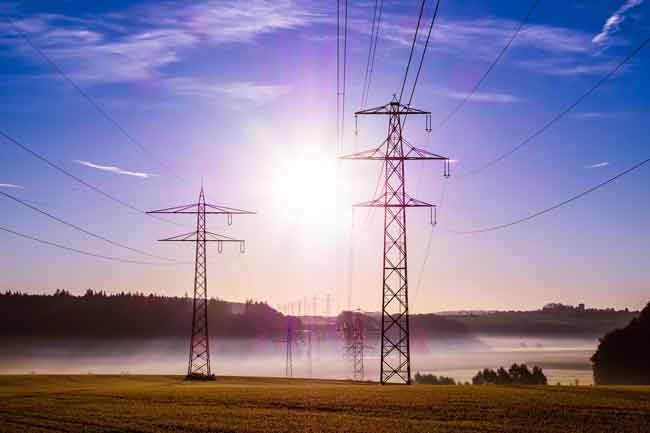
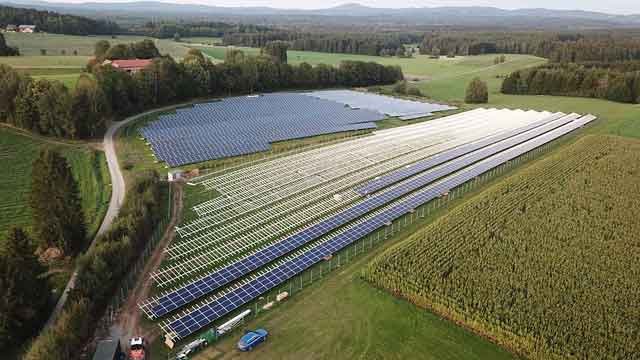
National Wind, LLC is partnering with landowners in Sedgwick, Phillips, and Logan Counties in Colorado, to form and capitalize NECO Wind, LLC. NECO Wind, which stands for Northeast Colorado Wind, to construct 400 megawatts (MW) or more of wind energy generation facilities under the management of National Wind.

When complete, it is expected this project will produce enough electricity to power approximately 120,000 homes and is anticipated to be one of the largest wind projects in Colorado.

NECO Wind will be the second wind energy project in Colorado under National WindÂ’s management.

NECO Wind has also formed an advisory board composed of area landowners. The advisory board plays an integral role in the development process, acting as a liaison between the community and NECO Wind.

To provide further community contact, NECO Wind has opened an office in Julesburg and hired local field specialists, Janan “JJ” Jones, Kirsten Muncy and Jerry Keintz, to work with landowners to inform them about the wind project.

“We’ve been trying to start a community wind project in the area for a while now,” says Lyle Blochowitz, NECO Wind Advisory Board Vice-Chair. “With National Wind as our manager, we benefit from their project development experience, but we’re also able to maintain local participation and ownership in the project.”

“NECO Wind’s community-based wind model provides many benefits to area landowners and the local economy,” says Bruce Rosenbach, NECO Wind Advisory Board Chair. “We expect a substantial share of the project’s potential development proceeds to stay in the community.”

“In addition to working to keep potential financial benefits local, we strive to maintain open communication and landowner representation as core components of the community model,” adds Pat Pelstring, Co-Chair of National Wind. “Northeast Colorado landowners will help guide the development process through regular advisory board meetings, landowner forums, and other discussions. The community has a say and a stake in the project. That’s why community wind projects have such strong local support.”

National Wind is currently managing and developing 10 large-scale community wind projects in the Upper Midwest and Plains States. If these projects, including NECO Wind, are completed and start operating, they could fulfill the electricity needs of nearly one million average American homes.

Related News

Annual U.S. coal-fired electricity generation will increase for the first time since 2014

U.S. coal-fired generation 2021 rose as higher natural gas prices, stable coal costs, and a recovering power sector shifted the generation mix; capacity factors rebounded despite low coal stocks and ongoing plant retirements.


Key Points

Coal output rose 22% on high gas prices and higher capacity factors; a 5% decline is expected in 2022.

✅ Natural gas delivered cost averaged $4.93/MMBtu, more than double 2020

✅ Coal capacity factor rose to ~51% from 40% in 2020

✅ 2022 coal generation forecast to fall about 5%


We expect 22% more U.S. coal-fired generation in 2021 than in 2020, according to our latest Short-Term Energy Outlook (STEO). The U.S. electric power sector has been generating more electricity from coal-fired power plants this year as a result of significantly higher natural gas prices and relatively stable coal prices, even as non-fossil sources reached 40% of total generation. This year, 2021, will yield the first year-over-year increase in coal generation in the United States since 2014, highlighted by a January power generation jump earlier in the year.

Coal and natural gas have been the two largest sources of electricity generation in the United States. In many areas of the country, these two fuels compete to supply electricity based on their relative costs and sensitivity to policies and gas prices as well. U.S. natural gas prices have been more volatile than coal prices, so the cost of natural gas often determines the relative share of generation provided by natural gas and coal.

Because natural gas-fired power plants convert fuel to electricity more efficiently than coal-fired plants, record natural gas generation has at times underscored that advantage, and natural gas-fired generation can have an economic advantage even if natural gas prices are slightly higher than coal prices. Between 2015 and 2020, the cost of natural gas delivered to electric generators remained relatively low and stable. This year, however, natural gas prices have been much higher than in recent years. The year-to-date delivered cost of natural gas to U.S. power plants has averaged $4.93 per million British thermal units (Btu), more than double last year’s price.

The overall decline in electricity demand in 2020 and record-low natural gas prices led coal plants to significantly reduce the percentage of time that they generated power. In 2020, the utilization rate (known as the capacity factor) of U.S. coal-fired generators averaged 40%. Before 2010, coal capacity factors routinely averaged 70% or more. This year’s higher natural gas prices have increased the average coal capacity factor to about 51%, which is almost the 2018 average, a year when wind and solar reached 10% nationally.

Although rising natural gas prices have resulted in more U.S. coal-fired generation than last year, this increase in coal generation will most likely not continue as solar and wind expand in the generation mix. The electric power sector has retired about 30% of its generating capacity at coal plants since 2010, and no new coal-fired capacity has come online in the United States since 2013. In addition, coal stocks at U.S. power plants are relatively low, and production at operating coal mines has not been increasing as rapidly as the recent increase in coal demand. For 2022, we forecast that U.S. coal-fired generation will decline about 5% in response to continuing retirements of generating capacity at coal power plants and slightly lower natural gas prices.


Related News

View more

Wind Denmark - Danish electricity generation sets a new green record

Denmark 2019 electricity CO2 intensity shows record-low emissions as renewable energy surges, wind power dominates, offshore wind expands, and coal phase-out accelerates Denmark's energy transition and grid decarbonization, driven by higher CO2 prices and flexibility.


Key Points

It is 135 g CO2/kWh, a record low enabled by wind power growth, offshore wind, and a sharp coal decline.

✅ Average emissions fell to 135 g CO2/kWh, the lowest on record

✅ Wind and solar supplied 49.9% of national electricity use

✅ Coal consumption dropped 46% as CO2 allowance prices rose


Danish electricity producers set a new green record in 2019, when an average produced kilowatt-hour emitted 135 gr CO2 / kWh.

It is the lowest CO2 emission ever measured in Denmark and about one-seventh of what the electricity producers emitted in 1990.

Never has a kilowatt-hour produced emitted as little CO2 as it did in 2019. And that's according to Energinet's recently published annual Environmental Report on Danish electricity generation and cogeneration, two primary causes.

One reason is that more green power has been produced because the Horns Rev 3 offshore wind farm, which can produce electricity for 425,000 households, was commissioned in 2019. The other is that Danish coal consumption fell by 46 percent from 2018 to 2019, as coal phase-out plans gathered pace across the sector. the dramatic decline in coal consumption is partly due a significant increase in the price of CO2 quotas, and thus also the price of CO2 emissions.

'Historically, 135 gr CO2 / kWh is a really, really low figure, showing the impressive green travel that the Danish electricity system has been on. In 1990, a kilowatt-hour produced emitted over 1000 grams of CO2, ie about seven times as much as today, 'says Hanne Storm Edlefsen, area manager in Energinet Power Systems Responsibility.

Wind energy is the dominant form of electricity generation in Denmark, a pattern the UK wind beat coal in 2016 when shifting away from fossil fuels.

17.1 TWh. Danish wind turbines and solar cells generated so much electricity in 2019, corresponding to 49.9 per cent. of Danish electricity consumption, reflecting broader EU wind and solar growth trends as well. An increase of 15 per cent. The wind turbines alone produced 16 TWh, which is not only a new green record, but also puts a thick line that wind energy is by far the most dominant form of electricity generation in Denmark.

'Thanks to our large wind resources, turbines are by far the largest supplier of renewable energy in Denmark, and this will be for many years to come. The large price drop in new wind energy in recent years - for both onshore and offshore winds - will ensure that wind energy will drive a large part of the growth in renewable energy in the coming years, as new wind generation records are set in markets like the UK, 'says Soren Klinge, electricity market manager at Wind Denmark.

Conversely, total electricity generation from fossil and bio-based fuels decreased by 26 PJ (petajoule ed.), Corresponding to 34 per cent. from 2018 to 2019, mirroring renewables overtaking coal in Germany. Nevertheless, net electricity generation was just under 30 TWh both years.

'It is worth noting that while fossil fuels are being phased out, Denmark maintains its annual net production of electricity. The green, so to speak, replaces the black. It once again underpins that green conversion, high security of supply and an affordable electricity price can go hand in hand, 'says Hanne Storm Edlefsen.

Danish power system is ready for a green future

Including trade in electricity with neighboring countries, 1 kWh in a Danish outlet generates 145 gr CO2 / kWh.

'There has been a very significant development in the Danish electricity system in recent years, where the electricity system can now be operated solely on the renewable energy. It is a remarkable development, also from an international perspective where low-carbon progress stalled in the UK in 2019, that one would not have thought possible for just a few years ago, 'he says.

More than expected have phased out coal

The electricity from the Danish sockets will be greener , predicts Energinet's environmental report , which expects CO2 intensity in the coming years. This is explained by an expectation of increased electrification of energy consumption, together with a continued expansion with wind and solar.

'Wind energy is the cornerstone of the green transition. With the commissioning of the Kriegers Flak offshore wind farm and several major onshore wind turbine projects within the next few years, we can well expect that only the wind's share of electricity consumption will exceed 50 per cent hopefully as early as 2021,' concludes Soren Klinge.


Related News

View more

Experts warn Albertans to lock in gas and electricity rates as prices set to soar

Alberta Energy Price Spike signals rising electricity and natural gas costs; lock in fixed rates as storage is low, demand surged in heat waves, and exports rose after Hurricane Ida, driving volatility and higher futures.


Key Points

An anticipated surge in Alberta electricity and natural gas prices, urging consumers to lock fixed rates to reduce risk.

✅ Fixed-rate gas near $3.79/GJ vs futures approaching $6/GJ

✅ Low storage after heat waves and U.S. export demand

✅ Switch providers or plans; UCA comparison tool helps


Energy economists are warning Albertans to review their gas and electricity bills and lock in a fixed rate if they haven't already done so because prices are expected to spike in the coming months.

"I have been urging anyone who will listen that every single Albertan should be on a fixed rate for this winter," University of Calgary energy economist Blake Shaffer said Monday. "And I say that for both natural gas and power."

Shaffer said people will rightly point out energy costs make up only roughly a third of their monthly bill. The rest of the costs for such things as delivery fees can't be avoided. 

But, he said, "there is an energy component and it is meaningful in terms of savings." 

For example, Shaffer said, when he checked last week, a consumer could sign a fixed rate gas contract for $3.79 a gigajoule and the current future price for gas is nearly $6 a gigajoule.

A typical household would use about 15 gigajoules a month, he said, so a consumer could save $30 to $45 a month for five months. For people on lower or fixed incomes, "that is a pretty significant saving."

Comparable savings can also be achieved with electricity, he said.

Shaffer said research has shown households that are least able to afford sharp increases in gas and electrical bills are less likely to pick up the phone and call their energy provider and either negotiate a lower fixed rate contract or jump to a new provider. 

But, he said, it is definitely worth the time and effort, particularly as Calgary electricity bills are rising across the city. Alberta's Utilities Consumer Advocate has a handy cost comparison tool on its website that allows consumers to conduct regional price comparisons that will assist in making an informed decision.

"Folks should know that for most providers you can change back to a floating rate any time you want," Shaffer said.

Summer heat wave affected natural gas supply
Why are energy prices set to spike in Alberta, which is a major producer of natural gas?

Sophie Simmonds, managing director of the brokerage firm Anova Energy, said Alberta is now generating the majority of its power using natural gas. 

The heat wave in June and July created record electrical demand. Normally, natural gas is stored in the summer for use in the winter. But this year, there was much greater gas consumption in the summer and so less was stored. 

Alberta also set a new electricity usage record during a recent deep freeze, underscoring system stress.

On top of that, Alberta has been exporting much more natural gas to the United States since August and September because Hurricane Ida knocked out natural gas assets in the Gulf of Mexico.

"So what this means is we are actually going into winter with very, very low storage numbers," Simmonds said.

Why natural gas prices have surged to some of their highest levels in years
Canadians to remain among world's top energy users even as government strives for net zero
Consultant Matt Ayres said he believes rising electricity prices also are being affected by Alberta's transition from carbon-intensive fuel sources to less carbon-intensive fuel sources.

"That transition is not always smooth," said Ayres, who is also an adjunct assistant professor at the University of Calgary's School of Public Policy. 

"It is my view that at least some of the price increases we are seeing on electricity comes down to difficulties imposed by that transition and also by a reduction in competition amongst generators, as well as power market overhaul debates shaping policy." 

In 2019, under the leadership of Premier Jason Kenney the UCP government removed the former NDP government's rate cap on electricity at the time.

The NDP has called for the government to reinstate the cap but the UCP government has dismissed that as unsustainable and unrealistic.


Related News

View more

Scottish Wind Delivers Equivalent Of 98% Of Country’s October Electricity Demand

Scotland Wind Energy October saw renewables supply the equivalent of 98 percent of electricity demand, as onshore wind outpaced National Grid needs, cutting emissions and powering households, per WWF Scotland and WeatherEnergy.


Key Points

A monthly update showing Scottish onshore wind met the equivalent of 98% of electricity demand in October.

✅ 98% of monthly electricity demand equivalent met by wind

✅ 16 days exceeded total national demand, per data

✅ WWF Scotland and WeatherEnergy cited; lower emissions


New figures publicized by WWF Scotland have revealed that wind energy generated the equivalent of 98% of the country’s electricity demand in October, or enough electricity to power millions of Scottish homes across the country.

Scotland has regularly been highlighted as a global wind energy leader, and over the last few years has repeatedly reported record-breaking months for wind generation. Now, it’s all very well and good to say that Scottish wind delivered 98% of the country’s electricity demand, but the specifics are a little different — hence why WWF Scotland always refers to it as wind providing “the equivalent of 98%” of Scotland’s electricity demand. That’s why it’s worth looking at the statistics provided by WWF Scotland, sourced from WeatherEnergy, part of the European EnergizAIR project:

  • National Grid demand for the month – 1,850,512 MWh
  • What % of this could have been provided by wind power across Scotland – 98%
  • Best day – 23rd October 2018, generation was 105,900.94 MWh, powering 8.72m homes, 356% of households. Demand that day was 45,274.5MWh – wind generation was 234% of that.
  • Worst day – 18th October 2018 when generation was 18,377.71MWh powering 1,512,568 homes, 62% of households. Demand that day was 73,628.5MWh – wind generation was 25%
  • How many days generation was over 100% of households – 27
  • How many days generation was over 100% of demand – 16

“What a month October proved to be, with wind powering on average 98 per cent of Scotland’s entire electricity demand for the month, at a time when wind became the UK’s main power source and exceeding our total demand for a staggering 16 out of 31 days,” said Dr Sam Gardner, acting director at WWF Scotland.

“These figures clearly show wind is working, it’s helping reduce our emissions and is the lowest cost form of new power generation. It’s also popular, with a recent survey also showing more and more people support turbines in rural areas. That’s why it’s essential that the UK Government unlocks market access for onshore wind at a time when we need to be scaling up electrification of heat and transport.”

Alex Wilcox Brooke, Weather Energy Project Manager at Severn Wye Energy Agency, added: “Octobers figures are a prime example of how reliable & consistent wind production can be, with production on 16 days outstripping national demand.”


Related News

View more

First Reactor Installed at the UK’s Latest Nuclear Power Station

Hinkley Point C Reactor Installation signals UK energy security, nuclear power expansion, and low-carbon baseload, featuring EPR technology in Somerset to cut emissions, support net-zero goals, and deliver reliable electricity for homes and businesses.


Key Points

First EPR unit fitted at Hinkley Point C, boosting low-carbon baseload, grid reliability, and UK energy security.

✅ Generates 3.2 GW across two EPRs for 7% of UK electricity.

✅ Provides low-carbon baseload to complement wind and solar.

✅ Creates jobs and strengthens supply chains during construction.


The United Kingdom has made a significant stride toward securing its energy future with the installation of the first reactor at its newest nuclear power station. This development marks an important milestone in the nation’s efforts to combat climate change, reduce carbon emissions, and ensure a stable and sustainable energy supply. As the world moves towards greener alternatives to fossil fuels, nuclear power remains a key part of the UK's green industrial revolution and low-carbon energy strategy.

The new power station, located at Hinkley Point C in Somerset, is set to be one of the most advanced nuclear facilities in the country. The installation of its reactor represents a crucial step in the construction of the plant, with earlier milestones like the reactor roof lifted into place underscoring steady progress, which is expected to provide reliable, low-carbon electricity for millions of homes and businesses across the UK. The completion of the first reactor is seen as a pivotal moment in the journey to bring the station online, with the second reactor expected to follow shortly after.

A Historic Milestone

Hinkley Point C will be the UK’s first nuclear power station built in over two decades. The plant, once fully operational, will play a key role in the country's energy transition. The reactors at Hinkley Point C are designed to be state-of-the-art, using advanced technology that is both safer and more efficient than older nuclear reactors. Each of the two reactors will have the capacity to generate 1.6 gigawatts of electricity, enough to power approximately six million homes. Together, they will contribute about 7% of the UK’s electricity needs, providing a steady, reliable source of energy even during periods of high demand.

The installation of the first reactor at Hinkley Point C is not just a technical achievement; it is also symbolic of the UK’s commitment to energy security and its goal to achieve net-zero carbon emissions by 2050, a target that industry leaders say multiple new stations will be needed to meet effectively. Nuclear power is a crucial part of this equation, as it provides a stable, baseload source of energy that does not rely on weather conditions, unlike wind or solar power.

Boosting the UK’s Energy Capacity

The addition of Hinkley Point C to the UK’s energy infrastructure is expected to significantly boost the country’s energy capacity and reduce its reliance on fossil fuels. The UK government has been focused on increasing the share of renewable energy in its mix, and nuclear power is seen as an essential complement to intermittent renewable sources, especially as wind and solar have surpassed nuclear in generation at times. Nuclear energy is considered a low-carbon, reliable energy source that can fill the gaps when renewable generation is insufficient, such as on cloudy or calm days when solar and wind energy output may be low.

With the aging of the UK’s existing nuclear fleet and the gradual phase-out of coal-fired power plants, Hinkley Point C will help ensure that the country does not face an energy shortage as it transitions to cleaner energy sources. The plant will help to bridge the gap between the current energy infrastructure and the future, enabling the UK to phase out coal while maintaining a steady, low-carbon energy supply.

Safety and Technological Innovation

The reactors at Hinkley Point C are being constructed using the latest in nuclear technology. They are based on the European Pressurized Reactor (EPR) design, which is known for its enhanced safety features and efficiency, and has been deployed in projects within China's nuclear program as well, making it a proven platform. These reactors are designed to withstand extreme conditions, including earthquakes and flooding, making them highly resilient. Additionally, the EPR technology ensures that the reactors have a low environmental impact, producing minimal waste and offering the potential for increased sustainability compared to older reactor designs.

One of the key innovations in the Hinkley Point C reactors is their advanced cooling system, which is designed to be more efficient and environmentally friendly than previous generations. This system ensures that the reactors operate at optimal temperatures while minimizing the environmental footprint of the plant.

Economic and Job Creation Benefits

The construction of Hinkley Point C has already provided a significant boost to the local economy. Thousands of jobs have been created, not only in the construction phase but also in the ongoing operation and maintenance of the facility. The plant is expected to create more than 25,000 jobs during its construction and around 900 permanent jobs once it is operational.

The project is also expected to have a positive impact on the wider UK economy. As a major infrastructure project, Hinkley Point C will provide long-term economic benefits, including boosting supply chains and providing opportunities for local businesses.

Challenges and the Road Ahead

Despite the progress, the construction of Hinkley Point C has not been without its challenges. The project has faced delays and cost overruns, with setbacks at Hinkley Point C documented by industry observers, and the total estimated cost now standing at around £22 billion. However, the successful installation of the first reactor is a step toward overcoming these hurdles and completing the project on schedule.

Looking ahead, Hinkley Point C’s successful operation could pave the way for future nuclear developments in the UK, including next-gen nuclear designs that aim to be smaller, cheaper, and safer. As the world grapples with the pressing need to reduce greenhouse gas emissions, nuclear energy may play an even more critical role in ensuring a clean, reliable energy future.

The installation of the first reactor at Hinkley Point C marks a crucial moment in the UK’s energy journey. As the country seeks to meet its carbon reduction targets and bolster its energy security, the new nuclear power station will be a cornerstone of its efforts. With its advanced technology, safety features, and potential to provide low-carbon energy for decades to come, Hinkley Point C offers a glimpse into the future of energy production in the UK and beyond.


Related News

View more

UK EV Drivers Demand Fairer Vehicle Taxes

UK EV Per-Mile Taxes are reshaping road pricing and vehicle taxation for electric cars, raising fairness concerns, climate policy questions, and funding needs for infrastructure and charging networks across the country.


Key Points

They are per-mile road charges on EVs to fund infrastructure, raising fairness, emissions, and vehicle taxation concerns.

✅ Propose tax relief or credits for EV owners

✅ Consider emission-based road user charging

✅ Invest in charging networks and road infrastructure


As the UK continues its push towards a greener future with increased adoption of electric vehicles (EVs) and surging EV interest during supply disruptions, a growing number of electric car drivers are voicing their frustration over the current tax system. The debate centers around the per-mile vehicle taxes that are being proposed and implemented, which many argue are unfairly burdensome on EV owners. This issue has sparked a broader campaign advocating for a more equitable approach to vehicle taxation, one that reflects the evolving landscape of transportation and environmental policy.

Rising Costs for Electric Car Owners

Electric vehicles have been hailed as a crucial component in the UK’s strategy to reduce carbon emissions and combat climate change. Government incentives, such as grants for EV purchases and tax breaks, have been instrumental in encouraging the shift from petrol and diesel cars to cleaner alternatives, even as affordability concerns persist among many UK consumers. However, as the number of electric vehicles on the road grows, the financial dynamics of vehicle taxation are coming under scrutiny.

One of the key issues is the introduction and increase of per-mile vehicle taxes. While these taxes are designed to account for road usage and infrastructure costs, they have been met with resistance from EV drivers who argue that they are being disproportionately affected. Unlike traditional combustion engine vehicles, electric cars typically have lower running costs compared to petrol or diesel models and, in many cases, benefit from lower or zero emissions. Yet, the current tax system does not always reflect these advantages.

The Taxation Debate

The crux of the debate lies in how vehicle taxes are structured and implemented. Per-mile taxes are intended to ensure that all road users contribute fairly to the maintenance of transport infrastructure. However, the implementation of such taxes has raised concerns about fairness and affordability, particularly for those who have invested heavily in electric vehicles.

Critics argue that per-mile taxes do not adequately take into account the environmental benefits of driving an electric car, noting that the net impact depends on the electricity generation mix in each market. While EV owners are contributing to a cleaner environment by reducing emissions, they are also facing higher taxes that could undermine the financial benefits of their greener choice. This has led to calls for a reassessment of the tax system to ensure that it aligns with the UK’s climate goals and provides a fair deal for electric vehicle drivers.

Campaigns for Fairer Taxation

In response to these concerns, several advocacy groups and individual EV owners have launched campaigns calling for a more balanced approach to vehicle taxation. These campaigns emphasize the need for a system that supports the transition to electric vehicles and recognizes their role in reducing environmental impact, drawing on ambitious EV targets abroad as useful benchmarks.

Key proposals from these campaigns include:

  1. Tax Relief for EV Owners: Advocates suggest providing targeted tax relief for electric vehicle owners to offset the costs of per-mile taxes. This could include subsidies or tax credits that acknowledge the environmental benefits of EVs and help to make up for higher road usage fees.

  2. Emission-Based Taxation: An alternative approach is to design vehicle taxes based on emissions rather than mileage. This system would ensure that those driving high-emission vehicles contribute more to road maintenance, while EV owners, who are already reducing emissions, are not penalized.

  3. Infrastructure Investments: Campaigners also call for increased investments in infrastructure that supports electric vehicles, such as charging networks and proper grid management practices that balance load. This would help to address concerns about the adequacy of current road maintenance and support the growing number of EVs on the road.

Government Response and Future Directions

The UK government faces the challenge of balancing revenue needs with environmental goals. While there is recognition of the need to update the tax system in light of increasing EV adoption, there is also a focus on ensuring that any changes are equitable and do not disincentivize the shift towards cleaner vehicles, while considering whether the UK grid can handle additional EV demand reliably.

Discussions are ongoing about how to best implement changes that address the concerns of electric vehicle owners while ensuring that the transportation infrastructure remains adequately funded. The outcome of these discussions will be critical in shaping the future of vehicle taxation in the UK and supporting the country’s broader environmental objectives.

Conclusion

As electric vehicle adoption continues to rise in the UK, the debate over vehicle taxation becomes increasingly important. The campaign for fairer per-mile taxes highlights the need for a tax system that supports the transition to cleaner transportation while also being fair to those who have made environmentally conscious choices. Balancing these factors will be key to achieving the UK’s climate goals and ensuring that all road users contribute equitably to the maintenance of transport infrastructure. The ongoing dialogue and policy adjustments will play a crucial role in shaping a sustainable and just future for transportation in the UK.


Related News

View more

Sign Up for Electricity Forum’s Newsletter

Stay informed with our FREE Newsletter — get the latest news, breakthrough technologies, and expert insights, delivered straight to your inbox.

Electricity Today T&D Magazine Subscribe for FREE

Stay informed with the latest T&D policies and technologies.
  • Timely insights from industry experts
  • Practical solutions T&D engineers
  • Free access to every issue

Live Online & In-person Group Training

Advantages To Instructor-Led Training – Instructor-Led Course, Customized Training, Multiple Locations, Economical, CEU Credits, Course Discounts.

Request For Quotation

Whether you would prefer Live Online or In-Person instruction, our electrical training courses can be tailored to meet your company's specific requirements and delivered to your employees in one location or at various locations.