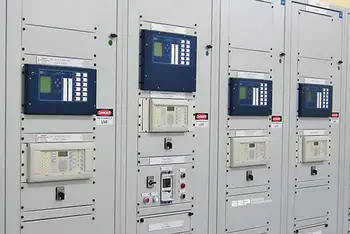
Protective Relay Training - Basic
Our customized live online or in‑person group training can be delivered to your staff at your location.
- Live Online
- 12 hours Instructor-led
- Group Training Available
Regular Price:
$699
Coupon Price:
$599
The New Hampshire Senate approved legislation Thursday to raise the cap on net metering within the state, doubling the amount eligible customers generating solar power can sell back to the electric grid.
Clean energy supporters have been pushing for an increase in the cap to help grow the solar power market here and the current bill, which has now passed both chambers of the Legislature and is expected to be signed by Gov. Maggie Hassan, is expected to improve ratepayer protections. It also requires the state Public Utilities Commission to initiate a proceeding to develop alternative net energy metering tariffs.
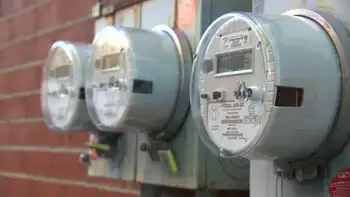
Net metering, according to the New Hampshire CleanTech Council, is a billing or reimbursement arrangement for electricity generated by renewable energy that is used to meet the needs of a residence, a municipality or a business.
Senate Majority Leader Jeb Bradley, a Wolfeboro Republican and sponsor of the legislation, said the bill strikes a balance between allowing continued renewable energy development, while also enabling the commission to set a net metering rate to protect electric customers.
"Net metering is important for solar development and solar industry jobs in New Hampshire, but with some of the highest electric rates in the country, the public utilities commission will be able to implement protections for electric customers by setting lower rates than the rates paid to net metering customers today," he said in a statement. The bill passed the Senate on a 19-4 vote.
According to the measure, the PUC states the bill raises the current cap of 50 megawatts of installed capacity for net metered customer-generators to 100 megawatts.
"Net metering is currently available to qualifying customer sited renewable electric generating facilities sized less than one megawatt in capacity," the bill reads. "These facilities may sell excess electricity not used at the customer's site back to the local electric distribution utility."
Hassan said New Hampshire ranked as one of the top five states for renewable energy and the clean energy industry, especially solar, currently plays a critical role in that success.
"Solar and other small scale clean energy resources are helping businesses and families across the state lower their energy bills and increase their energy independence, helping to build a more diverse and reliable energy supply that will lead to a more affordable and more innovative energy future for our state," she said in a statement.
Opponents have said net metering is fair only to those ratepayers with renewable systems. Regular ratepayers end up maintaining the electrical grid because those returning excess energy see their own costs drop, but that money is then absorbed by the majority of the other consumers.
Jim Roche, president of the Business and Industry Association, last month said the statewide chamber of commerce could not support raising the cap without establishing the credit at the wholesale rate for excess generation. He said the state's electric rates are more than 58 percent higher than the national average and manufacturers, who are sensitive to energy prices, could look for other locations if those rates do not become more competitive.
Related News

Net-zero roadmap can cut electricity costs by a third in Germany - Wartsila
Germany net-zero roadmap charts coal phase-out by 2030, rapid renewables buildout, energy storage, and hydrogen-ready…
View more
Global Energy War Escalates: Price Hikes and Instability
Russia-Ukraine Energy War disrupts infrastructure, oil, gas, and electricity, triggering supply shocks, price spikes, and…
View more

Ontario Government Unveils Energy Conservation Changes
Ontario’s government under Doug Ford is overhauling environmental and energy policy, merging conservation authorities, greenlighting…
View more
UK homes can become virtual power plants to avoid outages
Demand Flexibility Service rewards households and businesses for shifting peak-time electricity use, enhancing grid balancing,…
View more
Electric Cooperatives, The Lone Shining Utility Star Of The Texas 2021 Winter Storm
Texas Electric Cooperatives outperformed during Winter Storm Uri, with higher customer satisfaction, equitable rolling blackouts,…
View more
Metering Pilot projects may be good example for Ontario utilities
Ontario Electricity Pricing Pilot Projects explore alternative rates beyond time-of-use, with LDCs and the Ontario…
View more
Sign Up for Electricity Forum’s Newsletter
Stay informed with our FREE Newsletter — get the latest news, breakthrough technologies, and expert insights, delivered straight to your inbox.
Electricity Today T&D Magazine Subscribe for FREE

Stay informed with the latest T&D policies and technologies.
- Timely insights from industry experts
- Practical solutions T&D engineers
- Free access to every issue

