CanadaÂ’s largest province commits to green energy development

By Refocus Weekly


High Voltage Maintenance Training Online

Our customized live online or in‑person group training can be delivered to your staff at your location.

  • Live Online
  • 12 hours Instructor-led
  • Group Training Available
Regular Price:
$599
Coupon Price:
$499
Reserve Your Seat Today
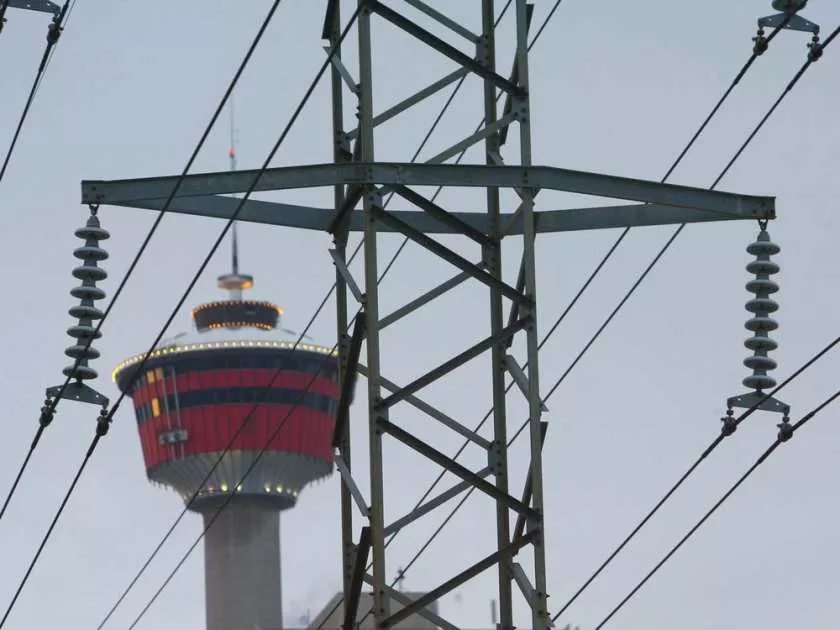
The province of Ontario will require 3,000 MW of renewable energy to be added to the grid over eight years, noting that it is the first province in Canada to introduce such a program.

The Green Power Standard will require the grid to add 1% of current capacity from renewables in each of eight years, starting in 2006. All forms of renewable energy would be eligible, although officials expect wind, hydro and biomass to be the major sources to be used.

“During its eight-year lifespan, the program will add about 3,000 MW of renewable energy to the Ontario electricity system,” says Commissioner of Alternative Energy Steve Gilchrist. “With this bold step, the Eves government has demonstrated its commitment to increasing electricity supply while protecting our environment.”

A renewables portfolio standard legislates minimum amounts of green power that must be supplied to the grid. Green standards have been announced or established in several U.S. states, including Texas, California, Massachusetts and New York.

"This announcement is a watershed for the clean renewable power industry in Ontario,” adds Glen Estill of the Canadian Wind Energy Association. The Ontario standard will be “the biggest single commitment to renewable power by any jurisdiction in North America” which he predicts will create “substantial economic development and jobs” for wind and other renewable power generators.

The provincial government has already committed to purchasing 20% of its electricity for government buildings from renewables, and its recent budget promised a 100% corporate income tax deduction for new assets used to self-generate electricity from renewables and provincial sales tax rebates on new residential installations of solar, wind, micro-hydro and earth energy heating/cooling systems.

Support for a Green Power Standard was a key recommendation of a Select Committee on Alternative Fuel Sources. When the program expires in 2014, one-third of OntarioÂ’s electricity will come from renewables, since 25% of current installed capacity is considered renewable energy in the form of hydropower.

Related News
American Households Struggle with Sky-High Energy Bills During Extreme Summer Heat

US Summer Energy Bills Crisis is driven by record heatwaves, soaring electricity prices, AC cooling demand, energy poverty risks, and LIHEAP relief, straining low-income households, vulnerable seniors, and budgets amid volatile utilities and peak demand.


Key Points

Rising household energy costs from extreme heat, higher electricity prices, and AC demand, straining vulnerable families.

✅ Record heatwaves drive peak electricity and cooling loads

✅ Tiered rates and volatile markets inflate utility bills

✅ LIHEAP aid and cooling centers offer short-term relief


As the sweltering heat of summer continues to grip much of the United States, American households are grappling with a staggering rise in energy bills. The combination of record-breaking temperatures and rising electricity prices is placing an unprecedented financial strain on families, raising concerns about the long-term impact on household budgets and overall well-being.

Record Heat and Energy Consumption

This summer has witnessed some of the hottest temperatures on record across the country. With many regions experiencing prolonged heatwaves, the demand for air conditioning and cooling systems has surged amid unprecedented electricity demand across parts of the U.S. The increased use of these energy-intensive appliances has led to a sharp rise in electricity consumption, which, combined with elevated energy prices, has pushed household energy bills to new heights.

The situation is particularly dire for households that are already struggling financially. Many families are facing energy bills that are not only higher than usual but are reaching levels that are unsustainable, underscoring electricity struggles for thousands of families across the country. This has prompted concerns about the potential for energy poverty, where individuals are forced to make difficult choices between paying for essential services and covering other necessary expenses.

Impact on Low-Income and Vulnerable Households

Low-income households and vulnerable populations are disproportionately affected by these soaring energy costs. For many, the financial burden of high energy bills is compounded by energy insecurity during the pandemic and other economic pressures, such as rising food prices and stagnant wages. The strain of paying for electricity during extreme heat can lead to tough decisions, including cutting back on other essential needs like healthcare or education.

Moreover, the heat itself poses a serious health risk, particularly for the elderly, children, and individuals with pre-existing health conditions. High temperatures can exacerbate conditions such as cardiovascular and respiratory illnesses, making the need for reliable cooling even more critical. For those struggling to afford adequate cooling, the risk of heat-related illnesses and fatalities increases significantly.

Utilities and Energy Pricing

The sharp rise in energy bills can be attributed to several factors, including higher costs of electricity production and distribution. The ongoing transition to cleaner energy sources, while necessary for long-term environmental sustainability, has introduced short-term volatility in energy markets. Additionally, power-company supply chain crises and increased demand during peak summer months have contributed to higher prices.

Utilities are often criticized for their pricing structures, which can be complex and opaque. Some regions, including areas where California electricity bills soar under scrutiny, use tiered pricing models that charge higher rates as energy consumption increases. This can disproportionately impact households that need to use more energy during extreme heat, further exacerbating financial strain.

Government and Community Response

In response to the crisis, various government and community initiatives are being rolled out to provide relief. Federal and state programs aimed at assisting low-income households with energy costs are being expanded. These programs, such as the Low-Income Home Energy Assistance Program (LIHEAP), offer financial assistance to help with utility bills, but demand often outstrips available resources.

Local community organizations are also stepping in to offer support. Initiatives include distributing fans and portable air conditioners, providing temporary cooling centers, and offering financial assistance to help cover energy costs. These efforts are crucial in helping to mitigate the immediate impact of high energy bills on vulnerable households.

Long-Term Solutions and Sustainability

The current crisis highlights the need for long-term solutions to address both the causes and consequences of high energy costs. Investing in energy efficiency and renewable energy technologies can help reduce the overall demand for electricity and lower long-term costs. Improvements in building insulation, the adoption of energy-efficient appliances, and advancements in smart grid technologies to prevent summer power outages are all essential components of a sustainable energy future.

Furthermore, addressing income inequality and supporting economic stability are critical to ensuring that all households can manage their energy needs without facing financial hardship. Policymakers will need to consider a range of strategies, including financial support programs, regulatory reforms, and infrastructure investments, to create a more equitable and resilient energy system.

Conclusion

As American households endure the double burden of extreme summer heat and skyrocketing energy bills, the need for immediate relief and long-term solutions has never been clearer. The current crisis serves as a reminder of the broader challenges facing the nation’s energy system and the importance of addressing both short-term needs and long-term sustainability. By investing in efficient technologies, supporting vulnerable populations, and developing resilient infrastructure, the U.S. can work towards a future where energy costs are manageable, and everyone has access to the resources they need to stay safe and comfortable.


Related News

View more

Tracking Progress on 100% Clean Energy Targets

100% Clean Energy Targets drive renewable electricity, decarbonization, and cost savings through state policies, CCAs, RECs, and mandates, with timelines and interim goals that boost jobs, resilience, and public health across cities, counties, and utilities.


Key Points

Policies for cities and states to reach 100% clean power by set dates, using mandates, RECs, and interim goals.

✅ Define eligible clean vs renewable resources

✅ Mandate vs goal framework with enforcement

✅ Timelines with interim targets and escape clauses


“An enormous amount of authority still rests with the states for determining your energy future. So we can build these policies that will become a postcard from the future for the rest of the country,” said David Hochschild, chair of the California Energy Commission, speaking last week at a UCLA summit on state and local progress toward 100 percent clean energy.

According to a new report from the UCLA Luskin Center for Innovation, 13 states, districts and territories, as well as more than 200 cities and counties, with standout clean energy purchases by Southeast cities helping drive momentum, have committed to a 100 percent clean electricity target — and dozens of cities have already hit it.

This means that one of every three Americans, or roughly 111 million U.S. residents representing 34 percent of the population, live in a community that has committed to or has already achieved 100 percent clean electricity, including communities like Frisco, Colorado that have set ambitious targets.

“We’re going to look back on this moment as the moment when local action and state commitments began to push the entire nation toward this goal,” said J.R. DeShazo, director of the UCLA Luskin Center for Innovation.

Not all 100 percent targets are alike, however. The report notes that these targets vary based on 1) what resources are eligible, 2) how binding the 100 percent target is, and 3) how and when the target will be achieved.

These distinctions will carry a lot of weight as the policy discussion shifts from setting goals to actually meeting targets. They also have implications for communities in terms of health benefits, cost savings and employment opportunities.


100% targets come in different forms

One key attribute is whether a target is based on "renewable" or "clean" energy resources. Some 100 percent targets, like Hawaii’s and Rhode Island’s 2030 plan, are focused exclusively on renewable energy, or sources that cannot be depleted, such as wind, solar and geothermal. But most jurisdictions use the broader term “clean energy,” which can also include resources like large hydroelectric generation and nuclear power.

States also vary in their treatment of renewable energy certificates, used to track and assign ownership to renewable energy generation and use. Unbundled RECs allow for the environmental attributes of the renewable energy resource to be purchased separately from the physical electricity delivery.

The binding nature of these targets is also noteworthy. Seven states, as well as Puerto Rico and the District of Columbia, have passed 100 percent clean energy transition laws. Of the jurisdictions that have passed 100 percent legislation, all but one specifies that the target is a “mandate,” according to the report. Nevada is the only state to call the target a “goal.”

Governors in four other states have signed executive orders with 100 percent clean energy goals.

Target timelines also vary. Washington, D.C. has set the most ambitious target date, with a mandate to achieve 100 percent renewable electricity by 2032. Other states and cities have set deadline years between 2040 and 2050. All "100 percent" state laws, and some city and county policies, also include interim targets to keep clean energy deployment on track.

In addition, some locations have included some form of escape clause. For instance, Salt Lake City, which last month passed a resolution establishing a goal of powering the county with 100 percent clean electricity by 2030, included “exit strategies” in its policy in order to encourage stakeholder buy-in, said Mayor Jackie Biskupski, speaking last week at the UCLA summit.

“We don’t think they’ll get used, but they’re there,” she said.

Other locales, meanwhile, have decided to go well beyond 100 percent clean electricity. The State of California and 44 cities have set even more challenging targets to also transition their entire transportation, heating and cooling sectors to 100 percent clean energy sources, and proposals like requiring solar panels on new buildings underscore how policy can accelerate progress across sectors.

Businesses are simultaneously electing to adopt more clean and renewable energy. Six utilities across the United States have set their own 100 percent clean or carbon-free electricity targets. UCLA researchers did not include populations served by these utilities in their analysis of locations with state and city 100 percent clean commitments.


“We cannot wait”

All state and local policies that require a certain share of electricity to come from renewable energy resources have contributed to more efficient project development and financing mechanisms, which have supported continued technology cost declines and contributed to a near doubling of renewable energy generation since 2008.

Many communities are switching to clean energy in order to save money, now that the cost calculation is increasingly in favor of renewables over fossil fuels, as more jurisdictions get on the road to 100% renewables worldwide. Additional benefits include local job creation, cleaner air and electricity system resilience due to greater reliance on local energy resources.

Another major motivator is climate change. The electricity sector is responsible for 28 percent of U.S. greenhouse gas emissions, second only to transportation. Decarbonizing the grid also helps to clean up the transportation sector as more vehicles move to electricity as their fuel source.

“The now-constant threat of wildfires, droughts, severe storms and habitat loss driven by climate change signals a crisis we can no longer ignore,” said Carla Peterman, senior vice president of regulatory affairs at investor-owned utility Southern California Edison. “We cannot wait and we should not wait when there are viable solutions to pursue now.”

Prior to joining SCE on October 1, Peterman served as a member of the California Public Utilities Commission, which implements and administers renewable portfolio standard (RPS) compliance rules for California’s retail sellers of electricity. California’s target requires 60 percent of the state’s electricity to come from renewable energy resources by 2030, and all the state's electricity to come from carbon-free resources by 2045.  


How CCAs are driving renewable energy deployment

One way California communities are working to meet the state’s ambitious targets is through community-choice aggregation, especially after California's near-100% renewable milestone underscored what's possible, via which cities and counties can take control of their energy procurement decisions to suit their preferences. Investor-owned utilities no longer purchase energy for these jurisdictions, but they continue to operate the transmission and distribution grid for all electricity users.                           

A second paper released by the Luskin Center for Innovation in recent days examines how community-choice aggregators are affecting levels of renewable energy deployment in California and contributing to the state’s 100 percent target.

The paper finds that 19 CCAs have launched in California since 2010, growing to include more than 160 towns, cities and counties. Of those communities, 64 have a 100 percent renewable or clean energy policy as their default energy program.

Because of these policies, the UCLA paper finds that “CCAs have had both direct and indirect effects that have led to increases in the clean energy sold in excess of the state’s RPS.”

From 2011 to 2018, CCAs directly procured 24 terawatt-hours of RPS-eligible electricity, 11 TWh of which have been voluntary or in excess of RPS compliance, according to the paper.

The formation of CCAs has also had an indirect effect on investor-owned utilities. As customers have left investor-owned utilities to join CCAs, the utilities have been left holding contracts for more renewable energy than they need to comply with California’s clean energy targets, amid rising solar and wind curtailments that complicate procurement decisions. UCLA researchers estimate that this indirect effect of CCA formation has left IOUs holding 13 terawatt-hours in excess of RPS requirements.

The paper concludes that CCAs have helped to accelerate California’s ability to meet state renewable energy targets over the past decade. However, the future contributions of CCAs to the RPS are more uncertain as communities make new power-purchasing decisions and utilities seek to reduce their excess renewable energy contracts.

“CCAs offer a way for communities to put their desire for clean energy into action. They're growing fast in California, one of only eight states where this kind of mechanism is allowed," said UCLA's Kelly Trumbull, an author of the report. "State and federal policies could be reformed to better enable communities to meet local demand for renewable energy.”


Related News

View more

Rooftop Solar Grids

Rooftop solar grids transform urban infrastructure with distributed generation, photovoltaic panels, smart grid integration and energy storage, cutting greenhouse gas emissions, lowering utility costs, enabling net metering and community solar for low-carbon energy systems.


Key Points

Rooftop solar grids are PV systems on buildings that generate power, cut emissions, and enable smart grid integration.

✅ Lowers utility bills via net metering and demand offset

✅ Reduces greenhouse gases and urban air pollution

✅ Enables resiliency with storage, smart inverters, and microgrids


As urban areas expand and the climate crisis intensifies, cities are seeking innovative ways to integrate renewable energy sources into their infrastructure. One such solution gaining traction is the installation of rooftop solar grids. A recent CBC News article highlights the significant impact of these solar systems on urban environments, showcasing their benefits and the challenges they present.

Harnessing Unused Space for Sustainable Energy

Rooftop solar panels are revolutionizing how cities approach energy consumption and environmental sustainability. By utilizing the often-overlooked space on rooftops, these systems provide a practical solution for generating renewable energy in densely populated areas. The CBC article emphasizes that this approach not only makes efficient use of available space but also contributes to reducing a city's reliance on non-renewable energy sources.

The ability to generate clean energy directly from buildings helps decrease greenhouse gas emissions and, as scientists work to improve solar and wind power, promotes a shift towards a more sustainable energy model. Solar panels absorb sunlight and convert it into electricity, reducing the need for fossil fuels and lowering overall carbon footprints. This transition is crucial as cities grapple with rising temperatures and air pollution.

Economic and Environmental Advantages

The economic benefits of rooftop solar grids are considerable. For homeowners and businesses, installing solar panels can lead to substantial savings on electricity bills. The initial investment in solar technology is often balanced by long-term energy savings and financial incentives, such as tax credits or rebates, and evidence that solar is cheaper than grid electricity in Chinese cities further illustrates the trend toward affordability. According to the CBC report, these financial benefits make solar energy a compelling option for many urban residents and enterprises.

Environmentally, the advantages are equally compelling. Solar energy is a renewable and clean resource, and increasing the number of rooftop solar installations can play a pivotal role in meeting local and national renewable energy targets, as illustrated when New York met its solar goals early in a recent milestone. The reduction in greenhouse gas emissions from fossil fuel energy sources directly contributes to mitigating climate change and improving air quality.

Challenges in Widespread Adoption

Despite the clear benefits, the adoption of rooftop solar grids is not without its challenges. One of the primary hurdles is the upfront cost of installation. While prices for solar panels have decreased over time, the initial financial outlay remains a barrier for some property owners, and regions like Alberta have faced solar expansion challenges that highlight these constraints. Additionally, the effectiveness of solar panels can vary based on factors such as geographic location, roof orientation, and local weather patterns.

The CBC article also highlights the importance of supportive infrastructure and policies for the success of rooftop solar grids. Cities need to invest in modernizing their energy grids to accommodate the influx of solar-generated electricity, and, in the U.S., record clean energy purchases by Southeast cities have signaled growing institutional demand. Furthermore, policies and regulations must support solar adoption, including issues related to net metering, which allows solar panel owners to sell excess energy back to the grid.

Innovative Solutions and Future Prospects

The future of rooftop solar grids looks promising, thanks to ongoing technological advancements. Innovations in photovoltaic cells and energy storage solutions are expected to enhance the efficiency and affordability of solar systems. The development of smart grid technology and advanced energy management systems, including peer-to-peer energy sharing, will also play a critical role in integrating solar power into urban infrastructures.

The CBC report also mentions the rise of community solar projects as a significant development. These projects allow multiple households or businesses to share a single solar installation, making solar energy more accessible to those who may not have suitable rooftops for solar panels. This model expands the reach of solar technology and fosters greater community engagement in renewable energy initiatives.

Conclusion

Rooftop solar grids are emerging as a key element in the transition to sustainable urban energy systems. By leveraging unused rooftop space, cities can harness clean, renewable energy, reduce greenhouse gas emissions, and, as developers learn that more energy sources make better projects, achieve long-term economic savings. While there are challenges to overcome, such as initial costs and regulatory hurdles, the benefits of rooftop solar grids make them a crucial component of the future energy landscape. As technology advances and policies evolve, rooftop solar grids will play an increasingly vital role in shaping greener, more resilient urban environments.


Related News

View more

3-layer non-medical masks now recommended by Canada's top public health doctor

Canada Three-Layer Mask Recommendation advises non-medical masks with a polypropylene filter layer and tightly woven cotton, aligned with WHO guidance, to curb COVID-19 aerosols indoors through better fit, coverage, and public health compliance.


Key Points

PHAC advises three-layer non-medical masks with a polypropylene filter to improve indoor COVID-19 protection.

✅ Two fabric layers plus a non-woven polypropylene filter

✅ Ensure snug fit: cover nose, mouth, chin without gaps

✅ Aligns with WHO guidance for aerosols and droplets


The Public Health Agency of Canada is now recommending Canadians choose three-layer non-medical masks with a filter layer to prevent the spread of COVID-19, even as an IEA report projects higher electricity needs for net-zero, as they prepare to spend more time indoors over the winter.

Chief Public Health Officer Dr. Theresa Tam made the recommendation during her bi-weekly pandemic briefing in Ottawa Tuesday, as officials also track electricity grid security amid critical infrastructure concerns.

"To improve the level of protection that can be provided by non-medical masks or face coverings, we are recommending that you consider a three-layer nonmedical mask," she said.


Trust MedProtect For All Your Mask Protection

www.medprotect.ca/collections/protective-masks

According to recently updated guidelines, two layers of the mask should be made of a tightly woven fabric, such as cotton or linen, and the middle layer should be a filter-type fabric, such as non-woven polypropylene fabric, as Canada explores post-COVID manufacturing capacity for PPE.

"We're not necessarily saying just throw out everything that you have," Tam told reporters, suggesting adding a filter can help with protection.

The Public Health website now includes instructions for making three-layer masks, while national goals like Canada's 2050 net-zero target continue to shape recovery efforts.

The World Health Organization has recommended three layers for non-medical masks since June, and experts note that cleaning up Canada's electricity is critical to broader climate resilience. When pressed about the sudden change for Canada, Tam said the research has evolved.

"This is an additional recommendation just to add another layer of protection. The science of masks has really accelerated during this particular pandemic. So we're just learning again as we go," she said.

"I do think that because it's winter, because we're all going inside, we're learning more about droplets and aerosols, and how indoor comfort systems from heating to air conditioning costs can influence behaviors."

She also urged Canadians to wear well-fitted masks that cover the nose, mouth and chin without gaping, as the federal government advances emissions and EV sales regulations alongside public health guidance.

Trust MedProtect For All Your Mask Protection

www.medprotect.ca/collections/protective-masks


Related News

View more

Ontario Poised to Miss 2030 Emissions Target

Ontario Poised to Miss 2030 Emissions Target highlights how rising greenhouse gas emissions from electricity generation and natural gas power plants threaten Ontario’s climate goals, environmental sustainability, and clean energy transition efforts amid growing economic and policy challenges.


Why is Ontario Poised to Miss 2030 Emissions Target?

Ontario Poised to Miss 2030 Emissions Target examines the province’s setback in meeting climate goals due to higher power-sector emissions and shifting energy policies.

✅ Rising greenhouse gas emissions from gas-fired electricity generation

✅ Climate policy uncertainty and missed environmental targets

✅ Balancing clean energy transition with economic pressures

Ontario’s path toward meeting its 2030 greenhouse gas emissions target has taken a sharp turn for the worse, according to internal government documents obtained by Global News. The province, once on track to surpass its reduction goals, is now projected to miss them—largely due to rising emissions from electricity generation, even as the IEA net-zero electricity report highlights rising demand nationwide.

In October 2024, the Ford government’s internal analysis indicated that Ontario was on track to reduce emissions by 28 percent below 2005 levels by 2030, effectively exceeding its target. But a subsequent update in January 2025 revealed a grim reversal. The new forecast showed an increase of about eight megatonnes (Mt) of emissions compared to the previous model, with most of the rise attributed to the province’s energy policies.

“This forecast is about 8 Mt higher than the October 2024 forecast, mainly due to higher electricity sector emissions that reflect the latest ENERGY/IESO energy planning and assumptions,” the internal document stated.

While the analysis did not specify which policy shifts triggered the change, experts point to Ontario’s growing reliance on natural gas. The use of gas-fired power plants has surged to fill temporary gaps created by nuclear refurbishment projects and other grid constraints, even as renewable energy’s role grows. In fact, natural gas generation in early 2025 reached its highest level since 2012.

The internal report cited “changing electricity generation,” nuclear power refurbishment, and “policy uncertainty” as major risks to achieving the province’s climate goals. But the situation may be even worse than the government’s updated forecast suggests.

On Wednesday, Ontario’s auditor general warned that the January projections were overly optimistic. The watchdog’s new report concluded the province could fall even further behind its 2030 emissions target, noting that reductions had likely been overestimated in several sectors, including transportation—such as electric vehicle sales—and waste management. “An even wider margin” of missed goals was now expected, the auditor said.

Environment Minister Todd McCarthy defended the government’s position, arguing that climate goals must be balanced against economic realities. “We cannot put families’ financial, household budgets at risk by going off in a direction that’s not achievable,” McCarthy said.

The minister declined to commit to new emissions targets beyond 2030—or even to confirm that the existing goals would be met—but insisted efforts were ongoing. “We are continuing to meet our commitment to at least try to meet our commitment for the 2030 target,” he told reporters. “But targets are not outcomes. We believe in achievable outcomes, not unrealistic objectives.”

Environmental advocates warn that Ontario’s reliance on fossil-fuel generation could lock the province into higher emissions for years, undermining national efforts to decarbonize Canada’s electricity grid. With cleaning up Canada’s electricity expected to play a central role in both industrial growth and climate action, the province’s backslide represents a significant setback for Canada’s overall emissions strategy.

Other provinces face similar challenges; for example, B.C. is projected to miss its 2050 targets by a wide margin.

As Ontario weighs its next steps, the tension between energy security, affordability, and environmental responsibility continues to define the province’s path toward a lower-carbon future and Canada’s 2050 net-zero target over the long term.


Related Articles


View more

Trump's Oil Policies Spark Shift in Wall Street's Energy Strategy

Wall Street Fossil Fuel Pivot signals banks reassessing ESG, net-zero, and decarbonization goals, reviving oil, gas, and coal financing while recalibrating clean energy exposure amid policy shifts, regulatory rollbacks, and investment risk realignment.


Key Points

A shift as major U.S. banks ease ESG limits to fund oil, gas, coal while rebalancing alongside renewables.

✅ Banks revisit lending to oil, gas, and coal after policy shifts.

✅ ESG and net-zero commitments face reassessment amid returns.

✅ Renewables compete for capital as risk models are updated.


The global energy finance sector, worth a staggering $1.4 trillion, is undergoing a significant transformation, largely due to former President Donald Trump's renewed support for the oil, gas, and coal industries. Wall Street, which had previously aligned itself with global climate initiatives and the energy transition and net-zero goals, is now reassessing its strategy and pivoting toward a more fossil-fuel-friendly stance.

This shift represents a major change from the earlier stance, where many of the largest U.S. banks and financial institutions took a firm stance on decarbonization push, including limiting their exposure to fossil-fuel projects. Just a few years ago, these institutions were vocal supporters of the global push for a sustainable future, with many committing to support clean energy solutions and abandon investments in high-carbon energy sources.

However, with the change in administration and the resurgence of support for traditional energy sectors under Trump’s policies, these same banks are now rethinking their strategies. Financial institutions are increasingly discussing the possibility of lifting long-standing restrictions that limited their investments in controversial fossil-fuel projects, including coal mining, where emissions drop as coal declines, and offshore drilling. The change reflects a broader realignment within the energy finance sector, with Wall Street reexamining its role in shaping the future of energy.

One of the most significant developments is the Biden administration’s policy reversal, which emphasized reducing the U.S. carbon footprint in favor of carbon-free electricity strategies. Under Trump, however, there has been a renewed focus on supporting the traditional energy sectors. His administration has pushed to reduce regulatory burdens on fossil-fuel companies, particularly oil and gas, while simultaneously reintroducing favorable tax incentives for the coal and gas industries. This is a stark contrast to the Biden administration's efforts to incentivize the transition toward renewable energy and zero-emissions goals.

Trump's policies have, in effect, sent a strong signal to financial markets that the fossil-fuel industry could see a resurgence. U.S. banks, which had previously distanced themselves from financing oil and gas ventures due to the pressure from environmental activists and ESG (Environmental, Social, and Governance) investors, as seen in investor pressure on Duke Energy, are now reconsidering their positions. Major players like JPMorgan Chase and Goldman Sachs are reportedly having internal discussions about revisiting financing for energy projects that involve high carbon emissions, including controversial oil extraction and gas drilling initiatives.

The implications of this shift are far-reaching. In the past, a growing number of institutional investors had embraced ESG principles, with the goal of supporting the transition to renewable energy sources. However, Trump’s pro-fossil fuel stance appears to be emboldening Wall Street’s biggest players to rethink their commitment to green investing. Some are now advocating for a “balanced approach” that would allow for continued investment in traditional energy sectors, while also acknowledging the growing importance of renewable energy investments, a trend echoed by European oil majors going electric in recent years.

This reversal has led to confusion among investors and analysts, who are now grappling with how to navigate a rapidly changing landscape. Wall Street's newfound support for the fossil-fuel industry comes amid a backdrop of global concerns about climate change. Many investors, who had previously embraced policies aimed at curbing the effects of global warming, are now finding it harder to reconcile their environmental commitments with the shift toward fossil-fuel-heavy portfolios. The reemergence of fossil-fuel-friendly policies is forcing institutional investors to rethink their long-term strategies.

The consequences of this policy shift are also being felt by renewable energy companies, which now face increased competition for investment dollars from traditional energy sectors. The shift towards oil and gas projects has made it more challenging for renewable energy companies to attract the same level of financial backing, even as demand for clean energy continues to rise and as doubling electricity investment becomes a key policy call. This could result in a deceleration of renewable energy projects, potentially delaying the progress needed to meet the world’s climate targets.

Despite this, some analysts remain optimistic that the long-term shift toward green energy is inevitable, even if fossil-fuel investments gain a temporary boost. As the world continues to grapple with the effects of climate change, and as technological advancements in clean energy continue to reduce costs, the transition to renewables is likely to persist, regardless of the political climate.

The shift in Wall Street’s approach to energy investments, spurred by Trump’s pro-fossil fuel policies, is reshaping the $1.4 trillion global energy finance market. While the pivot towards fossil fuels may offer short-term gains, the long-term trajectory for energy markets remains firmly in the direction of renewables. The next few years will be crucial in determining whether financial institutions can balance the demand for short-term profitability with their long-term environmental responsibilities.


Related News

View more

Sign Up for Electricity Forum’s Newsletter

Stay informed with our FREE Newsletter — get the latest news, breakthrough technologies, and expert insights, delivered straight to your inbox.

Electricity Today T&D Magazine Subscribe for FREE

Stay informed with the latest T&D policies and technologies.
  • Timely insights from industry experts
  • Practical solutions T&D engineers
  • Free access to every issue

Live Online & In-person Group Training

Advantages To Instructor-Led Training – Instructor-Led Course, Customized Training, Multiple Locations, Economical, CEU Credits, Course Discounts.

Request For Quotation

Whether you would prefer Live Online or In-Person instruction, our electrical training courses can be tailored to meet your company's specific requirements and delivered to your employees in one location or at various locations.