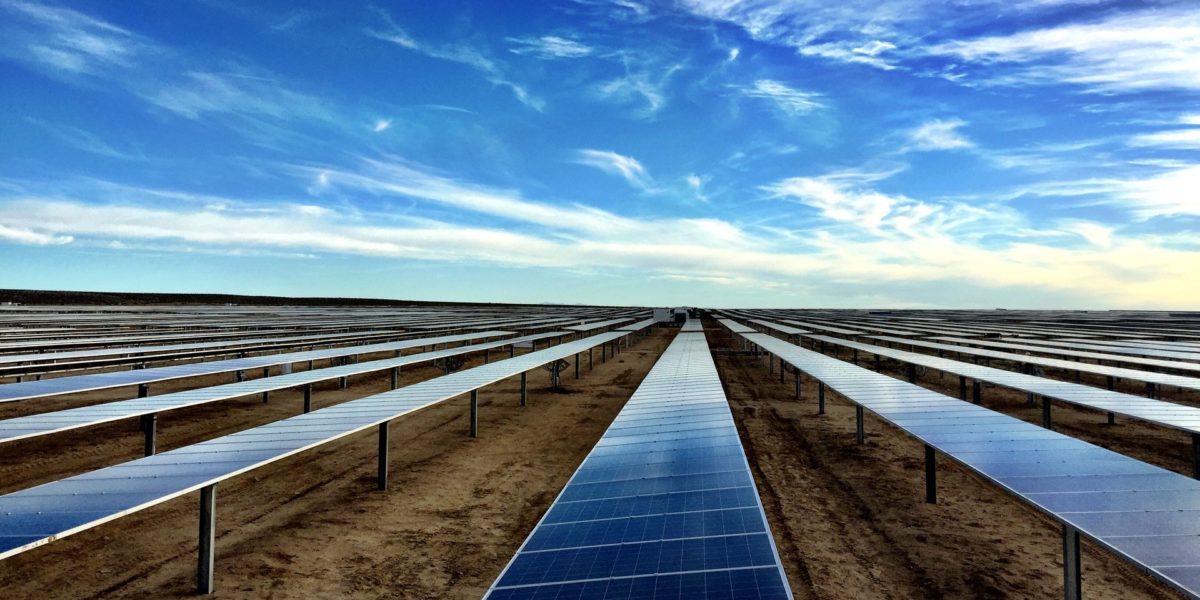
PGCIL to invest $10.7 billion in transmission

By Industrial Info Resources


Substation Relay Protection Training

Our customized live online or in‑person group training can be delivered to your staff at your location.

  • Live Online
  • 12 hours Instructor-led
  • Group Training Available
Regular Price:
$699
Coupon Price:
$599
Reserve Your Seat Today
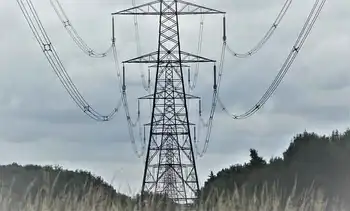
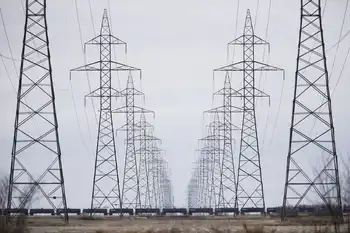
India's primary energy transmission utility, Power Grid Corporation of India (PGCIL), has announced plans to invest $10.7 billion on seven high-capacity transmission corridors.

These transmission links are expected to help draw electricity from the power projects developed by independent power producers in the eastern and southern regions of the country. The proposed corridor network will assist in transmitting the power to the energy-starved western and northern states.

The transmission corridor project will include four high-capacity lines of 765 kilovolts (kV) and one 800-kV link.

Sources have said that the initial tendering formalities and detailed project report preparation are in progress. On commencing operations, long-term power access of about 55,000 megawatts (MW) is expected to be facilitated through the network. The transmission corridor proposes to link private coal-fired power projects in Chattisgarh, Orissa and Jharkhand, as well as power plants using imported coal in Tamil Nadu and Andhra Pradesh.

According to government estimates, PGCIL has reportedly received 222 applications for interstate long-term access, with generating capacity and transfer of nearly 199,000 MW and 159,000 MW, respectively, in the next three to four years. Of these, 94 applications, representing long-term transfer of 55,000 MW, have been approved.

PGCIL's current national and interstate grid transmission capacity is about 20,800 MW. By 2010, this will increase to 37,700 MW. During the ongoing 11th Five-Year Plan period (2007-12), India plans to add 78,577 MW of generating capacity. Independent and private power projects are likely to account for 34% of this new capacity.

PGCIL is among the largest energy-transmission utilities in the world. The company operates 71,500 circuit-kilometers of energy transmission network, accounting for 45% of the power transfer in the country. In 2008-09, PGCIL's revenue of $1.43 billion generated a profit of $362.4 million.

In a related development, PGCIL is expected to announce its follow-on public offer in early 2010. Company officials have confirmed that this will be a fresh issue and will consist of further disinvestment of the government's stake in PGCIL. PGCIL is expected to offer 15% equity to generate about $642.9 million. Two domestic bonds of $428.6 million each are also expected to be issued. In September 2007, the government offloaded 382 million shares to disinvest a 5% stake in PGCIL.

New power projects and the expansion of transmission links are critical to meet India's surging energy demand. In 2009-10, the country's peak power deficit is expected to reach 12.6%, compared to 11.9% during the previous fiscal year.

Related News

Massive power line will send Canadian hydropower to New York

Twin States Clean Energy Link connects New England to Hydro-Quebec via a 1,200 MW transmission line, DOE-backed capacity, underground segments, existing corridors, boosting renewable energy reliability across Vermont and New Hampshire with cross-border grid flexibility.


Key Points

DOE-backed 1,200 MW line linking Hydro-Quebec to New England, adding clean capacity with underground routes.

✅ 1,200 MW cross-border capacity for the New England grid

✅ Uses existing corridors; underground in VT and northern NH

✅ DOE capacity contract lowers risk and spurs investment


A proposal to build a new transmission line to connect New England with Canadian hydropower is one step closer to reality.

The U.S. Department of Energy announced Monday that it has selected the Twin States Clean Energy Link as one of three transmission projects that will be part of its $1.3 billion cross-border transmission initiative to add capacity to the grid.

WBUR is a nonprofit news organization. Our coverage relies on your financial support. If you value articles like the one you're reading right now, give today.

Twin States is a proposal from National Grid, a utility company that serves Massachusetts, New York, and Rhode Island, and also owns transmission in England and Wales as the region advances projects like the Scotland-to-England subsea link that expand renewable flows, and the non-profit Citizens Energy Corporation.

The transmission line would connect New England with power from Hydro-Quebec, moving into the United States from Canada in Northern Vermont and crossing into New Hampshire near Dalton. It would run through parts of Grafton, Merrimack, and Hillsborough counties, routing through a substation in Dunbarton and ending at a proposed new substation in Londonderry. (Here's a map of the Twin States proposal.)

The federal funding will allow the U.S. Department of Energy to purchase capacity on the planned transmission line, which officials say reduces the risk for other investors and can help encourage others to purchase capacity.

The project has gotten support from local officials in Vermont and New Hampshire, but there are still hurdles to cross. The contract negotiation process is beginning, National Grid said, and the proposal still needs approvals from regulators before construction could begin.

First Nations communities in Canada have opposed transmission lines connecting Hydro-Quebec with New England in the past, and the company has faced scrutiny from environmental groups.

What would Twin States look like?
Transmission projects, like the failed Northern Pass proposal, have been controversial in New England, though the Great Northern Transmission Line progressed in Minnesota.

But Reihaneh Irani-Famili, vice president of capital delivery, project management and construction at National Grid, said this one is different because the developers listened to community concerns before planning the project.

“They did not want new corridors of infrastructure, so we made sure that we're using existing right of way,” she said. “They did not want the visual impact and some of the newer corridors of infrastructure, we're making sure we're undergrounding portions of the line.”

In Vermont and northern New Hampshire, the transmission lines would be buried underground along state roads. South of Littleton, they would be located within existing transmission corridors.

The developers say the lines could provide 1,200 megawatts of transmission capacity. The project would have the ability to carry electricity from hydro facilities in Quebec to New England, and would also be able to bring electricity from New England into Quebec, a step toward broader macrogrid connectivity across regions.

“Those hydro dams become giant green batteries for the region, and they hold that water until we need the electrons,” Irani-Famili said. “So if you think about our energy system not as one that sees borders, but one that sees resources, this is connecting the Quebec resources to the New England resources and helping all of us get into that cleaner energy future with a lot less build than we otherwise would have.”

Irani-Famili says the transmission line could help facilitate more clean energy resources like offshore wind coming online. In a report released last week by New Hampshire’s Department of Energy, authors said importing Canadian hydropower could be one of the most cost-effective ways to move away from fossil fuels on the electric grid.

National Grid estimates the project will help save energy customers $8.3 billion in its first 12 years. The developers are constructing a $260 million “community benefits plan” that would take some profits from the transmission line and give that money back to communities that host the transmission lines and environmental justice communities in New England.


Related News

View more

Europe's EV Slump Sounds Alarm for Climate Goals

Europe EV Sales Slowdown signals waning incentives, economic uncertainty, and supply chain constraints, threatening climate targets and net-zero emissions goals while highlighting the need for charging infrastructure, affordable batteries, and policy support across key markets.


Key Points

Europe's early-2024 EV registrations fell as incentives waned and supply gaps persisted, putting climate targets at risk.

✅ Fewer subsidies and tax breaks cut EV affordability

✅ Inflation and recession fears dampen car purchases

✅ Supply-chain and lithium constraints limit availability


A recent slowdown in Europe's electric vehicle (EV) sales raises serious concerns about the region's ability to achieve its ambitious climate targets.  After years of steady growth, new EV registrations declined in key markets like Norway, Germany, and the U.K. in early 2024. Experts are warning that this slump jeopardizes the transition away from fossil fuels and could undermine Europe's commitment to a net-zero emissions future.


Factors Behind the Decline

Several factors are contributing to the slowdown in EV sales:

  • Reduced Incentives: Many European countries have scaled back generous subsidies and tax breaks for EV purchases. While these incentives played a crucial role in driving early adoption, their reduction has made EVs less financially attractive for some consumers, with many U.K. buyers citing higher prices even after discounts.
  • End of ICE Ban Support: Public support for phasing out gasoline and diesel-powered cars by 2035, a key European Union policy, appears to be waning in some areas. Without robust support for this measure, consumers may be less inclined to embrace the transition to electric vehicles.
  • Economic Uncertainty: Rising inflation and fears of a recession in Europe have made consumers hesitant to invest in big-ticket purchases like new cars, regardless of fuel type. This economic uncertainty is impacting both electric and conventional vehicle sales.
  • Supply Chain Constraints: Ongoing supply chain disruptions and shortages of raw materials like lithium continue to impact the availability of affordable electric vehicles. This means potential buyers face long wait times or inflated prices even when they're ready to embrace EVs.


Consequences for Europe's Green Agenda

The decline in EV sales threatens Europe's plans to reduce carbon emissions and become the first climate-neutral continent by 2050, aligning with a broader push for electricity to address the climate dilemma across Europe. The transportation sector is a major contributor to greenhouse gas emissions, and the rapid electrification of vehicles is a pillar of Europe's decarbonization strategy.

The current slump highlights the need for continued policy support for the EV market, as EVs still trail gas models in many markets today, to ensure long-term growth and affordability for consumers. Without action, experts fear that Europe may find itself locked into a dependence on fossil fuels for decades to come, making its climate targets unreachable.


A Global Concern

Europe is a leader in electric vehicle policies and technology, during a period when global EV sales climbed markedly. The recent slowdown, however, sends a worrying signal to other regions around the world aiming to accelerate their transition to electric vehicles, including the U.S. market's Q1 dip as a cautionary example. It underscores the importance of sustained government support, investment in charging infrastructure and overcoming supply chain challenges to secure a future of widespread electric vehicle use, with many forecasts suggesting mass adoption within a decade if support continues.


Related News

View more

Fuel Cell Electric Buses Coming to Mississauga

Mississauga Fuel Cell Electric Buses advance zero-emission public transit, leveraging hydrogen fuel cells, green hydrogen supply, rapid refueling, and extended range to cut GHGs, improve air quality, and modernize sustainable urban mobility.


Key Points

Hydrogen fuel cell buses power electric drivetrains for zero-emission service, long range, and quick refueling.

✅ Zero tailpipe emissions improve urban air quality

✅ Longer route range than battery-electric buses

✅ Hydrogen fueling is rapid, enabling high uptime


Mississauga, Ontario, is gearing up for a significant shift in its public transportation landscape with the introduction of fuel cell electric buses (FCEBs). This initiative marks a pivotal step toward reducing greenhouse gas emissions and enhancing the sustainability of public transport in the region. The city, known for its vibrant urban environment and bustling economy, is making strides to ensure that its transit system evolves in harmony with environmental goals.

The recent announcement highlights the commitment of Mississauga to embrace clean energy solutions. The integration of FCEBs is part of a broader strategy to modernize the transit fleet while tackling climate change. As cities around the world seek to reduce their carbon footprints, Mississauga’s initiative aligns with global trends toward greener urban transport, where projects like the TTC battery-electric buses demonstrate practical pathways.

What are Fuel Cell Electric Buses?

Fuel cell electric buses utilize hydrogen fuel cells to generate electricity, which powers the vehicle's electric motor. Unlike traditional buses that run on diesel or gasoline, FCEBs produce zero tailpipe emissions, making them an environmentally friendly alternative. The only byproducts of their operation are water and heat, significantly reducing air pollution in urban areas.

The technology behind FCEBs is becoming increasingly viable as hydrogen production becomes more sustainable. With the advancement of green hydrogen production methods, which use renewable energy sources to create hydrogen, and because some electricity in Canada still comes from fossil fuels, the environmental benefits of fuel cell technology are further amplified. Mississauga’s investment in these buses is not only a commitment to cleaner air but also a boost for innovative technology in the transportation sector.

Benefits for Mississauga

The introduction of FCEBs is poised to offer numerous benefits to the residents of Mississauga. Firstly, the reduction in greenhouse gas emissions aligns with the city’s climate action goals and complements Canada’s EV goals at the national level. By investing in cleaner public transit options, Mississauga is taking significant steps to improve air quality and combat climate change.

Moreover, FCEBs are known for their efficiency and longer range compared to battery electric buses, such as the Metro Vancouver fleet now operating across the region, commonly used in Canadian cities. This means they can operate longer routes without the need for frequent recharging, making them ideal for busy transit systems. The use of hydrogen fuel can also result in shorter fueling times compared to electric charging, enhancing operational efficiency.

In addition to environmental and operational advantages, the introduction of these buses presents economic opportunities. The deployment of FCEBs can create jobs in the local economy, from maintenance to hydrogen production facilities, similar to how St. Albert’s electric buses supported local capabilities. This aligns with broader trends of sustainable economic development that prioritize green jobs.

Challenges Ahead

While the potential benefits of FCEBs are clear, the transition to this technology is not without its challenges. One of the main hurdles is the establishment of a robust hydrogen infrastructure. To support the operation of fuel cell buses, Mississauga will need to invest in hydrogen production, storage, and fueling stations, much as Edmonton’s first electric bus required dedicated charging infrastructure. Collaboration with regional and provincial partners will be crucial to develop this infrastructure effectively.

Additionally, public acceptance and awareness of hydrogen technology will be essential. As with any new technology, there may be skepticism regarding safety and efficiency. Educational campaigns will be necessary to inform the public about the advantages of FCEBs and how they contribute to a more sustainable future, and recent TTC’s battery-electric rollout offers a useful reference for outreach efforts.

Looking Forward

As Mississauga embarks on this innovative journey, the introduction of fuel cell electric buses signifies a forward-thinking approach to public transportation. The city’s commitment to sustainability not only enhances its transit system but also sets a precedent for other municipalities to follow.

In conclusion, the shift towards fuel cell electric buses in Mississauga exemplifies a significant leap toward greener public transport. With ongoing efforts to tackle climate change and improve urban air quality, Mississauga is positioning itself as a leader in sustainable transit solutions. The future looks promising for both the city and its residents as they embrace cleaner, more efficient transportation options. As this initiative unfolds, it will be closely watched by other cities looking to implement similar sustainable practices in their own transit systems.


Related News

View more

Nuclear plants produce over half of Illinois electricity, almost faced retirement

Illinois Zero Emission Credits support nuclear plants via tradable credits tied to wholesale electricity prices, carbon costs, created by the Future Energy Jobs Bill to avert Exelon closures and sustain low-carbon power.


Key Points

State credits that value nuclear power's zero-carbon output, priced by market and carbon metrics to keep plants running.

✅ Pegged to wholesale prices, carbon costs, and state averages.

✅ Created by Future Energy Jobs Bill to prevent plant retirements.

✅ Supports Exelon Quad Cities and Clinton nuclear facilities.


Nuclear plants have produced over half of Illinois electricity generation since 2010, but the states two largest plants would have been retired amid the debate over saving nuclear plants if the state had not created a zero emission credit (ZEC) mechanism to support the facilities.

The two plants, Quad Cities and Clinton, collectively delivered more than 12 percent of the states electricity generation over the past several years. In May 2016, however, Exelon, the owner of the plants, announced that they had together lost over $800 million dollars over the previous six years and revealed plans to retire them in 2017 and 2018, similar to the Three Mile Island closure later announced for 2019 by its owner.

In December 2016, Illinois passed the Future Energy Jobs Bill, which established a zero emission credit (ZEC) mechanism

to support the plants financially. Exelon then cancelled its plans to retire the two facilities.

The ZEC is a tradable credit that represents the environmental attributes of one megawatt-hour of energy produced from the states nuclear plants. Its price is based on a number of factors that include wholesale electricity market prices, nuclear generation costs, state average market prices, and estimated costs of the long-term effects of carbon dioxide emissions.

The bill is set to take effect in June, but faces multiple court challenges as some utilities have expressed concerns that the ZEC violates the commerce clause and affects federal authority to regulate wholesale energy prices, amid gas-fired competition in nearby markets that shapes the revenue outlook.

Illinois ranks first in the United States for both generating capacity and net electricity generation from nuclear power, a resource many see as essential for net-zero emissions goals, and accounts for approximately one-eighth of the nuclear power generation in the nation.


Related News

View more

Metering Pilot projects may be good example for Ontario utilities

Ontario Electricity Pricing Pilot Projects explore alternative rates beyond time-of-use, with LDCs and the Ontario Energy Board testing dynamic pricing, demand management, smart-meter billing, and residential customer choice to enhance service and energy efficiency.


Key Points

Ontario LDC trials testing alternatives to time-of-use rates to improve billing, demand response, and efficiency.

✅ Data shared across LDCs and Ontario Energy Board provincewide

✅ Tests dynamic pricing, peak/off-peak plans, demand management

✅ Insights to enhance customer choice, bills, and energy savings


The results from three electricity pilot projects being offered in southern Ontario will be valuable to utility companies across the province.

Ontario Energy Minister Glenn Thibeault was in Barrie on Tuesday to announce the pilot projects, which will explore alternative pricing plans for electricity customers from three different utility companies, informed by the electricity cost allocation framework guiding rate design.

"Everyone in the industry is watching to see how the pilots deliver.", said Wendy Watson, director of communications for Greater Sudbury Utilities.

"The data will be shared will all the LDCs [local distribution companies] in the province, and probably beyond...because the industry tends to share that kind of information."

Most electricity customers in the province are billed using time-of-use rates, including options like the ultra-low overnight rates that lower costs during off-peak periods, where the cost of electricity varies depending on demand.

The Ontario Energy Board said in a media release that the projects will give residential customers more choice in how much they pay for electricity at different times, reflecting changes for Ontario electricity consumers that expand plan options.

Pilot projects can help improve service

Watson says these kinds of projects give LDCs the chance to experiment and explore new ways of delivering their service, including demand-response initiatives like the Peak Perks program that encourage conservation.

"Any pilot project is a great way to see if in practice if the theory proves out, so I think it's great that the province is supporting these LDCs," she says.

GSU recently completed its own pilot project, the Home Energy Assessment and Retrofit (HEAR) program, which focused on customers who use electric baseboards to heat their homes, amid broader provincial support for electric bills to ease costs."We installed some measures, like programmable thermostats and a few other pieces of equipment into their house," Watson says. "We also made some recommendations about other things that they could do to make their homes more energy efficient."

At the end of the program, GSU provided customers with a report so that they could the see the overall impact on their energy consumption.

Watson says a report on the results of the HEAR program will be released in the near future, for other LDCs interested in new ways to improve their service.

"We think it's incumbent on every LDC...to see what ideas that they can come up with and get approved so they can best serve their customers."


Related News

View more

BC Hydro Expects To See Electricity Usage Rise This Holiday Season

BC Hydro Holiday Electricity Usage is set to rise as energy demand increases during peak 4-10 pm on Christmas and Boxing Day, driven by larger gatherings, more cooking, and eased COVID-19 restrictions province-wide.


Key Points

Expected rise in power demand on Christmas and Boxing Day evenings versus 2020, driven by larger gatherings and cooking.

✅ Peak hours 4-10 pm expected to rise in provincial load.

✅ 2020 saw 4% and 7% drops vs 2019 on Christmas and Boxing Day.

✅ Holiday lighting adds ~3% to use; switching to LED can save ~$40.


BC Hydro data showed residential electricity load in the Cariboo and throughout the province, even as drought affects generation dynamics heading into winter, dropped on Christmas Day and Boxing Day in 2020.

Northern Community Relations Manager, Bob Gammer, said the decrease was due in part to more people following the COVID-19 restrictions and not getting together for big meals, even though 2018 Earth Hour usage increased elsewhere illustrates how behavior can sometimes raise demand.

However, this year Gammer said between 4 and 10 pm on those two days, BC Hydro does expect to see a change in overall usage, aligning with all-time high demand trends reported recently in B.C.

“On Christmas Day and Boxing Day, we expect to see increases through those hours and a little bit more so between 4 and 10 pm we should see the amount of power being consumed across the province, as record-breaking 2021 demand indicated earlier, going up compared to what it was on those two days last year.”

In 2020 on Christmas Day evening hydro usage dropped by over 4 percent and Boxing Day evening decreased by 7 percent compared to 2019, whereas regions like Calgary's winter demand have seen spikes during extreme cold.

Gammer added after BC Hydro surveyed their customers and introduced a winter payment plan, they expect to see a lot more cooking happening on Christmas Day and Boxing Day this year as people are intending to have larger gatherings and visit friends.

We asked Gammer about hydro usage when it comes to homes decked out for the holidays, and how that compares to newer loads like crypto mining activity in B.C.

“The Christmas lighting displays people have, not just indoors but outdoors as well, what we’re seeing is about a 3 percent increase in electricity consumption overall through the Christmas season. If people switch, if you still have older lights that are incandescent, switch those over to LED, and through the season it could wind up saving you $40 in electricity just switching over about 8 strings of lights to LED.”


Related News

View more

Sign Up for Electricity Forum’s Newsletter

Stay informed with our FREE Newsletter — get the latest news, breakthrough technologies, and expert insights, delivered straight to your inbox.

Electricity Today T&D Magazine Subscribe for FREE

Stay informed with the latest T&D policies and technologies.
  • Timely insights from industry experts
  • Practical solutions T&D engineers
  • Free access to every issue

Download the 2025 Electrical Training Catalog

Explore 50+ live, expert-led electrical training courses –

  • Interactive
  • Flexible
  • CEU-cerified