Powerex Takes No Blame For California Market

By BC Hydro


Arc Flash Training CSA Z462 - Electrical Safety Essentials

Our customized live online or in‑person group training can be delivered to your staff at your location.
  • Live Online
  • 6 hours Instructor-led
  • Group Training Available
Regular Price:
$249
Coupon Price:
$199
Reserve Your Seat Today
Powerex, the power marketing subsidiary for BC Hydro, made public its contention that the allegations made by California parties are based on the political agenda of the California Governor, not the realities of the California energy crisis.

Formal rebuttal evidence by Powerex will be filed on March 20, 2003 with the U.S. Federal Energy Regulatory Commission (FERC).

"We refuse to be a scapegoat for the California Attorney GeneralÂ’s desperate attempts to blame someone else for their own problem," said PowerexÂ’s Vice-president of Marketing and Trade Policy, Doug Little. "As we stated in our March 3, 2003 filing, CaliforniaÂ’s market design had significant flaws that were unable to cope with the "Perfect Storm" of water shortage, high gas costs and high demand for electricity. That is what caused the problems in 2000/2001, not any wrongdoing by Powerex, and our March 20, 2003 response will once again make that strikingly clear."

The CAISO (California Independent System Operator) and CalPX (California Power Exchange) market monitoring and compliance units, exercising authority delegated by the FERC, reviewed Powerex's actions and made no determinations of impropriety.

Little concluded: "California made a mess of its electricity market, missed many opportunities to take decisive remedial action and is now blaming all other market participants for the results. We are confident that in the final analysis Powerex will be exonerated."

Related News

New Power Grid “Report Card” Reveal Dangerous Vulnerabilities

U.S. Power Grid D+ Rating underscores aging infrastructure, rising outages, cyber threats, EMP and solar flare risks, strained transmission lines, vulnerable transformers, and slow permitting, amplifying reliability concerns and resilience needs across national energy systems.


Key Points

ASCE's D+ grade flags aging infrastructure, rising outages, and cyber, EMP, and weather risks needing investment.

✅ Major outages rising; weather remains top disruption driver.

✅ Aging transformers, transmission lines, limited maintenance.

✅ Cybersecurity gaps via smart grid, EV charging, SCADA.


The U.S. power grid just received its “grade card” from the American Society of Civil Engineers (ASCE) and it barely passed.

The overall rating of our antiquated electrical system was a D+. Major power outages in the United States, including widespread blackouts, have grown from 76 in 2007 to 307 in 2011, according to the latest available statistics. The major outage figures do not take into account all of the smaller outages which routinely occur due to seasonal storms.

The American Society of Civil Engineers power grid grade card rating means the energy infrastructure is in “poor to fair condition and mostly below standard, with many elements approaching the end of their service life.” It further means a “large portion of the system exhibits significant deterioration” with a “strong risk of failure.”

Such a designation is not reassuring and validates those who purchased solar generators over the past several years.

#google#

The vulnerable state of the power grid gets very little play by mainstream media outlets. Concerns about a solar flare or an electromagnetic pulse (EMP) attack instantly sending us back to an 1800s existence are legitimate, but it may not take such an extreme act to render the power grid a useless tangle of wires. The majority of the United States’ infrastructure and public systems evaluated by the ASCE earned a “D” rating. A “C” ranking (public parks, rail and bridges) was the highest grade earned. It would take a total of $3.6 trillion in investments by 2020 to fix everything, the report card stated. To put that number in perspective, the federal government’s budget for all of 2012 was slightly more, $3.7 trillion.

“America relies on an aging electrical grid and pipeline distribution systems, some of which originated in the 1880s,” the report read. “Investment in power transmission has increased since 2005, but ongoing permitting issues, weather events, including summer blackouts that strain local systems, and limited maintenance have contributed to an increasing number of failures and power interruptions. While demand for electricity has remained level, the availability of energy in the form of electricity, natural gas, and oil will become a greater challenge after 2020 as the population increases. Although about 17,000 miles of additional high-voltage transmission lines and significant oil and gas pipelines are planned over the next five years, permitting and siting issues threaten their completion. The electric grid in the United States consists of a system of interconnected power generation, transmission facilities, and distribution facilities.”


Harness the power of the sun when the power goes out…

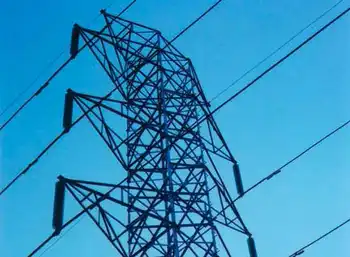
There are approximately 400,000 miles of electrical transmission lines throughout the United States, and thousands of power generating plants dot the landscape. The ASCE report card also stated that new gas-fired and renewable generation issues increase the need to add new transmission lines. Antiquated power grid equipment has reportedly prompted even more “intermittent” power outages in recent years.

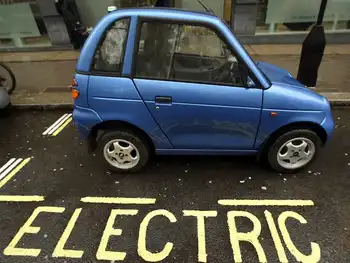
The American Society of Civil Engineers accurately notes that the power grid is more vulnerable to cyber attacks than ever before, including Russian intrusions documented in recent years, and it cites the aging electrical system as the primary culprit. Although the decades-old transformers and other equipment necessary to keep power flowing around America are a major factor in the enhanced vulnerability of the power grid, moving towards a “smart grid” system is not the answer. As previously reported by Off The Grid News, smart grid systems and even electric car charging stations make the power grid more accessible to cyber hackers. During the Hack in the Box Conference in Amsterdam, HP ArcSight Product Manager Ofer Sheaf stated that electric car charging stations are in essence a computer on the street. The roadway fueling stations are linked to the power grid electrical system. If cyber hackers garner access to the power grid via the charging stations, they could stop the flow of power to a specific area or alter energy distribution levels and overload the system.

While a relatively small number of electric car charging stations exist in America now, that soon will change. Ongoing efforts by both federal and state governments to reduce our reliance on fossil fuels have resulted in grants and privately funded vehicle charging station projects. New York Governor Andrew Cuomo in April announced plans to build 360 such electrical stations in his state. A total of 3,000 car charging stations are in the works statewide and are slated for completion over the next five years.

SHIELD ActWeather-related events were the primary cause of power outages from 2007 to 2012, according to the infrastructure report card. Power grid reliability issues are emerging as the greatest threat to the electrical system, with rising attacks on substations compounding the risks. The ASCE grade card also notes that retiring and rotating in “new energy sources” is a “complex” process. Like most items we routinely purchase in our daily lives, many of the components needed to make the power grid functional are not manufactured in the United States.

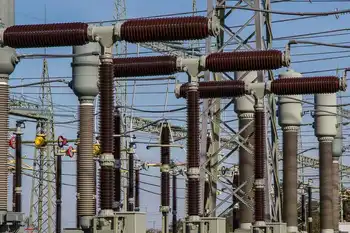
The SHIELD Act is the first real piece of federal legislation in years drafted to address power grid vulnerabilities. While the single bill will not fix all of the electrical system issues, it is a big step in the right direction – if it ever makes it out of committee. Replacing aging transformers, encasing them in a high-tech version of a Faraday cage, and stockpiling extra units so instant repairs are possible would help preserve one of the nation’s most critical and life-saving pieces of infrastructure after a weather-related incident or man-made disaster.

“Geomagnetic storm environments can develop instantaneously over large geographic footprints,” solar geomagnetic researcher John Kappenman said about the fragile state of the power grid. He was quoted in an Oak Ridge National Laboratory report. “They have the ability to essentially blanket the continent with an intense threat environment and … produce significant collateral damage to critical infrastructures. In contrast to well-conceived design standards that have been successfully applied for more conventional threats, no comprehensive design criteria have ever been considered to check the impact of the geomagnetic storm environments. The design actions that have occurred over many decades have greatly escalated the dangers posed by these storm threats for this critical infrastructure.”

The power grid has morphed in size tenfold during the past 50 years. While solar flares, cyber attacks, and an EMP are perhaps the most extensive and frightening threats to the electrical system, the infrastructure could just as easily fail in large portions due to weather-related events exacerbated by climate change across regions. The power grid is basically a ticking time bomb which will spawn civil unrest, lack of food, clean water, and a multitude of fires if it does go down.


Related News

View more

Alberta Faces Challenges with Solar Energy Expansion

Alberta Solar Energy Expansion confronts high installation costs, grid integration and storage needs, and environmental impact, while incentives, infrastructure upgrades, and renewable targets aim to balance reliability, land use, and emissions reductions provincewide.


Key Points

Alberta Solar Energy Expansion is growth in solar tempered by costs, grid limits, environmental impact, and incentives.

✅ High capex and financing challenge utility-scale projects

✅ Grid integration needs storage, transmission, and flexibility

✅ Site selection must mitigate land and wildlife impacts


Alberta's push towards expanding solar power is encountering significant financial and environmental hurdles. The province's ambitious plans to boost solar power generation have been met with both enthusiasm and skepticism as stakeholders grapple with the complexities of integrating large-scale solar projects into the existing energy framework.

The Alberta government has been actively promoting solar energy as part of its strategy to diversify the energy mix in a province that is a powerhouse for both green energy and fossil fuels today and reduce greenhouse gas emissions. Recent developments have highlighted the potential of solar power to contribute to Alberta's clean energy goals. However, the path forward is fraught with challenges related to costs, environmental impact, and infrastructure needs.

One of the primary issues facing the solar energy sector in Alberta is the high cost of solar installations. Despite decreasing costs for solar technology in recent years, the upfront investment required for large-scale solar farms remains substantial, even as some facilities have been contracted at lower cost than natural gas in Alberta today. This financial barrier has led to concerns about the economic viability of solar projects and their ability to compete with other forms of energy, such as natural gas and oil, which have traditionally dominated Alberta's energy landscape.

Additionally, there are environmental concerns associated with the development of solar farms. While solar energy is considered a clean and renewable resource, the construction of large solar installations can have environmental implications. These include potential impacts on local wildlife habitats, land use changes, where approaches like agrivoltaics can co-locate farming and solar, and the ecological effects of large-scale land clearing. As solar projects expand, balancing the benefits of renewable energy with the need to protect natural ecosystems becomes increasingly important.

Another significant challenge is the integration of solar power into Alberta's existing energy grid. Solar energy production is variable and dependent on weather conditions, especially with Alberta's limited hydro capacity for flexibility, which can create difficulties in maintaining a stable and reliable energy supply. The need for infrastructure upgrades and energy storage solutions is crucial to address these challenges and ensure that solar power can be effectively utilized alongside other energy sources.

Despite these challenges, the Alberta government remains committed to advancing solar energy as a key component of its renewable energy strategy. Recent initiatives include financial incentives and support programs aimed at encouraging investment in solar projects and supporting a renewable energy surge that could power thousands of jobs across Alberta today. These measures are designed to help offset the high costs associated with solar installations and make the technology more accessible to businesses and homeowners alike.

Local communities and businesses are also playing a role in the growth of solar energy in Alberta. Many are exploring opportunities to invest in solar power as a means of reducing energy costs and supporting sustainability efforts and, increasingly, to sell renewable energy into the market as demand grows. These smaller-scale projects contribute to the overall expansion of solar energy and demonstrate the potential for widespread adoption across the province.

The Alberta government has also been working to address the environmental concerns associated with solar energy development. Efforts are underway to implement best practices for minimizing environmental impacts and ensuring that solar projects are developed in an environmentally responsible manner. This includes conducting environmental assessments and working with stakeholders to address potential issues before projects are approved and built.

In summary, while Alberta's solar energy initiatives hold promise for advancing the province's clean energy goals, they are also met with significant financial and environmental challenges. Addressing these issues will be crucial to the successful expansion of solar power in Alberta. The government's ongoing efforts to support solar projects through incentives and infrastructure improvements, coupled with responsible environmental practices, will play a key role in determining the future of solar energy in the province.


Related News

View more

Electrifying: New cement makes concrete generate electricity

Cement-Based Conductive Composite transforms concrete into power by energy harvesting via triboelectric nanogenerator action, carbon fibers, and built-in capacitors, enabling net-zero buildings and self-sensing structural health monitoring from footsteps, wind, rain, and waves.


Key Points

A carbon fiber cement that harvests and stores energy as electricity, enabling net-zero, self-sensing concrete.

✅ Uses carbon fibers to create a conductive concrete matrix

✅ Acts as a triboelectric nanogenerator and capacitor

✅ Enables net-zero, self-sensing structural health monitoring


Engineers from South Korea have invented a cement-based composite that can be used in concrete to make structures that generate and store electricity through exposure to external mechanical energy sources like footsteps, wind, rain and waves, and even self-powering roads concepts.

By turning structures into power sources, the cement will crack the problem of the built environment consuming 40% of the world’s energy, complementing vehicle-to-building energy strategies across the sector, they believe.

Building users need not worry about getting electrocuted. Tests showed that a 1% volume of conductive carbon fibres in a cement mixture was enough to give the cement the desired electrical properties without compromising structural performance, complementing grid-scale vanadium flow batteries in the broader storage landscape, and the current generated was far lower than the maximum allowable level for the human body.

Researchers in mechanical and civil engineering from from Incheon National University, Kyung Hee University and Korea University developed a cement-based conductive composite (CBC) with carbon fibres that can also act as a triboelectric nanogenerator (TENG), a type of mechanical energy harvester.

They designed a lab-scale structure and a CBC-based capacitor using the developed material to test its energy harvesting and storage capabilities, similar in ambition to gravity storage approaches being scaled.

“We wanted to develop a structural energy material that could be used to build net-zero energy structures that use and produce their own electricity,” said Seung-Jung Lee, a professor in Incheon National University’s Department of Civil and Environmental Engineering, noting parallels with low-income housing microgrids in urban settings.

“Since cement is an indispensable construction material, we decided to use it with conductive fillers as the core conductive element for our CBC-TENG system,” he added.

The results of their research were published this month in the journal Nano Energy.

Apart from energy storage and harvesting, the material could also be used to design self-sensing systems that monitor the structural health and predict the remaining service life of concrete structures without any external power, which is valuable in industrial settings where hydrogen-powered port equipment is being deployed.

“Our ultimate goal was to develop materials that made the lives of people better and did not need any extra energy to save the planet. And we expect that the findings from this study can be used to expand the applicability of CBC as an all-in-one energy material for net-zero energy structures,” said Prof. Lee, pointing to emerging circular battery recycling pathways for net-zero supply chains.

Publicising the research, Incheon National University quipped: “Seems like a jolting start to a brighter and greener tomorrow!”


Related News

View more

Hydro One extends ban on electricity disconnections until further notice

Hydro One Disconnection Ban Extension keeps Ontario electricity customers connected during COVID-19, extending the moratorium on power shutoffs and expanding financial relief programs amid ongoing pandemic restrictions and persistent hot weather across the province.


Key Points

An open-ended Ontario utility moratorium preventing residential power shutoffs and offering bill relief during COVID-19.

✅ No residential disconnections until further notice

✅ Extended bill assistance and flexible payment options

✅ Response to COVID-19 restrictions and extreme heat


Ontario's primary electricity provider says it's extending a ban on disconnecting homes from the power grid until further notice.

Hydro One first issued the ban towards the beginning of the province's COVID-19 outbreak, saying self-isolating customers needed to be able to rely on electricity while they were kept at home during the pandemic.

A spokesman for the utility says the ban was initially set to expire at the end of July, but has now been extended in a manner similar to winter disconnection bans without a fixed end-date.

Hydro One says the move is necessary given the ongoing restrictions posed by the pandemic, and notes it has supported provincial COVID-19 efforts in recent months, as well as persistent hot weather across much of the province.

It says it's also planning to extend a financial relief program to help customers struggling to pay their hydro bills, reflecting demand for more choice and flexibility among ratepayers.

The province also extended off-peak electricity rates to provide relief for families, small businesses and farms during this period.


Related News

View more

"Everything Electric" Returns to Vancouver

Everything Electric Vancouver spotlights EV innovation, electric vehicles, charging infrastructure, battery technology, autonomous driving, and sustainability, with test drives, consumer education, and incentives accelerating mainstream adoption and shaping the future of clean transportation.


Key Points

Everything Electric Vancouver is a premier EV expo for vehicles, charging tech, and clean mobility solutions.

✅ New EV models: better range, battery tech, autonomous features

✅ Focus on charging networks: ultra-fast and home solutions

✅ Consumer education: test drives, incentives, ownership costs


Vancouver has once again become the epicenter of electric vehicle (EV) innovation with the return of the "Everything Electric" event. This prominent showcase, as reported by Driving.ca, highlights the accelerating shift towards electric mobility, echoing momentum seen at the Quebec Electric Vehicle Show and the growing role of EVs in shaping the future of transportation. The event, held at the Vancouver Convention Centre, provided a comprehensive look at the latest advancements in electric vehicles, infrastructure, and technologies, drawing attention from industry experts, enthusiasts, and consumers alike.

A Showcase of Electric Mobility

"Everything Electric" has established itself as a key platform for unveiling new electric vehicles and technologies. This year’s event was no exception, featuring a diverse range of electric vehicles from leading manufacturers. Attendees had the opportunity to explore a wide array of models, from sleek sports cars and luxury sedans to practical SUVs and compact city cars. The showcase underscored the significant progress in EV design, performance, and affordability, reflecting a broader trend towards mainstream adoption of electric mobility.

One of the highlights of this year’s event was the unveiling of several cutting-edge electric models. Automakers used the platform to debut their latest innovations, including enhanced battery technologies, improved range capabilities, and advanced autonomous driving features. This not only demonstrated the rapid evolution of electric vehicles but also underscored the commitment of the automotive industry to addressing environmental concerns and meeting consumer demands for sustainable transportation solutions.

Expanding Charging Infrastructure

Beyond showcasing vehicles, "Everything Electric" also emphasized the critical role of charging infrastructure in supporting the growth of electric mobility. The event featured exhibits on the latest developments in charging technology, including ultra-fast chargers, innovative home charging solutions, and corridor networks such as B.C.'s Electric Highway that connect communities. With the increasing number of electric vehicles on the road, expanding and improving charging infrastructure is essential for ensuring convenience and reducing range anxiety among EV owners.

Industry experts and policymakers discussed strategies for accelerating the deployment of charging stations and integrating them into urban planning, while considering the B.C. Hydro bottleneck projections as demand grows. The event highlighted initiatives aimed at expanding public charging networks, particularly in underserved areas, and improving the overall user experience. As electric vehicles become more prevalent, the development of a robust and accessible charging infrastructure will be crucial for supporting their widespread adoption.

Driving Innovation and Sustainability

"Everything Electric" also served as a platform for discussions on the broader impact of electric vehicles on sustainability and innovation. Panels and presentations explored topics such as the environmental benefits of reducing greenhouse gas emissions, the role of renewable energy in powering EVs, insights from the evolution of U.S. EV charging infrastructure, and advancements in battery recycling and second-life applications. The event underscored the interconnected nature of electric mobility and sustainability, highlighting how innovations in one area can drive progress in others.

The emphasis on sustainability was evident throughout the event, with many exhibitors showcasing eco-friendly technologies and practices. From energy-efficient manufacturing processes to sustainable materials used in vehicle interiors, the event highlighted the automotive industry's efforts to reduce its environmental footprint and contribute to a more sustainable future.

Consumer Engagement and Education

A key aspect of "Everything Electric" was its focus on consumer engagement and education. The event offered test drives and interactive demonstrations, mirroring interest at the Regina EV event as well, allowing attendees to experience firsthand the benefits and performance of electric vehicles. This hands-on approach helped demystify electric mobility for many consumers and provided valuable insights into the practical aspects of owning and operating an EV.

In addition to vehicle demonstrations, the event featured workshops and informational sessions on topics such as EV financing, government incentives, and the benefits of transitioning to electric vehicles, reflecting how EVs in southern Alberta are a growing topic today. These educational opportunities were designed to empower consumers with the knowledge they need to make informed decisions about adopting electric mobility.

Looking Ahead

The successful return of "Everything Electric" to Vancouver highlights the growing importance of electric vehicles in the automotive landscape. As the event demonstrated, the electric vehicle market is rapidly evolving, with new technologies and innovations driving progress towards a more sustainable future. The increased focus on charging infrastructure, sustainability, and consumer education reflects a comprehensive approach to supporting the transition to electric mobility, exemplified by B.C.'s charging expansion across the province.

As Canada continues to advance its climate goals and promote sustainable transportation, events like "Everything Electric" play a crucial role in showcasing the possibilities and driving forward the adoption of electric vehicles. With ongoing advancements and increased consumer interest, the future of electric mobility in Vancouver and beyond looks increasingly promising.


Related News

View more

Are Net-Zero Energy Buildings Really Coming Soon to Mass?

Massachusetts Energy Code Updates align DOER regulations with BBRS standards, advancing Stretch Code and Specialized Code beyond the Base Energy Code to accelerate net-zero construction, electrification, and high-efficiency building performance across municipal opt-in communities.


Key Points

They are DOER-led changes to Base, Stretch, and Specialized Codes to drive net-zero, electrified, efficient buildings.

✅ Updates apply Base, Stretch, or opt-in Specialized Code.

✅ Targets net-zero by 2050 with electrification-first design.

✅ Municipalities choose code path via City Council or Town Meeting.


Massachusetts will soon see significant updates to the energy codes that govern the construction and alteration of buildings throughout the Commonwealth.

As required by the 2021 climate bill, the Massachusetts Department of Energy Resources (DOER) has recently finalized regulations updating the current Stretch Energy Code, previously promulgated by the state's Board of Building Regulations and Standards (BBRS), and establishing a new Specialized Code geared toward achieving net-zero building energy performance.

The final code has been submitted to the Joint Committee on Telecommunications, Utilities, and Energy for review as required under state law, amid ongoing Connecticut market overhaul discussions that could influence regional dynamics.

Under the new regulations, each municipality must apply one of the following:

Base Energy Code - The current Base Energy Code is being updated by the BBRS as part of its routine updates to the full set of building codes. This base code is the default if a municipality has not opted in to an alternative energy code.

Stretch Code - The updated Stretch Code creates stricter guidelines on energy-efficiency for almost all new constructions and alterations in municipalities that have adopted the previous Stretch Code, paralleling 100% carbon-free target in Minnesota and elsewhere to support building decarbonization. The updated Stretch Code will automatically become the applicable code in any municipality that previously opted-in to the Stretch Code.

Specialized Code - The newly created Specialized Code includes additional requirements above and beyond the Stretch Code, designed to get to ensure that new construction is consistent with a net-zero economy by 2050, similar to Canada's clean electricity regulations that set a 2050 decarbonization pathway. Municipalities must opt-in to adopt the Specialized Code by vote of City Council or Town Meeting.

The new codes are much too detailed to summarize in a blog post. You can read more here. Without going into those details here, it is worth noting a few significant policy implications of the new regulations:

With roughly 90% of Massachusetts municipalities having already adopted the prior version of the Stretch Code, the Commonwealth will effectively soon have a new base code that, even if it does not mandate zero-energy buildings, is nonetheless very aggressive in pushing new construction to be as energy-efficient as possible, as jurisdictions such as Ontario clean electricity regulations continue to reshape the power mix.

Although some concerns have been raised about the cost of compliance, particularly in a period of high inflation, and amid solar demand charge debates in Massachusetts, our understanding is that many developers have indicated that they can work with the new regulations without significant adverse impacts.

Of course, the success of the new codes depends on the success of the Commonwealth's efforts to transition quickly to a zero-carbon electrical grid, supported by initiatives like the state's energy storage solicitation to bolster reliability. If the cost of doing so is higher than expected, there could well be public resistance. If new transmission doesn't get built out sufficiently quickly or other problems occur, such that the power is not available to electrify all new construction, that would be a much more significant problem - for many reasons!

In short, the new regulations unquestionably set the Commonwealth on a course to electrify new construction and squeeze carbon emissions out of new buildings. However, as with the rest of our climate goals, there are a lot of moving pieces, including proposals for a clean electricity standard shaping the power sector that are going to have to come together to make the zero-carbon economy a reality.


Related News

View more

Sign Up for Electricity Forum’s Newsletter

Stay informed with our FREE Newsletter — get the latest news, breakthrough technologies, and expert insights, delivered straight to your inbox.

Electricity Today T&D Magazine Subscribe for FREE

Stay informed with the latest T&D policies and technologies.
  • Timely insights from industry experts
  • Practical solutions T&D engineers
  • Free access to every issue

Live Online & In-person Group Training

Advantages To Instructor-Led Training – Instructor-Led Course, Customized Training, Multiple Locations, Economical, CEU Credits, Course Discounts.

Request For Quotation

Whether you would prefer Live Online or In-Person instruction, our electrical training courses can be tailored to meet your company's specific requirements and delivered to your employees in one location or at various locations.