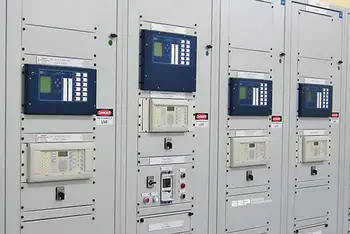
Protective Relay Training - Basic
Our customized live online or in‑person group training can be delivered to your staff at your location.
- Live Online
- 12 hours Instructor-led
- Group Training Available
Regular Price:
$699
Coupon Price:
$599
Opposition to proposed coal-burning plants in west Kansas isn't limited to Kansas.
A Colorado conservation group recently released an analysis that criticized the project.
The proposal would place three 700-megawatt plants near Sunflower Electric Power Corp.'s existing 700-megawatt plant in Holcomb.
Two of the new plants will be owned by Denver-based Tri-State Generation and Transmission, which will sell the electricity to its cooperatives in Colorado. Tri-State also plans to build a 700-megawatt plant in southeastern Colorado.
Western Resource Advocates, a nonprofit conservation organization, said Tri-State's wholesale electric rates will jump at least 64 percent in the next five years to pay for the estimated $5 billion project.
"This is a huge increase for me and other customers to have to swallow for something we don't support," said Chris Calwell, a ratepayer of Durango, Colorado-based La Plata Electric Association.
Western Resources also said that the plants were unnecessary because Tri-State has adequate electric capacity and that relying on coal-fired power was risky because the environmental damage done by the plants may require heavier and costlier regulations in the future.
The group called for investment in renewable energy, citing a report by Raymond Dean, emeritus engineering professor at Kansas University, who said there is enough wind potential in western Kansas to equal the output of the proposed plants.
"Community wind development is the best way to enlist broad participation among the people in western Kansas in the popular development of this enormous natural resource: wind," Dean said.
Tri-State spokesman Jim Van Someren disagreed with the report.
He said the new plants will stabilize energy prices because many times Tri-State must purchase power on the open market when customer demand outstrips capacity.
"That is putting pressure on our rates," Someren said.
As far as the risk of relying on coal, he said the company's board analyzed its options for more than a year before deciding to build the new plants.
"Obviously, Western Resources doesn't support what we are doing. Basically, it comes down to technology. They don't like coal," he said.
In Kansas, environmentalists and religious groups have opposed the plant proposal, saying the reliance on burning coal will add to greenhouse gases that contribute to global warming. The Lawrence City Commission also weighed in against the project because of environmental concerns.
Sunflower, which is seeking the state permit for the plants, has said the project is needed to keep up with demand for electricity, and it will be much cleaner-burning than older plants. Many west Kansas communities and officials have supported the proposal.
The public comment period on the project ends. After that, the Kansas Department of Health and Environment will determine whether to allow the plants to be built.
Related News
Is Ontario's Power Cost-Effective?
Ontario Nuclear Power Costs highlight LCOE, capex, refurbishment outlays, and waste management, compared with renewables,…
View more

Tracking Progress on 100% Clean Energy Targets
100% Clean Energy Targets drive renewable electricity, decarbonization, and cost savings through state policies, CCAs,…
View more
Powering Towards Net Zero: The UK Grid's Transformation Challenge
UK Electricity Grid Investment underpins net zero, reinforcing transmission and distribution networks to integrate wind,…
View more

Europe's Renewables Are Crowding Out Gas as Coal Phase-Out Slows
EU Renewable Energy Shift is cutting gas dependence as wind and solar expand, reshaping Europe's…
View more

Crucial step towards completing nuclear plant achieved in Abu Dhabi
Barakah Unit 4 Cold Hydrostatic Testing validates reactor coolant system integrity at the Barakah Nuclear…
View more
Berlin urged to remove barriers to PV
Germany Solar Cap Removal would accelerate photovoltaics, storage, and renewables, replacing coal and nuclear during…
View more
Sign Up for Electricity Forum’s Newsletter
Stay informed with our FREE Newsletter — get the latest news, breakthrough technologies, and expert insights, delivered straight to your inbox.
Electricity Today T&D Magazine Subscribe for FREE

Stay informed with the latest T&D policies and technologies.
- Timely insights from industry experts
- Practical solutions T&D engineers
- Free access to every issue
