Suncor Energy and EHN wind power project receives regulatory approval

By Suncor Energy Inc.


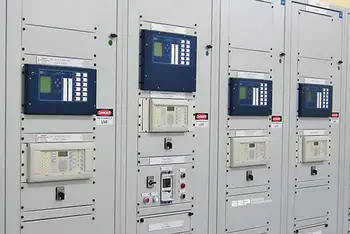
Substation Relay Protection Training

Our customized live online or in‑person group training can be delivered to your staff at your location.
  • Live Online
  • 12 hours Instructor-led
  • Group Training Available
Regular Price:
$699
Coupon Price:
$599
Reserve Your Seat Today
Sept. 5 - Suncor Energy Products Inc., (a subsidiary of Suncor Energy Inc.) and EHN Wind Power Canada Inc. announced today they have received approval from the Alberta Energy and Utilities Board to construct a $48 million, 30-megawatt wind power project. The project, to be located about six kilometres west of Magrath in southern Alberta, is a joint venture between Suncor and EHN.

Construction is expected to begin work in mid-September, with the 20-turbine facility to be online by late 2004. Suncor and EHN plan to sell the power into the provincial electricity grid and the project is expected to generate enough energy to meet the equivalent demands of about 13,000 homes.

"The Magrath project is another major step in our commitment to build a renewable energy business," says Rick George, Suncor president and chief executive officer. "It supports the diversification of Canada's energy sources for the future and empowers consumers to choose renewable energy to meet part of their energy needs."

When completed, the Magrath Wind Power Project would be Suncor's second major investment in wind power. Suncor's other renewable energy initiative is SunBridge, an 11-megawatt wind power project in Saskatchewan that is a 50/50 partnership with Enbridge Inc. Together, the two projects are expected to provide about 115,000 tonnes of carbon dioxide emission reductions annually.

"We are very pleased with the materialization of the Magrath Project," said Alberto de Miguel, EHN's executive director of development. "This is our first experience in Canada and a significant step forward for our future expansion plans."

Suncor Energy Inc. is an integrated energy company headquartered in Calgary, Alberta. Suncor's oil sands business, located near Fort McMurray, Alberta, extracts and upgrades oil sands and markets refinery feedstock and diesel fuel while operations throughout western Canada produce natural gas. Suncor operates a refining and marketing business in Ontario with retail distribution under the Sunoco brand. The company's U.S.A. downstream assets include pipeline and refining operations in Colorado and Wyoming and retail sales in the Denver area under the Phillips 66 brand. As Suncor meets today's energy needs, the company invests in renewable energy for the future. Suncor's common shares (symbol: SU) are listed on the Toronto and New York stock exchanges.

Sunoco in Canada is separate and unrelated to Sunoco in the United States, which is owned by Sunoco, Inc. of Philadelphia.

Corporacion Energia Hidroelectrica de Navarra, S.A. (EHN) of Spain is a group of companies dedicated to the development, construction, operation and ownership of renewable energy projects. EHN Wind Power Canada Inc. is a wholly owned subsidiary of Corporacion EHN S.A. Group EHN has installed over 1,500 MW of renewable energy projects, of these 723 MW are company-owned and 812 developed and constructed for third parties in Spain, France, and Germany, and holds an impressive project development pipeline for the near future.

Related News
Paying for electricity in India: Power theft can't be business as usual

India Power Sector Payment Crisis strains utilities with electricity theft, discom arrears, coal dues, and subsidy burdens, triggering outages, load-shedding, and tariff stress as record heatwave demand tests grid reliability, billing compliance, and infrastructure upgrades.


Key Points

Linked payment shortfalls, theft, and subsidies driving arrears, outages, and planning gaps across Indias power grid.

✅ Discom arrears surpass Rs 1 lakh crore, straining cash flow

✅ Coal India unpaid, fuel risk rises and tariffs face pressure

✅ Outages and load-shedding worsen amid heatwave demand spike


India is among the world leaders in losing money to electricity theft. The country’s power sector also has a peculiar pattern of entities selling without getting the money on time, or nothing at all, while Manitoba Hydro debt highlights similar strains elsewhere. Coal India is owed about Rs 12,300 crore by power generation companies, which themselves have not been paid over Rs 1 lakh crore by distribution companies. The figures of losses suffered by discoms are much higher, even as UK network profits have drawn criticism, underscoring divergent market outcomes. The circuit does get completed somehow, but the uneven transaction, which defies business sense, introduces a disruptive strand that limits the scope for any future planning. Regular and unannounced shutdowns become the norm as the power supply falls short of demand, which this time is expected to touch record highs of 215-220 gigawatts amid the scorching heatwave, and cases like deferred BC Hydro costs illustrate how financial pressures accumulate.

In debt-ridden Punjab, the power subsidy bill is over Rs 10,000 crore, a large portion of which serves farmers. The AAP government plans to provide free electricity up to 300 units for every household from July 1, even as power bill cuts in Thailand show alternative approaches to affordability. The generous giveaways cannot camouflage the state of affairs. Thirty-three government departments had outstanding electricity bills of Rs 62 crore as on March 31, the end of the last financial year. With arrears of Rs 22.48 crore, the biggest defaulter was the Water and Sanitation Department. According to the Punjab State Power Corporation Limited, around 40 police stations and posts have been found to be stealing power or failing to clear the bills, while utility impersonation scams target consumers elsewhere. Customary warnings have been issued of snapping supply if the dues are not paid, even as utility penalties for disconnection delays underscore enforcement challenges, but ‘public interest’ and ‘essential services’ will ensure that such an eventuality does not arise.

The substantial fine imposed on a dera stealing power in Tarn Taran, along with the registration of an FIR, is exemplary action that needs to be carried forward. Change is tough, but a new way of working begins with those in positions of power leading by example, be it fixing the payment mechanism, upgrading infrastructure with smart grid initiatives in mind, minimising the use of electricity or a gradual switch to alternative energy sources.


Related News

View more

American Households Struggle with Sky-High Energy Bills During Extreme Summer Heat

US Summer Energy Bills Crisis is driven by record heatwaves, soaring electricity prices, AC cooling demand, energy poverty risks, and LIHEAP relief, straining low-income households, vulnerable seniors, and budgets amid volatile utilities and peak demand.


Key Points

Rising household energy costs from extreme heat, higher electricity prices, and AC demand, straining vulnerable families.

✅ Record heatwaves drive peak electricity and cooling loads

✅ Tiered rates and volatile markets inflate utility bills

✅ LIHEAP aid and cooling centers offer short-term relief


As the sweltering heat of summer continues to grip much of the United States, American households are grappling with a staggering rise in energy bills. The combination of record-breaking temperatures and rising electricity prices is placing an unprecedented financial strain on families, raising concerns about the long-term impact on household budgets and overall well-being.

Record Heat and Energy Consumption

This summer has witnessed some of the hottest temperatures on record across the country. With many regions experiencing prolonged heatwaves, the demand for air conditioning and cooling systems has surged amid unprecedented electricity demand across parts of the U.S. The increased use of these energy-intensive appliances has led to a sharp rise in electricity consumption, which, combined with elevated energy prices, has pushed household energy bills to new heights.

The situation is particularly dire for households that are already struggling financially. Many families are facing energy bills that are not only higher than usual but are reaching levels that are unsustainable, underscoring electricity struggles for thousands of families across the country. This has prompted concerns about the potential for energy poverty, where individuals are forced to make difficult choices between paying for essential services and covering other necessary expenses.

Impact on Low-Income and Vulnerable Households

Low-income households and vulnerable populations are disproportionately affected by these soaring energy costs. For many, the financial burden of high energy bills is compounded by energy insecurity during the pandemic and other economic pressures, such as rising food prices and stagnant wages. The strain of paying for electricity during extreme heat can lead to tough decisions, including cutting back on other essential needs like healthcare or education.

Moreover, the heat itself poses a serious health risk, particularly for the elderly, children, and individuals with pre-existing health conditions. High temperatures can exacerbate conditions such as cardiovascular and respiratory illnesses, making the need for reliable cooling even more critical. For those struggling to afford adequate cooling, the risk of heat-related illnesses and fatalities increases significantly.

Utilities and Energy Pricing

The sharp rise in energy bills can be attributed to several factors, including higher costs of electricity production and distribution. The ongoing transition to cleaner energy sources, while necessary for long-term environmental sustainability, has introduced short-term volatility in energy markets. Additionally, power-company supply chain crises and increased demand during peak summer months have contributed to higher prices.

Utilities are often criticized for their pricing structures, which can be complex and opaque. Some regions, including areas where California electricity bills soar under scrutiny, use tiered pricing models that charge higher rates as energy consumption increases. This can disproportionately impact households that need to use more energy during extreme heat, further exacerbating financial strain.

Government and Community Response

In response to the crisis, various government and community initiatives are being rolled out to provide relief. Federal and state programs aimed at assisting low-income households with energy costs are being expanded. These programs, such as the Low-Income Home Energy Assistance Program (LIHEAP), offer financial assistance to help with utility bills, but demand often outstrips available resources.

Local community organizations are also stepping in to offer support. Initiatives include distributing fans and portable air conditioners, providing temporary cooling centers, and offering financial assistance to help cover energy costs. These efforts are crucial in helping to mitigate the immediate impact of high energy bills on vulnerable households.

Long-Term Solutions and Sustainability

The current crisis highlights the need for long-term solutions to address both the causes and consequences of high energy costs. Investing in energy efficiency and renewable energy technologies can help reduce the overall demand for electricity and lower long-term costs. Improvements in building insulation, the adoption of energy-efficient appliances, and advancements in smart grid technologies to prevent summer power outages are all essential components of a sustainable energy future.

Furthermore, addressing income inequality and supporting economic stability are critical to ensuring that all households can manage their energy needs without facing financial hardship. Policymakers will need to consider a range of strategies, including financial support programs, regulatory reforms, and infrastructure investments, to create a more equitable and resilient energy system.

Conclusion

As American households endure the double burden of extreme summer heat and skyrocketing energy bills, the need for immediate relief and long-term solutions has never been clearer. The current crisis serves as a reminder of the broader challenges facing the nation’s energy system and the importance of addressing both short-term needs and long-term sustainability. By investing in efficient technologies, supporting vulnerable populations, and developing resilient infrastructure, the U.S. can work towards a future where energy costs are manageable, and everyone has access to the resources they need to stay safe and comfortable.


Related News

View more

Bitcoin consumes 'More electricity than Argentina' - Cambridge

Bitcoin energy consumption is driven by mining electricity demand, with TWh-scale power use, carbon footprint concerns, and Cambridge estimates. Rising prices incentivize more hardware; efficiency gains and renewables adoption shape sustainability outcomes.


Key Points

Bitcoin energy consumption is mining's electricity use, driven by price, device efficiency, and energy mix.

✅ Cambridge tool estimates ~121 TWh annual usage

✅ Rising BTC price incentivizes more mining hardware

✅ Efficiency, renewables, and costs shape footprint


"Mining" for the cryptocurrency is power-hungry, with power curtailments reported during heat waves, involving heavy computer calculations to verify transactions.

Cambridge researchers say it consumes around 121.36 terawatt-hours (TWh) a year - and is unlikely to fall unless the value of the currency slumps, even as Americans use less electricity overall.

Critics say electric-car firm Tesla's decision to invest heavily in Bitcoin undermines its environmental image.

The currency's value hit a record $48,000 (£34,820) this week. following Tesla's announcement that it had bought about $1.5bn bitcoin and planned to accept it as payment in future.

But the rising price offers even more incentive to Bitcoin miners to run more and more machines.

And as the price increases, so does the energy consumption, according to Michel Rauchs, researcher at The Cambridge Centre for Alternative Finance, who co-created the online tool that generates these estimates.

“It is really by design that Bitcoin consumes that much electricity,” Mr Rauchs told BBC’s Tech Tent podcast. “This is not something that will change in the future unless the Bitcoin price is going to significantly go down."

The online tool has ranked Bitcoin’s electricity consumption above Argentina (121 TWh), the Netherlands (108.8 TWh) and the United Arab Emirates (113.20 TWh) - and it is gradually creeping up on Norway (122.20 TWh).

The energy it uses could power all kettles used in the UK, where low-carbon generation stalled in 2019, for 27 years, it said.

However, it also suggests the amount of electricity consumed every year by always-on but inactive home devices in the US alone could power the entire Bitcoin network for a year, and in Canada, B.C. power imports have helped meet demand.

Mining Bitcoin
In order to "mine" Bitcoin, computers - often specialised ones - are connected to the cryptocurrency network.

They have the job of verifying transactions made by people who send or receive Bitcoin.

This process involves solving puzzles, which, while not integral to verifying movements of the currency, provide a hurdle to ensure no-one fraudulently edits the global record of all transactions.

As a reward, miners occasionally receive small amounts of Bitcoin in what is often likened to a lottery.

To increase profits, people often connect large numbers of miners to the network - even entire warehouses full of them, as seen with a Medicine Hat bitcoin operation backed by an electricity deal.

That uses lots of electricity because the computers are more or less constantly working to complete the puzzles, prompting some utilities to consider pauses on new crypto loads in certain regions.

The University of Cambridge tool models the economic lifetime of the world's Bitcoin miners and assumes that all the Bitcoin mining machines worldwide are working with various efficiencies.

Using an average electricity price per kilowatt hour ($0.05) and the energy demands of the Bitcoin network, it is then possible to estimate how much electricity is being consumed at any one time, though in places like China's power sector data can be opaque.


Related News

View more

Pacific Northwest's Renewable Energy Goals Hindered

Pacific Northwest Transmission Bottleneck slows clean energy progress as BPA's aging grid constrains renewable interconnections, delaying wind, solar, and data center growth; decarbonization targets depend on transmission upgrades, new substations, and policy reform.


Key Points

An interconnection and capacity shortfall on BPA's aging grid that delays renewables and impedes clean energy goals.

✅ BPA approvals lag: 1 of 469 projects since 2015.

✅ Yakama solar waits for substation upgrades until 2027.

✅ Data centers and decarbonization targets face grid constraints.


Oregon and Washington have set ambitious targets to decarbonize their power sectors, aiming for 100% clean electricity in the coming decades. However, a significant obstacle stands in the way: the region's aging and overburdened transmission grid, underscoring why 100% renewables remain elusive even as momentum builds.

The Grid Bottleneck

The BPA operates a transmission system that is nearly a century old in some areas, and its capacity has not expanded sufficiently to accommodate the influx of renewable energy projects, reflecting stalled grid spending in many parts of the U.S., according to recent analyses. Since 2015, 469 large renewable projects have applied to connect to the BPA's grid; however, only one has been approved—a stark contrast to other regions in the country. This bottleneck has left numerous wind and solar projects in limbo, unable to deliver power to the grid.

One notable example is the Yakama Nation's solar project. Despite receiving a $32 million federal grant under the bipartisan infrastructure law as part of a broader grid overhaul for renewables, the tribe faces significant delays. The BPA estimates that it will take until 2027 to complete the necessary upgrades to the transmission system, including a new substation, before the solar array can be connected. This timeline poses a risk of losing federal funding if the project isn't operational by 2031.

Economic and Environmental Implications

The slow pace of grid expansion has broader implications for the region's economy and environmental goals. Data centers and other energy-intensive industries are increasingly drawn to the Pacific Northwest due to its clean energy potential, while interregional projects like the Wyoming-to-California wind link illustrate how transmission access can unlock supply. However, without adequate infrastructure, these industries may seek alternatives elsewhere. Additionally, the inability to integrate renewable energy efficiently hampers efforts to reduce greenhouse gas emissions and combat climate change.

Policy Challenges and Legislative Efforts

Efforts to address the grid limitations through state-level initiatives have faced challenges, even as a federal rule to boost transmission advances nationally. In 2025, both Oregon and Washington considered legislation to establish state bonding authorities aimed at financing transmission upgrades. However, these bills failed to pass, leaving the BPA as the primary entity responsible for grid expansion. The BPA's unique structure—operating as a self-funded federal agency without direct state oversight—has made it difficult for regional leaders to influence its decision-making processes.

Looking Ahead

The Pacific Northwest's renewable energy aspirations hinge on modernizing its transmission infrastructure, aligning with decarbonization strategies that emphasize grid buildout. While the BPA has proposed several projects to enhance grid capacity, the timeline for completion remains uncertain. Without significant investment and policy reforms, the region risks falling behind in the transition to a clean energy future. Stakeholders across Oregon and Washington must collaborate to advocate for necessary changes and ensure that the grid can support the growing demand for renewable energy.

The Pacific Northwest's commitment to clean energy is commendable, but achieving these goals requires overcoming substantial infrastructure challenges, and neighboring jurisdictions such as British Columbia have pursued B.C. regulatory streamlining to accelerate projects. Addressing the limitations of the BPA's transmission system is critical to unlocking the full potential of renewable energy in the region. Only through concerted efforts at the federal, state, and local levels can Oregon and Washington hope to realize their green energy ambitions.


Related News

View more

First Reactor Installed at the UK’s Latest Nuclear Power Station

Hinkley Point C Reactor Installation signals UK energy security, nuclear power expansion, and low-carbon baseload, featuring EPR technology in Somerset to cut emissions, support net-zero goals, and deliver reliable electricity for homes and businesses.


Key Points

First EPR unit fitted at Hinkley Point C, boosting low-carbon baseload, grid reliability, and UK energy security.

✅ Generates 3.2 GW across two EPRs for 7% of UK electricity.

✅ Provides low-carbon baseload to complement wind and solar.

✅ Creates jobs and strengthens supply chains during construction.


The United Kingdom has made a significant stride toward securing its energy future with the installation of the first reactor at its newest nuclear power station. This development marks an important milestone in the nation’s efforts to combat climate change, reduce carbon emissions, and ensure a stable and sustainable energy supply. As the world moves towards greener alternatives to fossil fuels, nuclear power remains a key part of the UK's green industrial revolution and low-carbon energy strategy.

The new power station, located at Hinkley Point C in Somerset, is set to be one of the most advanced nuclear facilities in the country. The installation of its reactor represents a crucial step in the construction of the plant, with earlier milestones like the reactor roof lifted into place underscoring steady progress, which is expected to provide reliable, low-carbon electricity for millions of homes and businesses across the UK. The completion of the first reactor is seen as a pivotal moment in the journey to bring the station online, with the second reactor expected to follow shortly after.

A Historic Milestone

Hinkley Point C will be the UK’s first nuclear power station built in over two decades. The plant, once fully operational, will play a key role in the country's energy transition. The reactors at Hinkley Point C are designed to be state-of-the-art, using advanced technology that is both safer and more efficient than older nuclear reactors. Each of the two reactors will have the capacity to generate 1.6 gigawatts of electricity, enough to power approximately six million homes. Together, they will contribute about 7% of the UK’s electricity needs, providing a steady, reliable source of energy even during periods of high demand.

The installation of the first reactor at Hinkley Point C is not just a technical achievement; it is also symbolic of the UK’s commitment to energy security and its goal to achieve net-zero carbon emissions by 2050, a target that industry leaders say multiple new stations will be needed to meet effectively. Nuclear power is a crucial part of this equation, as it provides a stable, baseload source of energy that does not rely on weather conditions, unlike wind or solar power.

Boosting the UK’s Energy Capacity

The addition of Hinkley Point C to the UK’s energy infrastructure is expected to significantly boost the country’s energy capacity and reduce its reliance on fossil fuels. The UK government has been focused on increasing the share of renewable energy in its mix, and nuclear power is seen as an essential complement to intermittent renewable sources, especially as wind and solar have surpassed nuclear in generation at times. Nuclear energy is considered a low-carbon, reliable energy source that can fill the gaps when renewable generation is insufficient, such as on cloudy or calm days when solar and wind energy output may be low.

With the aging of the UK’s existing nuclear fleet and the gradual phase-out of coal-fired power plants, Hinkley Point C will help ensure that the country does not face an energy shortage as it transitions to cleaner energy sources. The plant will help to bridge the gap between the current energy infrastructure and the future, enabling the UK to phase out coal while maintaining a steady, low-carbon energy supply.

Safety and Technological Innovation

The reactors at Hinkley Point C are being constructed using the latest in nuclear technology. They are based on the European Pressurized Reactor (EPR) design, which is known for its enhanced safety features and efficiency, and has been deployed in projects within China's nuclear program as well, making it a proven platform. These reactors are designed to withstand extreme conditions, including earthquakes and flooding, making them highly resilient. Additionally, the EPR technology ensures that the reactors have a low environmental impact, producing minimal waste and offering the potential for increased sustainability compared to older reactor designs.

One of the key innovations in the Hinkley Point C reactors is their advanced cooling system, which is designed to be more efficient and environmentally friendly than previous generations. This system ensures that the reactors operate at optimal temperatures while minimizing the environmental footprint of the plant.

Economic and Job Creation Benefits

The construction of Hinkley Point C has already provided a significant boost to the local economy. Thousands of jobs have been created, not only in the construction phase but also in the ongoing operation and maintenance of the facility. The plant is expected to create more than 25,000 jobs during its construction and around 900 permanent jobs once it is operational.

The project is also expected to have a positive impact on the wider UK economy. As a major infrastructure project, Hinkley Point C will provide long-term economic benefits, including boosting supply chains and providing opportunities for local businesses.

Challenges and the Road Ahead

Despite the progress, the construction of Hinkley Point C has not been without its challenges. The project has faced delays and cost overruns, with setbacks at Hinkley Point C documented by industry observers, and the total estimated cost now standing at around £22 billion. However, the successful installation of the first reactor is a step toward overcoming these hurdles and completing the project on schedule.

Looking ahead, Hinkley Point C’s successful operation could pave the way for future nuclear developments in the UK, including next-gen nuclear designs that aim to be smaller, cheaper, and safer. As the world grapples with the pressing need to reduce greenhouse gas emissions, nuclear energy may play an even more critical role in ensuring a clean, reliable energy future.

The installation of the first reactor at Hinkley Point C marks a crucial moment in the UK’s energy journey. As the country seeks to meet its carbon reduction targets and bolster its energy security, the new nuclear power station will be a cornerstone of its efforts. With its advanced technology, safety features, and potential to provide low-carbon energy for decades to come, Hinkley Point C offers a glimpse into the future of energy production in the UK and beyond.


Related News

View more

Trump's Order Boosts U.S. Uranium and Nuclear Energy

Uranium Critical Mineral Reclassification signals a US executive order directing USGS to restore critical status, boosting nuclear energy, domestic uranium mining, streamlined permitting, federal support, and energy security amid import reliance and supply chain risks.


Key Points

A policy relisting uranium as a critical mineral to unlock funding, speed permits, and strengthen U.S. nuclear security.

✅ Directs Interior to have USGS reconsider uranium classification

✅ Speeds permits for domestic uranium mining projects

✅ Targets import dependence and strengthens energy security


In a strategic move to bolster the United States' nuclear energy sector, former President Donald Trump issued an executive order on January 20, 2025, directing the Secretary of the Interior to instruct the U.S. Geological Survey (USGS) to reconsider classifying uranium as a critical mineral. This directive aims to enhance federal support and streamline permitting processes for domestic uranium projects, thereby strengthening U.S. energy security objectives.

Reclassification of Uranium as a Critical Mineral

The USGS had previously removed uranium from its critical minerals list in 2022, categorizing it as a "fuel mineral" that did not qualify for such designation. The recent executive order seeks to reverse this decision, recognizing uranium's strategic importance in the context of the nation's energy infrastructure and geopolitical considerations.

Implications for Domestic Uranium Production

Reclassifying uranium as a critical mineral is expected to unlock federal funding and expedite the permitting process for uranium mining projects within the United States. This initiative is particularly pertinent given the significant decline in domestic uranium production over the past two decades. According to the U.S. Energy Information Administration, domestic production has decreased by 96%, from 4.8 million pounds in 2014 to approximately 121,296 pounds in the third quarter of 2024.

Current Uranium Supply Dynamics

Despite the push for increased domestic production, the U.S. remains heavily reliant on uranium imports. In 2022, 27% of U.S. uranium purchases were sourced from Canada, with an additional 57% imported from countries including Kazakhstan, Uzbekistan, Australia, and Russia; a recent ban on Russian uranium could further disrupt these supply patterns and heighten risks. This reliance on foreign sources has raised concerns about energy security, especially in light of recent geopolitical tensions.

Challenges and Considerations

While the executive order represents a significant step toward revitalizing the U.S. nuclear energy sector, several challenges persist, and energy dominance faces constraints that will shape implementation:

  • Regulatory Hurdles: Accelerating the permitting process for uranium mining projects involves navigating complex environmental and regulatory frameworks, though recent permitting reforms for geothermal hint at potential pathways, which can be time-consuming and contentious.

  • Market Dynamics: The uranium market is subject to global supply and demand fluctuations, and domestic producers may face competition from established international suppliers.

  • Infrastructure Development: Expanding domestic uranium production necessitates substantial investment in mining infrastructure and workforce development, areas that have been underfunded in recent years.

Broader Implications for Nuclear Energy Policy

The executive order aligns with a broader strategy to revitalize the U.S. nuclear energy industry, where ongoing nuclear innovation is critical to delivering stable, low-emission power. The increasing demand for nuclear energy is driven by the global push for zero-emissions energy sources and the need to support power-intensive technologies, such as artificial intelligence servers.

Former President Trump's executive order to reclassify uranium as a critical mineral, aligning with his broader energy agenda and a prior pledge to end the 'war on coal', signifies a pivotal moment for the U.S. nuclear energy sector. By potentially unlocking federal support, including programs advanced by the Nuclear Innovation Act, and streamlining permitting processes, this initiative aims to reduce dependence on foreign uranium sources and enhance national energy security. However, realizing these objectives will require addressing regulatory challenges, market dynamics, and infrastructure needs to ensure the successful revitalization of the domestic uranium industry.


Related News

View more

Sign Up for Electricity Forum’s Newsletter

Stay informed with our FREE Newsletter — get the latest news, breakthrough technologies, and expert insights, delivered straight to your inbox.

Electricity Today T&D Magazine Subscribe for FREE

Stay informed with the latest T&D policies and technologies.
  • Timely insights from industry experts
  • Practical solutions T&D engineers
  • Free access to every issue

Download the 2025 Electrical Training Catalog

Explore 50+ live, expert-led electrical training courses –

  • Interactive
  • Flexible
  • CEU-cerified