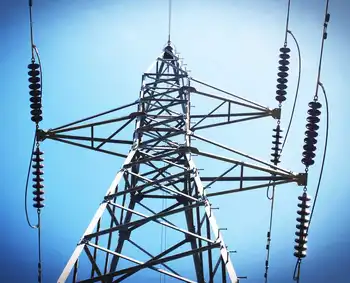
NFPA 70e Training - Arc Flash
Our customized live online or in‑person group training can be delivered to your staff at your location.

- Live Online
- 6 hours Instructor-led
- Group Training Available
Our customized live online or in‑person group training can be delivered to your staff at your location.
Hydro One Pandemic Relief Fund offers COVID-19 financial assistance, payment flexibility, and Winter Relief to Ontario electricity customers facing hardship, with disconnection protection and customer support to help manage bills during the health crisis.
COVID-19 aid offering bill credits, payment flexibility, and disconnection protection for electricity customers.
✅ Financial assistance and bill credits for hardship cases
✅ Flexible payment plans and extended Winter Relief
✅ No-disconnect policy and dedicated customer support hours
We are pleased to announce a Pandemic Relief Fund to assist customers affected by the novel coronavirus (COVID-19). As part of our commitment to customers, we will offer financial assistance as well as increased payment flexibility to customers experiencing hardship. The fund is designed to support customers impacted by these events and those that may experience further impacts.
In addition to this, we've also extended our Winter Relief program, aligning with our ban on disconnections policy so no customer experiencing any hardship has to worry about potential disconnection.
We recognize that this is a difficult time for everyone and we want our customers to know that we’re here to support them. We hope this fund and the added measures, such as extended off-peak rates that help provide our customers peace of mind so they can concentrate on what matters most — keeping their loved ones safe.
If you are concerned about paying your bill, are experiencing hardship or have been impacted by the pandemic, including electricity relief announced by the province, we want to help you. Call us to discuss the fund and see what options are available for you.
CUSTOMER CONTACT CENTRE HOURS
Call us at 1-888-664-9376
Monday to Friday from 7:30 a.m. to 8:00 p.m.
Saturdays from 9:00 a.m. to 3:00 p.m.
KEEPING ONTARIANS AND OUR ELECTRICITY SYSTEM SAFE
We recognize the critical role we play in powering communities across the province and our support for the Province of Ontario during COVID-19. This is a responsibility to employees, customers, businesses and the people of Ontario that we take very seriously.
Since the novel coronavirus (COVID-19) outbreak began, Hydro One’s Pandemic Team along with our leadership, have been actively monitoring the issues to ensure we can continue to deliver the service Ontarians depend on while keeping our employees, customers and the public safe, even as there has been no cut in peak hydro rates yet for self-isolating customers across Ontario. While the risk in Ontario remains low, we believe we can best protect our people and our operations by taking proactive measures.
As information continues to evolve, our leadership team along with the Pandemic Planning Team and our Emergency Operations Centre are committed to maintaining business continuity while minimizing risk to employees and communities.
Over the days and weeks to come, we will work with the sector and government, which is preparing to extend disconnect moratoriums across the province, to enhance safety protocols and champion the needs of electricity customers in Ontario.
Nova Scotia Power Renewable Energy delivers 30% in 2018, led by wind power, hydroelectric and biomass, with coal and natural gas declining, as Muskrat Falls imports from Labrador target 40% renewables to cut emissions.
It is the utility's 30% 2018 renewable mix and plan to reach 40% via Muskrat Falls while reducing carbon emissions.
✅ 18% wind, 9% hydro and tidal, 3% biomass in 2018
✅ Coal reliance fell from 76% in 2007 to 52% in 2018
✅ 58% carbon emissions cut from 2005 levels projected by 2030
Nova Scotia's private utility says it has hit a new milestone in its delivery of electricity from renewable resources, a trend highlighted by Summerside wind generation in nearby P.E.I.
Nova Scotia Power says 30 per cent of the electricity it produced in 2018 came from renewable sources such as wind power.
The utility says 18 per cent came from wind turbines, nine per cent from hydroelectric and tidal turbines and three per cent by burning biomass.
However, over half of the province's electrical generation still comes from the burning of coal or petroleum coke. Another 13 per cent come from burning natural gas and five per cent from imports, even as U.S. renewable generation hits record shares.
The utility says that since 2007, the province's reliance on coal-fired plants has dropped from 76 per cent of electricity generated to 52 per cent last year, as Prairie renewables growth accelerates nationally.
It says it expects to meet the province's legislated renewable target of 40 per cent in 2020, when it begins accessing hydroelectricity from the Muskrat Falls project in Labrador.
"We have made greener, cleaner energy a priority," utility president and CEO Karen Hutt said in a news release.
"As we continue to achieve new records in renewable electricity, we remain focused on ensuring electricity prices stay predictable and affordable for our customers, including solar customers across the province."
Nova Scotia Power also projects achieving a 58 per cent reduction in carbon emissions from 2005 levels by 2030.
Iran Bushehr Earthquake rattles southern province near the Bushehr nuclear power plant, USGS reports M5.1 at 38 km depth; seismic activity along major fault lines raises safety, damage, and monitoring concerns.
A magnitude 5.1 quake near Bushehr nuclear plant at 38 km depth, with no damage reported, per USGS.
✅ USGS lists magnitude 5.1 at 38 km depth
✅ Near Bushehr nuclear power plant; built for stronger quakes
✅ Iran lies on major fault lines; quake risk is frequent
A magnitude 5 earthquake struck southern Iran early Friday near the Islamic Republic's only nuclear power plant. There were no immediate reports of damage or injuries as Iran continues combined-cycle conversions across its power sector.
The quake hit Iran's Bushehr province at 5:23 a.m., according to the U.S. Geological Survey. It put the magnitude at 5.1 and the depth of the earthquake at 38 kilometres (24 miles), in a province tied to efforts to transmit electricity to Europe in coming years.
Iranian state media did not immediately report on the quake. However, the Bushehr nuclear power plant was designed to withstand much stronger earthquakes, a notable consideration as Iraq plans nuclear power plants to address shortages.
A magnitude 5 earthquake can cause considerable damage, including power disruptions that have seen blackouts spark protests in some Iranian cities.
Iran sits on major fault lines and is prone to near-daily earthquakes, yet it remains a key player in regional power, with Iran-Iraq energy cooperation ongoing. In 2003, a 6.6-magnitude quake flattened the historic city of Bam, killing 26,000 people, and today Iran supplies 40% of Iraq's electricity through cross-border power deals. Bam is near the Bushehr nuclear plant, which wasn’t damaged at that time, while more recently Iran finalized deals to rehabilitate Iraq's power grid to improve resilience.
Self-healing grid technology automatically reroutes power to reduce outages, speed restoration, and boost reliability during storms like Hurricane Ian in Florida, leveraging smart grid sensors, automation, and grid hardening to support Duke Energy customers.
Automated smart grid systems that detect faults and reroute power to minimize outages and accelerate restoration.
✅ Cuts outage duration via automated fault isolation
✅ Reroutes electricity with sensors and distribution automation
✅ Supports storm resilience and faster field crew restoration
As Hurricane Ian made its way across Florida, where restoring power in Florida can take weeks in hard-hit areas, Duke Energy's grid improvements were already on the job helping to combat power outages from the storm.
Smart, self-healing technology, similar to smart grid improvements elsewhere, helped to automatically restore more than 160,000 customer outages and saved nearly 3.3 million hours (nearly 200 million minutes) of total lost outage time.
"Hurricane Ian is a strong reminder of the importance of grid hardening and storm preparedness to help keep the lights on for our customers," said Melissa Seixas, Duke Energy Florida state president. "Self-healing technology is just one of many grid improvements that Duke Energy is making to avoid outages, restore service faster and increase reliability for our customers."
Much like the GPS in your car can identify an accident ahead and reroute you around the incident to keep you on your way, self-healing technology is like a GPS for the grid. The technology can quickly identify power outages and alternate energy pathways to restore service faster for customers when an outage occurs.
Additionally, self-healing technology provides a smart tool to assist crews in the field with power restoration after a major storm like Ian, helping reduce outage impacts and freeing up resources to help restore power in other locations.
Three days after Hurricane Ian exited the state, Duke Energy Florida wrapped up restoration of approximately 1 million customers. This progress enabled the company to deploy more than 550 Duke Energy workers from throughout Florida, as well as contractors from across the country, to help restore power for Lee County Electric Cooperative customers.
Crews worked in Cape Coral and Pine Island, one of the hardest-hit areas in the storm's path, as Canadian power crews have in past storms, and completed power restoration for the majority of customers on Pine Island within approximately one week after arriving to the island.
Prior to Ian in 2022, smart, self-healing technology had helped avoid nearly 250,000 extended customer outages in Florida, similar to Hydro One storm recovery efforts, saving around 285,000 hours (17.1 million minutes) of total lost outage time.
Duke Energy currently serves around 59% of customers in Florida with self-healing capabilities on its main power distribution lines, with a goal of serving around 80% over the next few years.
Everything Electric Vancouver spotlights EV innovation, electric vehicles, charging infrastructure, battery technology, autonomous driving, and sustainability, with test drives, consumer education, and incentives accelerating mainstream adoption and shaping the future of clean transportation.
Everything Electric Vancouver is a premier EV expo for vehicles, charging tech, and clean mobility solutions.
✅ New EV models: better range, battery tech, autonomous features
✅ Focus on charging networks: ultra-fast and home solutions
✅ Consumer education: test drives, incentives, ownership costs
Vancouver has once again become the epicenter of electric vehicle (EV) innovation with the return of the "Everything Electric" event. This prominent showcase, as reported by Driving.ca, highlights the accelerating shift towards electric mobility, echoing momentum seen at the Quebec Electric Vehicle Show and the growing role of EVs in shaping the future of transportation. The event, held at the Vancouver Convention Centre, provided a comprehensive look at the latest advancements in electric vehicles, infrastructure, and technologies, drawing attention from industry experts, enthusiasts, and consumers alike.
A Showcase of Electric Mobility
"Everything Electric" has established itself as a key platform for unveiling new electric vehicles and technologies. This year’s event was no exception, featuring a diverse range of electric vehicles from leading manufacturers. Attendees had the opportunity to explore a wide array of models, from sleek sports cars and luxury sedans to practical SUVs and compact city cars. The showcase underscored the significant progress in EV design, performance, and affordability, reflecting a broader trend towards mainstream adoption of electric mobility.
One of the highlights of this year’s event was the unveiling of several cutting-edge electric models. Automakers used the platform to debut their latest innovations, including enhanced battery technologies, improved range capabilities, and advanced autonomous driving features. This not only demonstrated the rapid evolution of electric vehicles but also underscored the commitment of the automotive industry to addressing environmental concerns and meeting consumer demands for sustainable transportation solutions.
Expanding Charging Infrastructure
Beyond showcasing vehicles, "Everything Electric" also emphasized the critical role of charging infrastructure in supporting the growth of electric mobility. The event featured exhibits on the latest developments in charging technology, including ultra-fast chargers, innovative home charging solutions, and corridor networks such as B.C.'s Electric Highway that connect communities. With the increasing number of electric vehicles on the road, expanding and improving charging infrastructure is essential for ensuring convenience and reducing range anxiety among EV owners.
Industry experts and policymakers discussed strategies for accelerating the deployment of charging stations and integrating them into urban planning, while considering the B.C. Hydro bottleneck projections as demand grows. The event highlighted initiatives aimed at expanding public charging networks, particularly in underserved areas, and improving the overall user experience. As electric vehicles become more prevalent, the development of a robust and accessible charging infrastructure will be crucial for supporting their widespread adoption.
Driving Innovation and Sustainability
"Everything Electric" also served as a platform for discussions on the broader impact of electric vehicles on sustainability and innovation. Panels and presentations explored topics such as the environmental benefits of reducing greenhouse gas emissions, the role of renewable energy in powering EVs, insights from the evolution of U.S. EV charging infrastructure, and advancements in battery recycling and second-life applications. The event underscored the interconnected nature of electric mobility and sustainability, highlighting how innovations in one area can drive progress in others.
The emphasis on sustainability was evident throughout the event, with many exhibitors showcasing eco-friendly technologies and practices. From energy-efficient manufacturing processes to sustainable materials used in vehicle interiors, the event highlighted the automotive industry's efforts to reduce its environmental footprint and contribute to a more sustainable future.
Consumer Engagement and Education
A key aspect of "Everything Electric" was its focus on consumer engagement and education. The event offered test drives and interactive demonstrations, mirroring interest at the Regina EV event as well, allowing attendees to experience firsthand the benefits and performance of electric vehicles. This hands-on approach helped demystify electric mobility for many consumers and provided valuable insights into the practical aspects of owning and operating an EV.
In addition to vehicle demonstrations, the event featured workshops and informational sessions on topics such as EV financing, government incentives, and the benefits of transitioning to electric vehicles, reflecting how EVs in southern Alberta are a growing topic today. These educational opportunities were designed to empower consumers with the knowledge they need to make informed decisions about adopting electric mobility.
Looking Ahead
The successful return of "Everything Electric" to Vancouver highlights the growing importance of electric vehicles in the automotive landscape. As the event demonstrated, the electric vehicle market is rapidly evolving, with new technologies and innovations driving progress towards a more sustainable future. The increased focus on charging infrastructure, sustainability, and consumer education reflects a comprehensive approach to supporting the transition to electric mobility, exemplified by B.C.'s charging expansion across the province.
As Canada continues to advance its climate goals and promote sustainable transportation, events like "Everything Electric" play a crucial role in showcasing the possibilities and driving forward the adoption of electric vehicles. With ongoing advancements and increased consumer interest, the future of electric mobility in Vancouver and beyond looks increasingly promising.
B.C. Hydro Salary Continuance Payout spotlights executive compensation, severance, and governance at a Crown corporation after a firing, citing financial disclosure reports, Site C dam ties, and a leadership change under a new government.
Severance-style pay for B.C. Hydro's fired CEO, via salary continuance and disclosed in public filings.
✅ $541,615 total compensation without working days
✅ Salary continuance after NDP firing; financial disclosures
✅ Later named Canada Post interim CEO amid strike
Former B.C. Hydro president and chief executive officer Jessica McDonald received a total of $541,615 in compensation during the 2017-2018 fiscal year, a figure that sits amid wider debates over executive pay at utilities such as Hydro One CEO pay at the provincial utility, without having worked a single day for the Crown corporation.
She earned this money under a compensation package after the in-coming New Democratic government of John Horgan fired her, a move comparable to Ontario's decision when the Hydro One CEO and board exit amid share declines. The previous B.C. Liberal government named her president and CEO of B.C. Hydro in 2014, and McDonald was a strong supporter of the controversial Site C dam project now going ahead following a review.
The current New Democratic government placed her on what financial disclosure documents call “salary continuance” effective July 21, 2017 — the day the government announced her departure — at a utility scrutinized in a misled regulator report that raised oversight concerns.
According to financial disclosure statements, McDonald remained on “salary continuance” until Sept. 21 of this year, and the utility has also been assessed in a deferred operating costs report released by the auditor general. During this period, she earned $272,659, a figure that includes benefits, pension and other compensation.
McDonald — who used to be the deputy minister to former premier Gordon Campbell — is now working for Canada Post, which appointed her as interim president and chief executive officer in March, while developments at Manitoba Hydro highlight broader political pressures on Crown utilities.
She started in her new role on April 2, 2018, and now finds herself in the middle of managing a postal carrier strike.
Stay informed with our FREE Newsletter — get the latest news, breakthrough technologies, and expert insights, delivered straight to your inbox.
Advantages To Instructor-Led Training – Instructor-Led Course, Customized Training, Multiple Locations, Economical, CEU Credits, Course Discounts.
Request For QuotationWhether you would prefer Live Online or In-Person instruction, our electrical training courses can be tailored to meet your company's specific requirements and delivered to your employees in one location or at various locations.