Understanding Transformer Condition Through Diagnostic Testing
By intellirent
Request for Quotation Service
Buyers Submit Free RFQs to top suppliers, no obligation
Suppliers Browse real project RFQs directly from buyers
By intellirent
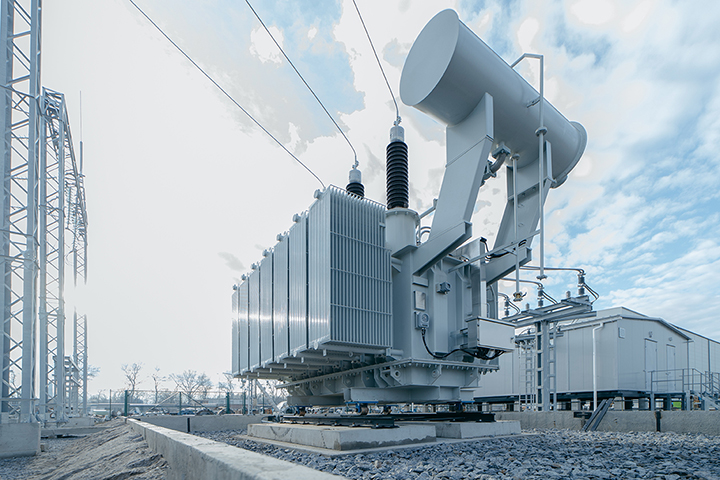
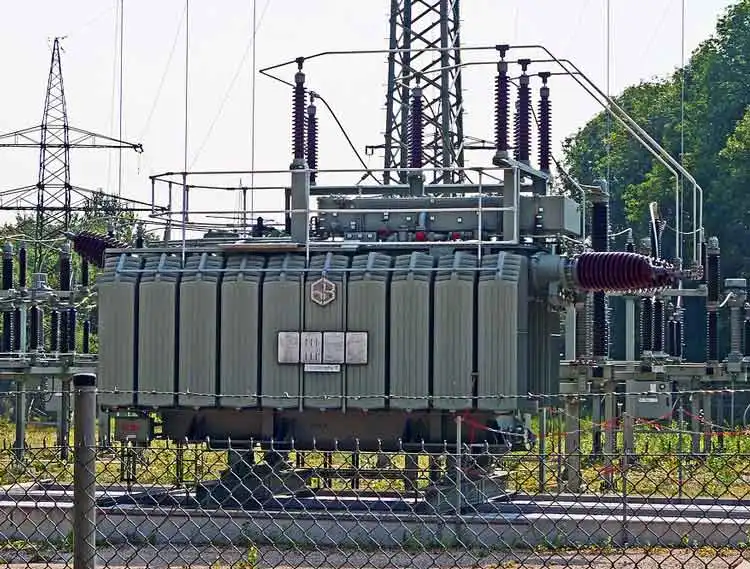
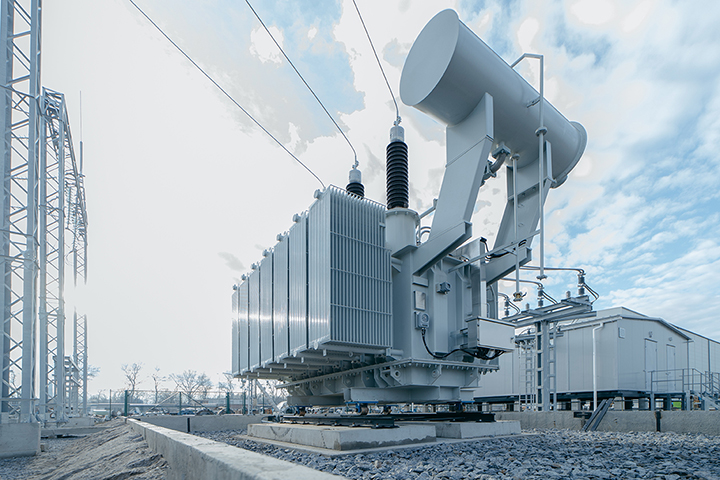
Power transformers are among the most critical and expensive assets in an electrical system, and understanding their condition requires more than relying on a single test. Transformer failures can develop from dielectric, mechanical, electrical, or thermal problems. Dielectric failures, including partial discharge, tracking, aging, and contamination, can compromise the transformer’s insulation system. Mechanical problems may involve winding deformation, core loosening, or structural damage, while electrical problems can include poor connections or grounding issues. Thermal problems, such as overheating from overloading or poor connections, can also contribute to transformer deterioration.
Because transformers contain several interconnected components and insulation systems, effective condition assessment typically requires a combination of diagnostic tests. The key is understanding what each test is telling you and selecting the appropriate tests for the transformer component or suspected failure mode being investigated.
Power factor and capacitance testing can provide valuable information about the condition of the transformer’s overall insulation system and bushings. Dielectric Frequency Response, or DFR, can provide additional information regarding moisture and aging within the insulation system, while insulation resistance testing provides a general indication of insulation condition and possible contamination.
Other tests focus more directly on the windings, tap changers, and the transformer magnetic circuit. Transformer turns ratio testing verifies winding ratios and can help evaluate winding integrity. DC winding resistance testing can identify problems such as loose connections, including tap connections and bushing lead connections. Exciting current measurements evaluate the transformer’s magnetizing characteristics and can help identify abnormalities involving the core or shorted turns in the windings.
Mechanical condition is another important part of transformer assessment. Sweep Frequency Response Analysis, or SFRA, and leakage reactance measurements can help identify winding movement, deformation, or other mechanical changes. These tests can be particularly valuable following a significant through-fault or when other information indicates possible winding movement or deformation.
Additional diagnostic techniques provide another layer of information. Dissolved Gas Analysis, through periodic oil sampling or online monitoring, can identify gases associated with developing internal faults, while oil screening evaluates characteristics such as dielectric strength, acidity, and moisture. Thermal imaging can identify abnormal heating associated with loose connections or overloading, and partial discharge testing can help locate developing insulation defects.
No individual transformer test provides every answer. Many of these tests also provide information across multiple failure modes. The most effective transformer testing strategy is therefore not simply performing as many tests as possible. It is selecting the right combination of tests based on the transformer component, operating history, and suspected condition. When diagnostic results are evaluated together, they can provide a much clearer picture of transformer health and help identify developing problems before they become major failures.
Explore 50+ live, expert-led electrical training courses –