OEB Consulting Farmers on Stray Voltage

By Canada News Wire


NFPA 70e Training - Arc Flash

Our customized live online or in‑person group training can be delivered to your staff at your location.

  • Live Online
  • 6 hours Instructor-led
  • Group Training Available
Regular Price:
$199
Coupon Price:
$149
Reserve Your Seat Today
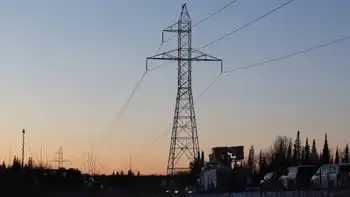
The Ontario Energy Board is taking its Farm Stray Voltage Consultation on the road. This past June Ontario's Energy Minister, Dwight Duncan, issued a Directive to the Board to implement the necessary measures to address the issue of stray voltage as it affects farm operations.

In response to the Minister's Directive, the Board has initiated a consultation process to solicit input from interested parties regarding stray voltage, its potential impact on the farm sector and the identification of measures that could be implemented to mitigate this impact.

Stray (or tingle) voltage refers to electric current that can flow through an animal's body that is making contact with the earth at two points.

Tingle voltage is measurable with a voltmeter, but is so weak it typically can only be felt by larger animals like cows and beef cattle that due to their size and the amount of electricity-conducting water in their bodies can sense the electricity much more readily than people.

If exposed to stray voltage, especially when entering or leaving a barn or stall or when drinking or feeding, livestock can become stressed and production can be affected.

Beginning with a meeting on October 29th in Lindsay, the Board is consulting with farmers province-wide, looking for their input on the subject and providing information on the Board's approach to responding to the Minister's Directive. The Board will use this feedback in the development of a report to be issued for written public comment by the end of the year.

In addition to the Lindsay meeting, five other meetings with farmers are planned: Woodstock (Oct. 31); Thunder Bay (Nov. 1); Wyoming (Nov. 5); Verner (Nov. 7); and Kemptville (Nov. 9).

The Ontario Energy Board regulates the province's electricity and natural gas sectors in the public interest. It envisions a viable and efficient energy sector, with informed consumers served by responsive regulatory processes that are effective, fair and transparent.

To find out more about how you can get involved or to attend one of the scheduled meetings, call 1-877-632-2727 or visit the OEB website at oeb.gov.on.ca and search for "stray voltage."

Related News

Entergy Creates COVID-19 Emergency Relief Fund to Help Customers in Need

Entergy COVID-19 Emergency Relief Fund provides financial assistance to ALICE households, low-income seniors, and disabled customers via United Way grants for rent, mortgage, utilities, food, and bill payment support during COVID-19, alongside a disconnect moratorium.


Key Points

A shareholder-funded program offering essential grants and bill support to Entergy customers affected by COVID-19.

✅ Shareholders commit $700,000; grants distributed via United Way partners.

✅ Focus on ALICE families, low-income seniors, and disabled customers.

✅ Disconnects suspended; bill tools and LIHEAP advocacy underway.


In an effort to help working families experiencing financial hardships as a result of the coronavirus pandemic, the Entergy Charitable Foundation has established the COVID-19 Emergency Relief Fund, recognizing the need for electricity across communities.

"The health and safety of our customers, employees and communities is Entergy's top priority," said Leo Denault, chairman and CEO of Entergy Corporation. "For more than 100 years, Entergy has never wavered in our commitment to supporting our customers and the communities we serve. This pandemic is no different. During this challenging time, we are helping lessen the impact of this crisis on the most vulnerable in our communities. I strongly encourage our business partners to join us in this effort."

As devastating and disruptive as this crisis is for everyone, we know from past experience that those most heavily impacted are ALICE households (low-wage working families) and low-income elderly and disabled customers, who often face energy insecurity during such events - roughly 40%-50% of Entergy's customer base.

"We know from experience that working families and low-income elderly and disabled customers are hardest hit during times of crisis," said Patty Riddlebarger, vice president of Entergy's corporate social responsibility. "We are working quickly to make funds available to community partners that serve vulnerable households to lessen the economic impact of the COVID-19 crisis and ensure that families have the resources they need to get by during this time of uncertainty."

To support our most vulnerable customers, Entergy shareholders are committing $700,000 to the COVID-19 Emergency Relief Fund to help qualifying customers with basic needs such as food and nutrition, rent and mortgage assistance, and other critical needs, alongside measures like Texas utilities waiving fees that ease household costs, until financial situations become more stable. Grants from the fund will be provided to United Way organizations and other nonprofit partners across Entergy's service area that are providing services to impacted households.

Company shareholders will also match employee contributions to the COVID-19 relief efforts of local United Way organizations up to $100,000 to maximize impact.

In addition to establishing the COVID-19 Emergency Relief Fund, Entergy is taking additional steps to support and protect our customers during this crisis, similar to PG&E's pandemic response measures, including:

With support from our regulators, we are temporarily suspending customer disconnects, as seen in New Jersey and New York policies, as we continue to monitor the situation.

We are working with our network of community advocates, as the industry coordination with federal partners continues, to request a funding increase of the Low Income Home Energy Assistance Program to help alleviate financial hardships caused by COVID-19 on vulnerable households.

We are developing bill payment solutions and tools to help customers pay their accumulated balances once the disconnect moratorium is lifted.

Already in place to support vulnerable customers is Entergy's The Power to Care program, which provides emergency bill payment assistance to seniors and disabled individuals. To mark the 20th anniversary of Entergy's low-income customer initiative, the limit of shareholders' dollar for dollar match of customer donations was increased from $500,000 to $1 million per year. Shareholders continue to match employee donations dollar for dollar with no limit.


Related News

View more

Wartsila to Power USA’s First Battery-Electric High-Speed Ferries

San Francisco Battery-Electric Ferries will deliver zero-emission, high-speed passenger service powered by Wartsila electric propulsion, EPMS, IAS, batteries, and shore power, advancing maritime decarbonization under the REEF program and USCG Subchapter T standards.


Key Points

They are the first US zero-emission high-speed passenger ferries using integrated electric propulsion and shore power

✅ Dual 625 kW motors enable up to 24-knot service speeds

✅ EPMS, IAS, DC hub, and shore power streamline operations

✅ Built to USCG Subchapter T for safety and compliance


Wartsila, a global leader in sustainable marine technology, has been selected to supply the electric propulsion system for the United States' first fully battery-electric, zero-emission high-speed passenger ferries. This significant development marks a pivotal step in the decarbonization of maritime transport, aligning with California's ambitious environmental goals, including recent clean-transport investments across ports and corridors.

A Leap Toward Sustainable Maritime Transport

The project, commissioned by All American Marine (AAM) on behalf of San Francisco Bay Ferry, involves the construction of three 150-passenger ferries, reflecting broader U.S. advances like the Washington State Ferries hybrid upgrade now underway. These vessels will operate on new routes connecting the rapidly developing neighborhoods of Treasure Island and Mission Bay to downtown San Francisco. The ferries are part of the Rapid Electric Emission Free (REEF) Ferry Program, a comprehensive initiative by San Francisco Bay Ferry to transition its fleet to zero-emission propulsion technology. The first vessel is expected to join the fleet in early 2027.

Wärtsilä’s Role in the Project

Wärtsilä's involvement encompasses the supply of a comprehensive electric propulsion system, including the Energy and Power Management System (EPMS), integrated automation system (IAS), batteries, DC hub, transformers, electric motors, and shore power supply. This extensive scope underscores Wärtsilä’s expertise in providing integrated solutions for emission-free marine transportation. The company's extensive global experience in developing and supplying integrated systems and solutions for zero-emission high-speed vessels, as seen with electric ships on the B.C. coast operating today, was a key consideration in the selection process.

Technical Specifications of the Ferries

The ferries will be 100 feet (approximately 30 meters) in length, with a beam of 26 feet and a draft of 5.9 feet. Each vessel will be powered by dual 625-kilowatt electric motors, enabling them to achieve speeds of up to 24 knots. The vessels will be built to U.S. Coast Guard Subchapter T standards, ensuring compliance with stringent safety regulations.

Environmental and Operational Benefits

The transition to battery-electric propulsion offers numerous environmental and operational advantages. Electric ferries produce zero emissions during operation, as demonstrated by Berlin's electric ferry deployments, significantly reducing the carbon footprint of maritime transport. Additionally, electric propulsion systems are generally more efficient and require less maintenance compared to traditional diesel engines, leading to lower operational costs over the vessel's lifespan.

Broader Implications for Maritime Decarbonization

This project is part of a broader movement toward sustainable maritime transport in the United States. San Francisco Bay Ferry has also approved the purchase of two larger 400-passenger battery-electric ferries for transbay routes, further expanding its commitment to zero-emission operations. The agency has secured approximately $200 million in funding from local, state, and federal sources, echoing infrastructure bank support seen in B.C., to support these initiatives, including vessel construction and terminal electrification.

Wartsila’s involvement in this project highlights the company's leadership in the maritime industry's transition to sustainable energy solutions, including hybrid-electric pathways like BC Ferries' new hybrids now in service. With a proven track record in supplying integrated systems for zero-emission vessels, Wärtsilä is well-positioned to support the global shift toward decarbonized maritime transport.

As the first fully battery-electric high-speed passenger ferries in the United States, these vessels represent a significant milestone in the journey toward sustainable and environmentally responsible maritime transportation, paralleling regional advances such as the Kootenay Lake electric-ready ferry entering service. The collaboration between Wärtsilä, All American Marine, and San Francisco Bay Ferry exemplifies the collective effort required to realize a zero-emission future for the maritime industry.

The deployment of these battery-electric ferries in San Francisco Bay not only advances the city's environmental objectives but also sets a precedent for other regions to follow. With continued innovation and collaboration, the maritime industry can look forward to a future where sustainable practices are the standard, not the exception.


Related News

View more

Ontario Launches Largest Competitive Energy Procurement in Province’s History

Ontario Competitive Energy Procurement accelerates renewables, boosts grid reliability, and invites competitive bids across solar, wind, natural gas, and storage, driving innovation, lower costs, and decarbonization to meet rising electricity demand and ensure power supply.


Key Points

Ontario Competitive Energy Procurement is a competitive bidding program to deliver reliable, low-carbon electricity.

✅ Competitive bids from renewables, gas, and storage

✅ Targets grid reliability, affordability, and emissions

✅ Phased evaluations: technical, financial, environmental


Ontario has recently marked a significant milestone in its energy sector with the launch of what is being touted as the largest competitive energy procurement process in the province’s history. This ambitious initiative is set to transform the province’s energy landscape through a broader market overhaul that fosters innovation, enhances reliability, and addresses the growing demands of Ontario’s diverse population.

A New Era of Energy Procurement

The Ontario government’s move to initiate this massive competitive procurement process underscores a strategic shift towards modernizing and diversifying the province’s energy portfolio. This procurement exercise will invite bids from a broad spectrum of energy suppliers and technologies, ranging from traditional sources like natural gas to renewable energy options such as solar and wind power. The aim is to secure a reliable and cost-effective energy supply that aligns with Ontario’s long-term environmental and economic goals.

This historic procurement process represents a major leap from previous approaches by emphasizing a competitive marketplace where various energy providers can compete on an equal footing through electricity auctions and transparent bidding. By doing so, the government hopes to drive down costs, encourage technological advancements, and ensure that Ontarians benefit from a more dynamic and resilient energy system.

Key Objectives and Benefits

The primary objectives of this procurement initiative are multifaceted. First and foremost, it seeks to enhance the reliability of Ontario’s electricity grid. As the province experiences population growth and increased energy demands, maintaining a stable and dependable supply of electricity is crucial, and interprovincial imports through an electricity deal with Quebec can complement local generation. This procurement process will help identify and integrate new sources of power that can meet these demands effectively.

Another significant goal is to promote environmental sustainability. Ontario has committed to reducing its greenhouse gas emissions through Clean Electricity Regulations and transitioning to a cleaner energy mix. By inviting bids from renewable energy sources and innovative technologies, the government aims to support its climate action plan and contribute to the province’s carbon reduction targets.

Cost-effectiveness is also a central focus of the procurement process. By creating a competitive environment, the government anticipates that energy providers will strive to offer more attractive pricing structures and fair electricity cost allocation practices for ratepayers. This, in turn, could lead to lower energy costs for consumers and businesses, fostering economic growth and improving affordability.

The Competitive Landscape

The competitive energy procurement process will be structured to encourage participation from a wide range of energy providers. This includes not only established companies but also emerging players and startups with innovative technologies. By fostering a diverse pool of bidders, the government aims to ensure that all viable options are considered, ultimately leading to a more robust and adaptable energy system.

Additionally, the process will likely involve various stages of evaluation, including technical assessments, financial analyses, and environmental impact reviews. This thorough evaluation will help ensure that selected projects meet the highest standards of performance and sustainability.

Implications for Stakeholders

The implications of this procurement process extend beyond just energy providers and consumers. Local communities, businesses, and environmental organizations will all play a role in shaping the outcomes. For communities, this initiative could mean new job opportunities and economic development, particularly in regions where new energy projects are developed. For businesses, the potential for lower energy costs and access to innovative energy solutions, including demand-response initiatives like the Peak Perks program, could drive growth and competitiveness.

Environmental organizations will be keenly watching the process to ensure that it aligns with broader sustainability goals. The inclusion of renewable energy sources and advanced technologies will be a critical factor in evaluating the success of the initiative in meeting Ontario’s climate objectives.

Looking Ahead

As Ontario embarks on this unprecedented energy procurement journey, the outcomes will be closely watched by various stakeholders. The success of this initiative will depend on the quality and diversity of the bids received, the efficiency of the evaluation process, and the ability to integrate new energy sources into the existing grid, while advancing energy independence where feasible.

In conclusion, Ontario’s launch of the largest competitive energy procurement process in its history is a landmark event that holds promise for a more reliable, sustainable, and cost-effective energy future. By embracing competition and innovation, the province is setting a new standard for energy procurement that could serve as a model for other regions seeking to modernize their energy systems. The coming months will be crucial in determining how this bold initiative will shape Ontario’s energy landscape for years to come.


Related News

View more

NDP takes aim at approval of SaskPower 8 per cent rate hike

SaskPower Rate Hike 2022-2023 signals higher electricity rates in Saskatchewan as natural gas costs surge; the Rate Review Panel approved increases, affecting residential utility bills amid affordability concerns and government energy policy shifts.


Key Points

An 8% SaskPower electricity rate increase split 4% in Sept 2022 and 4% in Apr 2023, driven by natural gas costs.

✅ 4% increase Sept 1, 2022; +4% on Apr 1, 2023

✅ Panel-approved amid natural gas price surge and higher fuel costs

✅ Avg residential bill up about $5 per step; affordability concerns


The NDP Opposition is condemning the provincial government’s decision to approve the Saskatchewan Rate Review Panel’s recommendation to increase SaskPower’s rates for the first time since 2018, despite a recent 10% rebate pledge by the Sask. Party.

The Crown electrical utility’s rates will increase four per cent this fall, and another four per cent in 2023, a trajectory comparable to BC Hydro increases over two years. According to a government news release issued Thursday, the new rates will result in an average increase of approximately $5 on residential customers’ bills starting on Sept. 1, 2022, and an additional $5 on April 1, 2023.

“The decision to increase rates is not taken lightly and came after a thorough review by the independent Saskatchewan Rate Review Panel,” Minister Responsible for SaskPower Don Morgan said in a news release, amid Nova Scotia’s 14% hike this year. “World events have caused a significant rise in the price of natural gas, and with 42 per cent of Saskatchewan’s electricity coming from natural gas-fueled facilities, SaskPower requires additional revenue to maintain reliable operations.”

But NDP SaskPower critic Aleana Young says the rate hike is coming just as businesses and industries are struggling in an “affordability crisis,” even as Manitoba Hydro scales back a planned increase next year.

She called the announcement of an eight per cent increase in power bills on a summer day before the long weekend “a cowardly move” by the premier and his cabinet, amid comparable changes such as Manitoba’s 2.5% annual hikes now proposed.

“Not to mention the Sask. Party plans to hike natural gas rates by 17% just days from now,” said Young in a news release issued Friday, as Manitoba rate hearings get underway nearby. “If Scott Moe thinks his choices — to not provide Saskatchewan families any affordability relief, to hike taxes and fees, then compound those costs with utility rate hikes — are defensible, he should have the courage to get out of his closed-door meetings and explain himself to the people of this province.”

The province noted natural gas is the largest generation source in SaskPower’s fleet. As federal regulations require the elimination of conventional coal generation in Canada by 2030, SaskPower’s reliance on natural gas generation is expected to grow, with experts in Alberta warning of soaring gas and power prices in the region. Fuel and Purchased Power expense increases are largely driven by increased natural gas prices, and SaskPower’s fuel and purchased power expense is expected to increase from $715 million in 2020-21 to $1.069 billion in 2023-24. This represents a 50 per cent increase in fuel and purchased power expense over three years.

“In the four years since our last increase SaskPower has worked to find internal efficiencies, but at this time we require additional funding to continue to provide reliable and sustainable power,” SaskPower president & CEO Rupen Pandya said in the release “We will continue to be transparent about our rate strategy and the need for regular, moderate increases.”


Related News

View more

More young Canadians would work in electricity… if they knew about it

Generation Impact Report reveals how Canada's electricity sector can recruit Millennials and Gen Z, highlighting workforce gaps, career pathways, innovative projects, secure pay, and renewable energy opportunities to attract young talent nationwide.


Key Points

An EHRC survey on youth views of electricity careers and recruitment strategies to build a skilled workforce.

✅ Surveyed 1,500 Canadians aged 18-36 nationwide

✅ Highlights barriers: low awareness of sector roles

✅ Emphasizes fulfilling work, secure pay, innovation


Young Canadians make up far less of the electricity workforce than other sectors, says Electricity Human Resources Canada, as noted in an EHRC investment announcement that highlights sector priorities, and its latest report aims to answer the question “Why?”.

The report, “Generation Impact: Future Workforce Perspectives”, was based on a survey of 1500 respondents across Canada between the ages of 18 and 36. This cohort’s perspectives on the electricity sector were mostly Positive or Neutral, and that Millennial and Gen Z Canadians are largely open to considering careers in electricity, especially as initiatives such as a Nova Scotia energy training program expand access.

The biggest barrier is a knowledge gap in electrical safety that limits awareness of the opportunities available.

To an industry looking to develop a pipeline of young talent, “Generation Impact” reveals opportunities for recruitment; key factors that Millennial and Gen Z Canadians seek in their ideal careers include fulfilling work, secure pay and the chance to be involved in innovative projects, including specialized arc flash training in Vancouver opportunities that build expertise.

“The electricity sector is already home to the kinds of fulfilling and innovative careers that many in the Millennial and Gen Z cohorts are looking for,” said Michelle Branigan, CEO of EHRC. “Now it’s just a matter of communicating effectively about the opportunities and benefits, including leadership in worker safety initiatives, our sector can offer.”

“Engaging young workers in Canada’s electricity sector is critical for developing the resiliency and innovation needed to support the transformation of Canada’s energy future, especially as working from home drives up electricity bills and reshapes demand,” said Seamus O’Regan, Canada’s Minister of Natural Resources. “The insights of this report will help to position the sector competitively to leverage the talent and skills of young Canadians.”

“Generation Impact” was funded in part by the Government of Canada’s Student Work Placement Program and Natural Resources Canada’s Emerging Renewable Power Program, in a context of rising residential electricity use that underscores workforce needs.


Related News

View more

Opinion: Cleaning Up Ontario's Hydro Mess - Ford government needs to scrap the Fair Hydro Plan and review all options

Ontario Hydro Crisis highlights soaring electricity rates, costly subsidies, nuclear refurbishments, and stalled renewables in Ontario. Policy missteps, weak planning, and rising natural gas emissions burden ratepayers while energy efficiency and storage remain underused.


Key Points

High power costs and subsidies from policy errors, nuclear refurbishments, stalled efficiency and renewables in Ontario.

✅ $5.6B yearly subsidy masks electricity rates and deficits

✅ Nuclear refurbishments embed rising costs for decades

✅ Efficiency, storage, and DERs stalled amid weak planning


By Mark Winfield

While the troubled Site C and Muskrat Falls hydroelectric dam projects in B.C. and Newfoundland and Labrador have drawn a great deal of national attention over the past few months, Ontario has quietly been having a hydro crisis of its own.

One of the central promises in the 2018 platform of the Ontario Progressive Conservative party was to “clean up the hydro mess,” and then-PC leader Doug Ford vowed to fire Hydro One's leadership as part of that effort. There certainly is a mess, with the costs of subsidies taken from general provincial revenues to artificially lower hydro rates nearing $7 billion annually. That is a level approaching the province’s total pre-COVID-19 annual deficit. After only two years, that will also exceed total expected cost overruns of the Site C and Muskrat Falls projects, currently estimated at $12 billion ($6 billion each).

There is no doubt that Doug Ford’s government inherited a significant mess around the province’s electricity system from the previous Liberal governments of former premiers Dalton McGuinty and Kathleen Wynne. But the Ford government has also demonstrated a remarkable capacity for undoing the things its predecessors had managed to get right while doubling down on their mistakes.

The Liberals did have some significant achievements. Most notably: coal-fired electricity generation, which constituted 25 per cent of the province’s electricity supply in the early 2000s, was phased out in 2014. The phaseout dramatically improved air quality in the province. There was also a significant growth in renewable energy production. From  virtually zero in 2003, the province installed 4,500 MW of wind-powered generation, and 450 MW of solar photovoltaic by 2018, a total capacity more than double that of the Sir Adam Beck Generating Stations at Niagara Falls.

At the same time, public concerns over rising hydro rates flowing from a major reconstruction of the province’s electricity system from 2003 onwards became a central political issue in the province. But rather than reconsider the role of the key drivers of the continuing rate increases – namely the massively expensive and risky refurbishments of the Darlington and Bruce nuclear facilities, the Liberals adopted a financially ruinous Fair Hydro Plan. The central feature of the 2017 plan was a short-term 25 per cent reduction in hydro rates, financed by removing the provincial portion of the HST from hydro bills, and by extending the amortization period for capital projects within the system. The total cost of the plan in terms of lost revenues and financing costs has been estimated in excess of $40 billion over 29 years, with the burden largely falling on future ratepayers and taxpayers.


Decision-making around the electricity system became deeply politicized, and a secret cabinet forecast of soaring prices intensified public debate across Ontario. Legislation adopted by the Wynne government in 2016 eliminated the requirement for the development of system plans to be subject to any form of meaningful regulatory oversight or review. Instead, the system was guided through directives from the provincial cabinet. Major investments like the Darlington and Bruce refurbishments proceeded without meaningful, public, external reviews of their feasibility, costs or alternatives.

The Ford government proceeded to add more layers to these troubles. The province’s relatively comprehensive framework for energy efficiency was effectively dismantled in March, 2019, with little meaningful replacement. That was despite strong evidence that energy efficiency offered the most cost-effective strategy for reducing greenhouse gas emissions and electricity costs.

The Ford government basically retained the Fair Hydro Plan and promised further rate reductions, later tabling legislation to lower electricity rates as well. To its credit, the government did take steps to clarify real costs of the plan. Last year, these were revealed to amount to a de facto $5.6 billion-per-year subsidy coming from general revenues, and rising. That constituted the major portion of the province’s $7.4 billion pre-COVID-19 deficit. The financial hole was deepened further through November’s financial statement, with the addition of a further $1.3 billion subsidy to commercial and industrial consumers. The numbers can only get worse as the costs of the Darlington and Bruce refurbishments become embedded more fully into electricity rates.

The government also quietly dispensed with the last public vestige of an energy planning framework, relieving itself of the requirement to produce a Long-Term Energy Plan every three years. The next plan would normally have been due next month, in February.

Even the gains from the 2014 phaseout of coal-fired electricity are at risk. Major increases are projected in emissions of greenhouse gases, smog-causing nitrogen oxides and particulate matter from natural gas-fired power plants as the plants are run to cover electricity needs during the Bruce and Darlington refurbishments over the next decade. These developments could erode as much as 40 per cent of the improvements in air quality and greenhouse gas emission gained through the coal phaseout.

The province’s activities around renewable energy, energy storage and distributed energy resources are at a standstill, with exception of a few experimental “sandbox” projects, while other jurisdictions face profound electricity-sector change and adapt. Globally, these technologies are seen as the leading edge of energy-system development and decarbonization. Ontario seems to have chosen to make itself an energy innovation wasteland instead.

The overall result is a system with little or no space for innovation that is embedding ever-higher costs while trying to disguise those costs at enormous expense to the provincial treasury and still failing to provide effective relief to low-income electricity consumers.

The decline in electricity demand associated with the COVID-19 pandemic, along with the introduction of a temporary recovery rate for electricity, gives the province an opportunity to step back and consider its next steps with the electricity system. A phaseout of the Fair Hydro Plan electricity-rate reduction and its replacement with a more cost-effective strategy of targeted relief aimed at those most heavily burdened by rising hydro rates, particularly rural and low-income consumers, as reconnection efforts for nonpayment have underscored the hardship faced by many households, would be a good place to start.

Next, the province needs to conduct a comprehensive, public review of electricity options available to it, including additional renewables – the costs of which have fallen dramatically over the past decade – distributed energy resources, hydro imports from Quebec and energy efficiency before proceeding with further nuclear refurbishments.

In the longer term, a transparent, evidence-based process for electricity system planning needs to be established – one that is subject to substantive public and regulatory oversight and review. Finally, the province needs to establish a new organization to be called Energy Efficiency Ontario to revive its efforts around energy efficiency, developing a comprehensive energy-efficiency strategy for the province, covering electricity and natural gas use, and addressing the needs of marginalized communities.

Without these kinds of steps, the province seems destined to continue to lurch from contradictory decision after contradictory decision as the economic and environmental costs of the system’s existing trajectory continue to rise.

Mark Winfield is a professor of environmental studies at York University and co-chair of the university’s Sustainable Energy Initiative.


Related News

View more

Sign Up for Electricity Forum’s Newsletter

Stay informed with our FREE Newsletter — get the latest news, breakthrough technologies, and expert insights, delivered straight to your inbox.

Electricity Today T&D Magazine Subscribe for FREE

Stay informed with the latest T&D policies and technologies.
  • Timely insights from industry experts
  • Practical solutions T&D engineers
  • Free access to every issue

Download the 2025 Electrical Training Catalog

Explore 50+ live, expert-led electrical training courses –

  • Interactive
  • Flexible
  • CEU-cerified