By -- Source, Reuters


CSA Z463 Electrical Maintenance -

Our customized live online or in‑person group training can be delivered to your staff at your location.

  • Live Online
  • 6 hours Instructor-led
  • Group Training Available
Regular Price:
$249
Coupon Price:
$199
Reserve Your Seat Today
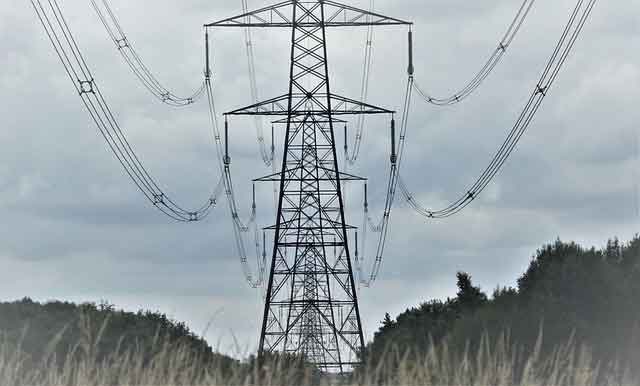
WASHINGTON - The U.S. Interior Department asked on Wednesday for public comment on a study it will prepare to determine the environmental effect of a $271 million electric transmission line project in southern California. The 500,000-volt line would provide another connection between the transmission systems of Edison International's Southern California Edison and Sempra Energy's San Diego Gas and Electric.

The project's sponsors said the line is needed to make their customers less vulnerable to outages and blackouts.

The companies also said the line would help meet the growing demand for electricity in southern California, where they claim San Diego will suffer from a projected a 46-megawatt (MW) shortfall for electricity in 2005 that will grow to 199 MW in 2006 and increase every year thereafter.

If approved by the California Public Utilities Commission, the 31-mile transmission line would be completed in 2005 and carry enough electricity to light more than 700,000 homes.

A megawatt is enough electricity power about 1,000 homes.

Details of the proposed Valley-Rainbow Interconnection Project were published in today's Federal Register.

The Interior Department's Bureau of Land Management said it would take comment through Feb. 1 on the proposed transmission line and hold a public meeting on the project on Jan. 8 in Temecula, Calif.

Related News

Vancouver's Reversal on Gas Appliances

Vancouver Natural Gas Ban Reversal spotlights energy policy, electrification tradeoffs, heat pumps, emissions, grid reliability, and affordability, reshaping building codes and decarbonization pathways while inviting stakeholders to weigh practical constraints and climate goals.


Key Points

Vancouver ending its ban on natural gas in new homes to balance climate goals with reliability, costs, and technology.

✅ Balances emissions goals with reliability and affordability

✅ Impacts builders, homeowners, and energy infrastructure

✅ Spurs debate on electrification, heat pumps, and grid capacity


In a significant policy shift, Vancouver has decided to lift its ban on natural gas appliances in new homes, a move that marks a pivotal moment in the city's energy policy and environmental strategy. This decision, announced recently and following the city's Clean Energy Champion recognition for Bloedel upgrades, has sparked a broader conversation about the future of energy systems and the balance between environmental goals and practical energy needs. Stewart Muir, CEO of Resource Works, argues that this reversal should catalyze a necessary dialogue on energy choices, highlighting both the benefits and challenges of such a policy change.

Vancouver's original ban on natural gas appliances was part of a broader initiative aimed at reducing greenhouse gas emissions and promoting sustainability, including progress toward phasing out fossil fuels where feasible over time. The city had adopted stringent regulations to encourage the use of electric heat pumps and other low-carbon technologies in new residential buildings. This move was aligned with Vancouver’s ambitious climate goals, which include achieving carbon neutrality by 2050 and significantly cutting down on fossil fuel use.

However, the recent decision to reverse the ban reflects a growing recognition of the complexities involved in transitioning to entirely new energy systems. The city's administration acknowledged that while electric alternatives offer environmental benefits, they also come with challenges that can affect homeowners, builders, and the broader energy infrastructure, including options for bridging the electricity gap with Alberta to enhance regional reliability.

Stewart Muir argues that Vancouver’s policy shift is not just about natural gas appliances but represents a larger conversation about energy system choices and their implications. He suggests that the reversal of the ban provides an opportunity to address key issues related to energy reliability, affordability, and the practicalities of integrating new technologies, including electrified LNG options for industry within the province into existing systems.

One of the primary reasons behind the reversal is the recognition of the practical limitations and costs associated with transitioning to electric-only systems. For many homeowners and builders, natural gas appliances have long been a reliable and cost-effective option. The initial ban on these appliances led to concerns about increased construction costs and potential disruptions for homeowners who were accustomed to natural gas heating and cooking.

In addition to cost considerations, there are concerns about the reliability and efficiency of electric alternatives. Natural gas has been praised for its stable energy supply and efficient performance, especially in colder climates where electric heating systems might struggle to maintain consistent temperatures or fully utilize Site C's electricity under peak demand. By reversing the ban, Vancouver acknowledges that a one-size-fits-all approach may not be suitable for every situation, particularly when considering diverse housing needs and energy demands.

Muir emphasizes that the reversal of the ban should prompt a broader discussion about how to balance environmental goals with practical energy needs. He argues that rather than enforcing a blanket ban on specific technologies, it is crucial to explore a range of solutions that can effectively address climate objectives while accommodating the diverse requirements of different communities and households.

The debate also touches on the role of technological innovation in achieving sustainability goals. As energy technologies continue to evolve, renewable electricity is coming on strong and new solutions and advancements could potentially offer more efficient and environmentally friendly alternatives. The conversation should include exploring these innovations and considering how they can be integrated into existing energy systems to support long-term sustainability.

Moreover, Muir advocates for a more inclusive approach to energy policy that involves engaging various stakeholders, including residents, businesses, and energy experts. A collaborative approach can help identify practical solutions that address both environmental concerns and the realities of everyday energy use.

In the broader context, Vancouver’s decision reflects a growing trend in cities and regions grappling with energy transitions. Many urban centers are evaluating their energy policies and considering adjustments based on new information and emerging technologies. The key is to find a balance that supports climate goals such as 2050 greenhouse gas targets while ensuring that energy systems remain reliable, affordable, and adaptable to changing needs.

As Vancouver moves forward with its revised policy, it will be important to monitor the outcomes and assess the impacts on both the environment and the community. The reversal of the natural gas ban could serve as a case study for other cities facing similar challenges and could provide valuable insights into how to navigate the complexities of energy transitions.

In conclusion, Vancouver’s decision to reverse its ban on natural gas appliances in new homes is a significant development that opens the door for a critical dialogue about energy system choices. Stewart Muir’s call for a broader conversation emphasizes the need to balance environmental ambitions with practical considerations, such as cost, reliability, and technological advancements. As cities continue to navigate their energy futures, finding a pragmatic and inclusive approach will be essential in achieving both sustainability and functionality in energy systems.


Related News

View more

Crews have restored power to more than 32,000 Gulf Power customers

Gulf Power Hurricane Michael Response details rapid power restoration, grid rebuilding, and linemen support across the Florida Panhandle, Panama City, and coastal areas after catastrophic winds, rain, and storm surge damaged transmission lines and substations.


Key Points

Gulf Power's effort to restore electricity after Hurricane Michael, including grid rebuilding and storm recovery.

✅ 3,000+ crews deployed for restoration and rebuilding

✅ Transmission, distribution, and substations severely damaged

✅ Panhandle customers warned of multi-week outages


Less than 24 hours ago, Hurricane Micheal devastated the residents in the Florida Panhandle with its heavy winds, rainfall and storm surge, as reflected in impact numbers across the region.

Gulf Power crews worked quickly through the night to restore power to their customers.

Linemen crews were dispatched from numerous of cities all over the U. S., reflecting FPL's massive Irma response to help those impacted by Hurricane Michael.

According to Jeff Rogers, Gulf Power spokesperson; “This was an unprecedented storm, and our customers will see an unprecedented response from Gulf Power. The destruction we’ve seen so far to this community and our electrical system is devastating — we’re seeing damage across our system, including distribution lines, transmission lines and substations.”

Gulf Power told Channel 3 said they dealt with issues like trees and heavy debris blocking roads from strong winds, and communications down can slow down the rebuilding and restoration process, but Gulf Power said they are prepared for this type of storm devastation.

According to Gulf Power, Hurricane Micheal caused so much damage to Panama City's electrical grid that crews not only had repair the lines, they had to rebuild the electrical system, a scenario similar to a complete rebuild seen after Hurricane Laura in Louisiana.

Gulf Power officials say, "Less than 24 hours after the storm, more than 3,000 storm personnel from around the country arrived in the Panama City area Thursday to begin the restoration and rebuilding process. So far, more than 4,000 customers have been restored on Panama City Beach. Power has been restored to all customers in Escambia, Santa Rosa and Okaloosa counties, and it’s expected that customers in Walton County will be restored tonight. But customers in the hardest hit areas should prepare to be without power for weeks, not days in some areas. Initial evaluations by Gulf Power indicate widespread, heavy damage to the electrical system in the Panama City area."

According to Gulf Power, crews have restored power to more than 32,000 Gulf Power customers in the wake of Hurricane Michael, but the work is just beginning for power restoration in the Panama City area.

Rogers said, “We’re heartbroken for our customers and our teammates who live in and near the Panama City area,” said Rogers. “This is the type of storm that changes lives — so aside from restoring power to our customers quickly and safely, our focus in the coming days and weeks will also be to help restore hope to these communities and help give them a sense of normalcy as soon as possible.”


Related News

View more

TransAlta Poised to Finalize Alberta Data Centre Agreement in 2025 

TransAlta Alberta Data Centre integrates AI, cloud computing, and renewable energy, tackling electricity demand, grid capacity, decarbonization, and energy storage with clean power, cooling efficiency, and PPA-backed supply for hyperscale workloads.


Key Points

TransAlta Alberta Data Centre is a planned AI facility powered mostly by renewables to meet high electricity demand.

✅ Targets partner exclusivity mid-year; ops 18-24 months post-contract.

✅ Supplies ~90% power via TransAlta; balance from market.

✅ Anchors $3.5B clean energy growth and storage in Alberta.


TransAlta Corp., one of Alberta’s leading power producers, is moving toward finalizing agreements with partners to establish a data centre in the province, aligned with AI data center grid integration efforts nationally, aiming to have definitive contracts signed before the end of the year.

CEO John Kousinioris stated during an analyst conference that the company seeks to secure exclusivity with key partners by mid-year, with detailed design plans and final agreements expected by late 2025. Once the contracts are signed, the data centre is anticipated to be operational within 18 to 24 months, a horizon mirrored by Medicine Hat AI grid upgrades initiatives that aim to modernize local systems.

Data centres, which are critical for high-tech industries such as artificial intelligence, consume large amounts of electricity to run and cool servers, a trend reflected in U.S. utility power challenges reporting, underscoring the scale of energy demand. In this context, TransAlta plans to supply around 90% of its partner's energy needs for the facility, with the remainder coming from the broader electricity market.

Alberta has identified data centres as a strategic priority, aiming to see $100 billion in AI-related data centre construction over the next five years. However, the rapid growth of this sector presents challenges for the region’s energy infrastructure. Electricity demand from data centres has already outpaced the available capacity in Alberta’s power grid, intensifying discussions about a western Canadian electricity grid to improve regional reliability, potentially impacting the province’s decarbonization goals.

To address these challenges, TransAlta has adopted a renewable energy investment strategy. The company announced a $3.5 billion growth plan focused primarily on clean electricity generation and storage, as British Columbia's clean energy shift advances across the region, through 2028. By then, more than two-thirds of TransAlta’s earnings are expected to come from renewable power generation, supporting progress toward a net-zero electricity grid by 2050 nationally.

The collaboration between TransAlta and data centre developers represents an opportunity to balance growing energy demand with sustainability goals. By integrating renewable energy generation into data centre operations and broader macrogrid investments, Alberta could move toward a cleaner and more resilient energy future.


Related News

View more

Electricity Prices in France Turn Negative

Negative Electricity Prices in France signal oversupply from wind and solar, stressing the wholesale market and grid. Better storage, demand response, and interconnections help balance renewables and stabilize prices today.


Key Points

They occur when renewable output exceeds demand, pushing power prices below zero as excess energy strains the grid.

✅ Driven by wind and solar surges with low demand

✅ Challenges thermal plants; erodes margins at negative prices

✅ Needs storage, demand response, and cross-border interties


France has recently experienced an unusual and unprecedented situation in its electricity market: negative electricity prices. This development, driven by a significant influx of renewable energy sources, highlights the evolving dynamics of energy markets as countries increasingly rely on clean energy technologies. The phenomenon of negative pricing reflects both the opportunities and renewable curtailment challenges associated with the integration of renewable energy into national grids.

Negative electricity prices occur when the supply of electricity exceeds demand to such an extent that producers are willing to pay consumers to take the excess energy off their hands. This situation typically arises during periods of high renewable energy generation coupled with low energy demand. In France, this has been driven primarily by a surge in wind and solar power production, which has overwhelmed the grid and created an oversupply of electricity.

The recent surge in renewable energy generation can be attributed to a combination of favorable weather conditions and increased capacity from new renewable energy installations. France has been investing heavily in wind and solar energy as part of its commitment to reducing greenhouse gas emissions and transitioning towards a more sustainable energy system, in line with renewables surpassing fossil fuels in Europe in recent years. While these investments are essential for achieving long-term climate goals, they have also led to challenges in managing energy supply and demand in the short term.

One of the key factors contributing to the negative prices is the variability of renewable energy sources. Wind and solar power are intermittent by nature, meaning their output can fluctuate significantly depending on weather conditions, with solar reshaping price patterns in Northern Europe as deployment grows. During times of high wind or intense sunshine, the electricity generated can far exceed the immediate demand, leading to an oversupply. When the grid is unable to store or export this excess energy, prices can drop below zero as producers seek to offload the surplus.

The impact of negative prices on the energy market is multifaceted. For consumers, negative prices can lead to lower energy costs as wholesale electricity prices fall during oversupply, and even potential credits or payments from energy providers. This can be a welcome relief for households and businesses facing high energy bills. However, negative prices can also create financial challenges for energy producers, particularly those relying on conventional power generation methods. Fossil fuel and nuclear power plants, which have higher operating costs, may struggle to compete when prices are negative, potentially affecting their profitability and operational stability.

The phenomenon also underscores the need for enhanced energy storage and grid management solutions. Excess energy generated from renewable sources needs to be stored or redirected to maintain grid stability and avoid negative pricing situations. Advances in battery storage technology, such as France's largest battery storage platform, and improvements in grid infrastructure are essential to addressing these challenges and optimizing the integration of renewable energy into the grid. By developing more efficient storage solutions and expanding grid capacity, France can better manage fluctuations in renewable energy production and reduce the likelihood of negative prices.

France's experience with negative electricity prices is part of a broader trend observed in other countries with high levels of renewable energy penetration. Similar situations have occurred in Germany, where solar plus storage is now cheaper than conventional power, the United States, and other regions where renewable energy capacity is rapidly expanding. These instances highlight the growing pains associated with transitioning to a cleaner energy system and the need for innovative solutions to balance supply and demand.

The French government and energy regulators are closely monitoring the situation and exploring measures to mitigate the impact of negative prices. Policy adjustments, market reforms, and investments in energy infrastructure are all potential strategies to address the challenges posed by high renewable energy generation. Additionally, encouraging the development of flexible demand response programs and enhancing grid interconnections with neighboring countries can help manage excess energy and stabilize prices.

In the long term, the rise of renewable energy and the occurrence of negative prices represent a positive development for the energy transition. They indicate progress towards cleaner energy sources and a more sustainable energy system. However, managing the associated challenges is crucial for ensuring that the transition is smooth and economically viable for all stakeholders involved.

In conclusion, the recent instance of negative electricity prices in France highlights the complexities of integrating renewable energy into the national grid. While the phenomenon reflects the success of France’s efforts to expand its renewable energy capacity, it also underscores the need for advanced grid management and storage solutions. As the country continues to navigate the transition to a more sustainable energy system, addressing these challenges will be essential for maintaining a stable and efficient energy market. The experience serves as a valuable lesson for other nations undergoing similar transitions and reinforces the importance of innovation and adaptability in the evolving energy landscape.


Related News

View more

Setbacks at Hinkley Point C Challenge UK's Energy Blueprint

Hinkley Point C delays highlight EDF cost overruns, energy security risks, and wholesale power prices, complicating UK net zero plans, Sizewell C financing, and small modular reactor adoption across the grid.


Key Points

Delays at EDF's 3.2GW Hinkley Point C push operations to 2031, lift costs to £46bn, and risk pricier UK electricity.

✅ First unit may slip to 2031; second unit date unclear.

✅ LSEG sees 6% wholesale price impact in 2029-2032.

✅ Sizewell C replicates design; SMR contracts expected soon.


Vincent de Rivaz, former CEO of EDF, confidently announced in 2016 the commencement of the UK's first nuclear power station since the 1990s, Hinkley Point C. However, despite milestones such as the reactor roof installation, recent developments have belied this optimism. The French state-owned utility EDF recently disclosed further delays and cost overruns for the 3.2 gigawatt plant in Somerset.

These complications at Hinkley Point C, which is expected to power 6 million homes, have sparked new concerns about the UK's energy strategy and its ambition to decarbonize the grid by 2050.

The UK government's plan to achieve net zero by 2050 includes a significant role for nuclear energy, reflecting analyses that net-zero may not be possible without nuclear and aiming to increase capacity from the current 5.88GW to 24GW by mid-century.

Simon Virley, head of energy at KPMG in the UK, stressed the importance of nuclear energy in transitioning to a net zero power system, echoing industry calls for multiple new stations to meet climate goals. He pointed out that failing to build the necessary capacity could lead to increased reliance on gas.

Hinkley Point C is envisioned as the pioneer in a new wave of nuclear plants intended to augment and replace Britain's existing nuclear fleet, jointly managed by EDF and Centrica. Nuclear power contributed about 14 percent of the UK's electricity in 2022, even as Europe is losing nuclear power across the continent. However, with the planned closure of four out of five plants by March 2028 and rising electricity demand, there is concern about potential power price increases.

Rob Gross, director of the UK Energy Research Centre, emphasized the link between energy security and affordability, highlighting the risk of high electricity prices if reliance on expensive gas increases.

The first 1.6GW reactor at Hinkley Point C, initially set for operation in 2027, may now face delays until 2031, even after first reactor installation milestones were reported. The in-service date for the second unit remains uncertain, with project costs possibly reaching £46bn.

LSEG analysts predict that these delays could increase wholesale power prices by up to 6 percent between 2029 and 2032, assuming the second unit becomes operational in 2033.

Martin Young, an analyst at Investec, warned of the price implications of removing a large power station from the supply side.

In response to these delays, EDF is exploring the extension of its four oldest plants. Jerry Haller, EDF’s former decommissioning director, had previously expressed skepticism about extending the life of the advanced gas-cooled reactor fleet, but EDF has since indicated more positive inspection results. The company had already decided to keep the Heysham 1 and Hartlepool plants operational until at least 2026.

Nevertheless, the issues at Hinkley Point C raise doubts about the UK's ability to meet its 2050 nuclear build target of 24GW.

Previous delays at Hinkley were attributed to the COVID-19 pandemic, but EDF now cites engineering problems, similar to those experienced at other European power stations using the same technology.

The next major UK nuclear project, Sizewell C in Suffolk, will replicate Hinkley Point C's design, aligning with the UK's green industrial revolution agenda. EDF and the UK government are currently seeking external investment for the £20bn project.

Compared with Hinkley Point C, Sizewell C's financing model involves exposing billpayers to some risk of cost overruns. This, coupled with EDF's track record, could affect investor confidence.

Additionally, the UK government is supporting the development of small modular reactors, while China's nuclear program continues on a steady track, with contracts expected to be awarded later this year.


Related News

View more

California Skirts Blackouts With Heat Wave to Test Grid Again

California Heatwave Power Crisis strains CAISO as record demand triggers emergency alerts, demand response, and rolling blackout warnings. PG&E prepares outages while solar fades at peak, drought cuts hydropower, and reliability hinges on conservation.


Key Points

Extreme heat driving record demand in California, straining CAISO and prompting conservation to avert rolling blackouts.

✅ CAISO hit a record 52 GW peak load amid triple-digit heat

✅ Emergency alerts spurred demand response, cutting load spikes

✅ Solar drop and drought-weakened hydro worsened evening shortfall


California narrowly avoided blackouts for a second successive day even as blistering temperatures pushed electricity demand to a record and stretched the state’s power grid close to its limits.

The state imposed its highest level of energy emergency for several hours late Tuesday and urged consumers to turn off lights, curb air conditioners and shut off power-hungry appliances after a day of extraordinary stress on electricity infrastructure as temperatures in many regions topped 110 degrees Fahrenheit (43 Celsius).

Electricity use had reached 52 gigawatts Tuesday, easily breaking a record that stood since 2006, according to the California Independent System Operator. The state issued emergency alerts direct to cell phones in several counties asking for immediate power conservation, and grid data show that demand plunged in response. Emergency measures were finally lifted at about 9 p.m. local time.

Much of California remains under an excessive heat warning through Friday, with authorities already preparing for more severe pressure on the power system on Wednesday amid a looming supply shortage across the grid. “We aren’t out of the woods yet,” Governor Gavin Newsom said in a message posted on his office’s Twitter account. “We will see continued extreme temps this week and if we rallied today, we can do it again.”

The state’s largest power company, PG&E Corp. said earlier Tuesday that it had notified about 525,000 homes and businesses that they could lose power for up to two hours. That warning came as temperatures in downtown Sacramento hit 116 degrees Fahrenheit, topping a previous 1925 record.

Newsom earlier signed an executive order extending until Friday emergency measures to free up additional power supplies, rather than allowing them to expire as planned on Wednesday. Many state buildings were ordered to power down lights and air conditioning at 4 p.m., and he urged residents and businesses to conserve the equivalent of 3 gigawatts of power in order to stave off blackouts. 

California's Early Brush With Blackouts Bodes Ill For Days Ahead
The downtown skyline during a heatwave in Los Angeles.Photographer: Eric Thayer/Bloomberg
California faced a similar energy emergency Monday, which was alleviated in part by activating temporary gas-fired power plants operated by the California Department of Water Resources. The current heat wave, which began in the last week of August, is remarkable in both its ferocity and duration, according to officials. 

The prospect of outages underscores how grids have become vulnerable in the face of extreme weather as California transitions from fossil fuels to renewable energy, an approach it is increasingly exporting to Western states as well. California's climate policies have aggressively closed natural-gas power plants in recent years, leaving the state increasingly dependent on solar farms that go dark late in the day just as electricity demand peaks. At the same time, the state is enduring the Southwest’s worst drought in 1,200 years, sapping hydropower production.

The average 15-minute wholesale power price in Caiso surged to $1,806 a megawatt-hour at 4:45 p.m. local time, according to the grid operator’s website.

Average day-ahead prices top $300 a megawatt-hour in Southern California
  
A break from the heat will come across Southern California later this week, thanks to Tropical Storm Kay in the Pacific Ocean, according to weather officials. Kay is forecast to edge up the coastline of Mexico’s Baja California peninsula. As it moves north, the storm will pump moisture and clouds into Southern California and Arizona, taking an edge off the heat.


Related News

View more

Sign Up for Electricity Forum’s Newsletter

Stay informed with our FREE Newsletter — get the latest news, breakthrough technologies, and expert insights, delivered straight to your inbox.

Electricity Today T&D Magazine Subscribe for FREE

Stay informed with the latest T&D policies and technologies.
  • Timely insights from industry experts
  • Practical solutions T&D engineers
  • Free access to every issue

Download the 2025 Electrical Training Catalog

Explore 50+ live, expert-led electrical training courses –

  • Interactive
  • Flexible
  • CEU-cerified