Protective Relay Training - Basic
Our customized live online or in‑person group training can be delivered to your staff at your location.
- Live Online
- 12 hours Instructor-led
- Group Training Available
Regular Price:
$699
Coupon Price:
$599
LOS ANGELES
—
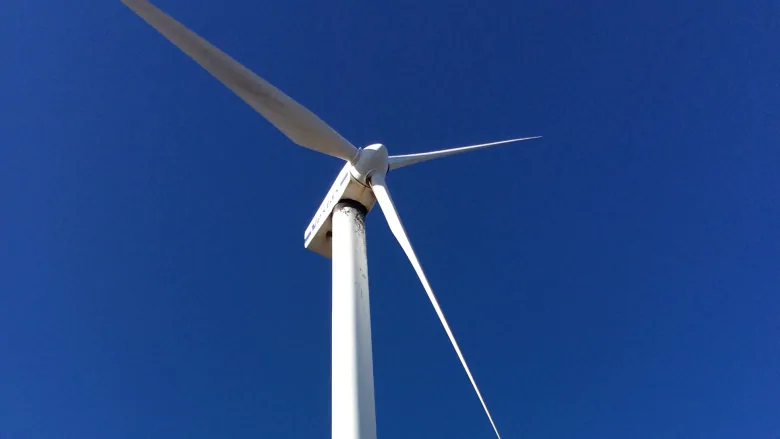
Coastal communities in California and Oregon are weighing the impacts and benefits of offshore wind electricity development, debating workforce agreements, local investments, and how the projects will shape regional grid integration.
Communities along California’s northern coast are participating in an evolving conversation about offshore wind electricity projects that could help decarbonize the state’s grid, create jobs, and transform local infrastructure, reflecting broader national discussions about the future of offshore wind development in the United States.
At A Glance
• Offshore wind planning gains traction on the West Coast
• Developers and community leaders negotiate benefit agreements
• Residents weigh economic gains against information overload
Offshore wind energy, once largely aspirational on the West Coast, is now progressing toward development and community engagement. Researchers working with partners from California and Oregon have begun gauging how coastal towns view the tradeoffs associated with large floating wind farms, including economic benefits and community involvement.
“These community benefit agreements were starting to get integrated into potential policy action,” said Julia Bingham, a postdoctoral scholar at Oregon State University involved in the research, a process that mirrors earlier offshore planning efforts overseen by federal agencies in regions such as the Northeast under initiatives like those led by the Bureau of Ocean Energy Management.
Community benefit agreements are contractual commitments developers make to invest in local priorities, such as workforce training, infrastructure improvements, or direct economic support for residents. In California, several companies that secured offshore wind lease areas off the coast committed millions of dollars to such agreements as part of their bids.
For example, California North Floating LLC, which leased an area off Eureka, committed $6.7 million toward community benefits under the terms of the lease. Advocates say these agreements can help ensure that local residents see tangible gains from the construction and operation of offshore wind electricity facilities, similar to economic commitments tied to large-scale projects such as the New York offshore wind farm developments.
“On the West Coast, offshore wind was a little farther behind,” Bingham said. “We wanted to use this as an opportunity to see what we’ve learned so far with using community benefit agreements and assess where West Coast communities were at with their needs.”
Despite enthusiasm in some quarters, the process has not been without challenges. Many residents have reported feeling overwhelmed by the sheer volume of technical information, regulatory details, and competing narratives about how offshore wind electricity projects will impact their communities.
“Some of it contradicts each other, depending on the source,” said Lauren Hart, a graduate research assistant at the Schatz Energy Research Center. “Folks aren’t really sure where to go.”
According to early findings from the study, many smaller, more rural communities may lack the capacity to engage deeply with complicated planning and negotiation processes. While some local leaders see offshore wind as an opportunity to attract jobs and investment, others are cautious or unsure about its long-term impacts on fisheries, coastal ecosystems, and property values.
The debate is unfolding against a backdrop of federal policy shifts that have created uncertainty for offshore wind developers. Even so, companies are moving forward with planning and environmental studies, and stakeholders in California hope that early community involvement will help shape projects in ways that reflect local needs, particularly as the state seeks to reduce reliance on California fossil fuel generation.
Offshore wind energy has the potential to become a meaningful source of clean electricity for California, particularly as demand continues to grow with electrification. Floating turbines far offshore can capture stronger, steadier wind resources than nearshore installations, generating power that can be transmitted onshore and integrated into regional grids.
Proponents see wider economic benefits, including the creation of manufacturing and port jobs and increased investment in coastal infrastructure. For fishing communities and those reliant on marine tourism, the potential gains are significant but come with concerns about maritime traffic, environmental impacts, and the extent to which local residents will directly benefit from projects.
“It brought about some really fun conversations,” said Hart, describing interactions with community members who were intrigued but unsure about where projects might head.
As the research continues, advocates hope the findings will help guide policymakers, developers, and community leaders toward models of engagement that balance economic opportunities with environmental and social considerations. While outcomes remain uncertain, the conversation marks a pivotal moment in how California communities are approaching new sources of electricity generation.
Related News
Winds of Change: Vineyard Wind Ushers in a New Era for Clean Energy
Vineyard Wind Offshore Wind Farm delivers clean power to Massachusetts near Martha's Vineyard, with 62…
View more
Bus depot bid to be UK's largest electric vehicle charging hub
First Glasgow Electric Buses will transform the Caledonia depot with 160 charging points, zero-emission operations,…
View more
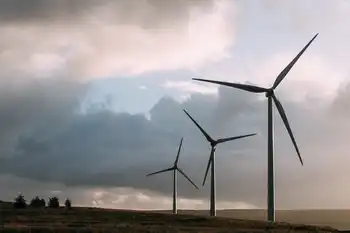
Invenergy and GE Renewable Energy complete largest wind project constructed in North America
North Central Energy Facilities deliver 1,484 MW of renewable power in Oklahoma, uniting Invenergy, GE…
View more
Massachusetts Issues Energy Storage Solicitation Offering $10M
Massachusetts Energy Storage Solicitation offers grants and matching funds via MassCEC and DOER for grid-connected,…
View more
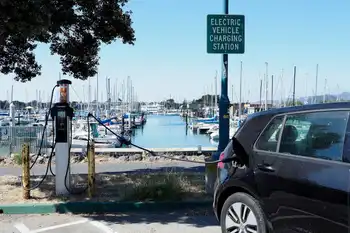
Electric vehicle owners can get paid to sell electricity back to the grid
Ontario EV V2G Pilots enable bi-directional charging, backup power, and grid services with IESO, Toronto…
View more
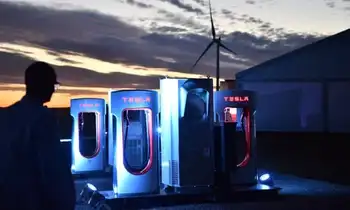
Elon Musk says cheaper, more powerful electric vehicle batteries are 3 years off
Tesla Battery Day Innovations detail larger cylindrical EV cells with higher energy density, greater power,…
View more
Sign Up for Electricity Forum’s Newsletter
Stay informed with our FREE Newsletter — get the latest news, breakthrough technologies, and expert insights, delivered straight to your inbox.
Electricity Today T&D Magazine Subscribe for FREE

Stay informed with the latest T&D policies and technologies.
- Timely insights from industry experts
- Practical solutions T&D engineers
- Free access to every issue

