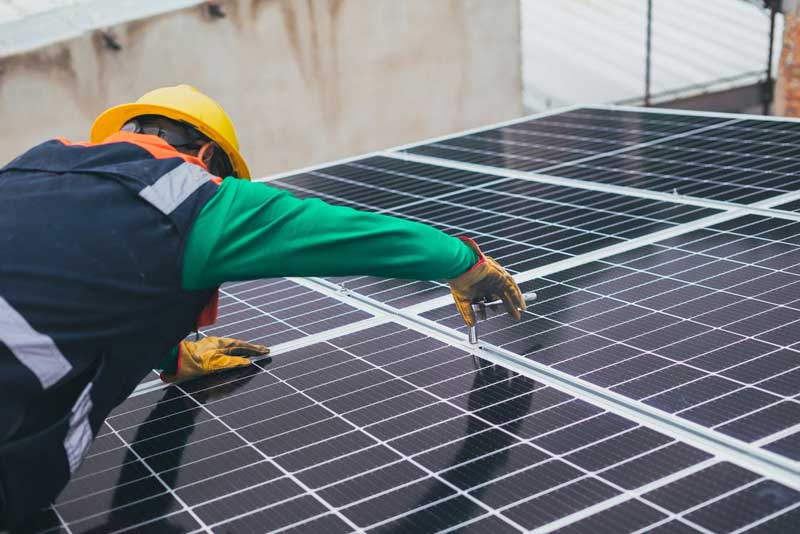
CSA Z462 Arc Flash Training - Electrical Safety Compliance
Our customized live online or in‑person group training can be delivered to your staff at your location.

- Live Online
- 6 hours Instructor-led
- Group Training Available
Regular Price:
$249
Coupon Price:
$199
SAN FRANCISCO
—
California’s rise in solar and battery electricity is cutting into natural gas generation, with utilities using storage during peak times to reduce reliance on fossil fuels and reshape the grid's resource mix.
California is seeing a substantial shift in how electricity is produced and consumed as solar power and battery storage reduce the state’s reliance on natural gas generation, reshaping the electricity mix and driving cleaner grid outcomes, a trend reinforced by recent assessments of statewide clean energy milestones documented in California Energy Commission progress updates.
At A Glance
• Solar and batteries reduce natural gas electricity output
• Batteries support peak demand with stored energy
• Trends show lower overall electricity emissions
Over the past several years, California’s utility-scale solar generation has surged, nearly doubling compared to earlier years. In the first eight months of 2025, solar output reached more than 40 billion kilowatt-hours, compared to roughly 22 billion kilowatt-hours in the same period just five years earlier. Meanwhile, natural gas output fell by about 18 percent over the same five-year span, reflecting the accelerated deployment of projects combining solar generation with large-scale battery systems.
Much of this shift reflects the rapidly declining cost of solar power and the increasing deployment of utility-scale battery storage systems. These batteries charge with abundant solar energy during midday hours and discharge the stored power during late afternoon and evening peaks, when demand is highest and solar output is limited.
Utility planners and grid operators say this dynamic is changing how California manages its electricity system. Rather than firing up gas-fired plants during peak demand, more utilities are relying on battery storage to supply evening loads, reducing the need for fossil-fuel generation and influencing market behavior, as evidenced by recent California electricity pricing changes.
“This transition is reshaping the grid,” said an energy industry analyst familiar with utility planning. “Solar and storage are increasingly displacing traditional generation sources, which helps reduce emissions and often lowers costs for consumers.”
The implications of this shift extend beyond emissions reductions. By reducing dependence on natural gas, grid planners can defer investments in new fossil fuel capacity and instead focus on integrating more renewables and energy storage. This also helps the state meet its clean energy goals, including mandates requiring 60 percent renewable electricity by 2030 and 100 percent carbon-free electricity by 2045.
While the trend is positive, experts say challenges remain. Solar output fluctuates with weather and seasons, and batteries have finite storage capacity. Utilities must still ensure reliability during times when solar generation is limited, especially during extended evening peaks or cloudy weather.
To address these challenges, energy planners are exploring a mix of strategies, including demand response programs, more distributed energy resources, and expanded transmission capacity to move power across regions as needed. Expanded interregional coordination has also increased opportunities for California electricity exports during periods of excess solar production.
Despite these challenges, the data shows a clear direction: solar and battery deployment is reducing the need for natural gas generation, lowering carbon emissions while maintaining reliability.
Related News
Reversing the charge - Battery power from evs to the grid could open a fast lane
Vehicle-to-Grid V2G unlocks EV charging flexibility and grid services, integrating renewable energy, demand response, and…
View more
Record numbers of solar panels were shipped in the United States during 2021
U.S. Solar Panel Shipments 2021 surged to 28.8 million kW of PV modules, tracking utility-scale…
View more
Solar produced 4.7% of U.S. electricity in 2022, generation up 25%
US Solar Electricity Generation 2022 rose to a 4.7% share, with 202,256 GWh, per EIA…
View more

Wind and solar power generated more electricity in the EU last year than gas. Here's how
EU Renewable Energy Transition accelerates as solar and wind overtake gas, cutting coal reliance and…
View more

Whooping cranes steer clear of wind turbines when selecting stopover sites
Whooping crane migration near wind turbines shows strong avoidance of stopover habitat within 5 km,…
View more
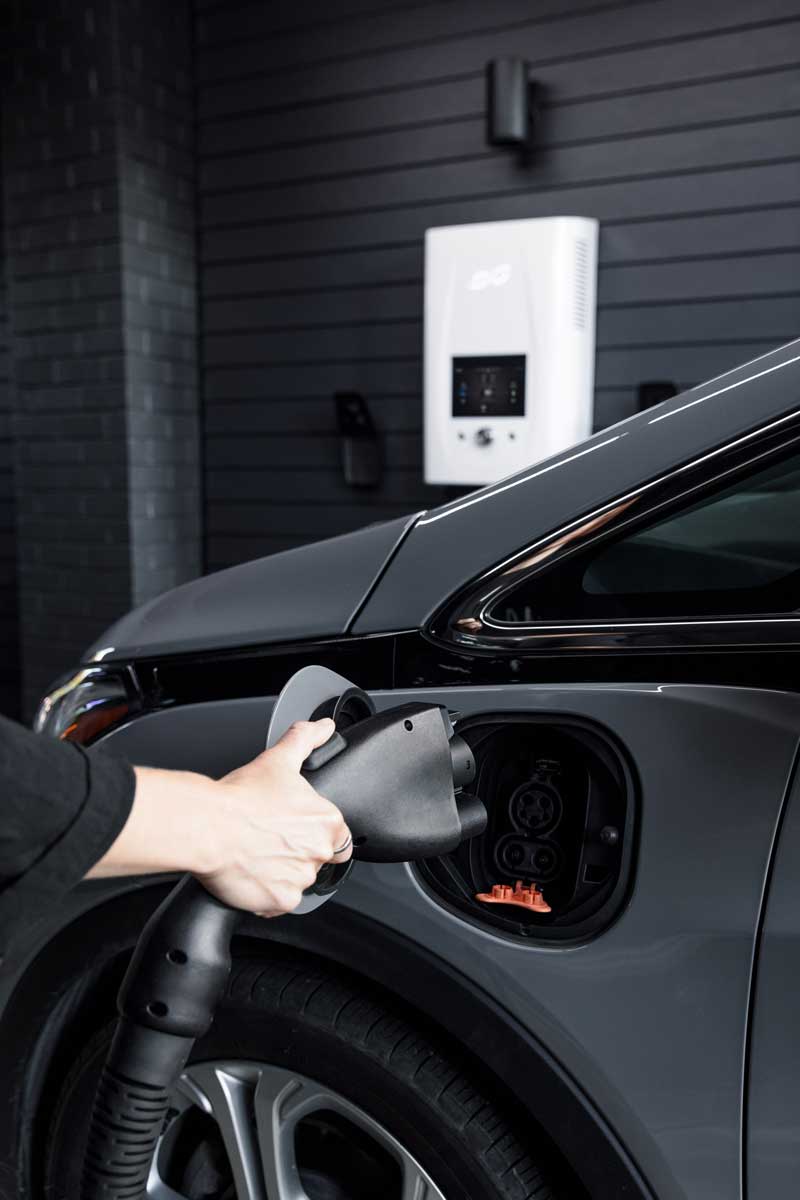
B.C. to triple public EV charging network to 3,500 ports by 2035
BC Hydro EV Charging Expansion will triple B.C.'s public charging network to 3,500 ports by…
View more
Sign Up for Electricity Forum’s Newsletter
Stay informed with our FREE Newsletter — get the latest news, breakthrough technologies, and expert insights, delivered straight to your inbox.
Electricity Today T&D Magazine Subscribe for FREE

Stay informed with the latest T&D policies and technologies.
- Timely insights from industry experts
- Practical solutions T&D engineers
- Free access to every issue
