China Approves New Power Plants

By


Arc Flash Training CSA Z462 - Electrical Safety Essentials

Our customized live online or in‑person group training can be delivered to your staff at your location.
  • Live Online
  • 6 hours Instructor-led
  • Group Training Available
Regular Price:
$249
Coupon Price:
$199
Reserve Your Seat Today
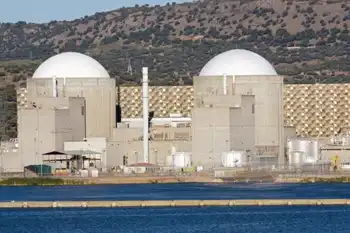
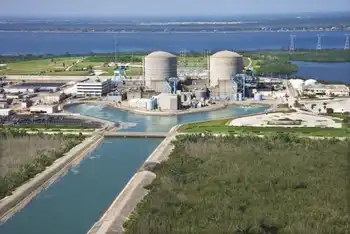
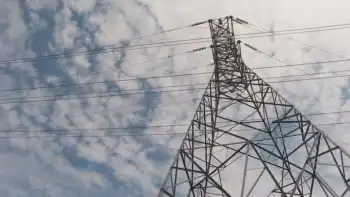
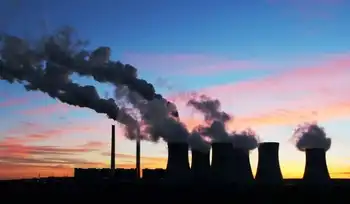
The Chinese government recently approved the construction of 13 large-scale power plants with a total investment of 51.2 billion yuan (6.2 billion US dollars), according to the State Development and Reform Commission (SDRC).

The power plants, which will begin construction in the next two to three years, will have a total electricity generating capacity of 11.88 million kilowatts.

Most of the planned power plants are located in electricity-strained areas, including northern, central, eastern, southern and southwestern parts of China.

According to the SDRC, upon completion, the power plants will help ease the demand for electricity supply in the next five years.

Since the beginning of the year, the Chinese government has approved the construction of more than 30 large-scale power plants, and work on 17 of them have been started.

The SDRC predicts that added electricity generating capacity in China will exceed 18.49 million kilowatts this year.

Related News
New York State Moratorium on Utility Disconnections During Emergencies

New York Utility Disconnection Ban protects residents during state emergencies, covering electric, gas, water, telecommunications, cable, and internet services, with penalties for noncompliance and options like deferred payment agreements and consumer protections.


Key Points

A proposed law barring shutoffs in state emergencies across electric, gas, water, telecom, cable, and internet.

✅ Applies during declared state and local emergencies statewide.

✅ Covers electric, gas, water, telecom, cable, and internet services.

✅ Noncompliance triggers penalties; payment plans required for arrears.


Governor Andrew M. Cuomo has announced a proposal to prohibit utility disconnections in regions that are under a state of emergency, addressing the energy insecurity many households face, as part of the 2021 State of the State. The Governor will propose legislation that will apply to electric, gas, water, telecommunications, cable and internet services. Utilities that fail to comply will be subject to penalties.

“In a year in which we dealt with an unprecedented pandemic, ferocious storms added insult to injury by knocking out power for hundreds of thousands of New Yorkers,” Governor Cuomo said. “Utility companies provide essential services, and we need to make sure they continue to provide them, rain or shine. That’s why we’re proposing legislation to make sure that New Yorkers, especially those living in regions under states of emergency, have access to these critical services to provide for themselves and their families.”

Governor Cuomo has taken a series of actions to protect New Yorkers’ access to utilities during the COVID-19 pandemic, including a suspension of shut-offs in New York and New Jersey, among other measures. Last year, the Governor signed legislation extending a moratorium that prevents utility companies from disconnecting utilities to residential households that are struggling with their bills due to the COVID-19 pandemic, a move mirrored by reconnection efforts in Ontario by Hydro One. Utility companies must instead offer these individuals a deferred payment agreement on any past-due balance. 

On November 19, Governor Cuomo announced that Con Edison now faces $25 million in penalties and possible license revocation from the New York State Public Service Commission, amid a broader review of retail energy markets by state regulators, following an investigation into the utility’s failed response during large-scale power outages in Manhattan and Brooklyn in July 2019. On November 2, Governor Cuomo announced that more than $328 million in home heating aid is now available, similar to Ontario bill support during the pandemic, for low- and middle-income New Yorkers who need assistance keeping their homes warm during the coming winter season.

The Governor has previously enacted some of the strongest and most progressive consumer protection and assistance programs in the country, including smart streetlights in Syracuse that reduce energy costs, and other initiatives. Governor Cuomo established New York’s energy affordability policy in 2016, as states pursue renewable energy ambitions that can affect rates, underscoring the need for affordability. The policy extended energy bill support to more than 152,000 additional New York families, ensuring that more than 920,000 New York families spend no more than 6 percent of their income on energy bills. Through this program, New York commits more than $238 million annually helping to keep the lights and heat on for our most vulnerable New Yorkers, while actively striving to expand coverage to additional families.


Related News

View more

California's solar energy gains go up in wildfire smoke

California Wildfire Smoke Impact on Solar reduces photovoltaic output, as particulate pollution, soot, and haze dim sunlight and foul panels, cutting utility-scale generation and grid reliability across CAISO during peak demand and heatwaves.


Key Points

How smoke and soot cut solar irradiance and foul panels, slashing PV generation and straining CAISO grid operations.

✅ Smoke blocks sunlight; soot deposition reduces panel efficiency.

✅ CAISO reported ~30% drop versus July during peak smoke.

✅ Longer fire seasons threaten solar reliability and capacity planning.


Smoke from California’s unprecedented wildfires was so bad that it cut a significant chunk of solar power production in the state, even as U.S. solar generation rose in 2022 nationwide. Solar power generation dropped off by nearly a third in early September as wildfires darkened the skies with smoke, according to the US Energy Information Administration.

Those fires create thick smoke, laden with particles that block sunlight both when they’re in the air and when they settle onto solar panels. In the first two weeks of September, soot and smoke caused solar-powered electricity generation to fall 30 percent compared to the July average, according to the California Independent System Operator (CAISO), which oversees nearly all utility-scale solar energy in California, where wind and solar curtailments have been rising amid grid constraints. It was a 13.4 percent decrease from the same period last year, even though solar capacity in the state has grown about 5 percent since September 2019.

California depends on solar installations for nearly 20 percent of its electricity generation, and has more solar capacity than the next five US states trailing it combined as it works to manage its solar boom sustainably. It will need even more renewable power to meet its goal of 100 percent clean electricity generation by 2045, building on a recent near-100% renewable milestone that underscored the transition. The state’s emphasis on solar power is part of its long-term efforts to avoid more devastating effects of climate change. But in the short term, California’s renewables are already grappling with rising temperatures.

Two records were smashed early this September that contributed to the loss of solar power. California surpassed 2 million acres burned in a single fire season for the first time (1.7 million more acres have burned since then). And on September 15th, small particle pollution reached the highest levels recorded since 2000, according to the California Air Resources Board. Winds that stoked the flames also drove pollution from the largest fires in Northern California to Southern California, where there are more solar farms.

Smaller residential and commercial solar systems were affected, too, and solar panels during grid blackouts typically shut off for safety, although smoke was the primary issue here. “A lot of my systems were producing zero power,” Steve Pariani, founder of the solar installation company Solar Pro Energy Systems, told the San Mateo Daily Journal in September.

As the planet heats up, California’s fire seasons have grown longer, and blazes are tearing through more land than ever before, while grid operators are also seeing rising curtailments as they integrate more renewables. For both utilities and smaller solar efforts, wildfire smoke will continue to darken solar energy’s otherwise bright future, even as it becomes the No. 3 renewable source in the U.S. by generation.


Related News

View more

BC Hydro completes major milestone on Site C transmission line work

Site C 500 kV transmission lines strengthen the BC Hydro grid, linking the new substation and Peace Canyon via a 75 kilometre right-of-way to deliver clean energy, with 400 towers built and both circuits energized.


Key Points

High-voltage lines connecting Site C substation to the BC Hydro grid, delivering clean energy via Peace Canyon.

✅ Two 75 km circuits between Site C and Peace Canyon

✅ Connect new 500 kV substation to BC Hydro grid

✅ Over 400 towers built along existing right-of-way


The second and final 500 kilovolt, 75 kilometre transmission line on the Site C project, which has faced stability questions in recent years, has been completed and energized.

With this milestone, the work to connect the new Site C substation to the BC Hydro grid, amid treaty rights litigation that has at times shaped schedules, is complete. Once the Site C project begins generating electricity, much like when the Maritime Link first power flowed between Newfoundland and Nova Scotia, the transmission lines will help deliver clean energy to the rest of the province.

The two 75 kilometre transmission lines run along an existing right-of-way between Site C and the Peace Canyon generating station, a route that has seen community concerns from some northerners. The project’s first 500 kilovolt, 75 kilometre transmission line – along with the Site C substation – were both completed and energized in the fall of 2020.

BC Hydro awarded the Site C transmission line construction contract to Allteck Line Contractors Inc. (now Allteck Limited Partnership) in 2018. Since construction started on this part of the project in summer 2018, crews have built more than 400 towers and strung lines, even as other interties like the Manitoba-Minnesota line have faced scheduling uncertainty, over a total of 150 kilometres.

The two transmission lines are a major component of the Site C project, comparable to initiatives such as the New England Clean Power Link in scale, which also consists of the new 500 kilovolt substation and expanding the existing Peace Canyon 500 kilovolt gas-insulated switchgear to incorporate the two new 500 kilovolt transmission line terminals.

Work to complete three other 500 kilovolt transmission lines that will span one kilometre between the Site C generating station and Site C substation, similar to milestones on the Maritime Link project, is still underway. This work is expected to be complete in 2023.


Related News

View more

Energy-hungry Europe to brighten profit at US solar equipment makers

European Solar Inverter Demand surges as photovoltaics and residential solar expand during the clean energy transition, driven by high natural gas prices; Germany leads, boosting Enphase and SolarEdge sales for rooftop systems and grid-tied installations.


Key Points

Rising European need for solar inverters, fueled by residential PV growth, high energy costs, and clean energy policies.

✅ Germany leads EU rooftop PV installations

✅ Enphase and SolarEdge see revenue growth

✅ High gas prices and policies spur adoption


Solar equipment makers are expected to post higher quarterly profit, benefiting from strong demand in Europe for critical components that convert energy from the sun into electricity, amid record renewable momentum worldwide.

The continent is emerging as a major market for solar firms as it looks to reduce its dependence on the Russian energy supply and accelerate its clean energy transition, with solar already reshaping power prices in Northern Europe across the region, brightening up businesses of companies such as Enphase Energy (ENPH.O) and SolarEdge Technologies (SEDG.O), which make solar inverters.

Wall Street expects Enphase and SolarEdge to post a combined adjusted net income of $323.8 million for the April-June quarter, a 56.7% jump from a year earlier, even as demand growth slows in the United States.

The energy crisis in Europe is not as acute as last year when Western sanctions on Russia severely crimped supplies, but prices of natural gas and electricity continue to be much higher than in the United States, Raymond James analyst Pavel Molchanov said.

As a result, demand for residential solar keeps growing at a strong pace in the region, with Germany being one of the top markets and solar adoption in Poland also accelerating in recent years across the region.

About 159,000 residential solar systems became operational in the first quarter in Germany amid a solar power boost that reflects policy and demand, a 146% rise from a year earlier, according to BSW solar power association.

Adoption of solar is also helping European homeowners have greater control over their energy costs as fossil fuel prices tend to be more volatile, Morningstar analyst Brett Castelli said.

SolarEdge, which has a bigger exposure to Europe than Enphase, said its first-quarter revenue from the continent more than doubled compared with last year.

In comparison, growth in the United States has been tepid due to lukewarm demand in states like Texas and Arizona where cheaper electricity prices make the economics of residential solar less attractive, even though solar is now cheaper than gas in parts of the U.S. market.

Higher interest rates following the U.S. Federal Reserve's recent actions to tame inflation are also weighing on demand, even as power outage risks rise across the United States.

Analysts also expect weakness in California where a new metering reform reduces the money credited to rooftop solar owners for sending excess power into the grid, underscoring how policy shifts can reshape the sector. The sunshine state accounts for nearly a third of the U.S. residential solar market.

Enphase will report its results on Thursday after the bell, while SolarEdge will release its second-quarter numbers on Aug. 1.


Related News

View more

Texas lawmakers propose electricity market bailout after winter storm

Texas Electricity Market Bailout proposes securitization bonds and ERCOT-backed fees after Winter Storm Uri, spreading costs via ratepayer charges on power bills to stabilize generators, co-ops, and retailers and avert bankruptcies and investor flight.


Key Points

State plan to securitize storm debts via ERCOT fees, adding bill charges to stabilize Texas power firms.

✅ Securitization bonds finance unpaid ancillary services and energy costs

✅ ERCOT fee spreads Winter Storm Uri debts across ratepayers statewide

✅ Aims to prevent bankruptcies, preserve grid reliability, reassure investors


An approximately $2.5 billion plan to bail out Texas’ distressed electricity market from the financial crisis caused by Winter Storm Uri in February has been approved by the Texas House.

The legislation would impose a fee — likely for the next decade or longer — on electricity companies, which would then get passed on to residential and business customers in their power bills, even as some utilities waived certain fees earlier in the crisis.

House lawmakers sent House Bill 4492 to the Senate on Thursday after a 129-15 vote. A similar bill is advancing in the Senate.

Some of the state’s electricity providers and generators are financially underwater in the aftermath of the February power outages, which left millions without power and killed more than 100 people. Electricity companies had to buy whatever power was available at the maximum rate allowed by Texas regulations — $9,000 per megawatt hour — during the week of the storm (the average price for power in 2020 was $22 per megawatt hour). Natural gas fuel prices also spiked more than 700% during the storm.

Several companies are nearing default on their bills to the Electric Reliability Council of Texas, which manages the Texas power grid that covers most of the state and facilitates financial transactions in it.

Rural electric cooperatives were especially hard hit; Brazos Electric Power Cooperative, which supplies electricity to 1.5 million customers, filed for bankruptcy citing a $1.8 billion debt to ERCOT.

State Rep. Chris Paddie, R-Marshall, the bill’s author, said a second bailout bill will be necessary during the current legislative session for severely distressed electric cooperatives.

“This is a financial crisis, and it’s a big one,” James Schaefer, a senior managing director at Guggenheim Partners, an investment bank, told lawmakers at a House State Affairs Committee hearing in early April. He warned that more bankruptcies would cause higher costs to customers and hurt the state’s image in the eyes of investors.

“You’ve got to free the system,” Schaefer said. “It’s horrible that a bunch of folks have to pay, but it’s a system-wide failure. If you let a bunch of folks crash, it’s not a good look for your state.”

If approved by the Senate and Gov. Greg Abbott, a newly-created Texas Electric Securitization Corp. would use the money raised from the fees for bonds to help pay the companies’ debts, including costs for ancillary services, a financial product that helps ensure power is continuously generated and improve electricity reliability across the grid.

Paddie told his colleagues Wednesday that he could not yet estimate how long the new fee would be imposed, but during committee hearings lawmakers estimated it’s likely to be at least a decade. Several other bills to spread out the costs of the winter storm and consider market reforms are also moving through the Legislature.

ERCOT’s independent market monitor recommended in March that energy sold during that period be repriced at a lower rate, which would have allowed ERCOT to claw back about $4.2 billion in payments to power generators, but the Public Utility Commission declined to do so, even as a court ruling on plant obligations in emergencies drew scrutiny among market participants.

Instead, lawmakers are pushing for bailouts that several energy experts have said is needed, both to ensure distressed companies don’t pass enormous costs on to their customers and to prevent electricity investors and companies from leaving the state if it’s viewed as too risky to continue doing business.

Becky Klein, an energy consultant in Austin and former chair of the Public Utility Commission who played a key role in de-regulating Texas’ electricity market two decades ago, said during a retail electricity panel hosted by Integrate that legislation is necessary to provide “some kind of backstop during a crazy market crisis like this to show the financial market that we’re willing to provide some relief.”

Still, some lawmakers are concerned with how they will win public support, including potential voter-approved funding measures, for bills to bail out the state’s electricity market.

“I have to go back to Laredo and say, ‘I know you didn’t have electricity for several days, but now I’m going to make you pay a little more for the next 20 years,’” state Rep. Richard Peña Raymond, D-Laredo, said during an early April discussion on the plan in the House State Affairs Committee. He said he voted for the bill because it’s in the best interest of the state.

Paddie, during the same committee hearing, acknowledged that “none of us want to increase fees or taxes.” However, he said, “We have to deal with the reality set before us.”


Related News

View more

Blood Nickel and Canada's Role in Global Mining Sustainability

Blood Nickel spotlights ethical sourcing in the EV supply chain, linking nickel mining to human rights, environmental impact, ESG standards, and Canadian leadership in sustainable extraction, transparency, and community engagement across global battery materials markets.


Key Points

Blood Nickel is nickel mined under unethical or harmful conditions, raising ESG, human rights, and environmental risks.

✅ Links EV battery supply chains to social and environmental harm

✅ Calls for transparency, traceability, and ethical sourcing standards

✅ Highlights Canada's role in sustainable mining and community benefits


The rise of electric vehicles (EVs) has sparked a surge in demand for essential battery components, particularly nickel, and related cobalt market pressures essential for their batteries. This demand has ignited concerns about the environmental and social impacts of nickel mining, particularly in regions where standards may not meet global sustainability benchmarks. This article explores the concept of "blood nickel," its implications for the environment and communities, and Canada's potential role in promoting sustainable mining practices.

The Global Nickel Boom

As the automotive industry shifts towards electric vehicles, nickel has emerged as a critical component for lithium-ion batteries due to its ability to store energy efficiently. This surge in demand has led to a global scramble for nickel, with major producers ramping up extraction efforts to meet market needs amid EV shortages and wait times that underscore supply constraints. However, this rapid expansion has raised alarms about the environmental consequences of nickel mining, including deforestation, water pollution, and carbon emissions from energy-intensive extraction processes.

Social Impacts: The Issue of "Blood Nickel"

Beyond environmental concerns, the term "blood nickel" has emerged to describe nickel mined under conditions that exploit workers, disregard human rights, or fail to uphold ethical labor standards. In some regions, nickel mining has been linked to issues such as child labor, unsafe working conditions, and displacement of indigenous communities. This has prompted calls for greater transparency and accountability in global supply chains, with initiatives like U.S.-ally efforts to secure EV metals aiming to align sourcing standards, to ensure that the benefits of EV production do not come at the expense of vulnerable populations.

Canada's Position and Potential

Canada, home to significant nickel deposits, stands at a pivotal juncture in the global EV revolution, supported by EV assembly deals in Canada that strengthen domestic manufacturing. With its robust regulatory framework, commitment to environmental stewardship, and advanced mining technologies, Canada has the potential to lead by example in sustainable nickel mining practices. Canadian companies are already exploring innovations such as cleaner extraction methods, renewable energy integration, and community engagement initiatives to minimize the environmental footprint and enhance social benefits of nickel mining.

Challenges and Opportunities

Despite Canada's potential, the mining industry faces challenges in balancing economic growth with environmental and social responsibility and building integrated supply chains, including downstream investments like a battery plant in Niagara that can connect materials to markets. Achieving sustainable mining practices requires collaboration among governments, industry stakeholders, and local communities to establish clear guidelines, monitor compliance, and invest in responsible resource development. This approach not only mitigates environmental impacts but also fosters long-term economic stability and social well-being in mining regions.

Pathways to Sustainability

Moving forward, Canada can play a pivotal role in shaping the global nickel supply chain by promoting transparency, ethical sourcing, and environmental stewardship. This includes advocating for international standards that prioritize sustainable mining practices, supporting research and development of cleaner technologies, and leveraging adjacent resources such as Alberta lithium potential to diversify battery supply chains, while fostering partnerships with global stakeholders to ensure a fair and equitable transition to a low-carbon economy.

Conclusion

The rapid growth of electric vehicles has propelled nickel into the spotlight, highlighting both its strategic importance and the challenges associated with its extraction. As global demand for "green" metals intensifies, addressing the concept of "blood nickel" becomes increasingly urgent, even as trade measures like tariffs on Chinese EVs continue to reshape market incentives. Canada, with its rich nickel reserves and commitment to sustainability, has an opportunity to lead the charge towards ethical and responsible mining practices. By leveraging its strengths in innovation, regulation, and community engagement, Canada can help forge a path towards a more sustainable future where electric vehicles drive progress without compromising environmental integrity or social justice.


Related News

View more

Sign Up for Electricity Forum’s Newsletter

Stay informed with our FREE Newsletter — get the latest news, breakthrough technologies, and expert insights, delivered straight to your inbox.

Electricity Today T&D Magazine Subscribe for FREE

Stay informed with the latest T&D policies and technologies.
  • Timely insights from industry experts
  • Practical solutions T&D engineers
  • Free access to every issue

Download the 2025 Electrical Training Catalog

Explore 50+ live, expert-led electrical training courses –

  • Interactive
  • Flexible
  • CEU-cerified