Cable to join China and Hainan to South Power Grid

By Interfax Information Services, B.V.


High Voltage Maintenance Training Online

Our customized live online or in‑person group training can be delivered to your staff at your location.
  • Live Online
  • 12 hours Instructor-led
  • Group Training Available
Regular Price:
$599
Coupon Price:
$499
Reserve Your Seat Today
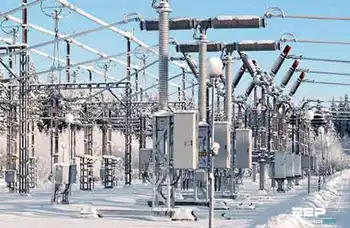
In a bid to connect southern China's island province of Hainan to China's South Power Grid, a high-voltage cable to cross the Qiongzhou Straits will be built, a senior official surnamed Zhou, with the Hainan Development Planning Commission, confirmed to Interfax. Currently, the South Power Grid covers the three provinces of Guangdong, Yunnan and Guizhou, as well as the Guangxi Zhuang Autonomous Region.

Designed to have 600,000 kW of power transmission capacity with another potential 1.2 mln kW to be retained for further expansion, the cross-strait project consists of laying 31-km of undersea cable and altogether 144 km of over-strait cable. The cable will connect the two planned 500-kV converting substations, one in Haikou, the capital of Hainan, and another in Guangdong's Zhanjiang City.

Scheduled to start at the end of next year and come on stream in 2005, the project is estimated to cost up to RMB 1.512 bln, reported the semi-official news agency, Zhongguo Xinwen She.

"The project is consistent with China's power grid development strategy that will finally integrate all the power grids across the country", Zhou told Interfax. "Link-up of the grids is anticipated to optimize distribution of the power resources in the provinces and regions sheltered under the South China Power Grid."

According to Zhou, even though power supplies in Hainan remain self sufficient so far, a latent shortfall in the near future is nevertheless foreseen, which will require power supplies from southwestern Yunnan and Guizhou provinces, the two significant contributors to the West-East Power Transmission Project. In the meantime, he explained, "Completion of the project paves the way for the transmission of Hainan's natural gas-fueled electricity to nearby power-hunger Guangdong Province, by taking full advantage of Hainan's rich offshore natural gas resources in the South China Sea."

Related News
US Grid Gets an Overhaul for Renewables

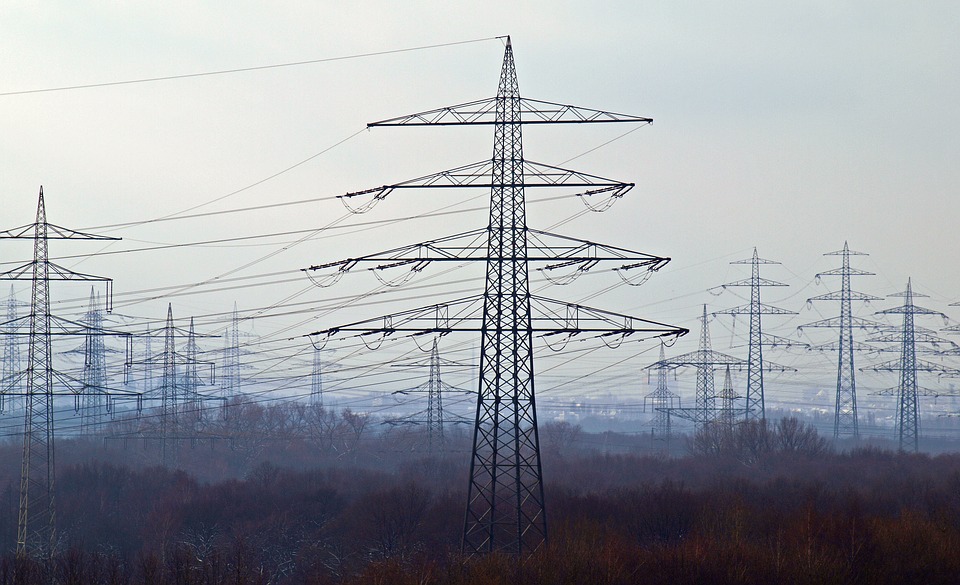
FERC Transmission Planning Overhaul streamlines interregional grid buildouts, enabling high-voltage lines, renewable integration, and grid reliability to scale, cutting fossil reliance while boosting decarbonization, climate resilience, and affordability across regions facing demand and extreme weather.


Key Points

Federal rule updating interregional grid planning to integrate renewables, share costs, and improve reliability.

✅ Accelerates high-voltage, interregional lines for renewable transfer

✅ Optimizes transmission planning and cost allocation frameworks

✅ Boosts grid reliability, resilience, and emissions reductions


The US took a significant step towards a cleaner energy future on May 13th, 2024. The Federal Energy Regulatory Commission (FERC) approved the first major update to the country's electric transmission policy in over a decade, while congressional Democrats continue to push for action on aggregated DERs within FERC's remit today. This overhaul aims to streamline the process of building new power lines, specifically those that connect different regions. This improved connectivity is crucial for integrating more renewable energy sources like wind and solar into the national grid.

The current system faces challenges in handling the influx of renewables, and the aging U.S. grid amplifies those hurdles today. Renewable energy sources are variable by nature – the sun doesn't always shine, and the wind doesn't always blow. Traditionally, power grids have relied on constantly running power plants, like coal or natural gas, to meet electricity demands. These plants can be easily adjusted to produce more or less power as needed. However, renewable energy sources require a different approach.

The new FERC policy focuses on building more interregional transmission lines. These high-voltage power lines would allow electricity generated in regions with abundant solar or wind power, and even enable imports of green power from Canada in certain corridors, to be transmitted to areas with lower renewable energy resources. For example, solar energy produced in sunny states like California could be delivered to meet peak demand on the East Coast during hot summer days.

This improved connectivity offers several advantages. Firstly, it allows for a more efficient use of renewable resources. Secondly, it reduces the need for fossil fuel-based power plants, leading to cleaner air and lower greenhouse gas emissions. Finally, a more robust grid is better equipped to handle extreme weather events, which are becoming increasingly common due to climate change, and while Biden's climate law shows mixed results on decarbonization, stronger transmission supports resilience.

The need for an upgrade is undeniable. The Biden administration has set ambitious goals for decarbonizing the power sector by 2035, including proposals for a clean electricity standard as a pathway to those targets. A study by the US Department of Energy estimates that achieving this target will require more than doubling the country's regional transmission capacity and increasing interregional capacity by more than fivefold. The aging US grid is already struggling to keep up with current demands, and without significant improvements, it could face reliability issues in the future.

The FERC's decision has been met with praise from environmental groups and renewable energy companies. They see it as a critical step towards achieving a clean energy future. However, some stakeholders, including investor-owned utilities, have expressed concerns about the potential costs associated with building new transmission lines, citing persistent barriers to development identified in recent Senate testimony. Finding the right balance between efficiency, affordability, and environmental responsibility will be key to the success of this initiative.

The road ahead won't be easy. Building new power lines is a complex process that can face opposition from local communities, and broader disputes over electricity pricing changes often complicate planning and approvals. However, the potential benefits of a modernized grid are significant. By investing in this overhaul, the US is taking a crucial step towards a more reliable, sustainable, and cleaner energy future.


Related News

View more

Carbon capture: How can we remove CO2 from the atmosphere?

CO2 Removal Technologies address climate change via negative emissions, including carbon capture, reforestation, soil carbon, biochar, BECCS, DAC, and mineralization, helping meet Paris Agreement targets while managing costs, land use, and infrastructure demands.


Key Points

Methods to extract or sequester atmospheric CO2, combining natural and engineered approaches to limit warming.

✅ Includes reforestation, soil carbon, biochar, BECCS, DAC, mineralization

✅ Balances climate goals with costs, land, energy, and infrastructure

✅ Key to Paris Agreement targets under 1.5-2.0 °C warming


The world is, on average, 1.1 degrees Celsius warmer today than it was in 1850. If this trend continues, our planet will be 2 – 3 degrees hotter by the end of this century, according to the Intergovernmental Panel on Climate Change (IPCC).

The main reason for this temperature rise is higher levels of atmospheric carbon dioxide, which cause the atmosphere to trap heat radiating from the Earth into space. Since 1850, the proportion of CO2 in the air has increased, with record greenhouse gas concentrations documented, from 0.029% to 0.041% (288 ppm to 414 ppm).

This is directly related to the burning of coal, oil and gas, which were created from forests, plankton and plants over millions of years. Back then, they stored CO2 and kept it out of the atmosphere, but as fossil fuels are burned, that CO2 is released. Other contributing factors include industrialized agriculture and slash-and-burn land clearing techniques, and emissions from SF6 in electrical equipment are also concerning today.

Over the past 50 years, more than 1200 billion tons of CO2 have been emitted into the planet's atmosphere — 36.6 billion tons in 2018 alone, though global emissions flatlined in 2019 before rising again. As a result, the global average temperature has risen by 0.8 degrees in just half a century.


Atmospheric CO2 should remain at a minimum
In 2015, the world came together to sign the Paris Climate Agreement which set the goal of limiting global temperature rise to well below 2 degrees — 1.5 degrees, if possible.

The agreement limits the amount of CO2 that can be released into the atmosphere, providing a benchmark for the global energy transition now underway. According to the IPCC, if a maximum of around 300 billion tons were emitted, there would be a 50% chance of limiting global temperature rise to 1.5 degrees. If CO2 emissions remain the same, however, the CO2 'budget' would be used up in just seven years.

According to the IPCC's report on the 1.5 degree target, negative emissions are also necessary to achieve the climate targets.


Using reforestation to remove CO2
One planned measure to stop too much CO2 from being released into the atmosphere is reforestation. According to studies, 3.6 billion tons of CO2 — around 10% of current CO2 emissions — could be saved every year during the growth phase. However, a study by researchers at the Swiss Federal Institute of Technology, ETH Zurich, stresses that achieving this would require the use of land areas equivalent in size to the entire US.

Young trees at a reforestation project in Africa (picture-alliance/OKAPIA KG, Germany)
Reforestation has potential to tackle the climate crisis by capturing CO2. But it would require a large amount of space


More humus in the soil
Humus in the soil stores a lot of carbon. But this is being released through the industrialization of agriculture. The amount of humus in the soil can be increased by using catch crops and plants with deep roots as well as by working harvest remnants back into the ground and avoiding deep plowing. According to a study by the German Institute for International and Security Affairs (SWP) on using targeted CO2 extraction as a part of EU climate policy, between two and five billion tons of CO2 could be saved with a global build-up of humus reserves.


Biochar shows promise
Some scientists see biochar as a promising technology for keeping CO2 out of the atmosphere. Biochar is created when organic material is heated and pressurized in a zero or very low-oxygen environment. In powdered form, the biochar is then spread on arable land where it acts as a fertilizer. This also increases the amount of carbon content in the soil. According to the same study from the SWP, global application of this technology could save between 0.5 and two billion tons of CO2 every year.


Storing CO2 in the ground
Storing CO2 deep in the Earth is already well-known and practiced on Norway's oil fields, for example. However, the process is still controversial, as storing CO2 underground can lead to earthquakes and leakage in the long-term. A different method is currently being practiced in Iceland, in which CO2 is sequestered into porous basalt rock to be mineralized into stone. Both methods still require more research, however, with new DOE funding supporting carbon capture, utilization, and storage.

Capturing CO2 to be held underground is done by using chemical processes which effectively extract the gas from the ambient air, and some researchers are exploring CO2-to-electricity concepts for utilization. This method is known as direct air capture (DAC) and is already practiced in other parts of Europe.  As there is no limit to the amount of CO2 that can be captured, it is considered to have great potential. However, the main disadvantage is the cost — currently around €550 ($650) per ton. Some scientists believe that mass production of DAC systems could bring prices down to €50 per ton by 2050. It is already considered a key technology for future climate protection.

The inside of a carbon capture facility in the Netherlands (RWE AG)
Carbon capture facilities are still very expensive and take up a huge amount of space

Another way of extracting CO2 from the air is via biomass. Plants grow and are burned in a power plant to produce electricity. CO2 is then extracted from the exhaust gas of the power plant and stored deep in the Earth, with new U.S. power plant rules poised to test such carbon capture approaches.

The big problem with this technology, known as bio-energy carbon capture and storage (BECCS) is the huge amount of space required. According to Felix Creutzig from the Mercator Institute on Global Commons and Climate Change (MCC) in Berlin, it will therefore only play "a minor role" in CO2 removal technologies.


CO2 bound by rock minerals
In this process, carbonate and silicate rocks are mined, ground and scattered on agricultural land or on the surface water of the ocean, where they collect CO2 over a period of years. According to researchers, by the middle of this century it would be possible to capture two to four billion tons of CO2 every year using this technique. The main challenges are primarily the quantities of stone required, and building the necessary infrastructure. Concrete plans have not yet been researched.


Not an option: Fertilizing the sea with iron
The idea is use iron to fertilize the ocean, thereby increasing its nuturient content, which would allow plankton to grow stronger and capture more CO2. However, both the process and possible side effects are very controversial. "This is rarely treated as a serious option in research," concludes SWP study authors Oliver Geden and Felix Schenuit.


Related News

View more

More young Canadians would work in electricity… if they knew about it

Generation Impact Report reveals how Canada's electricity sector can recruit Millennials and Gen Z, highlighting workforce gaps, career pathways, innovative projects, secure pay, and renewable energy opportunities to attract young talent nationwide.


Key Points

An EHRC survey on youth views of electricity careers and recruitment strategies to build a skilled workforce.

✅ Surveyed 1,500 Canadians aged 18-36 nationwide

✅ Highlights barriers: low awareness of sector roles

✅ Emphasizes fulfilling work, secure pay, innovation


Young Canadians make up far less of the electricity workforce than other sectors, says Electricity Human Resources Canada, as noted in an EHRC investment announcement that highlights sector priorities, and its latest report aims to answer the question “Why?”.

The report, “Generation Impact: Future Workforce Perspectives”, was based on a survey of 1500 respondents across Canada between the ages of 18 and 36. This cohort’s perspectives on the electricity sector were mostly Positive or Neutral, and that Millennial and Gen Z Canadians are largely open to considering careers in electricity, especially as initiatives such as a Nova Scotia energy training program expand access.

The biggest barrier is a knowledge gap in electrical safety that limits awareness of the opportunities available.

To an industry looking to develop a pipeline of young talent, “Generation Impact” reveals opportunities for recruitment; key factors that Millennial and Gen Z Canadians seek in their ideal careers include fulfilling work, secure pay and the chance to be involved in innovative projects, including specialized arc flash training in Vancouver opportunities that build expertise.

“The electricity sector is already home to the kinds of fulfilling and innovative careers that many in the Millennial and Gen Z cohorts are looking for,” said Michelle Branigan, CEO of EHRC. “Now it’s just a matter of communicating effectively about the opportunities and benefits, including leadership in worker safety initiatives, our sector can offer.”

“Engaging young workers in Canada’s electricity sector is critical for developing the resiliency and innovation needed to support the transformation of Canada’s energy future, especially as working from home drives up electricity bills and reshapes demand,” said Seamus O’Regan, Canada’s Minister of Natural Resources. “The insights of this report will help to position the sector competitively to leverage the talent and skills of young Canadians.”

“Generation Impact” was funded in part by the Government of Canada’s Student Work Placement Program and Natural Resources Canada’s Emerging Renewable Power Program, in a context of rising residential electricity use that underscores workforce needs.


Related News

View more

If B.C. wants to electrify all road vehicles by 2055, it will need to at least double its power output: study

B.C. EV Electrification 2055 projects grid capacity needs doubling to 37 GW, driven by electric vehicles, renewable energy expansion, wind and solar generation, limited natural gas, and policy mandates for zero-emission transportation.


Key Points

A projection that electrifying all B.C. road transport by 2055 would more than double grid demand to 37 GW.

✅ Site C adds 1.1 GW; rest from wind, solar, limited natural gas.

✅ Electricity price per kWh rises 9%, but fuel savings offset.

✅ Significant GHG cuts with 93% renewable grid under Clean Energy Act.


Researchers at the University of Victoria say that if B.C. were to shift to electric power for all road vehicles by 2055, the province would require more than double the electricity now being generated.

The findings are included in a study to be published in the November issue of the Applied Energy journal.

According to co-author and UVic professor Curran Crawford, the team at the university's Pacific Institute for Climate Solutions took B.C.'s 2015 electrical capacity of 15.6 gigawatts as a baseline, and added projected demands from population and economic growth, then added the increase that shifting to electric vehicles would require, while acknowledging power supply challenges that could arise.

They calculated the demand in 2055 would amount to 37 gigawatts, more than double 15.6 gigawatts used in 2015 as a baseline, and utilities warn of a potential EV charging bottleneck if demand ramps up faster than infrastructure.

"We wanted to understand what the electricity requirements are if you want to do that," he said. "It's possible — it would take some policy direction."

B.C. announces $4M in rebates for home and work EV charging stations across the province
The team took the planned Site C dam project into account, but that would only add 1.1 gigawatts of power. So assuming no other hydroelectric dams are planned, the remainder would likely have to come from wind and solar projects and some natural gas.

"Geothermal and biomass were also in the model," said Crawford, adding that they are more expensive electricity sources. "The model we were using, essentially, we're looking for the cheapest options."
Wind turbines on the Tantramar Marsh between Nova Scotia and New Brunswick tower over the Trans-Canada Highway. If British Columbia were to shift to 100 per cent electric-powered ground transportation by 2055, the province would have to significantly increase its wind and solar power generation. (Eric Woolliscroft/CBC)
The electricity bill, per kilowatt hour, would increase by nine per cent, according to the team's research, but Crawford said getting rid of the gasoline and diesel now used to fuel vehicles could amount to an overall cost saving, especially when combined with zero-emission vehicle incentives available to consumers.

The province introduced a law this year requiring that all new light-duty vehicles sold in B.C. be zero emission by 2040, while the federal 2035 EV mandate adds another policy signal, so the researchers figured 2055 was a reasonable date to imagine all vehicles on the road to be electric.

Crawford said hydrogen-powered vehicles weren't considered in the study, as the model used was already complicated enough, but hydrogen fuel would actually require more electricity for the electrolysis, when compared to energy stored in batteries.

Electric vehicles are approaching a tipping point as faster charging becomes more available — here's why
The study also found that shifting to all-electric ground transportation in B.C. would also mean a significant decrease in greenhouse gas emissions, assuming the Clean Energy Act remains in place, which mandates that 93 per cent of grid electricity must come from renewable resources, whereas nationally, about 18 per cent of electricity still comes from fossil fuels, according to 2019 data. 

"Doing the electrification makes some sense — If you're thinking of spending some money to reduce carbon emissions, this is a pretty cost effective way of doing that," said Crawford.


Related News

View more

Electricity and water do mix: How electric ships are clearing the air on the B.C. coast

Hybrid Electric Ships leverage marine batteries, LNG engines, and clean propulsion to cut emissions in shipping. From ferries to cargo vessels, electrification and sustainability meet IMO regulations, Corvus Energy systems, and dockside fast charging.


Key Points

Hybrid electric ships use batteries with diesel or LNG engines to cut fuel and emissions and meet stricter IMO rules.

✅ LNG or diesel gensets recharge marine battery packs.

✅ Cuts CO2, NOx, and particulate emissions in port and at sea.

✅ Complies with IMO standards; enables quiet, efficient operations.


The river is running strong and currents are swirling as the 150-metre-long Seaspan Reliant slides gently into place against its steel loading ramp on the shores of B.C.'s silty Fraser River.

The crew hustles to tie up the ship, and then begins offloading dozens of transport trucks that have been brought over from Vancouver Island.

While it looks like many vessels working the B.C. coast, below decks, the ship is very different. The Reliant is a hybrid, partly powered by electricity, and joins BC Ferries' hybrid ships in the region, the seagoing equivalent of a Toyota Prius.

Down below decks, Sean Puchalski walks past a whirring internal combustion motor that can run on either diesel or natural gas. He opens the door to a gleaming white room full of electrical cables and equipment racks along the walls.

"As with many modes of transportation, we're seeing electrification, from electric planes to ferries," said Puchalski, who works with Corvus Energy, a Richmond, B.C. company that builds large battery systems for the marine industry.

In this case, the batteries are recharged by large engines burning natural gas.

"It's definitely the way of the future," said Puchalski.

The 10-year-old company's battery system is now in use on 200 vessels around the world. Business has spiked recently, driven by the need to reduce emissions, and by landmark projects such as battery-electric high-speed ferries taking shape in the U.S.

"When you're building a new vessel, you want it to last for, say, 30 years. You don't want to adopt a technology that's on the margins in terms of obsolescence," said Puchalski. "You want to build it to be future-proof."


Dirty ships

For years, the shipping industry has been criticized for being slow to clean up its act. Most ships use heavy fuel oil, a cheap, viscous form of petroleum that produces immense exhaust. According to the European Commission, shipping currently pumps out about 940 million tonnes of CO2 each year, nearly three per cent of the global total.

That share is expected to climb even higher as other sectors reduce emissions.

When it comes to electric ships, Scandinavia is leading the world. Several of the region's car and passenger ferries are completely battery powered — recharged at the dock by relatively clean hydro power, and projects such as Kootenay Lake's electric-ready ferry show similar progress in Canada.


Tougher regulations and retailer pressure

The push for cleaner alternatives is being partly driven by worldwide regulations, with international shipping regulators bringing in tougher emission standards after a decade of talk and study, while financing initiatives are helping B.C. electric ferries scale up.

At the same time, pressure is building from customers, such as Mountain Equipment Co-op, which closely tracks its environmental footprint. Kevin Lee, who heads MEC's supply chain, said large companies are realizing they are accountable for their contributions to climate change, from the factory to the retail floor.

"You're hearing more companies build it into their DNA in terms of how they do business, and that's cool to see," said Lee. "It's not just MEC anymore trying to do this, there's a lot more partners out there."

In the global race to cut emissions, all kinds of options are on the table for ships, including giant kites being tested to harvest wind power at sea, and ports piloting hydrogen-powered cranes to cut dockside emissions.

Modern versions of sailing ships are also being examined to haul cargo with minimal fuel consumption.

But in practical terms, hybrids and, in the future, pure electrics are likely to play a larger role in keeping the propellers turning along Canada's coast, with neighboring fleets like Washington State Ferries' upgrade underscoring the shift.


Related News

View more

Want Clean And Universal Electricity? Create The Incentives To Double The Investment, World Leaders Say

IRENA Climate Investment Platform accelerates renewable energy financing through de-risking, bankable projects, and public-private partnerships, advancing Paris Agreement goals via grid integration, microgrids, and decarbonization while expanding access, jobs, and sustainable economic growth.


Key Points

A global platform linking bankable renewable projects with finance, derisking and partners to scale decarbonization.

✅ Connects developers with banks, funds, and insurers

✅ Promotes de-risking via policy, PPAs, and legal frameworks

✅ Targets Paris goals with grid, microgrids, and off-grid access


The heads-of-state and energy ministers from more than 120 nations just met in Abu Dhabi and they had one thing in common: a passion to increase the use of renewable energy to reduce the threat from global warming — one that will also boost economic output and spread prosperity. Access to finance, though, is critical to this goal. 

Indeed, the central message to emerge from the conference hosted by the International Renewable Energy Agency (IRENA) this week in the United Arab Emirates is that a global energy transition is underway that has the potential to revitalize economies and to lift people out of poverty. But such a conversion requires international cooperation and a common desire to address the climate cause. 

“The renewable energy sector created jobs employing 11 million people in 2019 and provided off-grid solutions, having helped bring the number of people with no access to electricity to under 1 billion,” the current president of the UN General Assembly Tiijani Muhammad-Bande of Nigeria told the audience. 

Today In: Business
While renewables are improving energy access and reducing inequities, they also have the potential to curb CO2 emissions globally. The goal is to shrink them by 45% by 2030 and 90% by 2050, with Canada's net-zero race highlighting the role of renewable energy in achieving those targets. Getting there, though, requires progressive government policies that will help to attract financing. 

According to IRENA, investment in the clean energy sector is now at $330 billion a year. But if the 2050 goals are to be reached, those levels must nearly double to $750 billion annually. The green energy sector does not want to compete with the oil and gas sectors but rather, it is seeking to diversify fuel sources — a strategy that could help make electricity systems more resilient to climate risks. To hit the Paris agreement’s targets, it says that renewable energy deployment must increase by a factor of six.  

To that end, IRENA is forming a “climate investment platform” that will bring ideas to the table and then introduce prospective parties. It will focus on those projects that it believes are “bankable.”

It’s about helping project developers find banks, private companies and pension funds to finance their worthy projects, IRENA Director General Francesco La Camera said in response to this reporter’s question. Moreover, he said that the platform would work to ensure there is a sound legal structure and that there is legislative support to “de-risk” the investments. 

“Overcoming investment needs for energy transformation infrastructure is one of the most notable barriers to the achievement of national goals,” La Camera says. “Therefore, the provision of capital to support the adoption of renewable energy is key to low-carbon sustainable economic development and plays a central role in bringing about positive social outcomes.”

If the monies are to flow into new projects, governments have to create an environment where innovation is to be rewarded: tax incentives for renewables along with the design and implementation of transition plans. The aim is to scale up which in turn, leads to new jobs and greater economic productivity — a payback of three-to-seven times the initial investment.  

The path of least resistance, for now, is off-grid green energy solutions, or providing electricity to rural areas by installing solar panels that may connect to localized microgrids. Africa, which has a half-billion people without reliable electricity, would benefit. However, “If you want to go to scale and have bankable projects, you have to be connected to the grid,” Moira Wahba, with the UN Development Program, told this writer. “That requires large capital and private enterprise.”

Public policy must thus work to create the knowledge base and the advocacy to help de-risk the investments. Government’s role is to reassure investors that they will not be subject to arbitrary laws or the crony allocation of contracts. Risk takers know there are no guarantees. But they want to compete on a level playing. 

Analyzing Risk Profiles

He is speaking during the World Energy Future Summit. 
Sultan Al Jabber, chief executive of Abu Dhabi’s national oil company, Adnoc, who is also the former ... [+]ABU DHABI SUSTAINABILITY WEEK
How do foreign investors square the role of utilities that are considered safe and sound with their potential expansion into new fields such as investing in carbon-free electricity and in new places? The elimination of risk is not possible, says Mohamed Jameel Al Ramahi, chief executive officer of UAE-based Masdar. But the need to decarbonize is paramount. The head of the renewable energy company says that every jurisdiction has its own risk profile but that each one must be fully transparent while also properly structuring their policies and regulations. And there needs to be insurance for political risks. 

The United States and China, for example, are already “de-risked,” because they are deploying “gigawatts of renewables,” he told this writer. “When we talk about doubling the amount of needed investment, we have to take into account the risk profile of the whole world. If it is a high-risk jurisdiction, it will be difficult to bring in foreign capital.” 

The most compelling factor that will drive investment is whether the global community can comply with the Paris agreement, says Dr. Thani Ahmed Al Zeyoudi, Minister of the Ministry of Climate Change and the Environment for the United Arab Emirates. The goal is to limit increases to 2 degrees Celsius by mid-century, with the understanding that the UN’s latest climate report emphasizes that positive results are urgently needed. 

One of the most effective mechanisms is the public-private model. Governments, for example, are signing long-term power purchase agreements, giving project developers the necessary income they need to operate, and in the EU plans to double electricity use by 2050 are reinforcing these commitments. They can also provide grants and bring in international partners such as the World Bank. 

“We are seeing the impact of climate change with the various extreme events: the Australian fires, the cyclones and the droughts,” the minister told reporters. “We can no longer pass this to future generations to deal with.” 

The United Arab Emirates is not just talking about it, adds Sultan Al Jabber, chief executive of Abu Dhabi’s national oil company, Adnoc, who is also the former head of subsidiary Masdar. It is acting now, and across Europe Big Oil is turning electric as traditional players pivot too. His comments came during Abu Dhabi’s Sustainability Week at the World Future Energy Summit. The country is “walking the walk” by investing in renewable projects around the globe and it is growing its own green energy portfolio. Addressing climate change is “right” while it is also making “perfect economic sense.” 

The green energy transition has taken root in advanced economies while it is making inroads in the developing world — a movement that has the twin effect of addressing climate change and creating economic opportunities, and one that aligns with calls to transform into a sustainable electric planet for long-term prosperity. But private investment must double, which requires proactive governments to limit unnecessary risks and to craft the incentives to attract risk-takers. 


Related News

View more

Sign Up for Electricity Forum’s Newsletter

Stay informed with our FREE Newsletter — get the latest news, breakthrough technologies, and expert insights, delivered straight to your inbox.

Electricity Today T&D Magazine Subscribe for FREE

Stay informed with the latest T&D policies and technologies.
  • Timely insights from industry experts
  • Practical solutions T&D engineers
  • Free access to every issue

Live Online & In-person Group Training

Advantages To Instructor-Led Training – Instructor-Led Course, Customized Training, Multiple Locations, Economical, CEU Credits, Course Discounts.

Request For Quotation

Whether you would prefer Live Online or In-Person instruction, our electrical training courses can be tailored to meet your company's specific requirements and delivered to your employees in one location or at various locations.