Gaz Metro acquires El Paso stake in Portland gas pipeline

By Canadian Press


High Voltage Maintenance Training Online

Our customized live online or in‑person group training can be delivered to your staff at your location.

  • Live Online
  • 12 hours Instructor-led
  • Group Training Available
Regular Price:
$599
Coupon Price:
$499
Reserve Your Seat Today
MONTREAL — Exercising its right of first refusal, Gaz Metro Limited Partnership said today it will pay $21.6 million (U.S.) to increase its stake in New England's Portland Natural Gas Transmission System from 26.9 per cent to 38.3 per cent.

The 471-kilometre pipeline transports gas from Canada to Maine, New Hampshire and Massachusetts, including the Boston area.

On Oct. 20, El Paso Corp. announced it had reached an agreement to sell its entire 29.64 per cent interest in the pipeline to TransCanada Corp. for $137.2 million.

But Gaz Metro says it notified El Paso recently that it would exercise its right to match TransCanada's offer and acquire the units to which it was entitled through a partnership agreement.

TransCanada now will own 61.7 per cent of the Portland pipeline and Gaz Metro will own 38.3 per cent. If Gaz Metro hadn't intervened, TransCanada's interest would have risen to more than 73 per cent from 43.4 per cent.

"We are pleased to be able to seize this opportunity to increase our ownership interest in a major natural gas transportation infrastructure in the New England market," Gaz Metro CEO Robert Tessier said in a release.

The pipeline transports, among others, gas from TransQuebec & Maritimes' system, which is owned 50-50 by Gaz Metro and TransCanada.

In September, both TransCanada and Gaz Metro increased their stakes in the Portland pipeline by acquiring DTE East Coast Pipeline Co.'s interest.

Through its operating companies, TransCanada has a network of 38,000 kilometres of pipeline transporting most of Western Canada's natural gas production to major markets in Canada and the United States. TransCanada also owns, controls or is building more than 4,500 megawatts of electricity.

With more than $2 billion of assets and 1,500 employees, Gaz Metro is a leading Quebec energy company and one of Canada's largest natural gas distributors.

It has about 150,000 customers in Quebec and is also active in the northeastern United States. It has an underground pipeline network of almost 10,000 kilometres.

Related News
Enbridge Insists Storage Hub Lives On After Capital Power Pullout

Enbridge Alberta CCS Project targets carbon capture and storage in Alberta, capturing emissions from industrial emitters to advance net-zero goals, leveraging carbon pricing, regulatory support, and a hub model despite a key partner's exit.


Key Points

A proposed Alberta carbon capture hub by Enbridge to store industrial emissions and support net-zero targets.

✅ Seeks emitters across power, oil and gas, and heavy industry

✅ Backed by carbon pricing, regulation, and net-zero mandates

✅ Faces high capex, storage risk, and anchor-tenant uncertainty


Enbridge Inc., a Canadian energy giant, is digging its heels in on its proposed carbon capture and storage (CCS) project in Alberta. This comes despite the recent withdrawal of Capital Power, a major potential emitter that was expected to utilize the CCS technology. Enbridge maintains the project remains viable, but questions linger about its future viability without a cornerstone anchor.

The CCS project, envisioned as a major carbon capture hub in Alberta, aimed to capture emissions from industrial facilities and permanently store them underground. This technology has the potential to play a significant role in reducing greenhouse gas emissions and mitigating the effects of climate change, alongside grid solutions like bridging the Alberta-B.C. electricity gap that can complement decarbonization efforts.

Capital Power's decision to shelve its $2.4 billion Genesee Generating Station project, which was designed to integrate with the CCS hub, threw a wrench into Enbridge's plans. The Genesee project was expected to be a key source of emissions for capture and storage, and its status is being weighed as Ottawa advances the federal coal plan to phase out unabated coal.

Enbridge, however, remains optimistic. The company cites ongoing discussions with other potential emitters interested in utilizing the CCS technology, amid new funding signals such as the U.S. DOE's $110M for CCUS that highlight momentum. They believe the project holds significant value despite Capital Power's departure.

"We are confident in the long-term viability of the project and continue to actively engage with potential customers," said Enbridge spokesperson Rachel Giroux. "Carbon capture and storage is a critical technology for achieving net-zero emissions, and we believe there is a strong business case for our CCS project."

Enbridge's confidence hinges on several factors. Firstly, they believe there is a growing appetite for CCS technology amongst industrial facilities facing increasing pressure to reduce their carbon footprint. Regulations and carbon pricing mechanisms, including new U.S. EPA power plant rules that test CCS readiness, could further incentivize companies to adopt CCS solutions.

Secondly, Enbridge highlights the potential for capturing emissions from not just power plants but also from other industrial sectors like oil and gas production and clean hydrogen projects in Canada, where reforming processes can generate CO2. This broader application could significantly increase the captured carbon volume and strengthen the project's economic viability.

However, skepticism remains. Critics point to the high upfront costs associated with CCS development and the nascent stage of the technology. They argue that without a guaranteed stream of captured emissions, the project might not be financially sound. Additionally, the long-term safety and effectiveness of large-scale carbon storage solutions remain under scrutiny.

The success of Enbridge's CCS project hinges on attracting new emitters. Replacing Capital Power's contribution will be a significant challenge. Enbridge will need to demonstrate the project's economic viability and navigate the complex regulatory landscape surrounding CCS technology.

The Alberta government's position on CCS is crucial. While the government has expressed support for the technology, the level of financial and regulatory incentives offered will significantly impact investor confidence, especially as the IEA net-zero outlook underscores Canada's need for much more electricity. A clear and stable policy framework will be essential for attracting emitters to the project.

The future of Enbridge's CCS project remains uncertain. Capital Power's withdrawal is a setback, but Enbridge's continued commitment suggests they believe the technology holds promise. Whether they can find enough emitters to justify the project's development will be a critical test. The outcome will have significant implications for the future of CCS technology in Alberta and Canada's broader efforts to achieve net-zero emissions, including Canada-Germany clean energy cooperation that seeks to scale low-carbon fuels.


Related News

View more

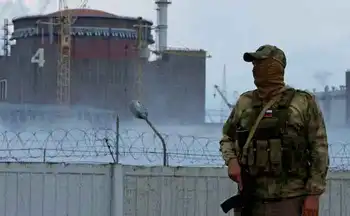
Russian Strikes on Western Ukraine Cause Power Outages

Ukraine Energy Grid Attacks intensify as missile strikes and drone raids hit power plants, substations, and transmission lines, causing blackouts, disrupted logistics, and humanitarian strain during winter, despite repairs, air defense, and allied aid.


Key Points

Missile and drone strikes on Ukraine's power grid to force blackouts, strain civilians, and disrupt military logistics.

✅ Targets: power plants, substations, transmission lines

✅ Impacts: blackouts, heating loss, hospital strain

✅ Goals: erode morale, disrupt logistics, force aid burdens


Russia’s continued strikes on Ukraine have taken a severe toll on the country’s critical infrastructure, particularly its energy grid, as Ukraine continues to keep the lights on despite sustained bombardment. In recent months, Western Ukraine has increasingly become a target of missile and drone attacks, leading to widespread power outages and compounding the challenges faced by the civilian population. These strikes aim to cripple Ukraine's resilience during a harsh winter season and disrupt its wartime operations.

Targeting Energy Infrastructure

Russian missile and drone assaults on Ukraine’s energy grid are part of a broader strategy to weaken the country’s morale and capacity to sustain the war effort. The attacks have primarily focused on power plants, transmission lines, and substations. Western Ukraine, previously considered a relative safe haven due to its distance from front-line combat zones, is now experiencing the brunt of this campaign.

The consequences of these strikes are severe. Rolling blackouts and unplanned outages have disrupted daily life for millions of Ukrainians, though authorities say there are electricity reserves that could stabilize supply if no new strikes occur, leaving homes without heating during freezing temperatures, hospitals operating on emergency power, and businesses struggling to maintain operations. The infrastructure damage has also affected water supplies and public transportation, further straining civilian life.

Aimed at Civilian and Military Impact

Russia’s targeting of Ukraine’s power grid has dual purposes. On one hand, it aims to undermine civilian morale by creating hardships during the cold winter months, even as Ukraine works to keep the lights on this winter through contingency measures. On the other, it seeks to hinder Ukraine’s military logistics and operations, which heavily rely on a stable energy supply for transportation, communications, and manufacturing of military equipment.

These attacks coincide with a broader strategy of attritional warfare, where Moscow hopes to exhaust Ukraine’s resources and diminish its ability to continue its counteroffensive operations. By disrupting critical infrastructure, Russia increases pressure on Ukraine's allies to step up humanitarian and military aid, stretching their capacities.

Humanitarian Consequences

The impact of these power cuts on the civilian population is profound. Millions of Ukrainians are enduring freezing temperatures without consistent access to electricity or heating. Vulnerable populations, such as the elderly, children, and those with disabilities, face heightened risks of hypothermia and other health issues.

Hospitals and healthcare facilities are under immense strain, relying on backup generators that cannot sustain prolonged use. In rural areas, where infrastructure is already weaker, the effects are even more pronounced, leaving many communities isolated and unable to access essential services.

Humanitarian organizations have ramped up efforts to provide aid, including distributing generators, warm clothing, and food supplies, while many households pursue new energy solutions to weather blackouts. However, the scale of the crisis often outpaces the resources available, leaving many Ukrainians to rely on their resilience and community networks.

Ukraine's Response

Despite the challenges, Ukraine has demonstrated remarkable resilience in the face of these attacks. The government and utility companies are working around the clock to repair damaged infrastructure and restore power to affected areas. Mobile repair teams and international assistance have played crucial roles in mitigating the impact of these strikes.

Ukraine’s Western allies have also stepped in to provide support. The European Union, the United States, and other countries have supplied Ukraine with energy equipment, financial aid, and technical expertise to help rebuild its energy grid, though recent decisions like the U.S. ending support for grid restoration complicate planning and procurement. Additionally, advanced air defense systems provided by Western nations have helped intercept some of the incoming missiles and drones, though not all attacks can be thwarted.

Russia’s Escalation Strategy

Russia’s focus on Western Ukraine reflects a shift in its strategy. Previously, attacks were concentrated on front-line areas and major urban centers in the east and south. However, by targeting the western regions, Moscow seeks to disrupt the relatively stable zones where displaced Ukrainians and critical supply chains are located.

Western Ukraine is also a hub for receiving and distributing international aid and military supplies. Striking this region not only undermines Ukraine’s internal stability but also sends a message to its allies about Russia’s willingness to escalate the conflict further.

Broader Implications

The attacks on Ukraine’s energy grid have broader geopolitical implications. By targeting infrastructure, Russia intensifies the pressure on Ukraine’s allies to continue providing support, even as Kyiv has at times helped Spain amid blackouts when capacity allowed, testing their unity and resolve. The destruction also poses long-term challenges for Ukraine’s post-war recovery, as rebuilding a modern and resilient energy system will require significant investments and time.

Moreover, these attacks highlight the vulnerability of civilian infrastructure in modern warfare, echoing that electricity is civilization amid winter conditions. The deliberate targeting of non-combatant assets underscores the need for international efforts to strengthen the protection of critical infrastructure and address the humanitarian consequences of such tactics.

The Russian attacks on Western Ukraine's power grid are a stark reminder of the devastating human and economic costs of the ongoing conflict. While Ukraine continues to demonstrate resilience and adaptability, the scale of destruction underscores the need for sustained international support. As the war drags on, the focus must remain on mitigating civilian suffering, rebuilding critical infrastructure, and pursuing a resolution that ends the violence and stabilizes the region.


Related News

View more

California Skirts Blackouts With Heat Wave to Test Grid Again

California Heatwave Power Crisis strains CAISO as record demand triggers emergency alerts, demand response, and rolling blackout warnings. PG&E prepares outages while solar fades at peak, drought cuts hydropower, and reliability hinges on conservation.


Key Points

Extreme heat driving record demand in California, straining CAISO and prompting conservation to avert rolling blackouts.

✅ CAISO hit a record 52 GW peak load amid triple-digit heat

✅ Emergency alerts spurred demand response, cutting load spikes

✅ Solar drop and drought-weakened hydro worsened evening shortfall


California narrowly avoided blackouts for a second successive day even as blistering temperatures pushed electricity demand to a record and stretched the state’s power grid close to its limits.

The state imposed its highest level of energy emergency for several hours late Tuesday and urged consumers to turn off lights, curb air conditioners and shut off power-hungry appliances after a day of extraordinary stress on electricity infrastructure as temperatures in many regions topped 110 degrees Fahrenheit (43 Celsius).

Electricity use had reached 52 gigawatts Tuesday, easily breaking a record that stood since 2006, according to the California Independent System Operator. The state issued emergency alerts direct to cell phones in several counties asking for immediate power conservation, and grid data show that demand plunged in response. Emergency measures were finally lifted at about 9 p.m. local time.

Much of California remains under an excessive heat warning through Friday, with authorities already preparing for more severe pressure on the power system on Wednesday amid a looming supply shortage across the grid. “We aren’t out of the woods yet,” Governor Gavin Newsom said in a message posted on his office’s Twitter account. “We will see continued extreme temps this week and if we rallied today, we can do it again.”

The state’s largest power company, PG&E Corp. said earlier Tuesday that it had notified about 525,000 homes and businesses that they could lose power for up to two hours. That warning came as temperatures in downtown Sacramento hit 116 degrees Fahrenheit, topping a previous 1925 record.

Newsom earlier signed an executive order extending until Friday emergency measures to free up additional power supplies, rather than allowing them to expire as planned on Wednesday. Many state buildings were ordered to power down lights and air conditioning at 4 p.m., and he urged residents and businesses to conserve the equivalent of 3 gigawatts of power in order to stave off blackouts. 

California's Early Brush With Blackouts Bodes Ill For Days Ahead
The downtown skyline during a heatwave in Los Angeles.Photographer: Eric Thayer/Bloomberg
California faced a similar energy emergency Monday, which was alleviated in part by activating temporary gas-fired power plants operated by the California Department of Water Resources. The current heat wave, which began in the last week of August, is remarkable in both its ferocity and duration, according to officials. 

The prospect of outages underscores how grids have become vulnerable in the face of extreme weather as California transitions from fossil fuels to renewable energy, an approach it is increasingly exporting to Western states as well. California's climate policies have aggressively closed natural-gas power plants in recent years, leaving the state increasingly dependent on solar farms that go dark late in the day just as electricity demand peaks. At the same time, the state is enduring the Southwest’s worst drought in 1,200 years, sapping hydropower production.

The average 15-minute wholesale power price in Caiso surged to $1,806 a megawatt-hour at 4:45 p.m. local time, according to the grid operator’s website.

Average day-ahead prices top $300 a megawatt-hour in Southern California
  
A break from the heat will come across Southern California later this week, thanks to Tropical Storm Kay in the Pacific Ocean, according to weather officials. Kay is forecast to edge up the coastline of Mexico’s Baja California peninsula. As it moves north, the storm will pump moisture and clouds into Southern California and Arizona, taking an edge off the heat.


Related News

View more

Alberta's Last Coal Plant Closes, Embracing Clean Energy

Alberta Coal Phase-Out signals a clean energy transition, replacing coal with natural gas and renewables, cutting greenhouse gas emissions, leveraging a carbon levy, and supporting workers in Alberta's evolving electricity market.


Key Points

Alberta Coal Phase-Out moves power from coal to lower-emission natural gas and renewables to reduce grid emissions.

✅ Last coal plant closed: Genesee Generating Station, Sept 30, 2023

✅ Shift to natural gas and renewables lowers emissions

✅ Carbon levy and incentives accelerated clean power build-out


The closure of the Genesee Generating Station on September 30, 2023, marked a significant milestone in Alberta's energy history, as the province moved to retire coal power by 2023 ahead of its 2030 provincial deadline. The Genesee, located near Calgary, was the province's last remaining coal-fired power plant. Its closure represents the culmination of a multi-year effort to transition Alberta's electricity sector away from coal and towards cleaner sources of energy.

For decades, coal was the backbone of Alberta's electricity grid. Coal-fired plants were reliable and relatively inexpensive to operate. However, coal also has a significant environmental impact. The burning of coal releases greenhouse gases, including carbon dioxide, a major contributor to climate change. Coal plants also produce air pollutants such as sulfur dioxide and nitrogen oxide, which can cause respiratory problems and acid rain, and in some regions electricity is projected to get dirtier as gas use expands.

In recognition of these environmental concerns, the Alberta government began to develop plans to phase out coal-fired power generation in the early 2000s. The government implemented a number of policies to encourage the shift from coal to cleaner energy such as natural gas and renewable energy. These policies included providing financial incentives for the construction of new natural gas plants and renewable energy facilities, as well as imposing a carbon levy on coal-fired generation.

The phase-out of coal was also driven by economic factors. The cost of natural gas has declined significantly in recent years, making it a more competitive fuel source for electricity generation as producers switch to gas under evolving market conditions. Additionally, the Alberta government faced increasing pressure from the federal government to reduce greenhouse gas emissions.

The transition away from coal has not been without its challenges. Coal mining and coal-fired power generation have long been important parts of Alberta's economy. The closure of coal plants has resulted in job losses in the affected communities. The government has implemented programs to help workers transition to new jobs in the clean energy sector.

Despite these challenges, the closure of the Genesee Generating Station is a positive development for Alberta's environment and climate. Coal-fired power generation is one of the largest sources of greenhouse gas emissions in Alberta, and recent wind generation outpacing coal underscores the sector's transformation. The closure of the Genesee is expected to result in a significant reduction in emissions, helping Alberta to meet its climate change targets.

The transition away from coal also presents opportunities for Alberta. The province has vast natural gas resources, which can be used to generate electricity with lower emissions than coal. Alberta is also well-positioned to develop renewable energy sources, such as wind power and solar power. These renewable energy sources can help to further reduce emissions and create new jobs in the clean energy sector.

The closure of the Genesee Generating Station is a significant milestone in Alberta's energy history. It represents the end of an era for coal-fired power generation in the province, a shift mirrored by the UK's last coal station going offline earlier this year. However, it also marks the beginning of a new era for Alberta's energy sector. By transitioning to cleaner sources of energy, Alberta can reduce its environmental impact and create a more sustainable energy future.


Related News

View more

Cabinet Of Ministers Of Ukraine - Prime Minister: Our Goal In The Energy Sector Is To Synchronize Ukraine's Integrated Power System With Entso-e

Ukraine's EU Energy Integration aims for ENTSO-E synchronization, electricity market liberalization, EU Green Deal alignment, energy efficiency upgrades, hydrogen development, and streamlined grid connections to accelerate reform, market pricing, and sustainable growth.


Key Points

Ukraine's EU Energy Integration syncs with ENTSO-E, liberalizes power markets, and aligns with the EU Green Deal.

✅ ENTSO-E grid synchronization and cross-border trade readiness

✅ Electricity market liberalization and market-based pricing

✅ EU Green Deal alignment: efficiency, hydrogen, coal regions


Ukraine's goal in the energy sector is to ensure the maximum integration of energy markets with EU markets, and in line with the EU plan to dump Russian energy that is reshaping the region, synchronization of Ukraine's integrated energy system with ENTSO-E while leaning on electricity imports as needed to maintain stability. Prime Minister Denys Shmyhal emphasized in his statement at the Fourth Ukraine Reform Conference underway through July 7-8 in Vilnius, the Republic of Lithuania.

The Head of Government presented a plan of reforms in Ukraine until 2030. In particular, energy sector reform and environmental protection, according to the PM, include the liberalization of the electricity market, with recent amendments to the market law guiding implementation, the simplification of connection to the electrical grid system and the gradual transition to market electricity prices, alongside potential EU emergency price measures under discussion, and the monetization of subsidies for vulnerable groups.

"Ukraine shares and fully supports the EU's climate ambitions and aims to synchronize its policies in line with the EU Green Deal, including awareness of Hungary's energy alignment with Russia to ensure coherent regional planning. The interdepartmental working group has determined priority areas for cooperation with the European Union: energy efficiency, hydrogen, transformation of coal regions, waste management," said the Prime Minister.

According to Denys Shmyhal, Ukraine has supported the EU's climate ambitions to move towards climate-neutral development by 2050 within the framework of the European Green Deal and should become an integral part of it in order not only to combat the effects of climate change in synergy with the EU but, as the country prepares for winter energy challenges and strengthens resilience, within the economic strategy development aimed to enhance security and create new opportunities for Ukrainian business, with continued energy security support from partners bolstering implementation.


Related News

View more

Rising Electricity Prices: Inflation, Climate Change, and Clean Energy Challenges

Rising Electricity Prices are driven by inflation, climate change, and the clean energy transition, affecting energy bills, grid resilience, and supply. Renewables, storage, and infrastructure upgrades shape costs, volatility, and long-term sustainability.


Key Points

Rising electricity prices stem from inflation, climate risk, and costs of integrating clean energy and storage into modern grids.

✅ Inflation raises fuel, materials, and labor costs for utilities

✅ Extreme weather damages infrastructure and strains peak demand

✅ Clean energy rollout needs storage, backup, and grid upgrades


In recent months, consumers have been grappling with a concerning trend: rising electricity prices across the country. This increase is not merely a fluctuation but a complex issue shaped by a confluence of factors including inflation, climate change, and the transition to clean energy. Understanding these dynamics is crucial for navigating the current energy landscape and preparing for its future.

Inflation and Its Impact on Energy Costs

Inflation, the economic phenomenon of rising prices across various sectors, has significantly impacted the cost of living, including electricity and natural gas prices for households. As the price of goods and services increases, so too does the cost of producing and delivering electricity. Energy production relies heavily on raw materials, such as metals and fuels, whose prices have surged in recent years. For instance, the costs associated with mining, transporting, and refining these materials have risen, thereby increasing the operational expenses for power plants.

Moreover, inflation affects labor costs, as wages often need to keep pace with the rising cost of living. As utility companies face higher expenses for both materials and labor, these costs are inevitably passed on to consumers in the form of higher electricity bills.

Climate Change and Energy Supply Disruptions

Climate change also plays a significant role in driving up electricity prices. Extreme weather events, such as hurricanes, heatwaves, and floods, have become more frequent and severe due to climate change. These events disrupt energy production and distribution by damaging infrastructure, impeding transportation, and affecting the availability of resources.

For example, hurricanes can knock out power plants and damage transmission lines, leading to shortages and higher costs. During periods of extreme summer heat across many regions, heatwaves can strain the power grid as increased demand for air conditioning pushes the system to its limits. Such disruptions not only lead to higher immediate costs but also necessitate costly repairs and infrastructure upgrades.

Additionally, the increasing frequency of natural disasters forces utilities to invest in more resilient infrastructure, as many utilities spend more on delivery to harden grids and reduce outages, which adds to overall costs. These investments, while necessary for long-term reliability, contribute to short-term price increases for consumers.

The Transition to Clean Energy

The shift towards clean energy is another pivotal factor influencing electricity prices. While renewable energy sources like wind, solar, and hydro power are crucial for reducing greenhouse gas emissions and combating climate change, their integration into the existing grid presents challenges.

Renewable energy infrastructure requires substantial initial investment. The construction of wind farms, solar panels, and the associated grid improvements involve significant capital expenditure. These upfront costs are often reflected in electricity prices. Moreover, renewable energy sources can be intermittent, meaning they do not always produce electricity at times of high demand. This intermittency necessitates the development of energy storage solutions and backup systems, which further adds to the costs.

Utilities are also transitioning from fossil fuel-based energy production to cleaner alternatives, a process that involves both technological and operational shifts and intersects with the broader energy crisis impacts on electricity, gas, and EVs nationwide. These changes can temporarily increase costs as utilities phase out old systems and implement new ones. While the long-term benefits of cleaner energy include environmental sustainability and potentially lower operating costs, the transition period can be financially burdensome for consumers.

The Path Forward

Addressing rising electricity prices requires a multifaceted approach. Policymakers must balance the need for immediate relief, as California regulators face calls for action amid soaring bills, with the long-term goals of sustainability and resilience. Investments in energy efficiency can help reduce overall demand and ease pressure on the grid. Expanding and modernizing energy infrastructure to accommodate renewable sources can also mitigate price volatility.

Additionally, efforts to mitigate climate change through improved resilience and adaptive measures can reduce the frequency and impact of extreme weather events, thereby stabilizing energy costs.

Consumer education is vital in this process. Understanding the factors driving electricity prices can empower individuals to make informed decisions about energy consumption and conservation. Furthermore, exploring energy-efficient appliances and practices can help manage costs in the face of rising prices.

In summary, the rising cost of electricity is a multifaceted issue influenced by inflation, climate change, and the transition to clean energy, and recent developments show Germany's rising energy costs in the coming year. While these factors pose significant challenges, they also offer opportunities for innovation and improvement in how we produce, distribute, and consume energy. By addressing these issues with a balanced approach, it is possible to navigate the complexities of rising electricity prices while working towards a more sustainable and resilient energy future.


Related News

View more

Sign Up for Electricity Forum’s Newsletter

Stay informed with our FREE Newsletter — get the latest news, breakthrough technologies, and expert insights, delivered straight to your inbox.

Electricity Today T&D Magazine Subscribe for FREE

Stay informed with the latest T&D policies and technologies.
  • Timely insights from industry experts
  • Practical solutions T&D engineers
  • Free access to every issue

Download the 2025 Electrical Training Catalog

Explore 50+ live, expert-led electrical training courses –

  • Interactive
  • Flexible
  • CEU-cerified