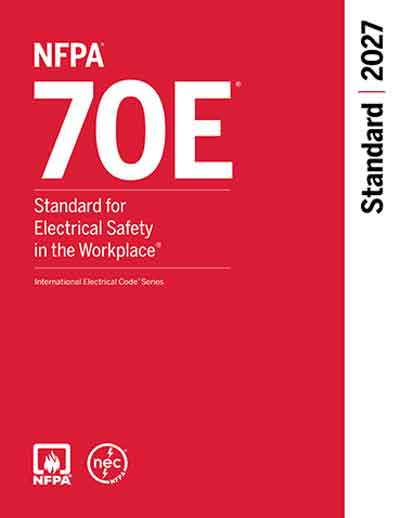
NFPA 70E Training - 2027 Edition - Arc Flash Safety Compliance
Our customized live online or in‑person group training can be delivered to your staff at your location.
- Live Online
- 6 hours Instructor-led
- Group Training Available
Regular Price:
$199
Coupon Price:
$149
With the federal and provincial governments offering grants for home owners wishing to make their homes energy efficient, certified energy advisor and consultant Ford Underwood of Cover Your Assets says now is the time to hop on board and have a home audit done.
The average cost for an audit is $315, with a return visit cost after the upgrades are completed of $150, but the government will cover the $150 price tag, he says.
"The idea is how to use energy properly in your house and how to improve," he told a small gathering at a Sunbay Energy speaker series presentation.
He said the purpose of having an audit done is to save money on energy, increase the comfort level of your home, be environmentally friendly and increase resale value.
"You have to learn about how homes operate as a whole," he said. "And we must be conscious of how one thing affects the other."
It was proposed that energy audits become mandatory upon purchase/sale of a home, but the audit process needs to be perfected first, he says.
"The proposed law to require energy audits has been pushed back, but it's not dead," Underwood said.
He'd like to see electricity become part of the energy audit as well as the typical air leaks, etc.
There's a lot of phantom electricity that is used just because you have TVs, computers and other items plugged in, he says.
"They all use energy as long as they're plugged in," Underwood said.
But before you hire just anyone to perform an audit, he says, you should shop around.
You have to verify an auditor is certified or you won't qualify for the available government grants, and you should ask how much experience the auditor has and who actually writes up the report, Underwood says.
Although there are names listed on the Natural Resources Canada website, he says you must still verify their credentials to ensure you get what you're looking for, and suggests you visit http://oee.nrcan.gc.cafor helpful information.
Courses are currently offered at Humber College, with Durham College expected to offer a home audit course in the near future, he says.
And what happens after your audit and the work is complete? You have to take a look at your lifestyle and try ways of reducing your power consumption, he says.
"Do you really need those four TVs plugged in?" he said. "Do you really need your computers on and plugged in?"
Underwood suggests taking advantage of the free literature provided by the government.
"TheEnerGuide, Keeping the Heat In, is an excellent book for the average homeowner," he said.
Related News
Calgary's electricity use soars in frigid February, Enmax says
Calgary Winter Energy Usage Surge highlights soaring electricity demand, added megawatt-hours, and grid reliability challenges…
View more
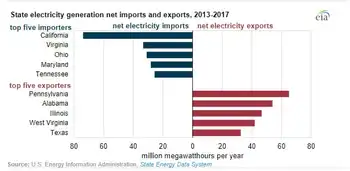
EIA: Pennsylvania exports the most electricity, California imports the most from other states
U.S. Electricity Trade by State, 2013-2017 highlights EIA grid patterns, interstate imports and exports, cross-border…
View more
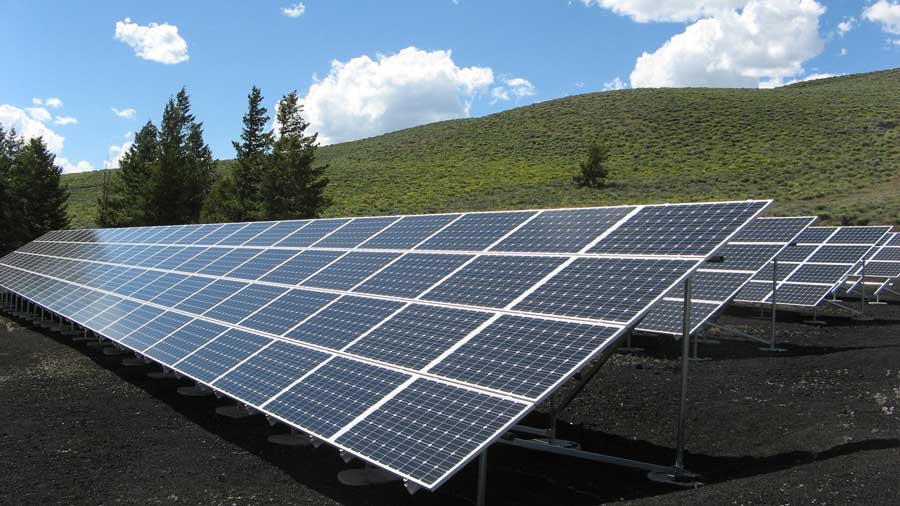
European Solar Industry Warns Grid Congestion Is Slowing Clean Energy Growth
European Solar Grid Congestion is emerging as a key barrier to PV integration, with overvoltage,…
View more
Quebec Power Imports Signal Shift in Electricity Balance
Quebec is importing electricity from the United States as rising domestic demand and reduced hydropower…
View more
Manitoba Hydro scales back rate increase next year
Manitoba Hydro 3.5 Percent Rate Increase proposes a smaller electricity rate hike under Public Utilities…
View more
External investigators looking into alleged assaults by Manitoba Hydro workers
Manitoba Hydro Allegations Investigation reveals RCMP and OPP probes into 1960s abuses in northern Manitoba,…
View more
Sign Up for Electricity Forum’s Newsletter
Stay informed with our FREE Newsletter — get the latest news, breakthrough technologies, and expert insights, delivered straight to your inbox.
Electricity Today T&D Magazine Subscribe for FREE

Stay informed with the latest T&D policies and technologies.
- Timely insights from industry experts
- Practical solutions T&D engineers
- Free access to every issue

