CSA Z463 Electrical Maintenance -
Our customized live online or in‑person group training can be delivered to your staff at your location.

- Live Online
- 6 hours Instructor-led
- Group Training Available
Regular Price:
$249
Coupon Price:
$199
HALIFAX
—
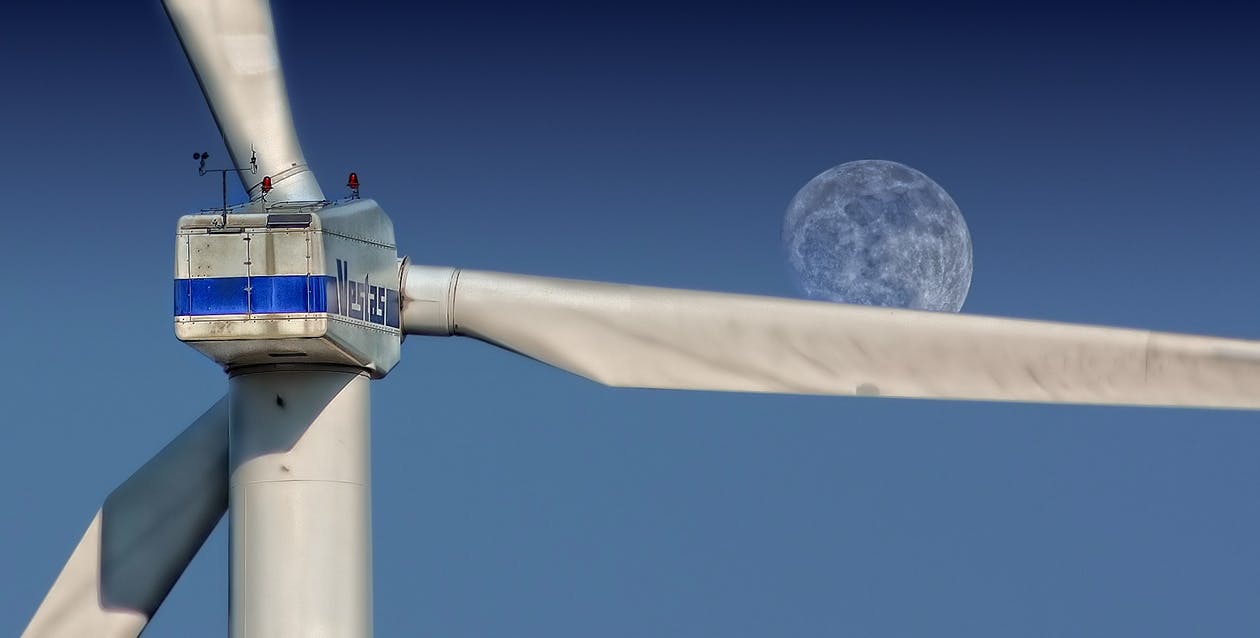
Hydro-Québec Offshore Wind RFI advances plans to assess Nova Scotia offshore wind supply and transmission, inviting developers to detail technology, timelines, costs and grid integration to support renewables and regional interconnections across Atlantic Canada.
The Core Facts
-
RFI issued March 25, 2026 on Nova Scotia offshore wind
-
Focus on technology, timelines, costs and transmission solutions
-
No investment decision; aligned with 2035 Action Plan and wind goals
On March 25, 2026, Hydro-Québec issued a market Request for Information to assess options for the supply and transmission of electricity generated by offshore wind farms off the coast of Nova Scotia. The initiative is designed to gather structured input from developers and other market participants to inform the utility's analysis of how best to integrate future Atlantic wind resources with regional grids.
The RFI invites submissions outlining technological approaches, development timelines, and indicative costs for offshore projects near Nova Scotia, along with practical electricity transmission solutions. Responses are intended to help characterize viable pathways for bringing new renewable supply to market while clarifying regulatory, technical and commercial considerations associated with project execution and interregional delivery.
Hydro-Québec notes its extensive role in Northeastern power markets, supported by a large hydroelectric fleet and reservoir capacity that can complement variable renewables such as wind. With multiple ties to neighboring systems, cross-border power flows and topics such as quebec us exports remain central to planning discussions across shared transmission corridors.
The market information request is exploratory; no investment or procurement decisions have been made at this stage. It proceeds in parallel with, but independently from, the call for bids initiated in fall 2025 by the Canada-Nova Scotia Offshore Energy Regulator. In the broader regional context of growing electricity needs, issues frequently framed as canada energy shortage and evolving infrastructure concepts such as maine transmission continue to shape stakeholder conversations about long-distance delivery and grid reliability.
Hydro-Québec emphasizes that development within Québec remains the priority. The Nova Scotia-focused RFI complements approximately 10,000 megawatts envisioned under the company's Wind Power Strategy and aligns with its 2035 Action Plan, which calls for rigorous evaluation of options to meet rising demand while supporting decarbonization and economic growth. For readers following the broader energy transition, related themes such as irving oil hydrogen and transportation electrification topics including nova scotia evs also intersect with long-term load growth and grid integration planning.
Related News
Related News
Solar produced 4.7% of U.S. electricity in 2022, generation up 25%
US Solar Electricity Generation 2022 rose to a 4.7% share, with 202,256 GWh, per EIA…
View more

Centrica acquires battery storage project that could "unlock North Sea wind energy potential"
Centrica Dyce Battery Storage will deliver 30MW 2hr capacity in Aberdeenshire, capturing North Sea offshore…
View more
Most planned U.S. battery storage additions in next three years to be paired with solar
U.S. Solar-Plus-Storage Growth 2021-2024 highlights rising battery storage co-location with solar PV, grid flexibility, RTO/ISO…
View more
Stalled spending on electrical grids slows rollout of renewable energy
IEA Grid Expansion Warning highlights stalled investment in power lines and transmission infrastructure, risking renewable…
View more
Nova Scotia Power increases use of biomass for generating electricity
Nova Scotia Biomass Electricity Policy increases dispatchable renewable generation from Port Hawkesbury and Brooklyn Energy,…
View more
Ukraine's Green Fightback: Rising from the Ashes with Renewable Energy
Ukraine Green Fightback advances renewable energy, energy independence, and EU integration, rebuilding war-damaged grids with…
View more
Sign Up for Electricity Forum’s Newsletter
Stay informed with our FREE Newsletter — get the latest news, breakthrough technologies, and expert insights, delivered straight to your inbox.
Electricity Today T&D Magazine Subscribe for FREE

Stay informed with the latest T&D policies and technologies.
- Timely insights from industry experts
- Practical solutions T&D engineers
- Free access to every issue

