Indonesian Govt to Launch Energy Saving Campaign

By Asia Pulse Pte Ltd


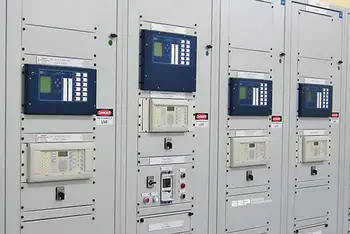
Electrical Testing & Commissioning of Power Systems

Our customized live online or in‑person group training can be delivered to your staff at your location.
  • Live Online
  • 12 hours Instructor-led
  • Group Training Available
Regular Price:
$599
Coupon Price:
$499
Reserve Your Seat Today
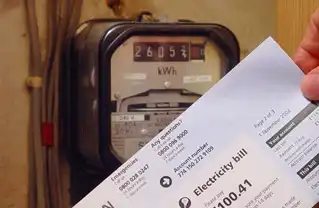
The government is planning to launch energy saving campaign to promote the people's awareness of efficient use of energy in the country, Minister of Energy and Mineral Resources Purnomo Yusgiantoro said recently.

"The save the energy campaign will begin (in August) and be officially launched by the vice president," Purnomo said after a meeting with Vice President Hamzah Haz here.

The campaign is part of activities carried out to celebrate the country's 58th independence day.

At the launching of the campaign, a group of "save the energy" supporters and 58 students will have a "fun bike", the minister said calling on the public to use the so-called green energy which is environment-friendly.

The students will continue the biking to Surabaya, East Java.

"They will bring a moral message to the public to save the energy and use environment-friendly energy," Purnomo said.

Meanwhile, the Director General for Electricity and Mineral Resources, Luluk Sumiarso said the government did not set any target for the campaign. However, he expected the campaign will make the people aware of the need to save the energy.

Luluk called on the public to use energy-saving lamps which only need one-third of electrical power needed by conventional lamps.

Related News
Indian government takes steps to get nuclear back on track

India Nuclear Generation Shortfall highlights missed five-year plan targets due to uranium fuel scarcity, commissioning delays at Kudankulam, PFBR slippage, and PHWR equipment bottlenecks under IAEA safeguards and domestic supply constraints.


Key Points

A gap between planned and actual nuclear output due to fuel shortages, reactor delays, and first-of-a-kind hurdles.

✅ Fuel scarcity pre-2009-10 constrained unsafeguarded reactors.

✅ Kudankulam delays from protests, litigation, and remobilisation.

✅ FOAK PHWR equipment bottlenecks and PFBR slippage.


A lack of available domestically produced nuclear fuel and delays in constructing and commissioning nuclear power plants, including first-of-a-kind plants and the Prototype Fast Breeder Reactor (PFBR), meant that India failed to meet its nuclear generation targets under the governmental plans over the decade to 2017, even as global project milestones were being recorded elsewhere.

India's nuclear generation target under its 11th five-year plan, covering the period 2007-2012, was 163,395 million units (MUs) and the 12th five-year Plan (2012-17) was 241,748 MUs, Minister of state for the Department of Atomic Energy and the Prime Minister's Office Jitendra Singh told parliament on 6 February. Actual nuclear generation in those periods was 109,642 MUs and 183,488 MUs respectively, Singh said in a written answer to questions in the Lok Sabah.

Singh attributed the shortfall in generation to a lack of availability of the necessary quantities of domestically produced fuel during the three years before 2009-2010; delays to the commissioning of two 1000 MWe nuclear power plants at Kudankulam due to local protests and legal challenges; and delays in the completion of two indigenously designed pressurised heavy water reactors and the PFBR.

Kudankulam 1 and 2 are VVER-1000 pressurised water reactors (PWRs) supplied by Russia's Atomstroyexport under a Russian-financed contract. The units were built by Nuclear Power Corporation of India Ltd (NPCIL) and were commissioned and are operated by NPCIL under International Atomic Energy Agency (IAEA) safeguards, with supervision from Russian specialists, while China's nuclear program advanced on a steady development track in the same period. Construction of the units - the first PWRs to enter operation in India - began in 2002.

Singh said local protests resulted in the halt of commissioning work at Kudankulam for nine months from September 2011 to March 2012, when he said project commissioning had been at its peak. As a consequence, additional time was needed to remobilise the workforce and contractors, he said. Litigation by anti-nuclear groups, and compliance with supreme court directives, impacted commissioning in 2013, he said. Unit 1 entered commercial operation in December 2014 and unit 2 in April 2017.

Delays in the manufacture and supply by domestic industry of critical equipment for first-of-a-kind 700 MWe pressurised heavy water reactors -  Kakrapar units 3 and 4, and Rajasthan units 7 and 8 - has led to delays in the completion of those units, the minister said, as well as noting the delay in completion of the PFBR, which is being built at Kalpakkam by Bhavini. In answer to a separate question, Singh said the PFBR is in an "advance stage of integrated commissioning" and is "expected to approach first criticality by the year 2020."

Eight of India's operating nuclear power plants are not under IAEA safeguards and can therefore only use indigenously-sourced uranium. The other 14 units operate under IAEA safeguards and can use imported uranium. The Indian government has taken several measures to secure fuel supplies for reactors in operation and under construction, amid coal supply rationing pressures elsewhere in the power sector, concluding fuel supply contracts with several countries for existing and future reactors under IAEA Safeguards and by "augmentation" of fuel supplies from domestic sources, Singh said.

Kakrapar 3 and 4, with Kakrapar 3 criticality already reported, and Rajasthan 7 and 8 are all currently expected to enter service in 2022, according to World Nuclear Association information.


Joint venture discussions

In February 2016 the government amended the Atomic Energy Act to allow NPCIL to form joint venture companies with other public sector undertakings (PSUs) for involvement in nuclear power generation and possibly other aspects of the fuel cycle, reflecting green industrial strategies shaping future reactor waves globally. In answer to another question, Singh confirmed that NPCIL has entered into joint ventures with NTPC Limited (National Thermal Power Corporation, India's largest power company) and Indian Oil Corporation Limited. Two joint venture companies - Anushakti Vidhyut Nigam Limited and NPCIL-Indian Oil Nuclear Energy Corporation Limited - have been incorporated, and discussions on possible projects to be set up by the joint venture companies are in progress.

An exploratory discussion had also been held with Oil & Natural Gas Corporation, Singh said. Indian Railways - which has in the past been identified as a potential joint venture partner for NPCIL - had "conveyed that they were not contemplating entering into an MoU for setting up of nuclear power plants," Singh said.


Related News

View more

Groups clash over NH hydropower project

Northern Pass Hydropower Project Rehearing faces review by New Hampshire's Site Evaluation Committee as Eversource seeks approval for a 192-mile transmission line, citing energy cost relief, while Massachusetts eyes Central Maine Power as an alternative.


Key Points

A review of Eversource's halted NH transmission plan, weighing impacts, costs, and alternatives.

✅ SEC denied project, Eversource seeks rehearing

✅ 192-mile line to bring Canadian hydropower to NE

✅ Alternative bids include Central Maine Power corridor


Groups supporting and opposing the Northern Pass hydropower project in New Hampshire filed statements Friday in advance of a state committee’s meeting next week on whether it should rehear the project.

The Site Evaluation Committee rejected the transmission proposal last month over concerns about potential negative impacts. It is scheduled to deliberate Monday on Eversource’s request for a rehearing.

The $1.6 billion project would deliver hydropower from Canada, including Hydro-Quebec exports, to customers in southern New England through a 192-mile transmission line in New Hampshire.

If the Northern Pass project fails to ultimately win New Hampshire approval, the Massachusetts Department of Energy Resources has announced it will begin negotiating with a team led by Central Maine Power Co. for a $950 million project through a 145-mile Maine transmission line as an alternative.

Separately, construction later began on the disputed $1 billion electricity corridor despite ongoing legal and political challenges.

The Business and Industry Association voted last month to endorse the project after remaining neutral on it since it was first proposed in 2010. A letter sent to the committee Friday urges it to resume deliberations. The association said it is concerned about the severe impact the committee’s decision could have on New Hampshire’s economic future, even as Connecticut overhauls electricity market structure across New England.

“The BIA believes this decision was premature and puts New Hampshire’s economy at risk,” organization President Jim Roche wrote. “New Hampshire’s electrical energy prices are consistently 50-60 percent higher than the national average. This has forced employers to explore options outside New Hampshire and new England to obtain lower electricity prices. Businesses from outside New Hampshire and others now here are reversing plans to grow in New Hampshire due to the Site Evaluation Committee’s decision.”

The International Brotherhood of Electrical Workers and the Coos County Business and Employers Group also filed a statement in support of rehearing the project.

The Society to Protect New Hampshire Forests, which is opposed to the project, said Eversource’s request is premature because the committee hasn’t issued a final written decision yet. It also said Eversource hasn’t proven committee members “made an unlawful or unreasonable decision or mistakenly overlooked matters it should have considered.”

As part of its request for reconsideration, Eversource said it is offering up to $300 million in reductions to low-income and business customers in the state.

It also is offering to allocate $95 million from a previously announced $200 million community fund — $25 million to compensate for declining property values, $25 million for economic development and $25 million to promote tourism in affected areas. Another $20 million would fund energy efficiency programs.


Related News

View more

National Grid warns of short supply of electricity over next few days

National Grid power supply warning highlights electricity shortage risks amid low wind output, generator outages, and cold weather, reducing capacity margins and grid stability; considering demand response and reserve power to avoid blackout risk.


Key Points

An alert that reduced capacity from low wind and outages requires actions to maintain UK grid stability.

✅ Low wind output and generator outages reduce capacity margins

✅ ESO exploring demand response and reserve generation options

✅ Aim: maintain grid stability and avoid blackout risk


National Grid has warned that Britain’s electricity will be in short supply over the next few days after a string of unplanned power plant outages and unusually low wind speeds this week, as cheap wind power wanes across the system.

The electricity system operator said it will take action to “make sure there is enough generation” during the cold weather spell, including virtual power plants and other demand-side measures, to prevent a second major blackout in as many years.

“Unusually low wind output coinciding with a number of generator outages means the cushion of spare capacity we operate the system with has been reduced,” the company told its Twitter followers.

“We’re exploring measures and actions to make sure there is enough generation available to increase our buffer of capacity.”

A spokeswoman for National Grid said the latest electricity supply squeeze was not expected to be as severe as recorded last month, following reports that the government’s emergency energy plan was not going ahead, and added that the company did not expect to issue an official warning in the next 24 hours.

“We’re monitoring how the situation develops,” she said.

The warning is the second from the electricity system operator in recent weeks. In mid-September the company issued an official warning to the electricity market as peak power prices climbed, that its ‘buffer’ of power reserves had fallen below 500MW and it may need to call on more power plants to help prevent a blackout. The notice was later withdrawn.

Concerns over National Grid’s electricity supplies have been relatively rare in recent years. It was forced in November 2015 to ask businesses to cut their demand as a “last resort” measure to keep the lights on after a string of coal plant breakdowns.

But since then, National Grid’s greater challenge has been an oversupply of electricity, partly due to record wind generation, which has threatened to overwhelm the grid during times of low electricity demand.

National Grid has already spent almost £1bn on extra measures to prevent blackouts over the first half of the year by paying generators to produce less electricity during the coronavirus lockdown, as daily demand fell.

The company paid wind farms to turn off, and EDF Energy to halve the nuclear generation from its Sizewell B nuclear plant, to avoid overwhelming the grid when demand for electricity fell by almost a quarter from last year.

The electricity supply squeeze comes a little over a year after National Grid left large parts of England and Wales without electricity after the biggest blackout in a decade left a million homes in the dark. National Grid blamed a lightning strike for the widespread power failure.

Similar supply strains have recently caused power cuts in China, underscoring how weather and generation mix can trigger blackouts.


Related News

View more

Clean energy jobs energize Pennsylvania: Clean Energy Employment Report

Pennsylvania Clean Energy Employment surges, highlighting workforce growth in energy efficiency, solar, wind, grid and storage, and alternative transportation, supporting COVID-19 recovery, high-wage jobs, manufacturing, construction, and statewide economic resilience.


Key Points

Jobs across clean power, efficiency, grid, storage, and advanced transport fueling Pennsylvania's workforce growth.

✅ 8.7% job growth from 2017-2019, outpacing statewide average

✅ 97,000+ employed across efficiency, solar, wind, grid, and fuels

✅ 75% earn above median; strong full-time opportunities


The 2020 Pennsylvania Clean Energy Employment Report has been released, and Gov. Tom Wolf is energized by it.

This "comes at an opportune time, as government and industry leaders look to strengthen Pennsylvania's workforce and economy in response to the challenges of the COVID-19 pandemic," Wolf said Monday in a prepared statement. "This detailed analysis of data and trends in clean energy employment ... demonstrates the sector was a top job generator statewide, and shows which industries were hiring and looking for trained workers."

Foremost among the findings, released Monday, is that the clean energy sector was responsible for adding 7,794 jobs from 2017 through 2019. That is an 8.7% average job growth rate, well above the 1.9% overall average in the state, according to a news release from Wolf's office.

This report lists employment data in five industries: energy efficiency; clean energy generation; alternative transportation; clean grid and storage; and clean fuels, while some cleaner states still import dirty electricity in regional markets.

The energy efficiency industry was the biggest clean energy employer in the state last year, with more than 71,400 state residents working in construction, technology and manufacturing jobs related to energy-efficient systems.

Solar energy workers comprised the largest share of the clean energy generation workforce – 35.4%, or 5,173 individuals. Solar employment increased 8.3% from 2017 to 2019, while there was a slight decline nationwide amid clean energy job losses reported in May.

Wind energy firms employed 2,937, and policy moves such as Ontario's clean electricity regulations signal broader market shifts, with more than 21% of those roles in manufacturing.

Job losses, though, were recorded in nuclear generation (minus 4.5%) and coal generation (minus 8.6%) over the two-year period, as electricity deregulation remains a point of debate in the sector. This mirrors national declines in both categories.

Federal efforts to support coal community revitalization are channeling clean energy projects to hard-hit regions.

Natural gas electric generation capacity doubled across Pennsylvania over the past decade; even as residents could face winter electricity price increases according to recent reports, employment still grew 13.4% from 2017 through 2019. But increasing output from unconventional wells has outpaced demand, sparking reductions in siting and drilling for new wells.

The Clean Energy Employment Report was released along with – and as part of – the 2020 Pennsylvania Energy Employment Report, which asserts that energy remains a large employer in the state, and new clean energy funding announcements underscore the sector's momentum. As of the last quarter of 2019, according to the larger report, energy accounted for 269,031 jobs, or 4.5% of the overall statewide workforce.

Wolf, in summary, said: "This report shows that workforce training investment decisions can benefit Pennsylvanians right now and position the state going forward to grow and improve livelihoods, the economy and our environment."


Related News

View more

London Underground Power Outage Disrupts Rush Hour

London Underground Power Outage 2025 disrupted Tube lines citywide, with a National Grid voltage dip causing service suspensions, delays, and station closures; TfL recovery efforts spotlight infrastructure resilience, contingency planning, and commuter safety communications.


Key Points

A citywide Tube disruption on May 12, 2025, triggered by a National Grid voltage dip, exposing resilience gaps.

✅ Bakerloo, Waterloo & City, Northern suspended; Jubilee disrupted.

✅ Cause: brief National Grid fault leading to a voltage dip.

✅ TfL focuses on recovery, communication, and resilience upgrades.


On May 12, 2025, a significant power outage disrupted the London Underground during the afternoon rush hour, affecting thousands of commuters across the city. The incident highlighted vulnerabilities in the city's transport infrastructure, echoing a morning outage in London reported earlier, and raised concerns about the resilience of urban utilities.

The Outage and Its Immediate Impact

The power failure occurred around 2:30 PM, leading to widespread service suspensions and delays on several key Tube lines. The Bakerloo and Waterloo & City lines were completely halted, while the Jubilee line experienced disruptions between London Bridge and Finchley Road. The Northern line was also suspended between Euston and Kennington, as well as south of Stockwell. Additionally, Elizabeth Line services between Abbey Wood and Paddington were suspended. Some stations were closed for safety reasons due to the lack of power.

Commuters faced severe delays, with many stranded in tunnels or on platforms. The lack of information and communication added to the confusion, as passengers were left uncertain about the cause and duration of the disruptions.

Cause of the Power Failure

Transport for London (TfL) attributed the outage to a brief fault in the National Grid's transmission network. Although the fault was resolved within seconds, it caused a voltage dip that affected local distribution networks, leading to the power loss in the Underground system.

The incident underscored the fragility of the city's transport infrastructure, particularly the aging electrical and signaling systems that are vulnerable to such faults, as well as weather-driven events like a major windstorm outage that can trigger cascading failures. While backup systems exist, their capacity to handle sudden disruptions remains a concern.

Broader Implications for Urban Infrastructure

This power outage is part of a broader pattern of infrastructure challenges facing London. In March 2025, a fire at an electrical substation in Hayes led to the closure of Heathrow Airport, affecting over 200,000 passengers, while similar disruptions at BWI Airport have underscored aviation vulnerabilities. These incidents have prompted discussions about the resilience of the UK's energy and transport networks.

Experts argue that aging infrastructure, coupled with increasing demand and climate-related stresses, poses significant risks to urban operations, as seen in a North Seattle outage and in Toronto storm-related outages that tested local grids. There is a growing call for investment in modernization and diversification of energy sources to ensure reliability and sustainability.

TfL's Response and Recovery Efforts

Following the outage, TfL worked swiftly to restore services. By 11 PM, all but one line had resumed operations, with only the Elizabeth Line continuing to experience severe delays. TfL officials acknowledged the inconvenience caused to passengers and pledged to investigate the incident thoroughly, similar to the Atlanta airport blackout inquiry conducted after a major outage, to prevent future occurrences.

In the aftermath, TfL emphasized the importance of clear communication with passengers during disruptions and committed to enhancing its contingency planning and infrastructure resilience.

Public Reaction and Ongoing Concerns

The power outage sparked frustration among commuters, many of whom took to social media to express their dissatisfaction, echoing sentiments during Houston's extended outage about communication gaps and delays. Some passengers reported being trapped in tunnels for extended periods without clear guidance from staff.

The incident has reignited debates about the adequacy of London's transport infrastructure and the need for comprehensive upgrades. While TfL has initiated reviews and improvement plans, the public remains concerned about the potential for future disruptions and the city's preparedness to handle them.

The May 12 power outage serves as a stark reminder of the vulnerabilities inherent in urban infrastructure. As London continues to grow and modernize, ensuring the resilience of its transport and energy networks will be crucial. This includes investing in modern technologies, enhancing communication systems, and developing robust contingency plans to mitigate the impact of future disruptions. For now, Londoners are left reflecting on the lessons learned from this incident and hoping for a more reliable and resilient transport system in the future.


Related News

View more

Canada's First Commercial Electric Flight

Canada's First Commercial Electric Flight accelerates sustainable aviation, showcasing electric aircraft, pilot training, battery propulsion, and noise reduction, aligning with net-zero goals and e-aviation innovation across commercial, regional, and training operations.


Key Points

Canada's electric flight advances sustainable aviation, proving e-aircraft viability and pilot training readiness.

✅ Battery-electric propulsion cuts emissions and noise

✅ New curricula prepare pilots for electric systems and procedures

✅ Supports net-zero goals through green aviation infrastructure


Canada, renowned for its vast landscapes and pioneering spirit, has achieved a significant milestone in aviation history with its first commercial electric flight. This groundbreaking achievement marks a pivotal moment in the transition towards sustainable aviation and an aviation revolution for the sector, highlighting Canada's commitment to reducing carbon emissions and embracing innovative technologies.

The inaugural commercial electric flight in Canada not only showcases the capabilities of electric aircraft, with examples like Harbour Air's prototype flight demonstrating feasibility, but also underscores the importance of pilot training in advancing e-aviation. As the aviation industry explores cleaner and greener alternatives to traditional fossil fuel-powered aircraft, pilot training plays a crucial role in preparing aviation professionals for the future of sustainable flight.

Electric aircraft, powered by batteries instead of conventional jet fuel, offer numerous environmental benefits, including lower greenhouse gas emissions and reduced noise pollution, though Canada's 2019 electricity mix still included some fossil generation that can affect lifecycle impacts. These advantages align with Canada's ambitious climate goals and commitment to achieving net-zero emissions by 2050. By investing in e-aviation, Canada aims to lead by example in the global effort to decarbonize the aviation sector and mitigate the impacts of climate change.

The success of Canada's first commercial electric flight is a testament to collaborative efforts between industry stakeholders, government support, and technological innovation. Electric aircraft manufacturers have made significant strides in developing reliable and efficient electric propulsion systems, with research investment helping advance prototypes and certification, paving the way for broader adoption of e-aviation across commercial and private sectors.

Pilot training programs tailored for electric aircraft are crucial in ensuring the safe and effective operation of these advanced technologies, as operators target first electric passenger flights across regional routes. Canadian aviation schools and training institutions are at the forefront of integrating e-aviation into their curriculum, equipping future pilots with the skills and knowledge needed to navigate electric aircraft systems and procedures.

Moreover, the introduction of commercial electric flights in Canada opens new opportunities for aviation enthusiasts, environmental advocates, and stakeholders interested in sustainable transportation solutions. The shift towards e-aviation represents a paradigm shift in how air travel is perceived and executed, emphasizing efficiency, environmental stewardship, and technological innovation.

Looking ahead, Canada's role in advancing e-aviation extends beyond pilot training to include research and development, infrastructure investment, and policy support. Collaborative initiatives with industry partners and international counterparts, including Canada-U.S. collaboration on electrification, will be essential in accelerating the adoption of electric aircraft and establishing a robust framework for sustainable aviation practices.

In conclusion, Canada's first commercial electric flight marks a significant milestone in the journey towards sustainable aviation. By pioneering e-aviation through pilot training and technological innovation, Canada sets a precedent for global leadership in reducing carbon emissions and shaping the future of air transportation. As electric aircraft become more prevalent in the skies, Canada's commitment to sustainability and ambitious EV goals at the national level will continue to drive progress towards a cleaner, greener future for aviation worldwide.


Related News

View more

Sign Up for Electricity Forum’s Newsletter

Stay informed with our FREE Newsletter — get the latest news, breakthrough technologies, and expert insights, delivered straight to your inbox.

Electricity Today T&D Magazine Subscribe for FREE

Stay informed with the latest T&D policies and technologies.
  • Timely insights from industry experts
  • Practical solutions T&D engineers
  • Free access to every issue

Live Online & In-person Group Training

Advantages To Instructor-Led Training – Instructor-Led Course, Customized Training, Multiple Locations, Economical, CEU Credits, Course Discounts.

Request For Quotation

Whether you would prefer Live Online or In-Person instruction, our electrical training courses can be tailored to meet your company's specific requirements and delivered to your employees in one location or at various locations.